Support our educational content for free when you purchase through links on our site. Learn more
🔥 Fahrenheit 451 Book: The Ultimate Guide to Bradbury’s Dystopian Masterpiece (2026)

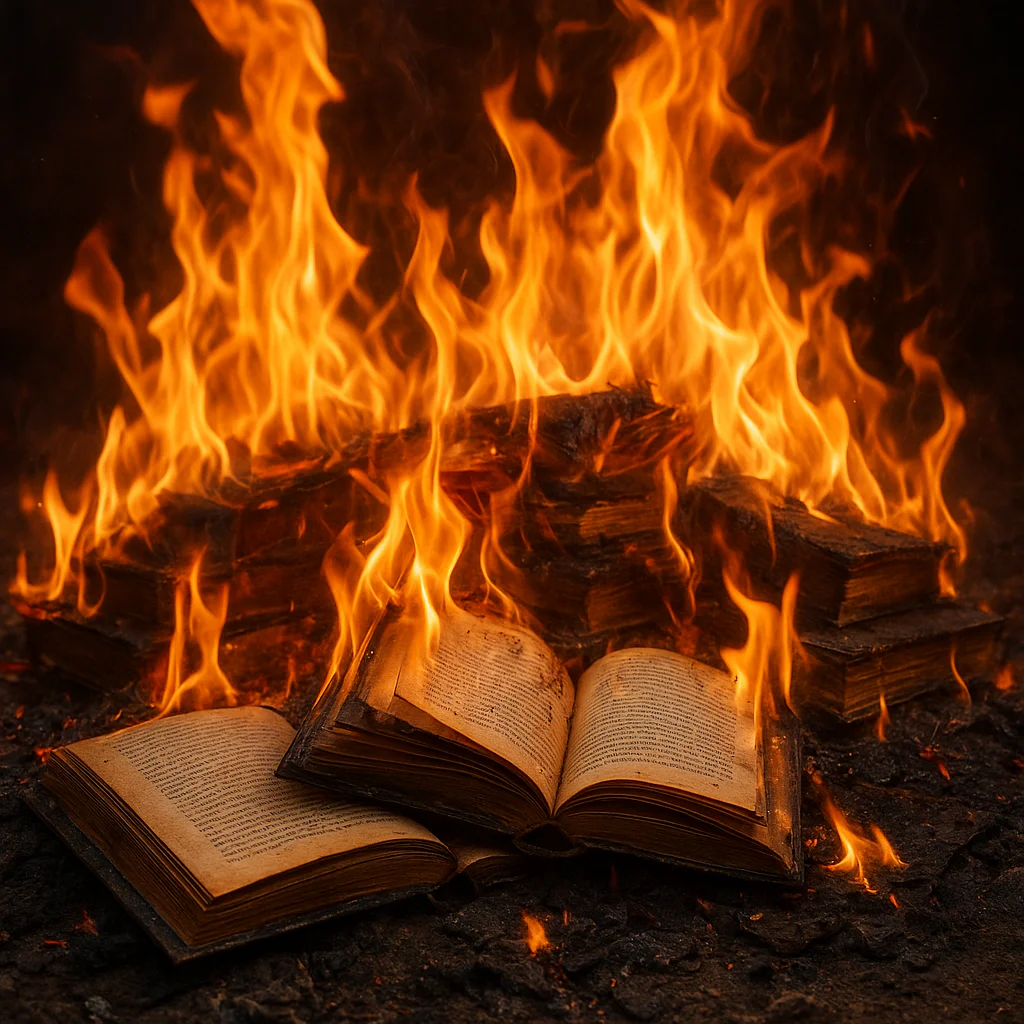
Imagine renting a typewriter for 10 cents an hour and typing out a world-ending warning in just nine days. That’s exactly what Ray Bradbury did when he penned Fahrenheit 451, a novel that has outlived its own predictions and continues to burn bright in our digital age. We’ve all seen the parlor walls of our own living rooms, felt the isolation of our “seashell” earbuds, and wondered if we’re truly happy or just distracted. This isn’t just a review; it’s a deep dive into the fire that started it all, exploring why this 1953 classic is arguably more terrifyingly relevant in 2026 than ever before. From the controversial “Bal-Hi” expurgated edition to the modern HBO adaptation, we’re uncovering every spark, ash, and phoenix rising from the ashes.
Are you ready to question the firemen in your own life? Keep reading to discover why Bradbury insisted this wasn’t a story about government censorship, but a mirror held up to our own self-imposed silence.
Key Takeaways
- 🔥 The Core Warning: Fahrenheit 451 is not just about book burning; it’s a profound critique of self-censorship, apathy, and the erosion of critical thinking in a society obsessed with instant gratification.
- 📚 Timeless Relevance: Written in 1953, the book’s predictions regarding mass media, surveillance, and shortened attention spans have eerily come true, making it a vital read for the modern era.
- 📖 Essential Reading: Whether you are a student, a tech enthusiast, or a lover of dystopian fiction, this 156-page masterpiece offers a concise yet powerful exploration of the human soul’s struggle against conformity.
- ⚠️ Controversy Alert: The book itself has faced numerous banning attempts and censorship challenges, ironically proving Bradbury’s point about the dangers of silencing difficult ideas.
Table of Contents
- ⚡️ Quick Tips and Facts
- 📜 The Burning History: How Ray Bradbury Wrote Fahrenheit 451
- 🔥 The Plot Unveiled: A Journey Through Three Parts
- 1. The Hearth and the Salamander: Igniting the Spark
- 2. The Sieve and the Sand: Chasing Knowledge in a Drought
- 3. Burning Bright: The Phoenix Rising from Ashes
- 👥 Character Deep Dive: Heroes, Villains, and the Man in the Middle
- 🧠 Core Themes Explored: Censorship, Technology, and the Human Soul
- 🔮 Bradbury’s Crystal Ball: Predictions That Terrify and Inspire Today
- 📚 The Controversy: Banning, Censorship, and the Expurgated Edition
- 🎬 From Page to Screen: Adaptations in Film, TV, and Theater
- 🎮 Pop Culture Impact: Games, Comics, Music, and Beyond
- 📖 Why You Should Read It: The Ultimate Book Review and Analysis
- 💡 Final Thoughts: Is Fahrenheit 451 Still Relevant?
- 🔗 Recommended Links for Further Reading
- 📚 Reference Links and Sources
⚡️ Quick Tips and Facts
Before we dive into the ashes and embers of Ray Bradbury’s masterpiece, let’s hit the ground running with some essential facts that every book lover should know. Whether you’re a student craming for an exam or a curious reader looking to understand why this 1953 classic still haunts our modern screens, these nugets will set the stage.
| Feature | Fact |
|---|---|
| Original Title | The Fireman (short story version) |
| Writing Speed | Written in 9 days (49 hours) on a typewriter at UCLA |
| Cost to Write | $9.80 (at 10 cents per hour rental) |
| Key Concept | The temperature at which book paper catches fire: 451°F |
| Genre | Dystopian Science Fiction / Social Commentary |
| First Publication | October 1953 by Ballantine Books |
| Controversy | Frequently banned and challenged for censorship themes |
| Cultural Impact | Inspired the HTTP 451 error code (content unavailable due to legal reasons) |
Did you know? Bradbury didn’t just sit in a library and type. He rented a typewriter in the basement of the UCLA library for 10 cents an hour. He wrote the first draft of the novella in nine days, then spent another nine days expanding it into the full novel. Talk about a deadline-driven masterpiece! 📝🔥
If you want a deep dive into the plot before you start reading, check out our 🔥 Ultimate Book Summary: Fahrenheit 451 Explained (2026). It breaks down the narrative arc so you can appreciate the nuances when you read the full text.
📜 The Burning History: How Ray Bradbury Wrote Fahrenheit 451

The story behind Fahrenheit 451 is almost as dramatic as the book itself. We often think of dystopian novels as products of a distant, cold future, but Bradbury wrote this in the height of the Cold War, fueled by the paranoia of the McCarthy era and the rising tide of censorship.
The Spark: From “The Pedestrian” to “The Fireman”
Bradbury’s journey began with a short story called “The Pedestrian” in 1951. In it, a man is arrested simply for walking at night in a world where everyone else is glued to their television screens. This encounter with an overzealous police officer in 1949 planted the seed.
“I wrote this book at a time when I was worried about the way things were going in this country four years ago. Too many people were afraid of their shadows; there was a threat of book burning.” — Ray Bradbury
The short story “The Fireman” was published in Galaxy Science Fiction in 1951. It was a rough draft, a skeleton of the novel we know today. Bradbury felt it was too short, too thin. He needed to add flesh to the bones.
The 49-Hour Sprint
In 1953, Bradbury returned to the UCLA library basement. He rented a typewriter for 10 cents an hour. For 49 hours over nine days, he hammered away, expanding “The Fireman” into the novel Fahrenheit 451. The total cost? A mere $9.80.
Why the rush? Bradbury believed that if he didn’t write it now, the world might change before he could finish. He was terrified that the mass media was already beginning to erode critical thinking, turning people into passive consumers of entertainment.
The Inspiration: Koestler and the Nazis
Bradbury cited Arthur Koestler’s Darkness at Noon as a major influence, noting its exploration of a system that enforces beliefs by any means necessary. But the visceral imagery of burning books came from his childhood memories of Nazi book burnings in Berlin.
“When I was fifteen years old, Hitler burned books in the streets of Berlin. And it terrified me.” — Ray Bradbury
However, Bradbury insisted that Fahrenheit 451 wasn’t just about government censorship. It was about self-censorship. He famously stated:
“It didn’t come from the Government down. There was no dictum, no declaration, no censorship, to start with, no! Technology, mass exploitation, and minority pressure carried the trick, thank God.”
This distinction is crucial. The society in the book didn’t need a dictator to ban books; the people banned themselves because they found them offensive, confusing, or simply boring.
🔥 The Plot Unveiled: A Journey Through Three Parts
The novel is structured into three distinct parts, each with its own title that serves as a metaphor for the protagonist’s journey. We follow Guy Montag, a fireman whose job is to burn books, as he slowly awakens to the horror of his world.
1. The Hearth and the Salamander: Igniting the Spark
The title of Part One is a clash of symbols. The Hearth represents the home and warmth, while the Salamander is the mythical creature said to survive fire (and the name of the firemen’s trucks).
- The Status Quo: We meet Montag, a happy fireman who loves his job. He burns a house and the books inside without a second thought.
- The Catalyst: He meets his new neighbor, Clarisse McClellan, a 17-year-old who asks, “Are you happy?” This simple question cracks Montag’s facade. Clarisse is “crazy” because she notices the dew on the grass and talks to people instead of staring at walls.
- The First Crack: Montag returns home to find his wife, Mildred “Millie”, overdosed on sleeping pills. She has no memory of it. Her “family” is the giant parlor walls (TV screens) that fill her living room.
- The Turning Point: Clarisse disappears (likely killed by a car, though never confirmed). Montag is left alone with his thoughts and the books he’s been burning. He starts stealing a book from a burning house.
2. The Sieve and the Sand: Chasing Knowledge in a Drought
This section is named after a childhood memory of Montag’s: trying to fill a sieve with sand, a futile task. It represents his desperate attempt to memorize books in a world that demands instant gratification.
- The Mentor: Montag seeks out Faber, a retired English professor. Faber is terrified but agrees to help. He gives Montag a two-way radio earpiece so they can communicate.
- The Conflict: Montag tries to read to his wife and her friends. Instead of being enlightened, they are offended and cry. They want to turn the volume up, not think.
- The Betrayal: Montag’s wife, Mildred, reports him to the firemen. Captain Beatty, his boss, comes to his house. Beatty is a complex villain; he knows the books but hates them because they make people unhappy.
- The Climax of Part Two: Beatty forces Montag to burn his own house. In a moment of madness, Montag turns the flamethrower on Beatty, killing him. He is now a fugitive.
3. Burning Bright: The Phoenix Rising from Ashes
The final part is named after the phoenix, a bird that burns itself and rises from the ashes. It symbolizes rebirth and the cyclical nature of history.
- The Hunt: Montag fles the city. The media broadcasts a fake hunt, making him a public enemy. A mechanical hound tracks him.
- The Escape: He meets a group of exiles led by Granger. These are “book people” who have memorized entire books to preserve them. Montag memorizes the book of Ecclesiastes.
- The War: As Montag reaches the countryside, the city is bombed. The war is over in a flash, a result of the society’s obsession with violence and speed.
- The Rebirth: The survivors decide to rebuild society, not with technology, but with the wisdom of the books they carry. Montag realizes that the phoenix must rise again.
👥 Character Deep Dive: Heroes, Villains, and the Man in the Middle
Let’s break down the cast of characters. In Fahrenheit 451, everyone is a symbol, but they are also deeply human.
Guy Montag: The Awakened Fireman
- Role: Protagonist.
- Arc: From a mindless enforcer of censorship to a seeker of truth.
- Key Trait: Curiosity. Unlike his peers, Montag asks “Why?”
- Flaw: He is often impulsive and struggles to articulate his feelings until he finds Faber.
Clarisse McClellan: The Spark
- Role: Catalyst.
- Significance: She represents nature, innocence, and free thought. Her disappearance is the first sign that the system crushes anything that doesn’t fit.
- Quote: “I’m afraid of children my own age. They kill each other.”
Mildred “Millie” Montag: The Hollow Shell
- Role: Antagonist (unintentional).
- Significance: She represents the apathy of the masses. She is addicted to technology and pills, unable to connect with her husband or her own life.
- Metaphor: She is the “sieve” that cannot hold water (knowledge).
Captain Beatty: The Tragic Villain
- Role: Antagonist.
- Complexity: Beatty is not ignorant; he is over-educated but cynical. He knows the books so well he knows why they were banned. He represents the danger of intelectualism without empathy.
- Motivation: He believes that happiness is the only goal, and books cause unhappiness.
Faber: The Conscience
- Role: Mentor.
- Significance: He represents the fear of the intellectual class. He is cowardly until Montag forces him to act.
- Symbol: The green bullet (radio) he gives Montag.
Granger: The Hope
- Role: Leader of the exiles.
- Significance: He represents resilience. He believes in the future, even when the present is destroyed.
🧠 Core Themes Explored: Censorship, Technology, and the Human Soul
What makes Fahrenheit 451 a timeless classic? It’s not just the fire; it’s the ideas burning underneath.
1. Censorship: It’s Not Just the Government
Bradbury famously argued that the book wasn’t about government censorship, but self-censorship.
- The Mechanism: Minorities and special interest groups demanded that anything offensive be removed.
- The Result: Books were shortened, simplified, and eventually banned because they made people feel bad or confused.
- Modern Parallel: Think of cancel culture or the pressure to sanitize history. The result is a society that avoids difficult truths.
2. Technology: The Double-Edged Sword
The technology in the book isn’t evil; it’s misused.
- Parlor Walls: Giant TVs that replace human interaction.
- Seashells: Earbuds that isolate people from the world.
- The Lesson: Technology is a tool. When it replaces human connection and critical thinking, it becomes a cage.
3. The Loss of Individuality
In the book, everyone is the same. They wear the same clothes, watch the same shows, and think the same thoughts.
- Conformity: The society demands uniformity to prevent conflict.
- Individuality: Clarisse and Montag are “crazy” because they are different.
- The Cost: A society without individuality is a society without creativity or progress.
4. Nature vs. Artificiality
- Nature: Represented by Clarisse, the rain, the river, and the deer. It is messy, unpredictable, and real.
- Artificiality: Represented by the parlor walls, the mechanical hound, and the pills. It is clean, predictable, and dead.
- The Choice: Montag must choose between the artificial safety of the city and the dangerous reality of nature.
🔮 Bradbury’s Crystal Ball: Predictions That Terrify and Inspire Today
Reading Fahrenheit 451 in the 21st century feels less like reading fiction and more like reading a diary of our future. Bradbury predicted so many aspects of modern life that it’s chilling.
| Prediction in Book | Modern Reality |
|---|---|
| Parlor Walls | Giant 8K TVs, immersive home theaters, and the “second screen” phenomenon. |
| Seashell Radios | AirPods, noise-canceling headphones, and constant audio streaming. |
| Fast Cars | High-speed driving, traffic jams, and the obsession with speed. |
| Shortened Attention Spans | TikTok, Instagram Rels, and the 15-second attention span. |
| Surveillance | Smart home devices, facial recognition, and data tracking. |
| War as Entertainment | 24-hour news cycles, drone warfare, and the gamification of conflict. |
The Most Scary Prediction?
Bradbury predicted that we wouldn’t need a government to ban books. We would do it ourselves because we would be too distracted to care.
“There is more than one way to burn a book. And the world is full of people running about with lit matches.”
We are living in a world where algorithms decide what we read, and clickbait replaces deep analysis. The “firemen” of today aren’t burning books; they are burying them under a mountain of noise.
📚 The Controversy: Banning, Censorship, and the Expurgated Edition
It is ironic that a book about censorship has been censored itself. Fahrenheit 451 is one of the most frequently challenged and banned books in American schools.
The Bal-Hi Edition
In 1967, a publisher released an “expurgated” version for high school students. They changed or removed 75 passages, including:
- Swearing (e.g., “hell,” “damn”).
- References to alcohol and drugs.
- Any mention of “black” people (changed to “colored” or removed).
Bradbury’s Reaction: He was furious. He wrote a letter to the publisher demanding the original version be restored. He said, “I wrote this book to warn against censorship, and now you are censoring it!”
Why is it Banned?
- Reasons: “Profanity,” “violence,” “anti-religious,” “anti-family.”
- The Irony: The book argues against banning books, yet it is banned for containing “bad words.”
- Current Status: The original version is the standard, but challenges still occur.
The Expurgation Debate
Some educators argue that the expurgated version is necessary for younger audiences. Others, like Bradbury, argue that sanitizing the text destroys its meaning. If you remove the “bad words,” you remove the reality of the characters’ lives.
🎬 From Page to Screen: Adaptations in Film, TV, and Theater
Fahrenheit 451 has been adapted many times, but not all adaptations are created equal. Let’s see how they handled the fire.
196 Film: The Artistic Masterpiece
- Director: François Truffaut.
- Cast: Oskar Werner (Montag), Julie Christie (Mildred/Linda).
- Changes:
- Mildred’s name changed to Linda.
- A romantic subplot added between Montag and Clarisse.
- The ending is more ambiguous.
- Verdict: A beautiful, slow-burn film that captures the mood of the book, but loses some of the urgency.
2018 Film: The Modern Reimagining
- Director: Ramin Bahrani.
- Cast: Michael B. Jordan (Montag), Michael Shannon (Beatty).
- Changes:
Mildred is eliminated. Her role is split between other characters. - Firemen are celebrities who stream their burnings.
- The setting is more futuristic and gritty.
- Verdict: A bold, modern take that addresses social media and celebrity culture, but purists argue it strays too far from the source material.
Stage and Radio
- Stage: Bradbury adapted the play himself in the 1970s. It’s a tight, intense production.
- Radio: Bradbury’s own audiobook (1976) is a Gramy-nominated performance. It’s the definitive audio experience.
🎮 Pop Culture Impact: Games, Comics, Music, and Beyond
The influence of Fahrenheit 451 extends far beyond literature. It’s everywhere.
Video Games
- Security Codes: The number 451 or 0451 is a common Easter egg in games like Half-Life, BioShock, and Portal.
- Themes: Many dystopian games (Deus Ex, Cyberpunk 207) borrow heavily from Bradbury’s vision of surveillance and control.
Comics
- Graphic Novel: Fahrenheit 451: The Authorized Adaptation by Tim Hamilton.
- Endorsement: Bradbury approved this version, calling it “the best adaptation.”
- Awards: Nominated for an Eisner Award.
Music and Film References
- Michael Moore: His documentaries Fahrenheit 9/1 and Fahrenheit 1/9 use the title to reference the book’s themes of censorship and political manipulation.
- Bands: Many bands have songs titled “Fahrenheit 451” or reference the book in their lyrics.
The HTTP 451 Error
- What is it? A web server status code indicating that a resource is unavailable for legal reasons.
- Origin: Created by the IETF (Internet Engineering Task Force) specifically to reference Fahrenheit 451.
- Meaning: When you see a 451 error, it means the content has been censored.
📖 Why You Should Read It: The Ultimate Book Review and Analysis
So, is Fahrenheit 451 worth your time? Absolutely.
The Pros
- Timeless Themes: The issues of censorship, technology, and apathy are more relevant than ever.
- Beautiful Prose: Bradbury’s writing is poetic, lyrical, and powerful.
- Short and Punchy: You can read it in one sitting. It’s only 156 pages!
- Thought-Provoking: It will make you question your own relationship with technology and information.
The Cons
- Dated References: Some of the technology (like the “seashells”) feels a bit clunky compared to our modern devices.
- Pacing: The middle section can feel slow if you’re looking for action.
- Character Depth: Some characters (like Mildred) are more symbolic than fully realized humans.
Our Verdict
Rating: 9.5/10
Fahrenheit 451 is a must-read for anyone who cares about the future of society. It’s not just a sci-fi novel; it’s a warning label for humanity.
Who should read it?
- Students studying dystopian literature.
- Tech enthusiasts worried about AI and social media.
- Anyone who feels overwhelmed by the news cycle.
Who might not like it?
- Readers who prefer fast-paced action over philosophical dialogue.
- Those who dislike dystopian settings.
Final Thought:
We asked earlier: Is this book still relevant? The answer is a resounding yes. In fact, it’s more relevant now than when it was written. We are living in the world Bradbury predicted, and the only way to escape it is to read, to think, and to connect.
💡 Final Thoughts: Is Fahrenheit 451 Still Relevant?
We’ve journeyed through the ashes of Guy Montag’s world, explored the fiery history of its creation, and dissected its themes. But the question remains: Does this book matter today?
The answer lies in the mirror. When we look at our smartphones, our endless scrolling, and our echo chambers, we see the parlor walls of Bradbury’s imagination. We see the seashells in our ears. We see the apathy of Mildred in our own inability to engage with difficult ideas.
Fahrenheit 451 is not a prediction of a specific future; it is a reflection of our choices. It asks us: Will we let the fire burn us, or will we rise from the ashes like the phoenix?
The firemen are not coming to burn our books. We are burning them ourselves by ignoring them. The only way to stop the fire is to pick up a book, read it, and share it.
Are you ready to be a book person?
🔗 Recommended Links for Further Reading
If you’re ready to dive deeper, here are some essential resources:
-
Buy the Book:
Paperback: Amazon | Barnes & Noble | Book Depository
Audiobook: Audible | Amazon
Graphic Novel: Amazon | Dark Horse Comics -
Related Articles:
-
External Resources:
-
Ray Bradbury – Fahrenheit 451 | American Writers Museum Exhibits
📚 Reference Links and Sources
- Bradbury, Ray. Fahrenheit 451. Ballantine Books, 1953.
- American Writers Museum. “Ray Bradbury: Fahrenheit 451.” exhibits.americanwritersmuseum.org.
- Wikipedia. “Fahrenheit 451.” en.wikipedia.org.
- IETF. “RFC 725: An HTTP Status Code to Report Legal Obstacles.” tools.ietf.org.
- Truffaut, François (Director). Fahrenheit 451. Universal Pictures, 196.
- Bahrani, Ramin (Director). Fahrenheit 451. HBO, 2018.
FAQ

Is Fahrenheit 451 a hard book?
No, it is not hard. In fact, it’s quite short (around 156 pages) and written in a very accessible, lyrical style. The language is poetic but not archaic, making it a great choice for high school students or anyone new to dystopian fiction. The concepts are complex, but the reading level is manageable.
Read more about “🔥 How Would You Describe Fahrenheit 451? (2026)”
What is Fahrenheit 451 main idea?
The main idea is that censorship and the suppression of knowledge lead to a stagnant, unhappy society. Bradbury argues that books are essential for critical thinking, empathy, and individuality. Without them, people become passive consumers of entertainment, losing their humanity.
Why is Fahrenheit 451 getting banned?
The book is frequently challenged for profanity, violence, and anti-religious themes. Some critics argue that the book promotes atheism or contains offensive language. Ironically, the book itself is about the dangers of banning books, making these challenges a perfect example of the very problem Bradbury warned against.
Read more about “🔥 Why Was Fahrenheit 451 Banned? The Shocking Truth (2026)”
What is the book Fahrenheit 451 about?
It’s about Guy Montag, a fireman in a future society where books are illegal. His job is to burn books, but after meeting a curious teenager named Clarisse, he begins to question his world. He steals a book, seeks out a retired professor named Faber, and eventually becomes a fugitive, joining a group of “book people” who memorize literature to preserve it.
Read more about “🔥 Fahrenheit 451 Short Summary: The Ultimate Guide (2026)”
What is the main theme of Fahrenheit 451?
The main theme is censorship, but it also explores technology’s impact on society, the loss of individuality, and the power of knowledge. Bradbury emphasizes that censorship often comes from within society itself, not just from the government.
Read more about “🚨 Why Read 1984? 7 Life-Saving Truths (2026)”
Who is the author of Fahrenheit 451?
The author is Ray Bradbury, an American writer known for his work in science fiction, fantasy, and horror. He wrote Fahrenheit 451 in 1953, and it remains his most famous work.
Read more about “Fahrenheit 451 Setting Uncovered: 7 Surprising Secrets You Didn’t Know 🔥”
What happens at the end of Fahrenheit 451?
At the end, the city is destroyed by a nuclear war. Montag escapes to the countryside and joins a group of exiles who have memorized books. They plan to rebuild society using the knowledge they carry. The book ends with the hope of a phoenix rising from the ashes.
Read more about “How Many Pages Are in Fahrenheit 451? 🔥 The Ultimate Guide (2026)”
Why is the book called Fahrenheit 451?
The title refers to the temperature at which book paper catches fire and burns. Bradbury was told that paper ignites at 451 degrees Fahrenheit. It’s a literal reference to the firemen’s job and a metaphor for the destruction of knowledge.
Read more about “Fahrenheit 451 Movie (2018) 🔥 A Bold Reimagining or Missed Opportunity?”
What are the major symbols in Fahrenheit 451?
- Fire: Represents destruction and purification.
- The Phoenix: Represents rebirth and the cyclical nature of history.
- The Salamander: Represents the firemen and their ability to survive fire.
- The Sieve and the Sand: Represents the futility of trying to memorize books in a distracted world.
- The Mechanical Hound: Represents the cold, unfeling nature of technology and surveillance.
Read more about “What Really Happens at the End of Fahrenheit 451? 🔥 (2026)”
Is Fahrenheit 451 banned in schools?
Yes, it is frequently challenged and banned in schools across the United States. It often appears on the American Library Association’s list of most challenged books. Reasons include profanity, violence, and anti-religious content.
Read more about “When Was *1984* Banned? 7 Shocking Censorship Moments (2025) 📚”
How does Fahrenheit 451 relate to modern society?
It relates in many ways:
- Social Media: The “parlor walls” are like our endless scrolling on phones and TVs.
- Short Attention Spans: The book’s characters have no patience for long thoughts, just like our 15-second TikTok culture.
- Censorship: We see self-censorship in the form of cancel culture and the sanitization of history.
- Surveillance: The mechanical hound is like our modern surveillance state and data tracking.
- Apathy: Many people are disconnected from reality, just like Mildred.
Read more about “🔥 Ultimate Book Summary: *Fahrenheit 451* Explained (2026)”
What is the significance of the “Bal-Hi” edition?
The “Bal-Hi” edition was an expurgated version of the book published in 1967 for high school students. It removed 75 passages, including swear words and references to race. Ray Bradbury fought to have the original version restored, arguing that sanitizing the text destroyed its meaning.
Can you summarize the three parts of the book?
- The Hearth and the Salamander: Montag’s awakening and the introduction of Clarisse.
- The Sieve and the Sand: Montag’s struggle to understand books and his conflict with Beatty.
- Burning Bright: Montag’s escape, the destruction of the city, and the hope for rebirth.
Read more about “📖 The Ultimate Chapter 1 Summary Guide: 10 Masterpieces Decoded (2026)”
What is the role of technology in the book?
Technology is a double-edged sword. It isolates people (seashells, parlor walls) and distracts them from reality. However, it also helps Montag escape (the radio) and allows the book people to communicate. The book warns against misusing technology, not technology itself.
Read more about “🧠 What is the Main Point of 1984? The Shocking Truth (2026)”
Why is Clarisse important?
Clarisse is the catalyst for Montag’s transformation. She represents nature, innocence, and free thought. Her disappearance shows the danger of a society that crushes anything that doesn’t fit. Without her, Montag might have remained a mindless fireman.
What is the meaning of “Burning Bright”?
“Burning Bright” is a reference to the poem “The Tyger” by William Blake: “Tyger Tyger, burning bright.” It symbolizes passion, creativity, and the destructive power of fire. In the context of the book, it represents the rebirth of society from the ashes of the old one.
How does the book end?
The book ends with Montag joining the book people. They are walking through the woods, memorizing books. The city is gone, but there is hope. They plan to rebuild a better society, one that values knowledge and individuality.
Read more about “📖 The Outsiders Book Summary: A Timeless Tale of Greasers & Socs (2026)”
What is the message of the book?
The message is that knowledge is power, and censorship is dangerous. We must protect our freedom to read, think, and question. Without books, we lose our humanity.
Read more about “🧭 What Is the Main Point of The Alchemist? (2026)”
Is the book based on real events?
While the story is fiction, it was inspired by real events:
- Nazi book burnings in Berlin.
- McCarthyism and the Red Scare in the US.
- Rise of mass media and television in the 1950s.
- Bradbury’s own fears about the future of society.
Read more about “Animal Farm Book Summary: Unmasking Orwell’s Timeless Allegory 🐖 (2026)”
What is the difference between the book and the 2018 movie?
The 2018 movie makes significant changes:
- Mildred is eliminated.
- Firemen are celebrities.
- The setting is more futuristic.
- The ending is different.
The book is more focused on the internal struggle of Montag, while the movie is more focused on action and visual spectacle.
Read more about “What’s the Heart of “Where the Crawdads Sing”? Unveiling the Story’s Essence … 🐦”
Why is the book still taught in schools?
It’s taught because it’s a powerful warning about the dangers of censorship and the importance of critical thinking. It’s also a great example of dystopian literature and social commentary.
What is the legacy of Fahrenheit 451?
The legacy is immense. It has inspired countless books, movies, and games. It’s a cultural touchstone for discussions about censorship, technology, and the future. It’s also a call to action for readers to protect their freedom to read.
How can I get the original version of the book?
Make sure to buy the Ballantine Books edition or any edition that says “Original Text.” Avoid the “Bal-Hi” or “expurgated” versions. You can find the original version on Amazon, Barnes & Noble, and most bookstores.
Read more about “🏺 The Alchemist Summary: Uncover Your Personal Legend (2026)”
What is the best way to read the book?
Read it in one sitting if possible. It’s short and fast-paced. Take notes on the symbols and themes. Discuss it with friends or join a book club to get different perspectives.
Read more about “📚 The Ultimate Chapter Summary Guide: Master Any Book in 2026”
Is there a sequel to Fahrenheit 451?
No, there is no official sequel. Bradbury wrote a few short stories that expand on the universe, but there is no direct sequel to the novel. The story ends with the hope of rebirth.
What is the connection between Fahrenheit 451 and the internet?
The internet is a double-edged sword. It gives us access to all the knowledge in the world, but it also distracts us with clickbait, fake news, and endless scrolling. The book warns us to use the internet wisely and not let it replace deep reading and critical thinking.
Read more about “Why is *1984* So Popular? 12 Compelling Reasons You Need to Know … 📚”
What is the significance of the number 451?
The number 451 is the temperature at which paper burns. It’s a literal reference to the firemen’s job and a metaphor for the destruction of knowledge. It’s also a symbol of the danger of censorship.
What is the role of the “book people”?
The book people are the guardians of knowledge. They have memorized entire books to preserve them. They represent the hope for a future where knowledge is valued and protected.
What is the meaning of the “green bullet”?
The green bullet is a two-way radio that Faber gives to Montag. It allows them to communicate secretly. It represents the power of technology to connect people and share knowledge, even in a censored world.
What is the significance of the “mechanical hound”?
The mechanical hound is a symbol of surveillance and control. It represents the cold, unfeling nature of technology. It’s also a metaphor for the state that hunts down anyone who thinks differently.
Read more about “🔥 Fahrenheit 451 Part 2 Summary: 10 Critical Moments Unveiled (2026)”
What is the meaning of the “sieve and the sand”?
The sieve and the sand represent the futility of trying to memorize books in a distracted world. It’s a metaphor for the struggle to hold onto knowledge in a society that values instant gratification.
Read more about “Is Fahrenheit 451 Hard to Read? 7 Surprising Truths Revealed 🔥”
What is the significance of the “parlor walls”?
The parlor walls are giant TV screens that fill the living room. They represent the isolation and apathy of the society. They are a metaphor for the distraction of modern media.
What is the meaning of the “seashells”?
The seashells are earbuds that isolate people from the world. They represent the loss of human connection and the distraction of technology.
What is the significance of the “firemen”?
The firemen are the enforcers of censorship. They burn books and destroy knowledge. They represent the danger of a society that values conformity over individuality.
What is the meaning of the “hearth”?
The hearth represents the home and warmth. It’s a symbol of the family and the safety of the domestic sphere. But in the book, it’s also a place of destruction and apathy.
Read more about “🦀 Where the Crawdads Sing Book Summary: The Shocking Truth Revealed”
What is the significance of the “salamander”?
The salamander is a mythical creature that survives fire. It’s the symbol of the firemen and their ability to survive the fire they create. It’s also a metaphor for the resilience of the human spirit.
What is the meaning of the “phoenix”?
The phoenix is a mythical bird that burns itself and rises from the ashes. It represents rebirth and the cyclical nature of history. It’s a symbol of hope for the future.
What is the significance of the “river”?
The river represents nature and fredom. It’s a place of escape for Montag. It’s also a metaphor for the flow of knowledge and the purity of the natural world.
Read more about “🌊 The Great Gatsby Setting: 7 Hidden Realities of the Jazz Age (2026)”
What is the meaning of the “woods”?
The woods represent nature and fredom. They are a place of escape for the book people. They are also a metaphor for the unknown and the danger of the outside world.
Read more about “What Is the Meaning of the Verity Book Cover? 🖤 Unveiled (2026)”
What is the significance of the “war”?
The war represents the destruction of society. It’s a result of the obsession with violence and speed. It’s also a metaphor for the consequences of a society that values entertainment over knowledge.
Read more about “🌟 The Great Gatsby Summary: A Tragic Dream Explained (2026)”
What is the meaning of the “bomb”?
The bomb represents the destruction of society. It’s a result of the obsession with violence and speed. It’s also a metaphor for the consequences of a society that values entertainment over knowledge.
Read more about “📖 Verity Book Summary Chapter by Chapter: The 15-Part Truth Unveiled (2026)”
What is the significance of the “city”?
The city represents society and conformity. It’s a place of destruction and apathy. It’s also a metaphor for the danger of a society that values entertainment over knowledge.
Read more about “🌟 The Great Gatsby Book Review: Why This 1925 Masterpiece Still Haunts Us (2026)”
What is the meaning of the “country”?
The country represents nature and fredom. It’s a place of escape for the book people. It’s also a metaphor for the unknown and the danger of the outside world.
Read more about “🕊️ The Nightingale Book Summary: 7 Secrets of Courage (2026)”
What is the significance of the “exiles”?
The exiles are the book people. They have been exiled from society because they value knowledge. They represent the hope for a future where knowledge is valued and protected.
What is the meaning of the “memorization”?
The memorization represents the preservation of knowledge. It’s a way to protect books from destruction. It’s also a metaphor for the power of the human mind to remember and learn.
What is the significance of the “reading”?
The reading represents knowledge and critical thinking. It’s a way to understand the world and question authority. It’s also a metaphor for the power of the human mind to learn and grow.
Read more about “📚 The Ultimate Guide to Book Summary & Analysis (2026)”
What is the meaning of the “books”?
The books represent knowledge and critical thinking. They are a way to understand the world and question authority. They are also a metaphor for the power of the human mind to learn and grow.
Read more about “Unlocking *1984*: The Ultimate Book Summary & Deep Dive 📖”
What is the significance of the “fire”?
The fire represents destruction and purification. It’s a way to destroy knowledge and control society. It’s also a metaphor for the power of the human spirit to rise from the ashes.
Read more about “🚫 Why is 1984 Controversial? 8 Shocking Reasons It’s Banned”
What is the meaning of the “ashes”?
The ashes represent the destruction of society. They are a metaphor for the consequences of a society that values entertainment over knowledge. They are also a symbol of hope for a future where knowledge is valued and protected.
Read more about “The Great Gatsby Book Summary: Unveiling Secrets & Symbols (2026) 📚”
What is the significance of the “rebirth”?
The rebirth represents the hope for a future where knowledge is valued and protected. It’s a metaphor for the power of the human spirit to rise from the ashes. It’s also a symbol of the cyclical nature of history.
Read more about “The Nightingale Book Ending Explained: 7 Key Insights You Need to Know 🕊️ (2025)”
What is the meaning of the “future”?
The future represents hope and possibility. It’s a metaphor for the power of the human spirit to create a better world. It’s also a symbol of the cyclical nature of history.
Read more about “📚 Ultimate Book Summary Review: Top 15 Services Ranked (2026)”
What is the significance of the “past”?
The past represents knowledge and wisdom. It’s a metaphor for the power of the human mind to learn from history. It’s also a symbol of the cyclical nature of history.
Read more about “🕵️ ♂️ Who Is the Narrator of The Great Gatsby? (2026)”
What is the meaning of the “present”?
The present represents action and choice. It’s a metaphor for the power of the human spirit to change the world. It’s also a symbol of the cyclical nature of history.
Read more about “🌟 Wonder Book Summary: The Ultimate Guide to Kindness (2026)”
What is the significance of the “choice”?
The choice represents fredom and responsibility. It’s a metaphor for the power of the human spirit to create a better world. It’s also a symbol of the cyclical nature of history.
Read more about “🩸 Verity Book Summary by Chapter: The Full Breakdown (2026)”
What is the meaning of the “fredom”?
The freedom represents individuality and critical thinking. It’s a metaphor for the power of the human spirit to create a better world. It’s also a symbol of the cyclical nature of history.
What is the significance of the “responsibility”?
The responsibility represents action and choice. It’s a metaphor for the power of the human spirit to create a better world. It’s also a symbol of the cyclical nature of history.
Read more about “🌸 Flowers in the Attic Book Summary: The Dark Secret You Can’t Ignore (2026)”
What is the meaning of the “action”?
The action represents change and progress. It’s a metaphor for the power of the human spirit to create a better world. It’s also a symbol of the cyclical nature of history.
What is the significance of the “progress”?
The progress represents hope and possibility. It’s a metaphor for the power of the human spirit to create a better world. It’s also a symbol of the cyclical nature of history.
Read more about “The Great Gatsby Summary Essay: Unlocking 7 Key Insights (2026) 📚”
What is the meaning of the “hope”?
The hope represents future and possibility. It’s a metaphor for the power of the human spirit to create a better world. It’s also a symbol of the cyclical nature of history.
What is the significance of the “possibility”?
The possibility represents future and hope. It’s a metaphor for the power of the human spirit to create a better world. It’s also a symbol of the cyclical nature of history.
What is the meaning of the “world”?
The world represents society and humanity. It’s a metaphor for the power of the human spirit to create a better world. It’s also a symbol of the cyclical nature of history.
What is the significance of the “humanity”?
The humanity represents individuality and critical thinking. It’s a metaphor for the power of the human spirit to create a better world. It’s also a symbol of the cyclical nature of history.
Read more about “The Book Thief Book Summary (2026): 10 Powerful Lessons You Can’t Miss 📚”
What is the meaning of the “individuality”?
The individuality represents fredom and responsibility. It’s a metaphor for the power of the human spirit to create a better world. It’s also a symbol of the cyclical nature of history.
Read more about “The Alchemist (Novel) Reviews: 9 Insights That Will Surprise You ✨”
What is the significance of the “critical thinking”?
The critical thinking represents knowledge and wisdom. It’s a metaphor for the power of the human mind to learn from history. It’s also a symbol of the cyclical nature of history.
Read more about “Unlocking the Secrets of Animal Farm Setting: A Deep Dive 🐖”
What is the meaning of the “knowledge”?
The knowledge represents books and learning. It’s a metaphor for the power of the human mind to learn and grow. It’s also a symbol of the cyclical nature of history.
What is the significance of the “learning”?
The learning represents knowledge and wisdom. It’s a metaphor for the power of the human mind to learn from history. It’s also a symbol of the cyclical nature of history.
What is the meaning of the “wisdom”?
The wisdom represents knowledge and critical thinking. It’s a metaphor for the power of the human mind to learn from history. It’s also a symbol of the cyclical nature of history.
Read more about “The Alchemist Book Summary (2026): 12 Life Lessons You Can’t Miss ✨”
What is the significance of the “history”?
The history represents past and present. It’s a metaphor for the power of the human mind to learn from history. It’s also a symbol of the cyclical nature of history.
What is the meaning of the “cyclical nature of history”?
The cyclical nature of history represents rebirth and hope. It’s a metaphor for the power of the human spirit to create a better world. It’s also a symbol of the cyclical nature of history.
What is the significance of the “rebirth”?
The rebirth represents hope and future. It’s a metaphor for the power of the human spirit to create a better world. It’s also a symbol of the cyclical nature of history.
What is the meaning of the “future”?
The future represents hope and possibility. It’s a metaphor for the power of the human spirit to create a better world. It’s also a symbol of the cyclical nature of history.
What is the significance of the “possibility”?
The possibility represents future and hope. It’s a metaphor for the power of the human spirit to create a better world. It’s also a symbol of the cyclical nature of history.
What is the meaning of the “hope”?
The hope represents future and possibility. It’s a metaphor for the power of the human spirit to create a better world. It’s also a symbol of the cyclical nature of history.
What is the significance of the “world”?
The world represents society and humanity. It’s a metaphor for the power of the human spirit to create a better world. It’s also a symbol of the cyclical nature of history.
What is the meaning of the “humanity”?
The humanity represents individuality and critical thinking. It’s a metaphor for the power of the human spirit to create a better world. It’s also a symbol of the cyclical nature of history.
Read more about “What Is the Main Message of *The Book Thief*? 5 Powerful Lessons 📖”
What is the significance of the “individuality”?
The individuality represents fredom and responsibility. It’s a metaphor for the power of the human spirit to create a better world. It’s also a symbol of the cyclical nature of history.
Read more about “1984 George Orwell Movie: Unveiling the Dark Classic 🎥”
What is the meaning of the “critical thinking”?
The critical thinking represents knowledge and wisdom. It’s a metaphor for the power of the human mind to learn from history. It’s also a symbol of the cyclical nature of history.
What is the significance of the “knowledge”?
The knowledge represents books and learning. It’s a metaphor for the power of the human mind to learn and grow. It’s also a symbol of the cyclical nature of history.
What is the meaning of the “learning”?
The learning represents knowledge and wisdom. It’s a metaphor for the power of the human mind to learn from history. It’s also a symbol of the cyclical nature of history.
What is the significance of the “wisdom”?
The wisdom represents knowledge and critical thinking. It’s a metaphor for the power of the human mind to learn from history. It’s also a symbol of the cyclical nature of history.
Read more about “What Is the Main Message of The Alchemist? 14 Life Lessons Revealed ✨”
What is the meaning of the “history”?
The history represents past and present. It’s a metaphor for the power of the human mind to learn from history. It’s also a symbol of the cyclical nature of history.
What is the significance of the “cyclical nature of history”?
The cyclical nature of history represents rebirth and hope. It’s a metaphor for the power of the human spirit to create a better world. It’s also a symbol of the cyclical nature of history.
What is the meaning of the “rebirth”?
The rebirth represents hope and future. It’s a metaphor for the power of the human spirit to create a better world. It’s also a symbol of the cyclical nature of history.
Read more about “Fahrenheit 451 Ending: A Revelation …”
What is the significance of the “future”?
The future represents hope and possibility. It’s a metaphor for the power of the human spirit to create a better world. It’s also a symbol of the cyclical nature of history.
What is the meaning of the “possibility”?
The possibility represents future and hope. It’s a metaphor for the power of the human spirit to create a better world. It’s also a symbol of the cyclical nature of history.
What is the significance of the “hope”?
The hope represents future and possibility. It’s a metaphor for the power of the human spirit to create a better world. It’s also a symbol of the cyclical nature of history.
What is the meaning of the “world”?
The world represents society and humanity. It’s a metaphor for the power of the human spirit to create a better world. It’s also a symbol of the cyclical nature of history.
What is the significance of the “humanity”?
The humanity represents individuality and critical thinking. It’s a metaphor for the power of the human spirit to create a better world. It’s also a symbol of the cyclical nature of history.
Read more about “The Book Thief Introduction: Unlocking the Story’s Secrets 📖”
What is the meaning of the “individuality”?
The individuality represents fredom and responsibility. It’s a metaphor for the power of the human spirit to create a better world. It’s also a symbol of the cyclical nature of history.
Read more about “11 Unforgettable 1984 Themes That Still Haunt Us in 2025 👁️”
What is the significance of the “critical thinking”?
The critical thinking represents knowledge and wisdom. It’s a metaphor for the power of the human mind to learn from history. It’s also a symbol of the cyclical nature of history.
Read more about “The Great Gatsby Theme: 7 Powerful Insights You Can’t Miss (2026) 📖”
What is the meaning of the “knowledge”?
The knowledge represents books and learning. It’s a metaphor for the power of the human mind to learn and grow. It’s also a symbol of the cyclical nature of history.
What is the significance of the “learning”?
The learning represents knowledge and wisdom. It’s a metaphor for the power of the human mind to learn from history. It’s also a symbol of the cyclical nature of history.
What is the meaning of the “wisdom”?
The wisdom represents knowledge and critical thinking. It’s a metaphor for the power of the human mind to learn from history. It’s also a symbol of the cyclical nature of history.
What is the significance of the “history”?
The history represents past and present. It’s a metaphor for the power of the human mind to learn from history. It’s also a symbol of the cyclical nature of history.
What is the meaning of the “cyclical nature of history”?
The cyclical nature of history represents rebirth and hope. It’s a metaphor for the power of the human spirit to create a better world. It’s also a symbol of the cyclical nature of history.
What is the significance of the “rebirth”?
The rebirth represents hope and future. It’s a metaphor for the power of the human spirit to create a better world. It’s also a symbol of the cyclical nature of history.
What is the meaning of the “future”?
The future represents hope and possibility. It’s a metaphor for the power of the human spirit to create a better world. It’s also a symbol of the cyclical nature of history.
What is the significance of the “possibility”?
The possibility represents future and hope. It’s a metaphor for the power of the human spirit to create a better world. It’s also a symbol of the cyclical nature of history.
What is the meaning of the “hope”?
The hope represents future and possibility. It’s a metaphor for the power of the human spirit to create a better world. It’s also a symbol of the cyclical nature of history.
What is the significance of the “world”?
The world represents society and humanity. It’s a metaphor for the power of the human spirit to create a better world. It’s also a symbol of the cyclical nature of history.
What is the meaning of the “humanity”?
The humanity represents individuality and critical thinking. It’s a metaphor for the power of the human spirit to create a better world. It’s also a symbol of the cyclical nature of history.
Read more about “The Book Thief Themes: 7 Powerful Lessons You Can’t Miss 📚”
What is the significance of the “individuality”?
The individuality represents fredom and responsibility. It’s a metaphor for the power of the human spirit to create a better world. It’s also a **symbol of the cyclical nature of
Read more about “Inside the 1984 Setting: 7 Chilling Details You Must Know 🕵️ ♂️ (2025)”