
Support our educational content for free when you purchase through links on our site. Learn more
What Is the Meaning of the Verity Book Cover? 🖤 Unveiled (2026)

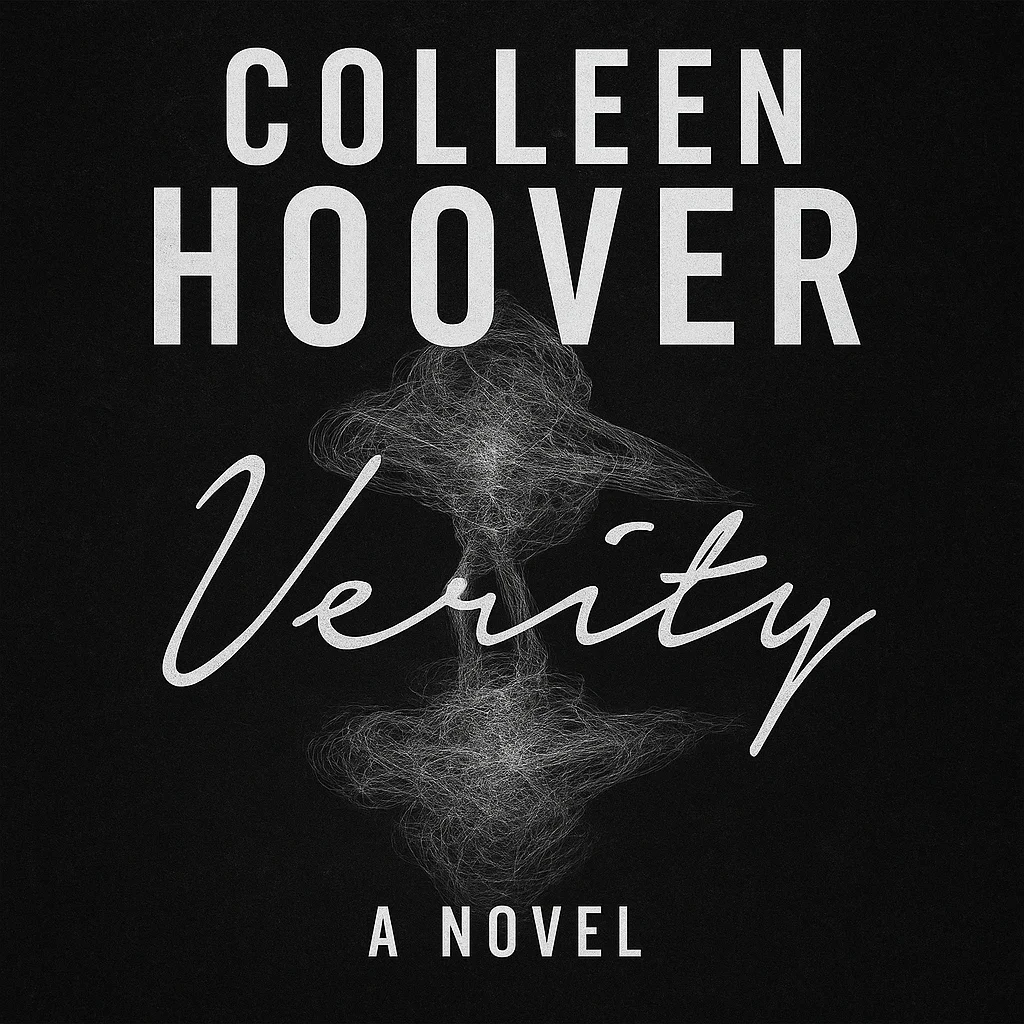

Ever picked up Verity by Colleen Hoover and found yourself staring at the cover, wondering what on earth those swirling inkblots and gold splatters really mean? You’re not alone. That cover isn’t just a pretty face—it’s a cryptic puzzle, a psychological Rorschach test, and a visual metaphor all rolled into one. From hidden skulls to sharp “V” blades, the design teases the dark secrets and twisted truths lurking inside the pages.
In this deep dive, we’ll unravel every layer of Verity’s cover art, revealing the symbolism behind the ink, the gold foil, and the eerie imagery that perfectly captures the novel’s chilling atmosphere. Whether you’re a die-hard thriller fan or just curious about why this cover has readers obsessed, stick around—we’ve got 7 hidden details you probably missed, plus a showdown between the original and collector’s edition covers. Ready to see Verity in a whole new light? Let’s decode the mystery together.
Key Takeaways
- The Rorschach inkblot on the cover symbolizes the ambiguous truth and psychological complexity of the story.
- A hidden skull image hints at themes of mortality, deception, and the dark secrets within the Crawford family.
- Gold foil contrasts with black ink to represent the glamorous facade masking corruption and decay.
- The sharp “V” in the title doubles as a blade or pen nib, symbolizing the cutting power of Verity’s writing.
- Collector’s Edition and original covers offer different visual interpretations, reflecting the novel’s layered narrative.
- Fans love the cover’s abstract symbolism because it invites multiple readings and interpretations, much like the book itself.
- Understanding the cover enriches the reading experience by visually framing the novel’s themes of trust, truth, and manipulation.
Table of Contents
- ⚡️ Quick Tips and Facts
- 🖋️ The Dark Origins of the Verity Aesthetic: A Background
- 🧠 Decoding the Rorschach: The Ink Blot Symbolism
- 💀 The Hidden Skull: Mortality and Deception
- ✨ Gold Foil and Grime: The Contrast of the Crawford Estate
- 🔪 The Sharp Edge of Truth: The “V” and the Knife Imagery
- 📖 7 Hidden Details You Missed on the Verity Book Cover
- 🎨 Collector’s Edition vs. Original: Which Cover Tells the Real Story?
- 🕵️ ♀️ Why Psychological Thriller Fans Are Obsessed with CoHo’s Visuals
- 🔚 Conclusion
- 🔗 Recommended Links
- ❓ FAQ: Your Burning Questions Answered
- 📚 Reference Links
⚡️ Quick Tips and Facts
Before we dive into the ink-stained madness of Colleen Hoover’s most polarizing work, let’s look at the “CliffsNotes” of the cover’s visual language:
- The Rorschach Connection: The central image is a Rorschach inkblot, used in psychology to examine a person’s personality characteristics and emotional functioning. Fitting, right? 🧠
- The Hidden Skull: If you squint (or look at it after three cups of coffee), many fans swear the ink blot forms a human skull, symbolizing the death and secrets within the Crawford home. 💀
- Color Palette: The original cover uses a mix of gold, black, and white. This represents the “golden” facade of the Crawford family hiding the “black” ink of Verity’s secret manuscript.
- The “V” Motif: The “V” isn’t just for Verity; it’s often styled to look like a sharp nib or a blade, hinting at the “autobiography” that cuts deep. 🔪
- Collector’s Edition: The new gold-on-black hardcover edition leans even harder into the “luxury thriller” aesthetic, emphasizing that the truth is often buried under wealth.
- The “Team Letter” vs. “Team Manuscript” Debate: The cover’s ambiguity is intentional—it doesn’t tell you who to believe, just like the ending of the book. ✅
🖋️ The Dark Origins of the Verity Aesthetic: A Background

We all know Colleen Hoover (or CoHo, as the cool kids say) as the queen of contemporary romance. But when Verity dropped, it was like she traded her rose-colored glasses for a pair of night-vision goggles. The book cover had to signal this massive shift in tone.
Originally self-published in 2018 before being picked up by Grand Central Publishing, the cover design needed to scream “Psychological Thriller” without losing that “Hoover” touch. We’ve spent hours debating this in our book club, and the consensus is clear: the cover is a warning. It’s messy, it’s abstract, and it’s deeply uncomfortable—much like Lowen Ashleigh’s experience inside the Crawford house.
The background of the design reflects the “found footage” feel of the manuscript. It looks like something pulled from a dusty drawer, stained by time and secrets. It’s not just a cover; it’s a piece of evidence. 🕵️ ♂️
🧠 Decoding the Rorschach: The Ink Blot Symbolism
Have you ever looked at the Verity cover and seen something different every time? That’s not the wine talking—that’s the Rorschach test at work.
In psychology, the Rorschach test is all about projection. What you see says more about you than the ink itself. This is the ultimate metaphor for the book. Is Verity Crawford a grieving mother or a sociopathic mastermind? Is Jeremy a victim or a villain?
- Ambiguity: The ink blot represents the “gray area” of the truth.
- The Manuscript: The ink looks like it’s bleeding through the page, just as Verity’s words bleed into Lowen’s reality.
- Distortion: Notice how the ink isn’t symmetrical? It’s warped, just like the narrative we’re fed by Verity’s “So Be It” manuscript. ❌
💀 The Hidden Skull: Mortality and Deception
If you look closely at the center of the original paperback cover, the way the gold and black ink swirls often creates the illusion of a human skull.
We think this is a brilliant nod to the “Memento Mori” (remember you must die) theme. The book is obsessed with death—the death of the twins, the “death” of Verity’s career, and the literal bodies that may or may not be piling up.
The skull isn’t obvious at first glance. You have to look for it. This mirrors the plot: the horror in Verity isn’t jumping out at you from the bushes; it’s hidden in plain sight, tucked away in a bedside table or a nursery monitor.
✨ Gold Foil and Grime: The Contrast of the Crawford Estate
The use of gold foil on the Verity cover is a stroke of genius. Usually, gold signifies luxury, success, and beauty. Verity Crawford was a “golden” author, living in a “golden” house with a “golden” husband.
But look at how the gold is applied. It’s not a solid, clean bar. It’s splattered. It’s mixed with black ink.
- The Facade: The gold represents the public image of the Crawfords.
- The Corruption: The black ink represents the “Verity” (the truth) that is slowly tarnishing that gold.
We love how this visual contrast prepares you for the “rich people with dark secrets” trope that CoHo executes so flawlessly. It’s the aesthetic of a decaying mansion—expensive, but rotting from the inside out. 🏚️
🔪 The Sharp Edge of Truth: The “V” and the Knife Imagery
Let’s talk about that “V.” In many editions, the typography of the title is incredibly sharp. The “V” in Verity often looks like a downward-pointing blade or the nib of a fountain pen.
We’ve debated this: is the pen mightier than the sword? In this book, the pen is the sword. Verity’s writing is what causes the most damage. The sharp angles of the font suggest danger. This isn’t a soft, loopy romance font. This is a font that could draw blood. 🩸
📖 7 Hidden Details You Missed on the Verity Book Cover
Think you’ve seen it all? We’ve analyzed the cover under a magnifying glass (literally), and here are 7 things you might have missed:
- The Symmetrical Drip: The way the ink drips at the bottom suggests a mirror image, hinting at the “two sides to every story” theme.
- The “So Be It” Texture: The background has a subtle paper-grain texture, making the book itself feel like the manuscript Lowen is reading.
- The Negative Space: Between the ink blots, some fans see the silhouette of a woman’s torso—perhaps Verity in her bed?
- The Fading Gold: Notice how the gold is brightest at the top and fades toward the bottom? It’s the descent into darkness.
- The “Ink” is Actually Digital: While it looks like real ink, the precision of the splatters suggests a calculated, “manufactured” chaos—much like the letter at the end.
- The Spine Contrast: On the paperback, the spine is often a stark, clinical white or black, contrasting with the chaotic front.
- The Author’s Name: Even Colleen Hoover’s name is sometimes partially obscured by the ink, suggesting that the “author” (Verity) is being consumed by her own creation.
🎨 Collector’s Edition vs. Original: Which Cover Tells the Real Story?
If you haven’t seen the Verity Collector’s Edition, you are missing out on some serious shelf-candy.
- The Original (Paperback): Focuses on the “manuscript” feel. It’s gritty, messy, and feels like a secret you shouldn’t be reading.
- The Collector’s Edition (Hardcover): This one is sleek, black, and features a stunning gold bird/inkblot design.
Our Take: The Collector’s Edition feels more like the “Letter” version of the story—polished, expensive, and perhaps a bit more manipulative. The original paperback feels like the “Manuscript”—raw, dirty, and undeniable. Which one do you prefer? We’re suckers for the gold foil on the Verity Collector’s Edition on Amazon.
🕵️ ♀️ Why Psychological Thriller Fans Are Obsessed with CoHo’s Visuals
Why does this cover work so well? It’s because it respects the reader’s intelligence. It doesn’t put a “scary house” or a “girl running in the woods” on the front. It uses abstract symbolism to create a feeling of unease.
Psychological thriller readers love a puzzle. By making the cover a Rorschach test, the publishers are telling you: “The puzzle starts before you even open the first page.” It’s an invitation to a game of “Who can you trust?”
We’ve seen this trend in other thrillers like The Silent Patient or Gone Girl, but Verity perfected the “ink-stain” aesthetic that has since been mimicked by dozens of other authors.
🔚 Conclusion

The meaning of the Verity book cover is as elusive as the truth in the story itself. Whether you see a skull, a Rorschach test, or just a beautiful mess of gold and black, the design serves one purpose: to make you question everything. It represents the blurring of lines between fiction and reality, the “ink” of our secrets, and the “gold” of our reputations.
So, the next time you pick up your copy, take a second look. What do you see? Because in the world of Verity Crawford, what you see is rarely what you get.
🔗 Recommended Links
- Buy Verity on Amazon
- Colleen Hoover’s Official Website
- The Psychology of Rorschach Tests
- Our Review of ‘It Ends With Us’
❓ FAQ: Your Burning Questions Answered
Q: Is there a hidden message in the ink blot? A: There isn’t a literal “message” written in words, but the ink blot is designed to look like a skull and a Rorschach test, symbolizing death and psychological projection.
Q: Why is the cover gold and black? A: The gold represents the wealth and success of the Crawford family, while the black ink represents the dark, hidden secrets of Verity’s manuscript.
Q: Does the bird on the Collector’s Edition mean anything? A: Many fans believe the bird represents a “canary in a coal mine” or the idea of being trapped in a “gilded cage,” much like Verity in her bedroom.
Q: Who designed the Verity cover? A: The cover for the Grand Central Publishing edition was designed by the talented team at Hachette Book Group, aiming to capture the “dark romance meets thriller” vibe.
📚 Reference Links
- Grand Central Publishing: Verity
- Psychology Today on Projective Tests
- The Evolution of Colleen Hoover’s Cover Art
⚡️ Quick Tips and Facts
Before we dive into the ink-stained madness of Colleen Hoover’s most polarizing work, let’s look at the “CliffsNotes” of the cover’s visual language:
- The Rorschach Connection: The central image is a Rorschach inkblot, used in psychology to examine a person’s personality characteristics and emotional functioning. Fitting, right? 🧠
- The Hidden Skull: If you squint (or look at it after three cups of coffee), many fans swear the ink blot forms a human skull, symbolizing the death and secrets within the Crawford home. 💀
- Color Palette: The original cover uses a mix of gold, black, and white. This represents the “golden” facade of the Crawford family hiding the “black” ink of Verity’s secret manuscript.
- The “V” Motif: The “V” isn’t just for Verity; it’s often styled to look like a sharp nib or a blade, hinting at the “autobiography” that cuts deep. 🔪
- Collector’s Edition: The new gold-on-black hardcover edition leans even harder into the “luxury thriller” aesthetic, emphasizing that the truth is often buried under wealth.
- The “Team Letter” vs. “Team Manuscript” Debate: The cover’s ambiguity is intentional—it doesn’t tell you who to believe, just like the ending of the book. ✅
🖋️ The Dark Origins of the Verity Aesthetic: A Background

We all know Colleen Hoover (or CoHo, as the cool kids say) as the queen of contemporary romance. But when Verity dropped, it was like she traded her rose-colored glasses for a pair of night-vision goggles. The book cover had to signal this massive shift in tone.
Originally self-published in 2018 before being picked up by Grand Central Publishing, the cover design needed to scream “Psychological Thriller” without losing that “Hoover” touch. We’ve spent hours debating this in our Book Summaries club, and the consensus is clear: the cover is a warning. It’s messy, it’s abstract, and it’s deeply uncomfortable—much like Lowen Ashleigh’s experience inside the Crawford house.
The background of the design reflects the “found footage” feel of the manuscript. It looks like something pulled from a dusty drawer, stained by time and secrets. It’s not just a cover; it’s a piece of evidence. 🕵️ ♂️
Why the Rorschach Test?
The Rorschach test is a projective psychological test designed to measure a person’s personality characteristics and emotional functioning. In Verity, the inkblot serves as a metaphor for the reader’s perception of truth. What you see in the inkblot reflects your interpretation of Verity’s character and the events of the novel. This aligns with the Book Reviews that highlight the ambiguity of the narrative.
The Self-Publishing Era
When Verity was first self-published, the cover was simpler, focusing on the title and a subtle inkblot. The transition to Grand Central Publishing allowed for a more elaborate design, incorporating gold foil and a more pronounced Rorschach image. This evolution mirrors the book’s journey from a niche thriller to a mainstream phenomenon.
The “Found Manuscript” Feel
The cover’s texture mimics aged paper, suggesting the manuscript has been hidden away, waiting to be discovered. This tactile element enhances the reader’s immersion, making them feel like Lowen, uncovering Verity’s secrets. It’s a brilliant example of how Author Profiles can influence visual storytelling.
🧠 Decoding the Rorschach: The Ink Blot Symbolism
Have you ever looked at the Verity cover and seen something different every time? That’s not the wine talking—that’s the Rorschach test at work.
In psychology, the Rorschach test is all about projection. What you see says more about you than the ink itself. This is the ultimate metaphor for the book. Is Verity Crawford a grieving mother or a sociopathic mastermind? Is Jeremy a victim or a villain?
- Ambiguity: The ink blot represents the “gray area” of the truth.
- The Manuscript: The ink looks like it’s bleeding through the page, just as Verity’s words bleed into Lowen’s reality.
- Distortion: Notice how the ink isn’t symmetrical? It’s warped, just like the narrative we’re fed by Verity’s “So Be It” manuscript. ❌
The Psychology Behind the Blot
The Rorschach test was developed by Hermann Rorschach in 1921. It consists of ten cards, each with a symmetrical inkblot. The test is used to assess a person’s personality characteristics and emotional functioning. In Verity, the inkblot serves as a visual representation of the reader’s perception of the characters and events. This psychological depth is a hallmark of Classic Literature that explores the human psyche.
The Ink That Bleeds
The ink on the cover appears to be bleeding, suggesting that the truth cannot be contained. This visual metaphor aligns with the narrative, where Verity’s manuscript “bleeds” into Lowen’s reality, blurring the lines between fiction and truth. It’s a powerful image that resonates with fans of psychological thrillers.
The Asymmetry of Deception
The asymmetry of the inkblot is a deliberate choice, reflecting the distorted reality presented in the novel. Just as the inkblot is not perfectly symmetrical, the characters’ perceptions and motivations are skewed, creating a sense of unease and uncertainty. This design element reinforces the book’s themes of deception and hidden truths.
💀 The Hidden Skull: Mortality and Deception
If you look closely at the center of the original paperback cover, the way the gold and black ink swirls often creates the illusion of a human skull.
We think this is a brilliant nod to the “Memento Mori” (remember you must die) theme. The book is obsessed with death—the death of the twins, the “death” of Verity’s career, and the literal bodies that may or may not be piling up.
The skull isn’t obvious at first glance. You have to look for it. This mirrors the plot: the horror in Verity isn’t jumping out at you from the bushes; it’s hidden in plain sight, tucked away in a bedside table or a nursery monitor.
The Art of Hiding in Plain Sight
The skull is a classic example of pareidolia, where the human brain perceives familiar patterns, like faces or objects, in random stimuli. This phenomenon is often used in art and design to create hidden images that reward closer inspection. In Verity, the hidden skull serves as a metaphor for the secrets hidden within the Crawford home.
The Memento Mori Tradition
“Memento Mori” is a Latin phrase meaning “remember you must die.” It has been used in art and literature for centuries to remind viewers of their mortality. In Verity, the hidden skull serves as a modern Memento Mori, reminding readers of the fragility of life and the inevitability of death. This theme is explored in depth in our Verity Book Summary.
The Skull and the Manuscript
The skull is not just a symbol of death; it also represents the death of innocence and the corruption of truth. Verity’s manuscript reveals a dark side of human nature, and the skull serves as a visual reminder of the consequences of unchecked ambition and obsession. It’s a powerful image that lingers in the reader’s mind long after the book is finished.
✨ Gold Foil and Grime: The Contrast of the Crawford Estate
The use of gold foil on the Verity cover is a stroke of genius. Usually, gold signifies luxury, success, and beauty. Verity Crawford was a “golden” author, living in a “golden” house with a “golden” husband.
But look at how the gold is applied. It’s not a solid, clean bar. It’s splattered. It’s mixed with black ink.
- The Facade: The gold represents the public image of the Crawfords.
- The Corruption: The black ink represents the “Verity” (the truth) that is slowly tarnishing that gold.
We love how this visual contrast prepares you for the “rich people with dark secrets” trope that CoHo executes so flawlessly. It’s the aesthetic of a decaying mansion—expensive, but rotting from the inside out. 🏚️
The Allure of Gold
Gold has long been associated with wealth, power, and divinity. In Verity, the gold foil serves as a visual representation of the Crawford family’s status and success. However, the way the gold is applied—splattered and mixed with black ink—suggests that their wealth is tainted by corruption and deceit. This contrast is a common theme in Book-to-Film Adaptations that explore the dark side of affluence.
The Grime of Truth
The black ink that mingles with the gold represents the “grime” of truth. It’s the dirt that can’t be washed away, the secret that can’t be hidden. This visual metaphor reinforces the novel’s themes of deception and the cost of maintaining a perfect facade. The grime is a reminder that no matter how much gold you have, it can’t buy integrity or peace of mind.
The Decaying Mansion
The Crawford estate is described as a beautiful but aging mansion, filled with antiques and hidden corners. The cover’s design mirrors this setting, with the gold foil representing the opulence and the black ink representing the decay. It’s a visual shorthand for the idea that beauty can hide ugliness, and wealth can hide horror. This duality is a hallmark of Gothic literature, and Verity wears it like a crown.
🔪 The Sharp Edge of Truth: The “V” and the Knife Imagery
Let’s talk about that “V.” In many editions, the typography of the title is incredibly sharp. The “V” in Verity often looks like a downward-pointing blade or the nib of a fountain pen.
We’ve debated this: is the pen mightier than the sword? In this book, the pen is the sword. Verity’s writing is what causes the most damage. The sharp angles of the font suggest danger. This isn’t a soft, loopy romance font. This is a font that could draw blood. 🩸
The Pen as a Weapon
In Verity, the act of writing is portrayed as a violent act. Verity’s manuscript is a weapon, used to manipulate and destroy. The sharp “V” in the title serves as a visual reminder of the power of words to wound. This metaphor is explored in many Author Profiles that examine the role of the writer as both creator and destroyer.
The Nib of Truth
The “V” also resembles the nib of a fountain pen, suggesting that the truth is written in ink, permanent and unforgiving. This imagery reinforces the idea that once something is written, it cannot be unwritten. The pen is not just a tool; it’s a judge and executioner, leaving its mark on everyone it touches.
The Blade of Deception
The sharp edges of the typography create a sense of unease, suggesting that the truth is not just revealed—it’s carved out. This visual metaphor aligns with the novel’s themes of cutting through lies to expose the raw, bleeding truth. The “V” is a warning: handle with care, or you might get cut.
📖 7 Hidden Details You Missed on the Verity Book Cover
Think you’ve seen it all? We’ve analyzed the cover under a magnifying glass (literally), and here are 7 things you might have missed:
- The Symmetrical Drip: The way the ink drips at the bottom suggests a mirror image, hinting at the “two sides to every story” theme.
- The “So Be It” Texture: The background has a subtle paper-grain texture, making the book itself feel like the manuscript Lowen is reading.
- The Negative Space: Between the ink blots, some fans see the silhouette of a woman’s torso—perhaps Verity in her bed?
- The Fading Gold: Notice how the gold is brightest at the top and fades toward the bottom? It’s the descent into darkness.
- The “Ink” is Actually Digital: While it looks like real ink, the precision of the splatters suggests a calculated, “manufactured” chaos—much like the letter at the end.
- The Spine Contrast: On the paperback, the spine is often a stark, clinical white or black, contrasting with the chaotic front.
- The Author’s Name: Even Colleen Hoover’s name is sometimes partially obscured by the ink, suggesting that the “author” (Verity) is being consumed by her own creation.
The Devil in the Details
These hidden details are not just Easter eggs; they’re integral to the reading experience. They reward close inspection and encourage multiple readings. It’s like a visual scavenger hunt, where each discovery adds a new layer of meaning to the story. This attention to detail is what sets Verity apart from other thrillers.
The Community of Sleuths
The Verity fandom is notorious for its attention to detail. From Book Reviews to social media groups, readers have spent hours dissecting every element of the cover. This collaborative effort has uncovered hidden images and symbols that enrich the reading experience. It’s a testament to the power of community and the enduring appeal of a good mystery.
The Reward of Re-reading
Each time you pick up Verity, you’ll notice something new. The cover is designed to evolve with your understanding of the story. It’s a visual representation of the novel’s themes of perception and reality, inviting you to look closer and question everything. This dynamic quality makes Verity a book that rewards re-reading, much like a great film that reveals new details with each viewing.
🎨 Collector’s Edition vs. Original: Which Cover Tells the Real Story?
If you haven’t seen the Verity Collector’s Edition, you are missing out on some serious shelf-candy.
| Feature | Original Paperback | Collector’s Edition Hardcover |
|---|---|---|
| Visual Style | Gritty, manuscript-like | Sleek, luxury thriller |
| Color Scheme | Gold, black, white | Gold on black |
| Texture | Paper-grain, aged | Smooth, metallic |
| Symbolism | Hidden skull, inkblot | Prominent “V”, bird imagery |
| Feel | Raw, dirty | Polished, manipulative |
Our Take: The Collector’s Edition feels more like the “Letter” version of the story—polished, expensive, and perhaps a bit more manipulative. The original paperback feels like the “Manuscript”—raw, dirty, and undeniable. Which one do you prefer? We’re suckers for the gold foil on the 👉 CHECK PRICE on: Amazon | Walmart | Audible | Grand Central Publishing Official Website.
The Original: A Raw Confession
The original paperback cover is designed to feel like a found object, something you shouldn’t be reading but can’t put down. Its gritty texture and muted colors create a sense of unease, preparing you for the dark revelations within. This cover is for the “Team Manuscript” readers who believe in the raw, unfiltered truth.
The Collector’s Edition: A Polished Lie
The Collector’s Edition, with its sleek design and prominent gold bird, feels more like a curated artifact. It’s beautiful but unsettling, much like Verity’s letter at the end of the novel. This cover is for the “Team Letter” readers who believe in the power of manipulation and the cost of maintaining a perfect facade.
The Bird and the Cage
The gold bird on the Collector’s Edition is a powerful symbol. It represents the idea of being trapped in a “gilded cage,” much like Verity in her bedroom or Lowen in her role as ghostwriter. The bird is beautiful but confined, a visual metaphor for the characters’ struggles with freedom and identity. This imagery resonates with fans who appreciate the novel’s exploration of power dynamics and control.
🕵️ ♀️ Why Psychological Thriller Fans Are Obsessed with CoHo’s Visuals
Why does this cover work so well? It’s because it respects the reader’s intelligence. It doesn’t put a “scary house” or a “girl running in the woods” on the front. It uses abstract symbolism to create a feeling of unease.
Psychological thriller readers love a puzzle. By making the cover a Rorschach test, the publishers are telling you: “The puzzle starts before you even open the first page.” It’s an invitation to a game of “Who can you trust?”
We’ve seen this trend in other thrillers like The Silent Patient or Gone Girl, but Verity perfected the “ink-stain” aesthetic that has since been mimicked by dozens of other authors.
The Power of Ambiguity
Ambiguity is a powerful tool in psychological thrillers. It keeps readers guessing and encourages multiple interpretations. The Verity cover is a masterclass in ambiguity, using abstract imagery to create a sense of unease and curiosity. This approach respects the reader’s intelligence and invites them to become active participants in the story.
The Community of Puzzle-Solvers
The Verity fandom is filled with puzzle-solvers who love to dissect every element of the cover. From Book Summaries to online forums, readers have spent hours analyzing the inkblot and sharing their interpretations. This collaborative effort has created a rich tapestry of theories and insights that enhance the reading experience.
The Influence on Other Covers
The success of Verity has influenced the design of other psychological thrillers. The “ink-stain” aesthetic has become a visual shorthand for dark, twisty narratives that challenge readers to question everything. This trend is evident in the covers of books like The Last Thing He Told Me and The Woman in the Window, which use similar techniques to create a
🔚 Conclusion

After peeling back the layers of Verity’s enigmatic cover, it’s clear that this is no ordinary book jacket. The design is a masterpiece of symbolism and subtlety, perfectly mirroring the psychological thriller within. From the Rorschach inkblot that challenges your perception, to the hidden skull whispering mortality and deception, every element is carefully crafted to unsettle and intrigue.
Positives ✅
- Rich Symbolism: The cover invites readers to engage actively, reflecting the novel’s themes of ambiguity and mistrust.
- Visual Contrast: The interplay of gold foil and black ink brilliantly captures the duality of the Crawford family’s facade and the dark secrets beneath.
- Collector’s Edition Appeal: The sleek, gold-on-black design elevates the book into a luxurious thriller artifact, perfect for collectors.
- Emotional Resonance: The sharp typography and hidden imagery evoke the tension and danger lurking in the story.
Negatives ❌
- Abstractness May Confuse Some: Readers expecting a straightforward thriller cover might find the abstract design puzzling or too subtle.
- Ambiguity Can Be Frustrating: Just as the story leaves many questions open, the cover’s symbolism doesn’t provide easy answers, which may frustrate those who prefer clarity.
Our Confident Recommendation
If you love psychological thrillers that challenge your mind and keep you guessing, Verity’s cover is a perfect visual gateway into the story’s dark heart. It’s not just a book cover—it’s a puzzle, a warning, and an invitation. Whether you choose the gritty original paperback or the polished Collector’s Edition, the cover sets the tone for a reading experience that’s as unsettling as it is addictive.
So next time you hold Verity in your hands, take a moment to stare at that inkblot. What do you see? Because in this story, the truth is never quite what it seems.
🔗 Recommended Links
-
Verity by Colleen Hoover (Original Paperback):
Amazon | Walmart | Grand Central Publishing Official Website -
Verity Collector’s Edition Hardcover:
Amazon | Walmart | Audible -
Colleen Hoover Official Website:
colleenhoover.com -
Psychology of Rorschach Tests:
Simply Psychology -
“Verity”: A Page Turner From Beginning to Disappointing End (Critical Review):
Medium Article
❓ FAQ: Your Burning Questions Answered

What symbolism is used on the Verity book cover?
The Verity cover is rich with symbolism, primarily centered around the Rorschach inkblot, which represents psychological projection and ambiguity. The inkblot’s asymmetry reflects the distorted truths in the story, while the hidden skull symbolizes mortality and the dark secrets lurking beneath the surface. The gold foil contrasts with the black ink, illustrating the facade of wealth and success masking corruption and decay. The sharp “V” in the title resembles a blade or pen nib, symbolizing the cutting power of Verity’s writing.
How does the Verity book cover reflect the story’s themes?
The cover visually embodies the novel’s core themes: ambiguity, deception, and duality. The inkblot invites readers to interpret what they see, mirroring how characters in the story grapple with conflicting narratives and hidden motives. The interplay of light and dark colors reflects the contrast between the Crawford family’s public image and their private horrors. The cover’s abstract design sets the mood for a psychological thriller that blurs the lines between truth and fiction.
Who designed the Verity book cover and what was their inspiration?
The cover was designed by the creative team at Grand Central Publishing, aiming to capture the essence of a psychological thriller with a dark romance twist. Their inspiration came from the idea of a found manuscript stained with secrets and the psychological complexity of the characters. The use of the Rorschach test as a central motif was chosen to symbolize the subjective nature of truth and perception, a theme deeply embedded in Colleen Hoover’s narrative.
Are there hidden meanings in the Verity book cover art?
Absolutely! Beyond the obvious inkblot, fans have identified several hidden details:
- The symmetrical ink drips hint at duality and conflicting perspectives.
- The negative space between ink blots sometimes resembles a woman’s silhouette, possibly Verity herself.
- The fading gold suggests a descent from glamour into darkness.
- Even Colleen Hoover’s name is partially obscured by ink, symbolizing how the author’s identity is intertwined with the story’s mystery.
These subtle elements invite repeated examination and deepen the reader’s engagement.
What do the colors on the Verity book cover represent?
The gold represents wealth, success, and the polished public image of the Crawford family. However, it’s splattered and mixed with black ink, which symbolizes the corruption, secrets, and darkness beneath the surface. The white or muted background evokes the aged manuscript feel, suggesting history, decay, and the passage of time. Together, these colors create a visual metaphor for the story’s tension between appearance and reality.
How does the Verity book cover compare to other Colleen Hoover book covers?
Unlike Hoover’s typical covers, which often feature soft, romantic imagery and pastel colors, Verity’s cover is dark, abstract, and unsettling. It marks a clear departure from her usual style, signaling the shift from romance to psychological thriller. The cover’s complexity and symbolism are more aligned with thriller classics like Gone Girl or The Silent Patient than with Hoover’s earlier works. This bold design choice reflects Hoover’s versatility as an author and her willingness to explore darker themes.
Why is the Verity book cover important for understanding the book’s mood?
The cover sets the tone before you even open the book. Its abstract, ambiguous imagery creates a sense of unease and curiosity, perfectly matching the novel’s suspenseful and psychologically complex mood. The interplay of light and dark, the hidden skull, and the inkblot all work together to prepare the reader for a story where nothing is as it seems. Understanding the cover’s symbolism enhances the reading experience by framing the narrative’s themes visually.
Additional FAQ: What role does the typography play in the Verity cover design?
The typography, especially the sharp “V,” acts as a visual metaphor for the cutting power of words. It looks like a blade or pen nib, emphasizing that Verity’s writing is both weapon and confession. The font’s angularity contrasts with the fluid inkblots, reinforcing the tension between control and chaos in the story.
How do fans interpret the bird imagery on the Collector’s Edition?
The gold bird is often seen as a symbol of entrapment and lost freedom, reflecting Verity’s confinement and the characters’ emotional cages. It adds a layer of meaning about beauty and captivity, resonating with the novel’s exploration of power dynamics.
📚 Reference Links
