Support our educational content for free when you purchase through links on our site. Learn more
📖 Verity Book Summary: Ending Explained (2026)

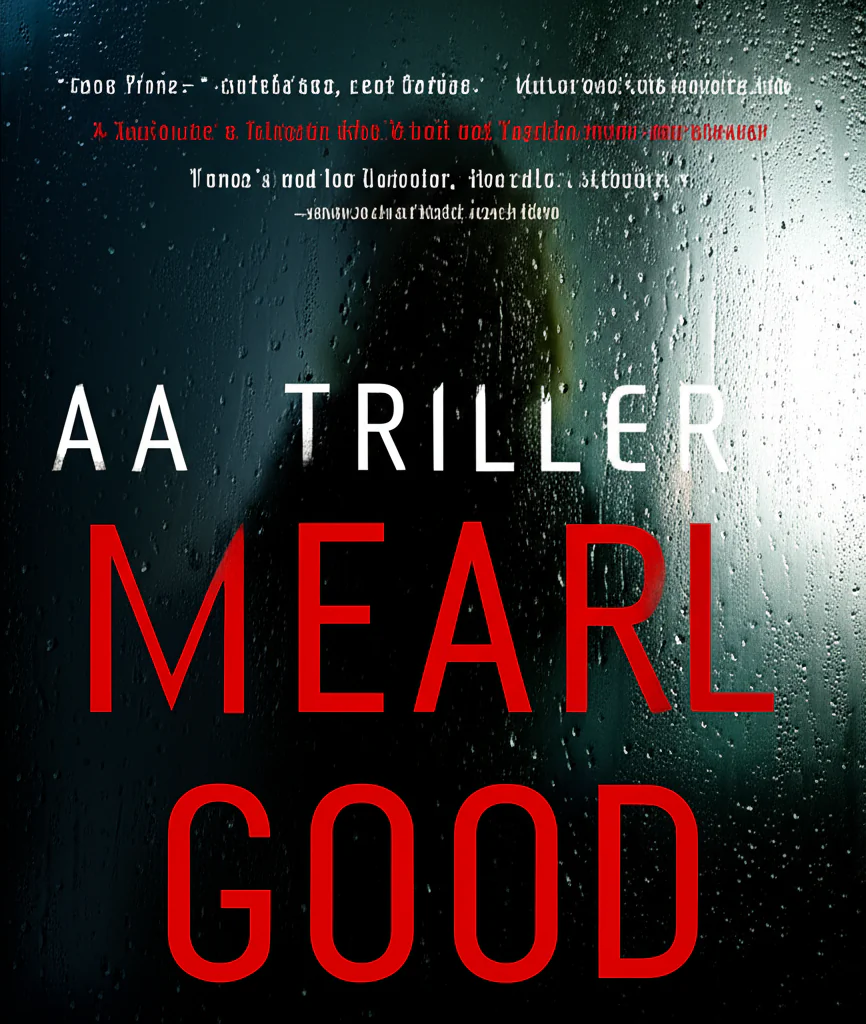
The quickest verity book summary is this: Lowen Ashleigh discovers a disturbing manuscript that appears to reveal Verity Crawford’s darkest secrets, but a hidden letter later claims the manuscript was only fictional research. The truth remains deliberately uncertain, and Lowen’s final choice makes the mystery even more morally tangled.
Colen Hoover’s standalone psychological thriller blends domestic suspense, dark romance, grief, and literary deception. We recommend it if you enjoy fast-paced books with unreliable narrators and endings that send readers straight to the group chat—but the child-loss themes, violence, and explicit sexual content deserve a clear warning.
We still remember finishing the final pages and immediately asking, “Wait… which document am I supposed to believe?” That is Verity’s wicked little trick: the manuscript may be a confession, the letter may be a desperate defense, and Lowen may be the person most determined to keep us from finding out.
🔑 Key Takeaways
- Lowen is hired to finish Verity’s bestselling book series after Verity is severely injured.
- The manuscript “So Be It” appears to confess to horrifying acts, including the deaths of Verity’s twin daughters.
- A hidden letter offers the opposite explanation, claiming the manuscript was fictional villain research.
- Jeremy’s actions become central to the moral mystery, especially after Verity’s death.
- Lowen is not a neutral narrator; attraction, ambition, fear, and self-interest shape her decisions.
- The ending is intentionally ambiguous, leaving readers to decide whether Verity was a murderer, a victim, or both.
- Our recommendation: Read Verity for its compulsive suspense and shocking twists, but expect uneven character development and a conclusion designed to provoke debate.
Table of Contents
- ⚡️ Quick Tips and Facts About Verity
- 📚 At a Glance: Genre, Publication, and Page Count
- 🚨 Spoiler Warning and Reading Guide
- 📖 Verity Book Summary
- ✍️ The Premise: Lowen Ashleigh Gets a Career-Changing Offer
- 🏠 Lowen Arrives at the Crawford Family Home
- 📝 The Shocking Autobiography Manuscript
- 💔 Jeremy, Crew, and the Crawford Family Secrets
- 🩸 The Final Revelations and Aftermath
- 🔍 Verity Ending Explained: What Really Happened?
- 📄 The Letter: Confession, Cover-Up, or Final Manipulation?
- 🧩 Was Verity Truly Evil or Misunderstood?
- ⚖️ Did Jeremy Kill Verity for the Right Reasons?
- ❓ The Biggest Unanswered Questions
- 🎭 The Most Convincing Fan Theories
- 👥 Verity Characters and Character Analysis
- 🖋️ Lowen Ashleigh: An Unreliable Narrator?
- 🕯️ Verity Crawford: Villain, Victim, or Both?
- 🧔 Jeremy Crawford: Grieving Husband or Hidden Threat?
- 🧒 Crew Crawford and the Impact of Childhood Trauma
- 👧 The Crawford Children and Their Role in the Mystery
- 🧠 Major Themes in Verity
- 🎭 Truth, Lies, and Deception
- 📚 Authorship, Ambition, and Literary Exploitation
- 💍 Marriage, Obsession, and Betrayal
- 👩 👧 Motherhood and Familial Love
- 🩸 Grief, Trauma, and Psychological Suspense
- 🧱 Plot Structure, Foreshadowing, and Literary Devices
- 📑 The Manuscript Within the Novel
- 🔮 Foreshadowing and Hidden Clues
- 👁️ Unreliable Narration and Reader Manipulation
- 🪞 Mirrors, Bedrooms, and Other Recurring Symbols
- ⭐ Verity Book Review: Coleen Hoover’s Psychological Thriller
- ✅ What Verity Does Well
- ❌ Common Criticisms of the Novel
- 🎢 Pacing, Suspense, and Page-Turning Appeal
- ✍️ Coleen Hoover’s Writing Style
- 🏆 Is Verity Coleen Hoover’s Best Book?
- 📊 Verity Ratings, Reviews, and Reader Reactions
- 🔞 Verity Content Warnings
- ⚠️ Violence, Death, and Child Loss
- 🔥 Sexual Content and Relationship Abuse
- 🧠 Mental Health, Grief, and Emotional Distress
- 🎧 Verity Audiobook and Reading Formats
- 🎙️ Narration and Audio Performance
- 📱 Ebook, Paperback, Hardcover, and Special Editions
- 📖 Should You Read or Listen to Verity?
- 🎬 Verity Movie Adaptation: What We Know
- 🎥 Film Development and Adaptation News
- 🧾 Book Versus Movie: Potential Changes
- 📚 Books Like Verity
- 🔪 Psychological Thrillers With Unreliable Narrators
- 🏚️ Dark Domestic Suspense Novels
- ✍️ More Books by Coleen Hoover
- 🎯 Who Should Read Verity?
- ✅ Readers Who Will Probably Enjoy It
- ❌ Readers Who May Want to Skip It
- 📌 What to Read After Verity
- 💬 Discussion Questions for a Verity Book Club
- 🗣️ Questions About the Ending
- 🧠 Questions About Morality and Motivation
- 🔍 Questions About Clues and Hidden Meaning
- 🏁 Conclusion
- 🔗 Recommended Links
- ❓ FAQ About Verity
- What Is Verity About?
- Is Verity a Romance or a Thriller?
- Is Verity Based on a True Story?
- Does Verity Have a Happy Ending?
- Who Is the Real Villain in Verity?
- Is Verity Appropriate for Teenagers?
- How Long Does It Take to Read Verity?
- What Is the Meaning of the Title Verity?
- 📑 Reference Links
⚡️ Quick Tips and Facts About Verity
If you want the short version before the psychological knots tighten: Coleen Hoover’s Verity is a standalone psychological romantic thriller about a struggling writer, a supposedly incapacitated bestselling author, and a manuscript that may expose a family’s darkest secrets. Our full Verity book summary and Wikipedia truth guide goes deeper into the twists, but this page focuses on the story, its themes, its reception, and the question that keeps readers arguing long after the final page: which version of Verity should we believe?
| Fact | Detail |
|---|---|
| Author | Coleen Hoover |
| Title | Verity |
| Genre | Psychological thriller, domestic suspense, romantic thriller, dark romance |
| Publisher | Grand Central Publishing, an imprint of Hachette Book Group |
| Format history | Originally self-published digitally before wider publication |
| Main character | Lowen Ashleigh, a struggling novelist |
| Central mystery | Whether Verity Crawford’s manuscript is a confession or fictional research |
| Setting | The Crawford family’s isolated lake house |
| Narrative device | A manuscript inside the novel |
| Ending style | Deliberately ambiguous |
| Adaptation status | A film adaptation has been announced by Amazon MGM Studios |
📚 At a Glance: Genre, Publication, and Page Count
Sources list slightly different page counts because editions vary. Wikipedia lists 324 pages, while some paperback listings and reviews cite 336 pages. That is not a plot contradiction; it usually reflects formatting, front matter, or edition differences. The safest way to verify your copy is through the publisher or retailer listing.
| Edition detail | What readers should know |
|---|---|
| Hardcover or paperback | Page count may differ by edition |
| Ebook | Location numbers vary by device and font size |
| Audiobook | Narrated by Vanessa Johansson and Amy Landon |
| Original release | Self-published Kindle edition, followed by a paperback edition |
| Current reputation | A highly discussed BookTok-era thriller with sharply divided reviews |
Verity sits in a strange but commercially effective neighborhood. It borows from domestic thrillers, Gothic fiction, romantic suspense, and psychological horror, then adds enough sexual tension to make the book feel like a locked room with a lit match inside.
The Goodreads listing for Verity reflects the novel’s large reader following, while professional and reader reviews reveal a much wider range of opinion. Some readers praise the compulsive pacing and outrageous twists. Others argue that the character psychology and final reversal do not withstand close examination.
🚨 Spoiler Warning and Reading Guide
This article discusses the complete plot, the deaths of Verity’s children, Jeremy’s actions, the manuscript, the hidden letter, and the ending. If you are planning to read the novel fresh, stop here and grab a copy first.
Our suggested reading order:
- Read the novel without searching for explanations.
- Pay attention to every document, dream, injury, and household disturbance.
- Mark places where characters describe events differently.
- Read the ending twice.
- Then compare the two competing versions of Verity’s life.
A useful rule: do not treat every written word as objective truth. In Verity, text is evidence, but it is also performance. A manuscript can be a confession. A letter can be a defense. Both can be lies.
📖 Verity Book Summary
✍️ The Premise: Lowen Ashleigh Gets a Career-Changing Offer
Lowen Ashleigh is a struggling novelist grieving her mother and facing severe financial pressure. Her writing career is stalled, her bills are mounting, and a publishing opportunity arrives at exactly the wrong—or perhaps most convenient—time.
The offer is extraordinary: Lowen is asked to complete the remaining novels in the bestselling series created by Verity Crawford. Verity has been left severely injured after a car accident and is apparently unable to write. Jeremy Crawford, Verity’s husband, needs someone to study her notes, imitate her style, and finish the books.
There is an immediate ethical problem. Lowen is not merely taking over an abandoned project. She is being asked to step into another author’s voice while that author is still alive.
That tension makes the premise more interesting than a standard haunted-house setup:
- Lowen needs money.
- Jeremy needs the series completed.
- Verity’s career is valuable to the publisher.
- Verity cannot publicly explain what she wanted for the final books.
- Lowen’s access to the Crawford household gives her access to private information no outsider should see.
One of our favorite details is how quickly professional opportunity becomes moral contamination. Lowen tells herself she is there to work. The house, however, keeps offering her reasons to stay.
🏠 Lowen Arrives at the Crawford Family Home
Before Lowen fully enters the Crawford family’s world, she witnesses a bloody street accident. Jeremy comforts her and gives her clothing after blood lands on her. The encounter feels intimate and oddly cinematic, which is precisely why several reviewers find it implausible. The story introduces attraction and trauma in the same breath.
At the isolated family home, Lowen meets:
- Jeremy Crawford, grieving husband and father.
- Crew Crawford, the couple’s surviving young son.
- Verity Crawford, apparently bedridden and unable to communicate normally.
- A household shaped by the deaths of Verity and Jeremy’s twin daughters.
The house functions almost like a second narrator. Doors lock. Objects shift. Crew says unsettling things. Lowen sees or thinks she sees movement near Verity’s room. The atmosphere asks a question before the plot does: is the house dangerous, or is Lowen finally noticing what the family has worked to conceal?
📝 The Shocking Autobiography Manuscript
While searching Verity’s office for outlines and research, Lowen finds an unpublished manuscript titled “So Be It.”
It appears to be an autobiographical account of Verity’s life, marriage, motherhood, and private thoughts. Lowen reads it secretly. The manuscript describes Verity as:
- Intensely possessive of Jeremy.
- Resentful of motherhood.
- Jealous of the attention given to her children.
- Capable of disturbing thoughts and violent impulses.
- Potentialy responsible for the deaths of her twin daughters.
The document claims that Verity tried to harm the twins before they were born, struggled with their existence, and later treated one child as responsible for the other’s death. It also alleges that Verity deliberately caused Harper’s drowning.
This is where Verity shifts from publishing drama into full psychological nightmare. Lowen is no longer deciding whether she can imitate a bestselling author. She is deciding whether a document hidden in that author’s desk is a confession, a novel, or an elaborate trap.
The manuscript’s title, “So Be It,” carries a grim finality. It sounds less like a working title and more like a sentence being passed.
💔 Jeremy, Crew, and the Crawford Family Secrets
Jeremy’s grief is central to the plot, but the book asks us to question how convincingly he expresses it. He has lost two daughters, cares for Crew, and lives with a wife who may be faking profound disability. Yet Lowen’s attraction to him grows quickly.
That relationship creates several layers of conflict:
| Conflict | Why it matters |
|---|---|
| Lowen and Jeremy’s attraction | Makes Lowen’s investigation personally compromising |
| Jeremy’s marriage to Verity | Makes the relationship morally and legally explosive |
| The dead children | Turns every adult decision into a question of parental responsibility |
| Crew’s behavior | Suggests that children may perceive more than adults admit |
| Lowen’s financial need | Gives her a practical reason to remain silent |
| The unfinished series | Connects family tragedy to commercial pressure |
Lowen also becomes increasingly suspicious that Verity may not be as helpless as she appears. She hears noises, notices strange incidents, and eventually uses a camera in an attempt to establish whether Verity can move.
The psychological pressure comes from uncertainty. If Verity is conscious and pretending, she is watching Lowen. If Verity is genuinely incapacitated, Lowen is invading the privacy of a vulnerable woman. Either way, Lowen’s behavior is difficult to defend.
🩸 The Final Revelations and Aftermath
Lowen eventually tells Jeremy what she has found. The manuscript describes terrible acts involving the twins, including an alleged deliberate drowning. Jeremy’s response is violent: he attempts to kill Verity by suffocation.
Lowen intervenes, but she does not simply call the police or expose the manuscript. Instead, she becomes involved in the chain of events that leads to Verity’s death.
Afterward:
- Lowen and Jeremy begin a relationship.
- Lowen becomes pregnant.
- Lowen works on the final books in Verity’s series.
- The family prepares to leave the house.
- Lowen discovers a hidden letter from Verity.
And this is where the story turns its knife one more time.
🔍 Verity Ending Explained: What Really Happened?
📄 The Letter: Confession, Cover-Up, or Final Manipulation?
The hidden letter offers a completely different explanation for the manuscript.
Verity claims that “So Be It” was a fictional writing exercise. She says she was attempting to write from the perspective of a villain and inhabit the mind of a mother capable of monstrous thoughts. The manuscript, she insists, was not autobiographical truth.
The letter further claims:
- Jeremy found the manuscript.
- He believed it was real.
- He tried to kill Verity.
- He caused the car accident or staged it to look like one.
- Verity pretended to be more incapacitated than she was because she feared him.
- She remained silent to protect herself and Crew.
If the letter is true, then Jeremy murdered Verity after misunderstanding a piece of fiction. Lowen and Jeremy’s actions become horrifyingly unjust.
If the manuscript is true, the letter is Verity’s final attempt to manipulate Lowen and preserve her reputation.
If both are partly true, the novel’s moral landscape becomes even uglier. Perhaps the manuscript contains fictional exaggeration built around genuine resentment. Perhaps the letter contains genuine fear mixed with self-preservation.
The most reliable fact is not that one account is true. It is that Lowen chooses to destroy the only evidence that might clarify the matter.
🧩 Was Verity Truly Evil or Misunderstood?
There are three major interpretations.
| Interpretation | Evidence supporting it | Weakness |
|---|---|---|
| Verity is a murderer | The manuscript gives detailed accounts of cruelty, resentment, and alleged killings | The manuscript may be fictional |
| Verity is innocent | The letter explains the manuscript as villain research and claims Jeremy attacked her | The letter appears only after her death and cannot be tested |
| Verity is manipulative in both documents | Her career is built on controlling narrative and perspective | This interpretation leaves nearly every fact unstable |
The question is not simply “Which document is true?” It is also: what kind of person writes either document?
A loving mother might write a disturbing villain exercise. A dangerous woman might write a persuasive letter. An author might do both because she understands how stories control readers.
This is the core of the novel’s design. Verity is never available to answer questions directly. We encounter her through:
- Her published fiction.
- Her manuscript.
- Her letter.
- Jeremy’s memories.
- Lowen’s interpretation.
- Crew’s observations.
Every source is filtered. Every witness has something to gain or lose.
⚖️ Did Jeremy Kill Verity for the Right Reasons?
No. Even if the manuscript is true, Jeremy’s decision to kill Verity is not a lawful or morally clean act. The novel presents his violence as emotionally understandable but ethically indefensible.
Jeremy believes Verity harmed or endangered their children. Yet he:
- Does not obtain independent verification.
- Does not contact law enforcement.
- Does not confront her safely with witnesses.
- Allows grief and rage to determine the outcome.
- Later continues life with Lowen.
His behavior also creates a disturbing contrast. He presents himself as a protective father, but he becomes an executioner based on a document he cannot authenticate.
The RAIN resources on abuse and coercive control provide useful real-world context for thinking about manipulation and violence, although Verity is fiction and should not be treated as a realistic legal model.
❓ The Biggest Unanswered Questions
The book leaves several questions intentionally—or perhaps frustratingly—open:
- Was Verity faking the severity of her injuries?
- Did Verity cause Harper’s drowning?
- Did Verity try to harm the twins before birth?
- Did Jeremy stage the car crash?
- Why does Crew say or imply that Verity can move?
- Did Lowen misunderstand clues because she wanted Jeremy?
- Why does Lowen destroy the letter rather than preserve it?
- Is Lowen’s own past more sinister than she admits?
- Does Lowen become a version of Verity by controlling the story?
- Can a fictional document ever be separated completely from its author?
The strongest question may be the most uncomfortable: does Lowen destroy the letter because she doubts Verity, or because she needs to doubt her?
🎭 The Most Convincing Fan Theories
Theory 1: The Manuscript Is True
This reading treats the letter as a final manipulation. Verity knows that Lowen wants Jeremy and understands that a sympathetic explanation might make Lowen hesitate.
Supporters point to:
- The manuscript’s specificity.
- Verity’s apparent behavioral clues.
- Crew’s fear and unusual comments.
- The camera footage and household disturbances.
- The fact that Verity’s career depends on manipulating perspective.
Theory 2: The Letter Is True
This version sees “So Be It” as professional method acting. Verity is a thriller writer who attempts to write from a villain’s perspective, and Jeremy catastrophically mistakes fiction for autobiography.
Supporters point to:
- The repeated theme that an author is not necessarily identical to their characters.
- Verity’s explanation of her creative process.
- Jeremy’s history of grief and emotional instability.
- The absence of independent proof for the manuscript’s allegations.
Theory 3: Lowen Is the Real Narrative Threat
This theory focuses on Lowen’s choices. She enters a grieving family, reads private material, pursues Jeremy, witholds information, and helps create a new life built on a potentially false accusation.
The first featured video takes a similarly bleak view, arguing that “all of these people are bad” and that Verity, Lowen, and Jeremy may simply deserve one another. The video emphasizes the story’s central villain question rather than choosing a single innocent party.
Theory 4: Everyone Is Telling a Partial Truth
This is our preferred interpretation. The manuscript may be fictional but emotionally revealing. The letter may be defensive but not entirely false. Jeremy may genuinely love his children and still be capable of murder. Lowen may fear Verity and also exploit the situation.
That interpretation best matches the novel’s repeated interest in unstable perception. It also explains why the ending remains discussable: there is no clean answer because the evidence has been contaminated by desire, grief, ambition, and fear.
👥 Verity Characters and Character Analysis
🖋️ Lowen Ashleigh: An Unreliable Narrator?
Lowen is the viewpoint character, but viewpoint does not equal innocence.
She begins as a financially desperate writer with a recently deceased mother. Her vulnerability invites sympathy. Yet as the story progresses, Lowen’s choices become increasingly self-serving:
- She reads Verity’s private manuscript without permission.
- She witholds it from Jeremy.
- She develops feelings for him.
- She remains in the home despite feeling endangered.
- She participates in the aftermath of Verity’s death.
- She destroys the letter that could expose the truth.
Lowen’s reliability is complicated by omission. She does not necessarily lie to the reader directly, but she filters events through attraction, fear, and professional ambition.
Some reviewers, including the critics summarized by Cannonball Read, describe Lowen as underdeveloped and difficult to sympathize with. That criticism has merit. We learn about her financial problems and her relationship with her mother, but the novel does not always give those threads enough space to mature.
Still, her flatness can be read as intentional. Lowen is a writer who spends much of the book observing other people. She is also a blank surface onto which readers project moral judgment.
🕯️ Verity Crawford: Villain, Victim, or Both?
Verity is physically present but narratively absent for much of the novel. That makes her powerful. Everyone talks about her, interprets her, fears her, or desires what belongs to her.
She represents:
- The threat of the unseen.
- The power of authorship.
- The anxiety that public success hides private corruption.
- The fear that motherhood may contain socially forbidden feelings.
- The danger of being known only through documents.
Verity’s status as a bestselling author also makes her a professional rival to Lowen. Lowen is not only investigating a possible murderer. She is entering the mind and career of someone whose success she could inherit.
The novel’s most chilling possibility is that Verity remains an author even after death, controlling the narrative through competing texts.
🧔 Jeremy Crawford: Grieving Husband or Hidden Threat?
Jeremy is introduced as compassionate and attractive, but his appeal is inseparable from tragedy. Lowen meets him while emotionally shaken, and the relationship develops inside a house filled with grief.
His character raises several problems:
- He may be a devoted father.
- He may be a traumatized man seeking comfort.
- He may be easily manipulated.
- He may be capable of premeditated violence.
- He may have killed Verity and then constructed a story that makes the murder seem justified.
Some reviewers question whether Jeremy behaves with enough visible psychological impact after losing two daughters and dealing with Verity’s condition. Others see his controlled manner as evidence that he is suppressing or concealing something.
The ambiguity helps the thriller but weakens realism. Jeremy sometimes behaves like a grieving human being and sometimes like a plot mechanism waiting for Lowen to reveal the manuscript.
🧒 Crew Crawford and the Impact of Childhood Trauma
Crew is the only surviving child in the Crawford family and one of the novel’s most unsettling figures. He makes observations that adults dismiss or reinterpret. His relationship with Verity creates uncertainty about whether he understands her condition better than Lowen does.
Crew’s presence prevents the story from becoming a simple adult romance. He is a reminder that every adult decision affects a child who cannot fully explain what he has seen.
The novel uses him to explore:
- Childhood grief.
- Memory after trauma.
- The difference between imagination and testimony.
- How adults underestimate children.
- The moral cost of building a new family on an unresolved death.
👧 The Crawford Children and Their Role in the Mystery
Chastin and Harper are central even though they appear mainly through memory and narrative.
- Chastin dies from anaphylactic shock after exposure to peanuts.
- Harper, Chastin’s twin, dies in a drowning incident.
- Harper is autistic, adding another layer to the family’s dynamics and to Verity’s alleged resentment.
- Their deaths motivate Jeremy’s suspicion and drive the manuscript’s most disturbing claims.
The deaths are not merely backstory. They are the evidence around which every adult constructs a version of reality.
🧠 Major Themes in Verity
🎭 Truth, Lies, and Deception
The central theme is not truth versus fiction in a simple sense. It is the idea that truth becomes difficult to recover once every person has a reason to shape it.
Verity writes stories. Lowen writes stories. Jeremy tells stories about Verity. The manuscript tells one story. The letter tells another.
The book asks:
- Does emotional truth matter if factual truth is unavailable?
- Can a writer borrow a villain’s voice without revealing something personal?
- Is a confession less credible when it is beautifully written?
- Can a victim become a manipulator?
- Can a survivor’s version of events be trusted if they also benefit from it?
The repeated notion that an author is not their words becomes unstable because writers often draw on emotional knowledge, even when events are fictional.
📚 Authorship, Ambition, and Literary Exploitation
Lowen’s ghostwriting assignment is ethically uncomfortable. Verity’s series has commercial value, but finishing it requires Lowen to imitate a living author who cannot consent in a meaningful way.
The publishing industry in the novel is less interested in personal tragedy than in deadlines and intellectual property. That sharpens the satire:
- A bestselling series must continue.
- A family crisis becomes a business opportunity.
- A struggling author is offered access to another writer’s private materials.
- Creative identity becomes something that can be reproduced for a contract.
Lowen’s ambition is not villainous by itself. The problem is that ambition becomes easier to justify when the person standing in the way appears monstrous.
💍 Marriage, Obsession, and Betrayal
Verity and Jeremy’s marriage is presented through competing narratives:
- One version depicts obsessive sexual devotion.
- Another suggests possessiveness and manipulation.
- Jeremy may be a loving husband betrayed by a dangerous wife.
- Or he may be a violent husband who weaponizes a manuscript against her.
The marriage is not a stable emotional foundation. It is a battlefield over memory, loyalty, sex, children, and control.
Lowen’s affair with Jeremy adds betrayal, but it also mirrors the manuscript’s fixation on ownership. Who owns Jeremy’s loyalty? Who gets to define Verity’s role? Who inherits the family’s emotional and literary life?
👩 👧 Motherhood and Familial Love
Motherhood in Verity is portrayed as psychologically complicated rather than sentimental. The manuscript’s allegations are horrifying partly because they violate cultural expectations about maternal love.
The book explores:
- Ambivalence about pregnancy.
- Jealousy between parent and child.
- Grief after losing children.
- The pressure to perform perfect motherhood.
- The fear that private resentment makes someone morally dangerous.
The novel’s treatment of motherhood is provocative, but some readers find it melodramatic or insufficiently developed. That divide reflects a broader issue: shocking ideas create instant intensity, but intensity does not always equal psychological depth.
🩸 Grief, Trauma, and Psychological Suspense
Everyone in the house is grieving, but grief does not unite them. It isolates them.
Jeremy grieves his daughters. Lowen grieves her mother. Crew grieves siblings he cannot fully understand. Verity, depending on which account we accept, grieves lost control, lost safety, or nothing at all.
Trauma becomes a lens that distorts perception:
- Jeremy sees threat.
- Lowen sees opportunity and danger.
- Crew sees fragments.
- Verity writes from a mind no one can verify.
The National Institute of Mental Health offers general information about responses to traumatic events, but the novel’s behavior should be read as heightened fiction rather than a clinical depiction.
🧱 Plot Structure, Foreshadowing, and Literary Devices
📑 The Manuscript Within the Novel
The manuscript is an example of a story-within-a-story. It changes the reading experience in three steps:
- Lowen discovers the document.
- The reader receives Verity’s alleged confession through Lowen.
- The later letter challenges the document’s status as truth.
This structure places the reader inside Lowen’s uncertainty. We do not receive an objective account and then interpret it. We receive a contested text and are forced to judge its credibility.
The manuscript also functions as a mirror of the main novel. Both contain:
- Sexual obsession.
- Power struggles.
- Fear of betrayal.
- Written narratives.
- Characters attempting to control interpretation.
🔮 Foreshadowing and Hidden Clues
The novel plants clues that support both major interpretations. Depending on your preferred theory, the same event can appear sinister or innocent.
| Clue | Murderous-Verity reading | Innocent-Verity reading |
|---|---|---|
| Verity appears unresponsive | She is pretending | She is genuinely injured or terrified |
| Crew speaks about Verity | He knows she is dangerous | He is confused by adult behavior |
| Camera shows movement | Proof she can move | Misinterpretation or ambiguous footage |
| Manuscript details violence | Confession | Method acting |
| Hidden letter | Manipulation | A desperate explanation |
| Jeremy’s reaction | Righteous protection | Dangerous overeaction |
| Lowen destroys the letter | Protecting herself | Protecting an innocent victim, perhaps unknowingly |
The cleverest device is not any single clue. It is the way the novel makes readers retrofit meaning after the ending.
👁️ Unreliable Narration and Reader Manipulation
Lowen’s narration feels direct, but direct narration is not necessarily reliable narration. She is under pressure from:
- Financial desperation.
- Sexual attraction.
- Fear.
- Isolation.
- Professional ambition.
- The desire to believe Jeremy is good.
Her perceptions may be accurate, but her interpretations are constantly compromised.
Verity is also an unreliable narrator through her documents. The distinction matters:
- Lowen may misinterpret what she sees.
- Verity may invent what she writes.
- Jeremy may remember selectively.
- Crew may communicate through childhood language and trauma.
The Encyclopaedia Britannica overview of unreliable narrators helps place Verity within a larger literary tradition, from psychological fiction to modern domestic suspense.
🪞 Mirrors, Bedrooms, and Other Recurring Symbols
The house
The isolated home represents privacy turned oppressive. It should protect the family, but it becomes a container for secrets.
The office
Verity’s office is the place where professional identity and private identity overlap. Lowen enters to find writing materials and instead discovers alleged evidence of murder.
The bedroom
The bedroom connects sex, marriage, illness, control, and danger. It is both intimate and surveilled.
The camera
The camera represents the fantasy of objective proof. Yet even recorded images require interpretation. A camera can show movement, but it cannot explain motive.
The manuscript and letter
These documents are competing mirrors. Each reflects a version of Verity, but neither provides a neutral surface.
⭐ Verity Book Review: Coleen Hoover’s Psychological Thriller
📊 Our Rating of Verity
| Category | Rating out of 10 | Our assessment |
|---|---|---|
| Premise | 9/10 | Instantly compelling and rich with moral conflict |
| Page-turning suspense | 9/10 | Fast, provocative, and built around escalating reveals |
| Atmosphere | 8/10 | The house and manuscript create effective unease |
| Character development | 6/10 | Strong hooks, but several characters feel underexplored |
| Psychological realism | 6/10 | Memorable ideas, uneven motivations |
| Romantic tension | 7/10 | Effective for some readers, distracting for others |
| Twist execution | 7/10 | Excellent discussion fuel, less airtight under scrutiny |
| Thematic ambition | 8/10 | Engages with authorship, truth, motherhood, and complicity |
| Ending | 8/10 | Boldly ambiguous, though divisive |
| Overall reading experience | 8/10 | Addictive and outrageous, with meaningful weaknesses |
✅ What Verity Does Well
1. It creates immediate narrative urgency.
Lowen is broke, grieving, and offered a rare career opportunity. The story wastes little time establishing stakes.
2. It uses documents effectively.
The manuscript gives the reader direct access to a supposedly private mind. Then the letter destabilizes that access.
3. It sustains debate.
A thriller that people are still arguing about years later has achieved something. You may dislike the twist, but you are unlikely to forget it.
4. It blends genres boldly.
The novel combines romantic suspense, domestic thriller, Gothic isolation, horror, and publishing drama. It is not subtle about the mixture, but it is energetic.
5. It understands commercial pacing.
Short chapters, revelations, sexual tension, and cliffhangers keep the pages moving.
The Book Reviews category at Book Summary Review™ includes other reader-focused evaluations for comparing writing style, structure, and overall appeal.
❌ Common Criticisms of the Novel
The competing review at Not Sarah Connor Writes says the novel “wasn’t for me,” while Cannonball Read argues that Hoover lacks “really developed, fully fleshed out characters and a believable plot.” Those criticisms point to the book’s main vulnerability: its emotional velocity is stronger than its psychological architecture.
Common objections include:
- Lowen’s relationship with Jeremy develops too quickly.
- Jeremy’s grief can feel underwritten.
- The manuscript’s allegations are so extreme that the letter’s explanation feels difficult to accept.
- The final letter is long and arrives late.
- Sexual content sometimes interrupts rather than deepens suspense.
- Lowen’s own history, especially her mother’s death, receives suggestive but incomplete treatment.
- Some practical details strain credibility.
The peanut-related food detail has also bothered reviewers because it appears insensitive given Chastin’s fatal allergy. Whether one considers that a continuity issue or a deliberate sign of emotional dysfunction, it is an example of how readers scrutinize every household detail once a novel makes food part of a death narrative.
🎢 Pacing, Suspense, and Page-Turning Appeal
The novel’s pacing works like a series of trapdoors:
- Lowen needs the job.
- The house feels wrong.
- The manuscript appears.
- The allegations escalate.
- Lowen suspects Verity is conscious.
- Lowen and Jeremy become intimate.
- Jeremy confronts Verity.
- The letter reverses the apparent truth.
- Lowen destroys the evidence.
Each stage answers one question while creating a more dangerous one. This is why many readers finish the book quickly even when they criticize it afterward.
The trade-off is that momentum can conceal weak transitions. A page-turner may get you to the end before you stop and ask whether the characters’ decisions make sense. Then the reread begins, and the scaffolding becomes visible.
✍️ Coleen Hoover’s Writing Style
Hover’s prose is generally accessible, direct, and emotionally immediate. She favors:
- Short chapters.
- Clear internal narration.
- High emotional stakes.
- Strong physical detail.
- Conversational dialogue.
- Rapid shifts between tenderness and shock.
That style serves a thriller because it reduces friction between the reader and the next reveal. It also explains why some literary thriller readers find the book too blunt or melodramatic.
For readers who enjoy Hoover’s romantic novels, Verity offers familiar emotional intensity in a much darker container. For readers coming from Gillian Flynn, Tana French, or Shirley Jackson, the novel may feel more commercially streamlined and less psychologically layered.
🏆 Is Verity Coleen Hoover’s Best Book?
That depends on what you want from Hoover.
| If you value… | You may prefer… |
|---|---|
| Romantic emotional intensity | It Ends with Us or Reminders of Him |
| A fast psychological thriller | Verity |
| Family secrets and domestic tension | Verity |
| Hopeful emotional recovery | It Starts with Us or Reminders of Him |
| A morally ambiguous narrator | Verity |
| A less graphic reading experience | Several of Hoover’s other novels |
Verity is arguably her most discussed thriller because it pushes further into horror and moral ugliness than many of her romance-centered works. It is not necessarily her most nuanced book, but it is among her most memorable.
📊 Verity Ratings, Reviews, and Reader Reactions
Reader response tends to split into three camps:
| Reader reaction | Typical response |
|---|---|
| Addicted | “I could not stop reading.” |
| Intrigued but critical | “The twist is fun, but the logic is shaky.” |
| Strongly negative | “The characters and plot are unbelievable.” |
The novel’s popularity and criticism coexist. BookTok enthusiasm often emphasizes shock, speed, and the ending. More traditional reviews may focus on characterization, plausibility, and genre execution.
That difference is not necessarily a contradiction. A book can be highly entertaining and structurally imperfect. We have all read novels that made us miss a train stop while also making us muter, “That would never happen.”
🔞 Verity Content Warnings
⚠️ Violence, Death, and Child Loss
The novel includes:
- Deaths of children.
- Severe allergic reaction.
- Drowning.
- Suffocation.
- A staged or suspicious car accident.
- Threats of violence.
- Emotional abuse.
- Discussions of attempted harm during pregnancy.
- Grief and traumatic bereavement.
Readers sensitive to child death should approach with care. The book does not use these subjects lightly, but it does use them for suspense.
🔥 Sexual Content and Relationship Abuse
The novel contains explicit sexual content and sexualized descriptions. Some reviewers consider it excessive, while others see it as consistent with Hoover’s romantic focus.
There are also elements of:
- Obsessive attachment.
- Infidelity.
- Sexual manipulation.
- Possessiveness.
- Unequal emotional power.
- Attraction formed during crisis.
The sexual material is not separate from the plot. It reflects the book’s interest in bodies, ownership, marriage, and control. Whether that connection feels purposeful or gratuitous will depend on your tolerance for dark romantic suspense.
🧠 Mental Health, Grief, and Emotional Distress
Themes include:
- Bereavement.
- Depression and emotional isolation.
- Trauma.
- Possible dissociation or altered perception.
- Family violence.
- Parental ambivalence.
- Fear of abandonment.
- Guilt and moral injury.
The novel is not a clinical guide, and its extreme behavior should not be taken as a realistic representation of mental illness. For support around grief, trauma, or crisis, the 988 Suicide & Crisis Lifeline and Mental Health America provide reputable resources.
🎧 Verity Audiobook and Reading Formats
🎙️ Narration and Audio Performance
The audiobook features Vanessa Johansson and Amy Landon, whose dual-narrator setup suits a novel built around competing voices and documents.
Audiobook strengths include:
- A more immediate sense of suspense.
- Vocal contrast between narrative sections.
- Easy listening during commutes or chores.
- Greater impact for readers who enjoy performance-driven thrillers.
The drawback is practical: visual formatting can matter when the story shifts between Lowen’s narration and Verity’s manuscript. Some readers prefer seeing those transitions on the page.
📱 Ebook, Paperback, Hardcover, and Special Editions
| Format | Best for | Potential drawback |
|---|---|---|
| Paperback | Annotating clues and rereading the ending | Physical copy can reveal your reactions to other readers |
| Hardcover | Collectors and gift-giving | Less portable |
| Ebook | Searching names and marking passages | Less tactile separation between narrative documents |
| Audiobook | Fast, immersive listening | Harder to revisit exact clues |
| Library edition | Trying the book before buying | Availability may vary |
The full Coleen Hoover author page at Hachette Book Group is a useful source for publication information and related titles.
📖 Should You Read or Listen to Verity?
Choose print or ebook if:
- You want to compare the manuscript and letter closely.
- You enjoy annotating suspicious details.
- You plan to reread the ending.
- You like analyzing clues.
Choose audio if:
- You prioritize pace and atmosphere.
- You enjoy professional narration.
- You already know the story and want a performance version.
Our personal preference is print for a first read and audio for a reread. The first time, the physical documents matter. The second time, hearing the language performed makes the competing voices feel even more deliberate.
🎬 Verity Movie Adaptation: What We Know
🎥 Film Development and Adaptation News
An adaptation has been announced by Amazon MGM Studios, with Anne Hathaway, Dakota Johnson, and Josh Hartnett reported in the cast and April Maguire and Will Honley attached as screenwriters according to published adaptation reports.
Because film development can change, readers should verify current production information through [Amazon MGM Studios](https://www.amazon MGMstudios.com/) and reputable entertainment reporting rather than relying on old social-media announcements. The adaptation has attracted attention because the novel’s ambiguity creates an obvious cinematic challenge: how do you show two incompatible truths without flattening the mystery?
🧾 Book Versus Movie: Potential Changes
A film may need to:
- Compress Lowen’s internal narration.
- Show the house more visually.
- Make Verity’s physical condition legible.
- Clarify or intensify the camera sequence.
- Reduce explicit material.
- Combine characters or alter the timeline.
- Choose whether the ending remains ambiguous.
| Book element | Likely adaptation challenge |
|---|---|
| Lowen’s thoughts | Film must externalize them through performance or voice-over |
| Manuscript | Must be shown without slowing the story |
| Letter | Risks feeling like exposition |
| Ambiguous evidence | Visual clues can appear too definitive |
| Sexual content | May be altered for tone and rating |
| Ending | A studio may prefer a clearer answer |
The Book-to-Film Adaptations category is useful for comparing how novels with unreliable narrators change when moved to screen.
📚 Books Like Verity
🔪 Psychological Thrillers With Unreliable Narrators
If you enjoyed uncertainty about what really happened, consider:
- Gone Girl by Gillian Flynn
- The Girl on the Train by Paula Hawkins
- The Silent Patient by Alex Michaelides
- The Last Mrs. Parrish by Liv Constantine
- The Wife Between Us by Grer Hendricks and Sarah Pekanen
These novels differ in quality and subject matter, but all make readers question whose perspective deserves trust.
🏚️ Dark Domestic Suspense Novels
For family secrets, confined spaces, and relationships that sour behind closed doors:
- Sharp Objects by Gillian Flynn
- The Woman in the Window by A. J. Finn
- The Couple Next Door by Shari Lapena
- The Family Upstairs by Lisa Jewell
- Behind Closed Doors by B. A. Paris
For a broader literary route, explore Classic Literature and compare Verity with Gothic works such as Jane Eyre or Rebecca.
✍️ More Books by Coleen Hoover
Readers drawn to Hoover’s emotional storytelling may also consider:
Layla may appeal especially to readers who want Hoover’s romance mixed with supernatural or suspense elements.
🎯 Who Should Read Verity?
✅ Readers Who Will Probably Enjoy It
Verity is a strong match if you like:
- Fast psychological thrillers.
- Unreliable narrators.
- Dark romance.
- Domestic suspense.
- Authors behaving badly.
- Locked-house mysteries.
- Big twists and morally compromised characters.
- Endings that provoke arguments.
It is particularly effective for book clubs because the central question has no universally accepted solution.
❌ Readers Who May Want to Skip It
You may want to avoid it if you dislike:
- Explicit sexual content.
- Child death and family tragedy.
- Graphic violence.
- Rapidly developing romances.
- Melodramatic twists.
- Ambiguous endings.
- Characters who make ethically troubling choices.
- Plot devices that prioritize shock over realism.
📌 What to Read After Verity
Your next book should depend on what you loved:
| If you loved… | Try… |
|---|---|
| The unreliable narrator | Gone Girl |
| The family secrets | The Family Upstairs |
| The Gothic atmosphere | Rebecca |
| The romantic suspense | The Wife Between Us |
| The literary ambition | Sharp Objects |
| Coleen Hoover’s emotional intensity | Reminders of Him |
| The supernatural unease | Layla |
💬 Discussion Questions for a Verity Book Club
🗣️ Questions About the Ending
- Do you believe the manuscript or the letter?
- Was Lowen justified in destroying the letter?
- Does destroying evidence make Lowen morally responsible for Jeremy’s crime?
- Would the story be stronger if Verity’s guilt were confirmed?
- Does the ambiguity feel intentional, satisfying, or evasive?
🧠 Questions About Morality and Motivation
- Is Lowen primarily a victim, opportunist, investigator, or accomplice?
- Can Jeremy’s grief explain but not excuse his violence?
- Does professional ambition make Lowen less trustworthy?
- Is Verity’s alleged writing exercise morally different from an actual confession?
- Who benefits most from Verity’s death?
- Does Lowen become more like Verity by taking control of the narrative?
🔍 Questions About Clues and Hidden Meaning
- Which event most strongly supports the manuscript’s truth?
- Which event most strongly supports the letter?
- What does Crew know, and how reliable is his understanding?
- Why does the house feel threatening even before the manuscript appears?
- What is the meaning of the title Verity in relation to truth?
- Does the novel criticize authors for writing morally disturbing fiction?
- How does the publishing subplot affect your view of Lowen?
- Is the final letter a solution, another mystery, or a deliberate refusal to solve the mystery?
🏁 Conclusion
Verity is a fast, provocative, and deeply divisive psychological thriller. Its greatest strength is the central ambiguity: Verity may be a murderous mother, a frightened author, or a manipulator who tells different versions of the truth depending on what she needs.
✅ The positives
- Compelling premise.
- Excellent page-turning momentum.
- Strong use of a manuscript within the narrative.
- Memorable moral dilemas.
- Effective domestic suspense.
- An ending that fuels genuine debate.
- A vivid blend of thriller, romance, horror, and Gothic elements.
❌ The negatives
- Some character motivations feel rushed.
- Jeremy’s grief is not always convincingly developed.
- The romance may seem too convenient.
- The final letter can feel overexplained.
- Certain plot details strain credibility.
- Sexual content may overwhelm the suspense for some readers.
- The book’s psychological ideas are often more exciting than fully explored.
Our recommendation: Read Verity if you want an addictive thriller that prioritizes shock, speed, and moral uncertainty. Do not approach it expecting airtight realism or the carefully layered characterization of Gillian Flynn. Think of it as a literary pressure cooker: loud, steamy, alarming, and not always perfectly engineered.
The unresolved question from the beginning now has answer of sorts. We cannot know which Verity is real because Lowen destroys the evidence and every surviving account is compromised. That is the novel’s final act of control. Verity may have written the manuscript, the letter, or both, but Lowen writes the ending by choosing silence.
🔗 Recommended Links
📚 Read Verity and Related Books
- [Coleen Hoover’s Verity: Amazon | Audible | Coleen Hoover Official Website]
- [Gillian Flynn’s Gone Girl: Amazon | Audible]
- [Gillian Flynn’s Sharp Objects: Amazon | Audible]
- [Alex Michaelides’s The Silent Patient: Amazon | Audible]
- [Lisa Jewell’s The Family Upstairs: Amazon | Audible]
📖 Explore More Book Guides
❓ FAQ About Verity
How does Verity compare to other Coleen Hoover books?
Verity is darker and more overtly suspenseful than Hoover’s best-known contemporary romances. Books such as It Ends with Us emphasize relationship trauma and emotional recovery, while Verity centers on murder allegations, unreliable documents, child loss, and domestic horror.
What makes Verity different?
- It is a standalone thriller rather than a romance-led drama.
- It uses competing written narratives.
- It offers less emotional closure.
- Its central relationship is morally compromised from the beginning.
- Its ending depends on ambiguity rather than resolution.
What are the critical reviews of Verity?
Critical responses are sharply divided. Positive readers praise the pace, shocking premise, and memorable ending. Negative reviewers criticize the flat characterization, implausible plot developments, excessive sexual content, and the explanation that the manuscript may have been fictional research.
The review at Not Sarah Connor Writes says the story was not for that reviewer despite understanding its popularity. Cannonball Read is more severe, arguing that the novel lacks fully developed characters and a believable plot. These criticisms are useful because they identify the difference between compulsive storytelling and convincing psychological realism.
Read more about “🕵️ ♀️ Verity Book Genre: Thriller, Horror, or Dark Romance? (2026)”
What is the genre of Verity by Coleen Hoover?
It is best classified as a psychological romantic thriller with elements of:
- Domestic suspense.
- Dark romance.
- Gothic fiction.
- Psychological horror.
- Crime fiction.
- Mystery.
Retailers may categorize it differently, which explains why readers encounter multiple genre labels. The story’s romance is important, but the central engine is the question of whether Verity’s written account is true.
Read more about “🕵️ ♀️ Verity Wikipedia: The Real Truth Behind the Novel (2026)”
How does Verity end?
Lowen discovers a letter in which Verity claims that her disturbing manuscript was fictional writing from a villain’s perspective. The letter says Jeremy misunderstood the manuscript, tried to kill Verity, and caused the car crash.
Lowen destroys the letter instead of showing it to Jeremy. The novel ends without confirming whether the manuscript or letter is truthful.
Why does Lowen destroy the letter?
The novel suggests several motives:
- She believes the letter may be another manipulation.
- She wants to protect her relationship with Jeremy.
- She fears exposing a possible murder.
- She is already complicit and cannot undo the past.
- She prefers an uncertain life to a truth that would destroy everything.
Read more about “🌟 The Great Gatsby Book Summary Sparknotes: 7 Secrets You Missed (2026)”
What are the major themes explored in Verity?
The major themes are:
- Truth versus fiction.
- Unreliable narration.
- Obsession and possessive love.
- Marriage and betrayal.
- Motherhood and parental ambivalence.
- Grief and trauma.
- Authorship and professional ambition.
- Moral complicity.
- The power of written testimony.
Read more about “📖 The Ultimate Chapter 1 Summary Guide: 10 Masterpieces Decoded (2026)”
Who are the key characters in Verity?
The key characters are:
- Lowen Ashleigh: A struggling writer and the main narrator.
- Verity Crawford: A bestselling author whose condition and writings are mysterious.
- Jeremy Crawford: Verity’s husband and Crew’s father.
- Crew Crawford: The surviving child.
- Chastin Crawford: One of the twins who dies from anaphylaxis.
- Harper Crawford: Chastin’s twin, who dies in a drowning incident.
Read more about “🤫 What is the Secret in Verity? The Truth Revealed (2026)”
What is the main plot of Verity by Coleen Hoover?
Lowen is hired to complete Verity Crawford’s bestselling series after Verity is severely injured. At the Crawford home, Lowen discovers a manuscript that appears to confess to horrific acts against Verity’s children.
Lowen falls for Jeremy, tells him about the manuscript, and becomes involved in Verity’s death. Later, she finds a letter claiming the manuscript was fictional and that Jeremy attacked Verity after misreading it. Lowen destroys the letter, leaving the truth unresolved.
Read more about “Verity Book Summary & Wikipedia Truth: 10 Shocking Twists (2026) 📖”
What symbolic meanings and motifs are present in Verity?
Important motifs include:
- The house: Secrecy, isolation, and a family trapped inside its own narrative.
- The office: The overlap between private identity and public authorship.
- The camera: The desire for objective proof.
- The manuscript: The power and danger of written testimony.
- The letter: A possible defense, confession, or manipulation.
- The bedroom: Marriage, sex, illness, surveillance, and control.
- Food and allergy: Domestic care transformed into danger.
- The lake: Beauty concealing death and uncertainty.
How does Verity portray the complexities of the human psyche and unreliable perception?
The novel shows perception as a product of desire, grief, fear, and prior belief. Lowen interprets Jeremy sympathetically partly because she is attracted to him. Jeremy interprets Verity through grief and suspicion. Readers interpret the manuscript through the expectations created by the thriller genre.
No perspective is neutral. Even physical evidence, such as camera footage, requires interpretation. The novel’s psychological tension comes from the inability to separate observation from meaning.
Can Verity be classified as a domestic thriller or crime-fiction novel?
Yes, it can reasonably be classified as both, although domestic psychological thriller is the most precise label.
It is a domestic thriller because the danger comes from family relationships, marriage, parenthood, and the home. It contains crime-fiction elements because it involves alleged child murder, a suspicious accident, suffocation, concealment, and destroyed evidence.
What are the major differences between Verity and other works by Coleen Hoover?
Compared with Hoover’s relationship-focused novels, Verity has:
- A more sinister atmosphere.
- More explicit suspense.
- A stronger mystery structure.
- Greater reliance on horror and crime.
- A less comforting emotional arc.
- A deliberately unresolved ending.
It still contains Hoover’s interest intense relationships and emotional vulnerability, but those features are placed inside a thriller plot.
How does Coleen Hoover’s writing style contribute to suspense and tension?
Hover uses short chapters, direct prose, escalating revelations, accessible dialogue, and frequent emotional reversals. The style keeps readers moving quickly and makes the manuscript’s revelations easy to absorb.
The same directness can also create criticism. Some readers want more subtle characterization and slower psychological development. Others appreciate the clarity and momentum.
What do reviewers say about Verity’s writing style and character development?
Supportive readers often praise the novel’s readability, pace, and shock value. Critical reviewers frequently argue that Lowen and Jeremy are underdeveloped and that the plot relies on implausible decisions.
The fairest assessment is mixed: the novel is highly effective as a commercial page-turner, but less consistently persuasive as a realistic psychological study.
Is Verity part of a series or a standalone novel?
Verity is a standalone novel. The fictional books written by Verity within the story belong to a series, but Verity itself does not require another novel to complete its plot.
How does Verity explore marriage, relationships, and trauma?
Marriage is shown as a relationship shaped by memory and control. Verity and Jeremy do not share a stable version of their past. Lowen’s involvement demonstrates how grief and loneliness can make emotional boundaries collapse.
Trauma affects everyone differently:
- Jeremy becomes suspicious and violent.
- Lowen seeks connection and opportunity.
- Crew communicates indirectly.
- Verity, depending on the interpretation, either manipulates trauma or hides within it.
What is the significance of the title Verity?
“Verity” means truth. The title is ironic because the novel never supplies a definitive truth about Verity Crawford.
It also highlights the gap between:
- Truth and testimony.
- A person and their written words.
- Public identity and private behavior.
- Confession and fiction.
- What happened and what can be proven.
Read more about “🌹 Flowers in the Attic Ending Explained: The Shocking Truth Revealed”
Who is Coleen Hoover, and what inspired her to write Verity?
Coleen Hoover is an American author known for contemporary romance, emotional fiction, and romantic suspense. Her official website and publisher biography provide information about her work and career.
The novel draws on recurring interests in:
- Complicated relationships.
- Emotional trauma.
- Obsession.
- Written confession.
- The boundary between love and control.
Public sources do not establish one definitive real-life event that inspired every element of Verity. It is better understood as a constructed thriller that combines Hoover’s romantic intensity with domestic suspense and psychological ambiguity.
Read more about “🤫 What Happens in Book Verity? The Shocking Truth (2026)”
📑 Reference Links
- Coleen Hoover Official Website
- Coleen Hoover at Hachette Book Group
- Grand Central Publishing
- Verity on Goodreads
- Verity on Amazon
- Verity audiobook on Audible
- Verity (novel) on Wikipedia)
- Amazon MGM Studios
- Encyclopaedia Britannica: Unreliable Narrator
- National Institute of Mental Health: Coping With Traumatic Events
- RAIN: Coercive Control
- 988 Suicide & Crisis Lifeline
- Mental Health America