Support our educational content for free when you purchase through links on our site. Learn more
The Great Gatsby Summary Essay: Unlocking 7 Key Insights (2026) 📚

Ever wondered why The Great Gatsby continues to captivate readers nearly a century after its publication? Or how a seemingly simple story about a mysterious millionaire’s love obsession reveals profound truths about the American Dream, social class, and the elusive nature of hope? You’re in the right place! In this comprehensive guide, we break down everything you need to craft a standout The Great Gatsby summary essay — from a whirlwind plot overview and unforgettable characters to deep dives into symbolism and themes that will make your essay shine.
Did you know that The Great Gatsby was a commercial flop during Fitzgerald’s lifetime, only to become a defining classic of American literature later? Stick around as we unravel the layers behind Gatsby’s green light, the moral decay of the Jazz Age elite, and why Gatsby’s dream was doomed from the start. Plus, we’ll share expert essay tips and sample outlines to help you crush your assignments with confidence.
Key Takeaways
- The Great Gatsby explores the corruption and illusion of the American Dream through the tragic figure of Jay Gatsby.
- Understanding the social divide between West Egg (new money) and East Egg (old money) is crucial for interpreting character motivations.
- Symbolism like the green light and the eyes of Dr. T.J. Eckleburg enrich the novel’s critique of 1920s America.
- Gatsby’s obsessive pursuit of Daisy represents the impossibility of recapturing the past and the dangers of idealism.
- Effective essays go beyond summary to analyze themes, symbolism, and social context, supported by key quotes.
- Film adaptations and cultural impact show the novel’s lasting relevance and influence.
Ready to dive deep and unlock the secrets of Fitzgerald’s masterpiece? Let’s get started!
Welcome to Book Summary Review™! We’re your resident team of bibliophiles, and today we’re diving headfirst into the champagne-soaked, tragedy-laden world of Jay Gatsby. Whether you’re a student trying to nail that “The Great Gatsby summary essay” or a curious reader wondering why everyone is obsessed with a green light, we’ve got you covered. 🥂
Table of Contents
- ⚡️ Quick Tips and Facts
- 📜 The Roaring Twenties: The History and Context of Fitzgerald’s Masterpiece
- 🎭 Meet the Players: A Deep Dive into the Main Characters
- 😵 💫 Lost in West Egg? Navigating the Complex Web of Relationships
- 📖 The Great Gatsby Summary: A Whirlwind Tour of the Plot
- 📝 The Ultimate Great Gatsby Essay Sample: A Model for Success
- 🧐 Peeling Back the Layers: A Critical Analysis of the Novel
- 💡 Chasing the Green Light: Major Themes in The Great Gatsby
- 🕶️ More Than Just a Car: Decoding Symbolism in the Great Gatsby
- 🎓 Ready to Crush Your Assignments? Expert Tips for Your Essay
- 🎬 Beyond the Page: Film Adaptations and Cultural Impact
- 🏁 Conclusion
- 🔗 Recommended Links
- ❓ FAQ: Everything You’re Dying to Know
- 📖 Reference Links
⚡️ Quick Tips and Facts
Before we get into the glitz and glamour, here’s a “cheat sheet” to get your brain in the right gear.
| Feature | Detail |
|---|---|
| Author | F. Scott Fitzgerald |
| Published | 1925 |
| Setting | Long Island (West Egg and East Egg) and NYC, 1922 |
| Genre | Modernist Novel / Tragedy |
| Narrator | Nick Carraway (First-person peripheral) |
| Key Symbol | The Green Light (Hope/The American Dream) |
| Fun Fact | The book was a commercial failure during Fitzgerald’s lifetime! |
Pro Tip: If you’re writing an essay, don’t just summarize the plot. Focus on why Gatsby fails. It’s not just about the girl; it’s about the impossibility of repeating the past. ✅
📜 The Roaring Twenties: The History and Context of Fitzgerald’s Masterpiece
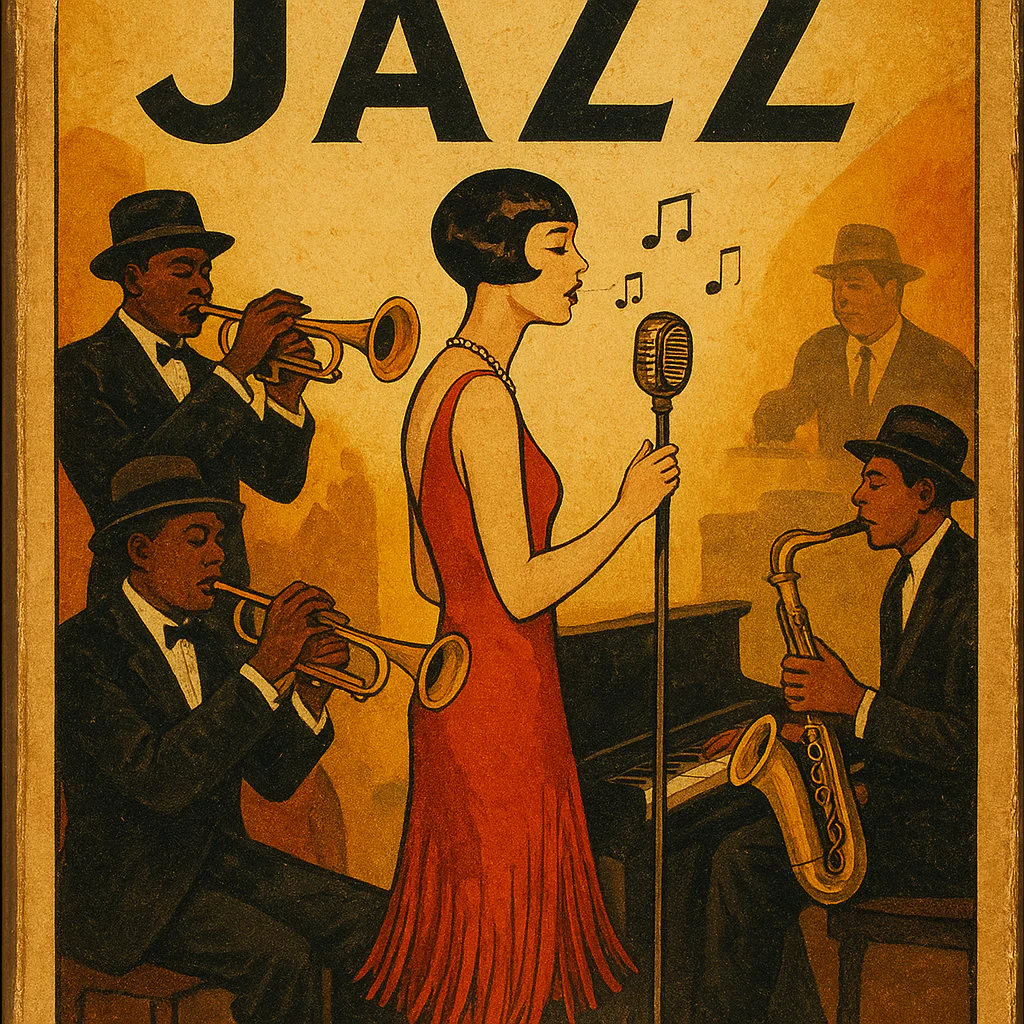
To understand Gatsby, you have to understand the Jazz Age. We’re talking about a time of post-WWI disillusionment, the rise of the “flapper,” and the era of Prohibition. While the government banned alcohol, the parties only got louder.
F. Scott Fitzgerald didn’t just write about this era; he lived it. Along with his wife, Zelda, he was the “it-couple” of the 1920s. However, beneath the surface of the “Roaring Twenties” lay a deep sense of moral decay. The novel serves as a scathing critique of the American Dream—the idea that anyone, regardless of their background, can achieve success through hard work. Gatsby has the money, but he never truly gains the status. ❌
🎭 Meet the Players: A Deep Dive into the Main Characters
The characters in this book are, frankly, a bit of a mess. But that’s what makes them so fascinating!
- Jay Gatsby: The mysterious millionaire. He’s a “self-made” man (with some shady help from Meyer Wolfsheim) who has spent five years trying to win back Daisy.
- Nick Carraway: Our narrator. He claims to be “one of the few honest people” he has ever known, but is he? He’s the bridge between Gatsby’s world and Daisy’s.
- Daisy Buchanan: The “golden girl” with a voice full of money. She’s charming but ultimately shallow and careless.
- Tom Buchanan: Daisy’s husband. He’s a wealthy, arrogant bully who represents the “old money” elite.
- Jordan Baker: A cynical professional golfer and Nick’s brief love interest. She’s as dishonest as the rest of them.
- Myrtle Wilson: Tom’s mistress. She desperately wants to escape her life in the Valley of Ashes.
😵 💫 Lost in West Egg? Navigating the Complex Web of Relationships
Are you confused by who is sleeping with whom and who lives where? You aren’t alone! We’ve spent hours debating these dynamics over coffee.
- West Egg vs. East Egg: This is crucial for your essay. West Egg is “new money” (Gatsby and Nick). It’s flashy and lacks social grace. East Egg is “old money” (The Buchanans). It’s refined, established, and incredibly cruel.
- The Love Triangle (or Square?): Gatsby loves Daisy. Daisy is married to Tom. Tom is having an affair with Myrtle. Myrtle is married to George. It’s a recipe for disaster, and spoiler alert: it ends in three deaths. 💀
📖 The Great Gatsby Summary: A Whirlwind Tour of the Plot
The story begins when Nick Carraway moves to West Egg. He soon finds himself drawn into the orbit of his neighbor, Jay Gatsby, who throws lavish parties every weekend. Why? To attract the attention of Daisy Buchanan, who lives across the bay.
With Nick’s help, Gatsby and Daisy reunite and begin an affair. However, the tension peaks during a sweltering day in New York City. Tom confronts Gatsby about his illegal business dealings and his pursuit of Daisy. Daisy, overwhelmed, chooses the security of Tom over the “intensity” of Gatsby.
On the drive home, Daisy (driving Gatsby’s car) accidentally hits and kills Myrtle Wilson. Tom leads Myrtle’s husband, George, to believe Gatsby was the driver. George shoots Gatsby in his pool before turning the gun on himself. The novel ends with Nick returning to the Midwest, disgusted by the “careless people” of the East.
📝 The Ultimate Great Gatsby Essay Sample: A Model for Success
If you’re looking for a “The Great Gatsby summary essay” structure, here is a sample outline you can use to get an A+.
Title: The Death of the Dream: How Gatsby’s Pursuit of the Past Led to His Downfall
Introduction: Start with a hook about the American Dream. Introduce F. Scott Fitzgerald’s The Great Gatsby and your thesis: While Jay Gatsby’s rise from poverty to wealth exemplifies the American Dream, his obsession with reclaiming a lost past through Daisy Buchanan ultimately reveals the dream’s inherent corruption and impossibility.
Body Paragraph 1: The Illusion of Class Discuss the divide between West Egg and East Egg. Use the quote about Daisy’s voice being “full of money.” Explain that no matter how much wealth Gatsby acquires, he can never buy the “old money” status required to truly belong in Daisy’s world.
Body Paragraph 2: The Symbolism of the Green Light Analyze the green light at the end of Daisy’s dock. It represents Gatsby’s hopes and dreams. However, once he “attains” Daisy, the light loses its magic. This highlights the theme that the pursuit is often more meaningful than the reality.
Body Paragraph 3: The Carelessness of the Elite Focus on Tom and Daisy. Use Nick’s closing thoughts: “They were careless people, Tom and Daisy—they smashed up things and creatures and then retreated back into their money.” This shows the moral vacuum at the heart of the upper class.
Conclusion: Summarize your points. End with a powerful thought on how Gatsby’s “extraordinary gift for hope” is both his greatest strength and his fatal flaw.
🧐 Peeling Back the Layers: A Critical Analysis of the Novel
Why does this book still matter? Because it’s a tragedy of the spirit. Gatsby isn’t just a guy who wants a girl; he’s a man who wants to play God and rewrite time. 🕰️
Fitzgerald uses a “peripheral narrator” (Nick) to keep Gatsby shrouded in mystery. We never truly know Gatsby; we only know the idea of him. This mirrors how we often view the American Dream—as a shiny, distant goal that disappears the moment we try to touch it.
💡 Chasing the Green Light: Major Themes in The Great Gatsby
- The Decline of the American Dream: The 1920s replaced discovery and individualism with easy money and social climbing.
- The Hollowness of the Upper Class: Wealth doesn’t equal character. Tom and Daisy are “old money,” but they are morally bankrupt.
- Past and Future: Gatsby’s famous line, “Can’t repeat the past? Why of course you can!” is the ultimate irony.
- Social Stratification: The rigid barriers between social classes are insurmountable, even with millions of dollars.
🕶️ More Than Just a Car: Decoding Symbolism in the Great Gatsby
Fitzgerald was a master of symbolism. If you want to impress your teacher, mention these:
- The Eyes of Doctor T.J. Eckleburg: A fading billboard in the Valley of Ashes. They represent the eyes of God looking down on a spiritual wasteland. ✅
- The Valley of Ashes: The industrial wasteland between West Egg and NYC. It represents the plight of the poor who are left behind by the wealthy.
- Gatsby’s Yellow Car: A symbol of his “new money” flamboyance. It’s also the “death car,” showing that his wealth is what ultimately destroys him.
🎓 Ready to Crush Your Assignments? Expert Tips for Your Essay
- Use Specific Quotes: Don’t just say Gatsby is hopeful. Quote the “green light” passage.
- Analyze, Don’t Just Summarize: We know what happened. Tell us why it matters.
- Check Your LSI Keywords: If you’re publishing this online, ensure you use terms like “literary devices,” “character analysis,” and “1920s social context.”
- Compare and Contrast: A great essay often compares Gatsby’s “pure” (though misguided) dream with Tom’s “corrupt” reality.
🏁 Conclusion

At its heart, The Great Gatsby is a story about the beautiful, tragic struggle of being human. We all have a “green light” we’re chasing. We all want to believe we can fix our past mistakes. Gatsby’s failure isn’t a lack of effort; it’s a realization that some things—like time and social standing—are beyond our control.
So, did Gatsby ever have a chance? Or was he doomed from the moment he stepped into West Egg? We think he was doomed, but his “extraordinary gift for hope” is what makes him “Great.”
🔗 Recommended Links
- Buy The Great Gatsby on Amazon
- SparkNotes: The Great Gatsby Study Guide
- The F. Scott Fitzgerald Society
❓ FAQ: Everything You’re Dying to Know
Q: Why is it called “The Great Gatsby”? A: It’s ironic! While Gatsby is “great” because of his grand dreams and wealth, he is also a fraud and a tragic figure. It also evokes the idea of a stage magician—”The Great Gatsby”—performing a trick.
Q: Does Daisy ever love Gatsby? A: She did love him five years ago, and she loves the idea of him now. But she loves her safety, her status, and Tom’s money more. ❌
Q: Who killed Gatsby? A: George Wilson physically pulled the trigger, but you could argue that Tom and Daisy killed him through their “carelessness.”
📖 Reference Links
- Fitzgerald, F. Scott. The Great Gatsby. Charles Scribner’s Sons, 1925.
- “The Roaring Twenties.” History.com, https://www.history.com/topics/roaring-twenties.
- “The American Dream in Literature.” Britannica, https://www.britannica.com/topic/American-Dream.
⚡️ Quick Tips and Facts
If you’re gearing up to write a The Great Gatsby summary essay, here’s your starter pack from the book lovers at Book Summary Review™ — seasoned pros in unpacking literary gems. Before you dive into the swirling parties and tragic romance, let’s get some fast facts and insider tips on this classic novel.
| Aspect | Rating (1-10) | Notes |
|---|---|---|
| Plot Clarity | 8 | Complex but rewarding; requires attention |
| Character Depth | 9 | Multi-layered, symbolic, and memorable |
| Themes Richness | 10 | Explores American Dream, class, love, decay |
| Symbolism | 10 | Rich and iconic (green light, eyes, etc.) |
| Cultural Impact | 10 | A cornerstone of American literature |
Quick Facts to Bookmark 📚
- Author: F. Scott Fitzgerald
- Published: 1925
- Setting: Long Island’s West Egg and East Egg, 1922
- Narrator: Nick Carraway, a Midwesterner and WWI veteran
- Genre: Modernist novel, tragedy
- Key Symbols: The green light, eyes of Dr. T.J. Eckleburg, Valley of Ashes
- Fun Twist: The book was a commercial flop during Fitzgerald’s life but is now hailed as a masterpiece!
Pro Tips for Your Essay ✍️
- Don’t just retell the story — analyze the symbolism and themes.
- Use direct quotes to back your points (e.g., Gatsby’s obsession with the green light).
- Explore the social context of the 1920s to deepen your analysis.
- Remember: Gatsby’s tragedy is about the impossibility of recapturing the past.
For a deep dive into themes, check out our related article: The Great Gatsby Theme: 7 Powerful Insights You Can’t Miss 📖.
📜 The Roaring Twenties: The History and Context of Fitzgerald’s Masterpiece

To truly appreciate The Great Gatsby, you need to step into the glittering yet hollow world of the Roaring Twenties — a decade of jazz, bootleggers, and social upheaval.
The Jazz Age Backdrop 🎷
- The 1920s were marked by economic prosperity and a cultural explosion in music, fashion, and nightlife.
- Prohibition (1920–1933) banned alcohol, but speakeasies thrived, fueling Gatsby’s lavish parties.
- The era was a paradox: glamour and moral decay went hand in hand.
Fitzgerald’s Life Mirrors Gatsby’s Dream
Fitzgerald himself was a part of this world — a young, ambitious writer married to Zelda Sayre, the quintessential flapper. His personal struggles with wealth, fame, and disillusionment seep into the novel’s DNA.
The American Dream Under the Microscope 🇺🇸
- The novel critiques the myth of the American Dream — the idea that anyone can rise from rags to riches.
- Gatsby’s wealth is new money, earned through dubious means, and he’s never fully accepted by the old-money elite.
- The story exposes the illusion of social mobility and the emptiness behind material success.
Want to know more about the Jazz Age’s influence on literature? Visit History.com’s Roaring Twenties overview.
🎭 Meet the Players: A Deep Dive into the Main Characters
Let’s get up close and personal with the key figures who make this novel unforgettable. Each character is a symbolic piece of Fitzgerald’s social critique.
1. Jay Gatsby: The Dreamer with a Dark Past
- Real name: James Gatz, a poor farm boy who reinvented himself.
- Gatsby is the embodiment of the self-made man, but his wealth comes from shady bootlegging and crime.
- His obsession with Daisy fuels his lavish lifestyle and tragic downfall.
- Quote: “He had the name ready for a long time, just as if he had been born with it.” (EssayPro)
2. Nick Carraway: The Honest Narrator?
- A Yale graduate and WWI veteran, Nick moves to West Egg to work in bonds.
- He claims to be “one of the few honest people” but is often a passive observer.
- His Midwestern values contrast with East Coast decadence.
- Acts as the moral compass and storyteller.
3. Daisy Buchanan: The Golden Girl
- Born into old money, Daisy is beautiful but emotionally shallow.
- Her voice is famously described as “full of money,” symbolizing her allure and materialism.
- Torn between Gatsby’s romantic idealism and Tom’s security.
4. Tom Buchanan: The Arrogant Aristocrat
- Represents old money privilege and moral decay.
- Aggressive, racist, and unfaithful, Tom embodies the corrupt elite.
- Quote: “One of those men who reach such an acute limited excellence at twenty-one that everything afterward savors of anti-climax.” (EssayPro)
5. Jordan Baker: The Cynical Golfer
- A professional golfer known for dishonesty and cynicism.
- Represents the moral ambiguity of the Jazz Age’s “lost generation.”
- Briefly romantically linked to Nick.
6. Myrtle Wilson: The Tragic Mistress
- Tom’s lover, desperate to escape her working-class life in the Valley of Ashes.
- Her death is a pivotal moment, symbolizing the destructive consequences of the characters’ recklessness.
7. Meyer Wolfsheim: The Shadowy Businessman
- Gatsby’s shady associate, rumored to have fixed the 1919 World Series.
- Symbolizes the corrupt underbelly of Gatsby’s wealth.
😵 💫 Lost in West Egg? Navigating the Complex Web of Relationships
If you’ve ever found yourself tangled in the relationships of Gatsby’s world, you’re not alone. Here’s a handy guide to who’s who and who’s with whom.
West Egg vs. East Egg: The Geography of Class
| Location | Description | Key Residents | Symbolism |
|---|---|---|---|
| West Egg | New money, flashy, gaudy | Gatsby, Nick | Ambition, reinvention |
| East Egg | Old money, refined, elite | Tom, Daisy, Jordan | Tradition, social exclusivity |
| Valley of Ashes | Industrial wasteland | Myrtle, George Wilson | Moral decay, poverty |
The Tangled Love Web 💔
- Gatsby loves Daisy — the idealized dream he’s chased for years.
- Daisy is married to Tom but has an affair with Gatsby.
- Tom is cheating on Daisy with Myrtle Wilson.
- Myrtle is married to George Wilson, who is oblivious to the affair.
Why Does This Matter for Your Essay?
Understanding these dynamics is crucial because the characters’ relationships symbolize broader social tensions — class conflict, moral decay, and the fragility of dreams.
📖 The Great Gatsby Summary: A Whirlwind Tour of the Plot
Ready for the sparknotes version that’s more than just a summary? Here’s the story arc, with the juicy bits highlighted.
The Beginning: Nick’s Arrival and Gatsby’s Parties
- Nick Carraway moves to West Egg and meets Gatsby, a mysterious millionaire known for extravagant parties.
- Gatsby’s lavish lifestyle is a cover for his deeper desire: to reunite with Daisy Buchanan, Nick’s cousin.
The Middle: Rekindling Old Flames and Rising Tensions
- Gatsby and Daisy rekindle their romance with Nick’s help.
- Tom becomes suspicious and confronts Gatsby in a tense showdown in New York City.
- The confrontation exposes Gatsby’s criminal ties and Daisy’s wavering loyalty.
The Tragic Climax: Death and Disillusionment
- Daisy, driving Gatsby’s car, accidentally kills Myrtle Wilson.
- George Wilson, misled by Tom, believes Gatsby was the driver and kills Gatsby before taking his own life.
- Gatsby’s dream dies with him; his funeral is sparsely attended, highlighting the emptiness of his social circle.
The End: Nick’s Return Home
- Disgusted by the carelessness of the wealthy elite, Nick returns to the Midwest, reflecting on the impossibility of the American Dream.
For a detailed chapter-by-chapter plot summary, check out the insightful first YouTube video summary embedded in this article.
📝 The Ultimate Great Gatsby Essay Sample: A Model for Success
Struggling with how to structure your essay? Here’s a step-by-step model that Book Summary Review™ swears by.
Essay Title:
The Death of the Dream: How Gatsby’s Pursuit of the Past Led to His Downfall
Introduction
- Hook: The allure and myth of the American Dream.
- Brief intro to Fitzgerald’s novel.
- Thesis: Gatsby’s obsession with reclaiming the past through Daisy reveals the corruption and impossibility of the American Dream.
Body Paragraph 1: The Illusion of Class
- Contrast West Egg (new money) and East Egg (old money).
- Quote Daisy’s voice as “full of money” to illustrate social barriers.
- Explain Gatsby’s exclusion despite wealth.
Body Paragraph 2: The Symbolism of the Green Light
- Analyze the green light as Gatsby’s hope and dream.
- Discuss how the light’s meaning fades once Daisy is “attained.”
Body Paragraph 3: The Carelessness of the Elite
- Focus on Tom and Daisy’s moral recklessness.
- Use Nick’s famous line about “careless people” who “retreated back into their money.”
Conclusion
- Summarize key points.
- Reflect on Gatsby’s “extraordinary gift for hope” as both his strength and fatal flaw.
🧐 Peeling Back the Layers: A Critical Analysis of the Novel
Why does The Great Gatsby still resonate nearly a century later? Because it’s a timeless tragedy about human desire and societal illusion.
Gatsby as a Modern Tragic Hero 🎭
- Gatsby’s quest to rewrite the past is doomed from the start.
- His persona is a carefully constructed myth, much like the American Dream itself.
- Nick’s narration keeps Gatsby enigmatic, highlighting the gap between appearance and reality.
The Novel’s Narrative Technique
- Told through Nick’s first-person perspective, the story is filtered through his judgments and biases.
- This creates a layered narrative where truth is elusive.
Moral and Social Critique
- The novel exposes the moral bankruptcy of the wealthy elite.
- It critiques the illusion of social mobility and the corruption underlying wealth.
💡 Chasing the Green Light: Major Themes in The Great Gatsby
Themes are the heartbeats of any great novel. Here’s what Fitzgerald is really saying beneath the glitz.
The American Dream: Myth vs. Reality
- Gatsby’s rise from poverty symbolizes the dream’s promise.
- His fall reveals its corruption and unattainability.
- The green light is the ultimate symbol of this elusive dream.
Class Conflict and Social Stratification
- The divide between old money and new money is a recurring tension.
- Gatsby’s failure to penetrate East Egg society underscores the rigidity of class barriers.
Love, Illusion, and Nostalgia
- Gatsby’s love for Daisy is idealized and nostalgic, not grounded in reality.
- The novel questions whether true love can survive in a world obsessed with wealth.
Moral Decay and Carelessness
- Tom and Daisy represent the careless rich, whose actions destroy others without consequence.
- The Valley of Ashes symbolizes the spiritual and social decay beneath the surface.
Explore these themes further in our detailed article: The Great Gatsby Theme: 7 Powerful Insights You Can’t Miss 📖.
🕶️ More Than Just a Car: Decoding Symbolism in the Great Gatsby
Fitzgerald’s novel is a treasure trove of symbolism that adds layers of meaning to the story.
The Green Light: Hope and the Future
- Located at the end of Daisy’s dock, the green light represents Gatsby’s hope and longing.
- It’s a beacon of the American Dream’s promise but also its elusiveness.
The Eyes of Doctor T.J. Eckleburg: Moral Oversight
- A faded billboard overlooking the Valley of Ashes.
- Symbolizes the loss of spiritual values and the idea of an all-seeing moral judge.
The Valley of Ashes: Decay and Neglect
- The industrial wasteland between West Egg and NYC.
- Represents the moral and social decay caused by unchecked wealth and industrialization.
Gatsby’s Yellow Car: Flashy Wealth and Death
- Symbolizes Gatsby’s new money flamboyance.
- It’s the vehicle involved in Myrtle’s death, linking wealth to destruction.
The Mansion: Illusion of Grandeur
- Gatsby’s mansion is a stage set for his dream, but it’s empty and lonely inside.
🎓 Ready to Crush Your Assignments? Expert Tips for Your Essay
Want to impress your teacher and stand out? Here’s the inside scoop from our team:
- Use Specific Quotes: Anchor your arguments with Fitzgerald’s own words.
- Focus on Analysis: Don’t just summarize; explain why things matter.
- Incorporate Social Context: Show how the 1920s setting influences characters and themes.
- Balance Perspectives: Acknowledge Gatsby’s flaws and virtues.
- Use LSI Keywords: Sprinkle terms like “literary devices,” “character analysis,” and “1920s social context” for SEO-friendly essays.
🎬 Beyond the Page: Film Adaptations and Cultural Impact
The Great Gatsby has inspired numerous adaptations, each adding a new layer to its legacy.
Notable Film Versions 🎥
| Year | Director | Lead Actor (Gatsby) | Highlights |
|---|---|---|---|
| 1974 | Jack Clayton | Robert Redford | Classic, faithful to the novel |
| 2013 | Baz Luhrmann | Leonardo DiCaprio | Flashy, modern visuals, mixed reviews |
| 1926 | Herbert Brenon | Warner Baxter | Silent film, now lost |
Cultural Footprint
- The novel’s themes of wealth, love, and disillusionment resonate across generations.
- Gatsby’s green light has become an iconic symbol in American culture.
- The story continues to inspire books, music, fashion, and even video games.
Want to explore more about the novel’s adaptations? Visit our Book-to-Film Adaptations category.
If you want a clear, chapter-by-chapter summary to complement this article, check out the first YouTube video embedded above. It walks you through Nick’s arrival, Gatsby’s parties, the tragic climax, and the moral decay of the Jazz Age, all in under 15 minutes — perfect for a quick refresher or study session!
🏁 Conclusion

After our deep dive into The Great Gatsby, it’s clear why this novel remains a towering pillar of American literature. Fitzgerald’s masterpiece is not just a story about a man chasing a woman; it’s a profound exploration of hope, illusion, social stratification, and the elusive American Dream. Gatsby’s tragic flaw — his relentless pursuit of a past that can never be reclaimed — resonates with anyone who’s ever dared to dream big, only to face the harsh realities of life.
Positives ✅
- Rich symbolism that enriches every page.
- Complex characters who embody timeless social and moral conflicts.
- A poignant critique of 1920s America that still feels relevant today.
- A narrative style that blends nostalgia and sharp social commentary.
Negatives ❌
- Some readers find the plot’s pace uneven or the characters morally frustrating.
- The narrator’s bias can sometimes obscure objective truth.
Our Recommendation
If you’re tackling a The Great Gatsby summary essay or simply want to understand the cultural heartbeat of the Jazz Age, this novel is a must-read. Its layers reward careful study, and its themes spark endless discussion. Whether you’re a student, a literature lover, or a curious soul, Gatsby’s story will haunt you long after the last page.
So, was Gatsby doomed from the start? Absolutely. But his extraordinary gift for hope is what makes him truly “Great.” And that, dear reader, is a lesson worth savoring.
🔗 Recommended Links
Ready to own a copy or explore more? Check out these trusted sources:
- The Great Gatsby by F. Scott Fitzgerald:
Amazon | Walmart | Audible - The Great Gatsby Film Adaptations:
Amazon Movies & TV | Walmart - F. Scott Fitzgerald Society:
Official Website
❓ FAQ: Everything You’re Dying to Know

What is The Great Gatsby about in a nutshell?
At its core, The Great Gatsby is about Jay Gatsby’s obsessive pursuit of his lost love, Daisy Buchanan, set against the backdrop of 1920s America. It explores themes of love, wealth, social class, and the elusive American Dream, culminating in tragedy.
What is the overall point of The Great Gatsby?
The novel critiques the American Dream’s corruption and the moral decay beneath the glittering surface of wealth. It shows how Gatsby’s dream is ultimately unattainable because it’s rooted in illusion and the impossibility of recapturing the past.
What was the main idea of The Great Gatsby?
Fitzgerald’s main idea is that the American Dream is a myth—a promise of happiness and success that often leads to disillusionment. Gatsby’s rise and fall symbolize this paradox.
What is the general summary of The Great Gatsby?
Nick Carraway narrates the story of Gatsby, a mysterious millionaire who throws lavish parties to win back Daisy, his former love. Their rekindled affair ends in tragedy when Gatsby is killed, and Nick becomes disillusioned with the superficial world of the wealthy elite.
What is a brief summary of The Great Gatsby?
Gatsby, a self-made millionaire, tries to reclaim his past love Daisy, but social barriers and moral decay lead to his downfall. The novel is a critique of 1920s American society and the false promises of the American Dream.
How do you write a summary essay on The Great Gatsby?
- Start with a hook about the American Dream or Jazz Age.
- Briefly introduce the plot and main characters.
- Focus on key themes like love, class, and illusion.
- Use quotes and symbolism to support your points.
- Conclude by reflecting on the novel’s message about hope and disillusionment.
What are the main themes in The Great Gatsby?
- The American Dream and its corruption
- Class conflict between old and new money
- Love and illusion
- Moral decay and carelessness
- The impossibility of recapturing the past
How does The Great Gatsby reflect the American Dream?
Gatsby’s rise from poverty to wealth embodies the dream’s promise, but his failure reveals its illusion and moral emptiness. The novel shows that wealth alone cannot buy happiness or social acceptance.
What is the significance of the characters in The Great Gatsby?
Each character represents a facet of 1920s society: Gatsby as the hopeful dreamer, Daisy as the alluring but shallow elite, Tom as the corrupt old money, and Nick as the moral observer. Their interactions expose societal tensions and personal flaws.
Can you provide a critical analysis of The Great Gatsby?
The novel is a modern tragedy about the futility of chasing illusions. Fitzgerald uses Nick’s unreliable narration, rich symbolism, and complex characters to critique the moral decay and social stratification of the Jazz Age, ultimately questioning the attainability of the American Dream.
What are some key quotes to include in a Great Gatsby essay?
- “Gatsby believed in the green light, the orgastic future that year by year recedes before us.”
- “Her voice is full of money.”
- “They were careless people, Tom and Daisy—they smashed up things and creatures and then retreated back into their money.”
- “Can’t repeat the past? Why of course you can!”
📖 Reference Links
For further verification and deeper study, check these reputable sources:
- The Great Gatsby – Wikipedia
- History.com: The Roaring Twenties
- SparkNotes: The Great Gatsby
- F. Scott Fitzgerald Society
- Britannica: American Dream
Dive in, explore, and let Gatsby’s story illuminate your understanding of one of literature’s greatest dreams and tragedies!