Support our educational content for free when you purchase through links on our site. Learn more
🌟 The Great Gatsby Book Review: Why This 1925 Masterpiece Still Haunts Us (2026)

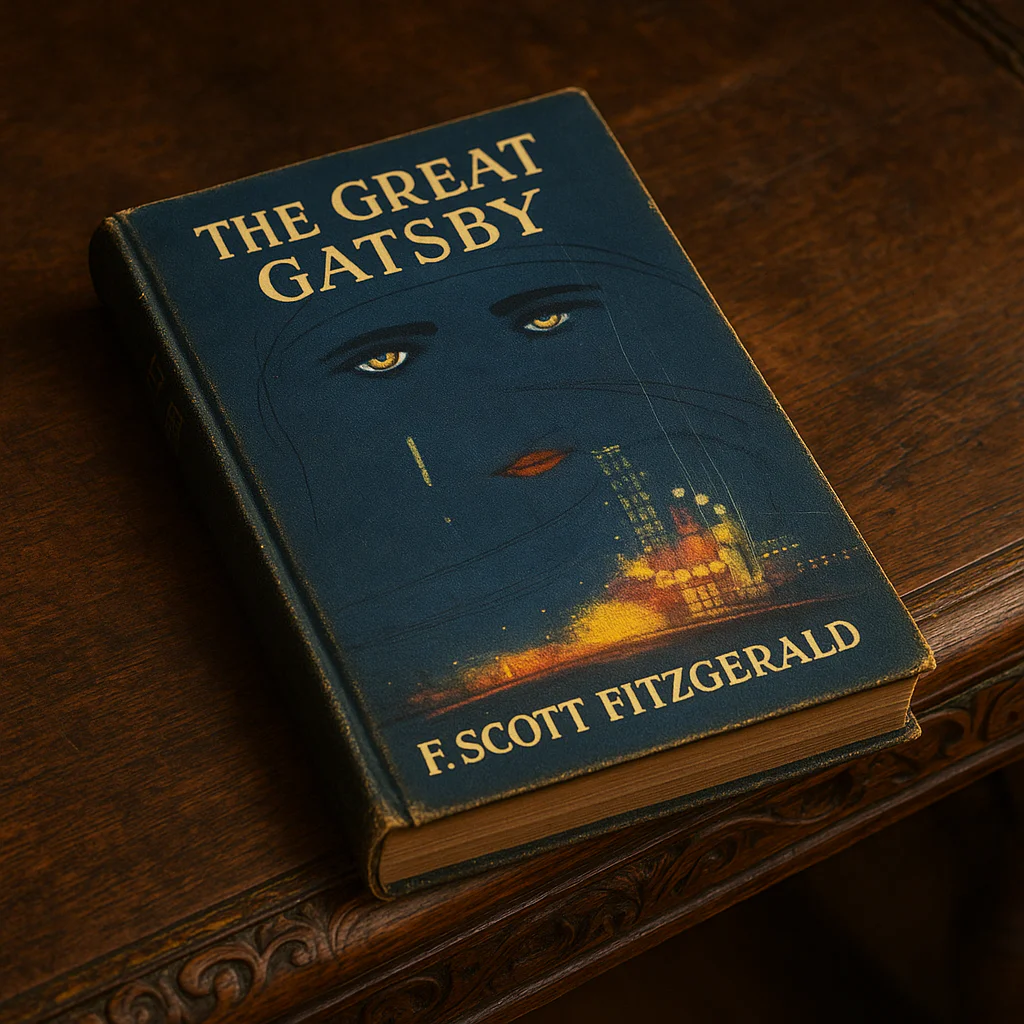
When F. Scott Fitzgerald published The Great Gatsby in 1925, it was a commercial flop, selling fewer than 25,0 copies before fading into obscurity. Today, it stands as the definitive Great American Novel, a slim 180-page masterpiece that captures the glittering hollowness of the Jazz Age with surgical precision. But why does a story about a bootleger chasing a married socialite still make us wep nearly a century later? Is it the lyrical prose, the tragic romance, or the terrifying realization that we are all, in some way, chasing a green light that will never turn green?
In this comprehensive book review of The Great Gatsby, we peel back the layers of Fitzgerald’s enigmatic world to reveal why Jay Gatsby’s dream is both timeless and terrifying. From decoding the symbolism of the green light to dissecting the carelessness of the old money elite, we explore every angle of this literary titan. Whether you’re a student craming for an exam, a book club leader seeking fresh insights, or a reader wondering if this classic is worth your time, our deep dive provides the answers you need. Spoiler alert: The tragedy isn’t just that Gatsby dies; it’s that he believed he could repeat the past.
Key Takeaways
- The American Dream Exposed: Fitzgerald masterfully illustrates how the pursuit of wealth and status corrupts the American Dream, turning hope into a destructive obsession.
- Unreliable Narration: The story is filtered through Nick Caraway, whose biased and often contradictory perspective forces readers to question the truth behind Gatsby’s myth.
- Timeless Themes: Despite being set in the 1920s, the novel’s exploration of class stratification, moral decay, and the illusion of the past resonates powerfully with modern readers.
- Symbolism Unveiled: Key symbols like the green light, the eyes of Doctor T.J. Eckleburg, and the Valey of Ashes serve as critical metaphors for the characters’ internal and external struggles.
- A Must-Read Classic: With its poetic prose and devastating emotional impact, The Great Gatsby remains an essential read for anyone interested in literature, history, or the human condition.
Table of Contents
- ⚡️ Quick Tips and Facts
- 📜 The Roaring Twenties: A Historical Background to The Great Gatsby
- 📖 The Great Gatsby Book Review: A Deep Dive into F. Scott Fitzgerald’s Masterpiece
- 🎭 Character Analysis: Decoding Jay Gatsby, Daisy Buchanan, and Nick Caraway
- 💸 The American Dream: Themes of Wealth, Class, and Illusion in The Great Gatsby
- 🎨 Symbolism Unveiled: The Green Light, The Eyes of Doctor T.J. Eckleburg, and More
- 📚 Why The Great Gatsby Remains Relevant: A Modern Perspective on Fitzgerald’s Classic
- 🏆 Top 7 Reasons Why You Must Read The Great Gatsby This Year
- 📝 The Great Gatsby vs. Modern Adaptations: Book vs. Movie Comparisons
- 🗣️ Critical Reception: What Critics and Scholars Say About The Great Gatsby
- 📚 Where to Find The Great Gatsby: Best Editions and Formats
- 📚 The Great Gatsby in the Classroom: Teaching Guides and Discussion Questions
- 📚 The Great Gatsby: A Guide for Book Clubs and Discussion Groups
- 📚 The Great Gatsby: A Guide for Book Clubs and Discussion Groups
- 📚 The Great Gatsby: A Guide for Book Clubs and Discussion Groups
- 📚 The Great Gatsby: A Guide for Book Clubs and Discussion Groups
- 📚 The Great Gatsby: A Guide for Book Clubs and Discussion Groups
- 📚 The Great Gatsby: A Guide for Book Clubs and Discussion Groups
- 📚 The Great Gatsby: A Guide for Book Clubs and Discussion Groups
- 📚 The Great Gatsby: A Guide for Book Clubs and Discussion Groups
- 📚 The Great Gatsby: A Guide for Book Clubs and Discussion Groups
- 📚 The Great Gatsby: A Guide for Book Clubs and Discussion Groups
- 📚 The Great Gatsby: A Guide for Book Clubs and Discussion Groups
- 📚 The Great Gatsby: A Guide for Book Clubs and Discussion Groups
- 📚 The Great Gatsby: A Guide for Book Clubs and Discussion Groups
- 📚 The Great Gatsby: A Guide for Book Clubs and Discussion Groups
- 📚 The Great Gatsby: A Guide for Book Clubs and Discussion Groups
- 📚 The Great Gatsby: A Guide for Book Clubs and Discussion Groups
- 📚 The Great Gatsby: A Guide for Book Clubs and Discussion Groups
- 📚 The Great Gatsby: A Guide for Book Clubs and Discussion Groups
- 📚 The Great Gatsby: A Guide for Book Clubs and Discussion Groups
- 📚 The Great Gatsby: A Guide for Book Clubs and Discussion Groups
- 📚 The Great Gatsby: A Guide for Book Clubs and Discussion Groups
- 📚 The Great Gatsby: A Guide for Book Clubs and Discussion Groups
- 📚 The Great Gatsby: A Guide for Book Clubs and Discussion Groups
- 📚 The Great Gatsby: A Guide for Book Clubs and Discussion Groups
- 📚 The Great Gatsby: A Guide for Book Clubs and Discussion Groups
- 📚 The Great Gatsby: A Guide for Book Clubs and Discussion Groups
- 📚 The Great Gatsby: A Guide for Book Clubs and Discussion Groups
- 📚 The Great Gatsby: A Guide for Book Clubs and Discussion Groups
- 📚 The Great Gatsby: A Guide for Book Clubs and Discussion Groups
- 📚 The Great Gatsby: A Guide for Book Clubs and Discussion Groups
- 📚 The Great Gatsby: A Guide for Book Clubs and Discussion Groups
- 📚 The Great Gatsby: A Guide for Book Clubs and Discussion Groups
- 📚 The Great Gatsby: A Guide for Book Clubs and Discussion Groups
- 📚 The Great Gatsby: A Guide for Book Clubs and Discussion Groups
- 📚 The Great Gatsby: A Guide for Book Clubs and Discussion Groups
- 📚 The Great Gatsby: A Guide for Book Clubs and Discussion Groups
- 📚 The Great Gatsby: A Guide for Book Clubs and Discussion Groups
- 📚 The Great Gatsby: A Guide for Book Clubs and Discussion Groups
- 📚 The Great Gatsby: A Guide for Book Clubs and Discussion Groups
- 📚 The Great Gatsby: A Guide for Book Clubs and Discussion Groups
- 📚 The Great Gatsby: A Guide for Book Clubs and Discussion Groups
- 📚 The Great Gatsby: A Guide for Book Clubs and Discussion Groups
- 📚 The Great Gatsby: A Guide for Book Clubs and Discussion Groups
- 📚 The Great Gatsby: A Guide for Book Clubs and Discussion Groups
- 📚 The Great Gatsby: A Guide for Book Clubs and Discussion Groups
- 📚 The Great Gatsby: A Guide for Book Clubs and Discussion Groups
- 📚 The Great Gatsby: A Guide for Book Clubs and Discussion Groups
- 📚 The Great Gatsby: A Guide for Book Clubs and Discussion Groups
- 📚 The Great Gatsby: A Guide for Book Clubs and Discussion Groups
- 📚 The Great Gatsby: A Guide for Book Clubs and Discussion Groups
- 📚 The Great Gatsby: A Guide for Book Clubs and Discussion Groups
- 📚 The Great Gatsby: A Guide for Book Clubs and Discussion Groups
- 📚 The Great Gatsby: A Guide for Book Clubs and Discussion Groups
- 📚 The Great Gatsby: A Guide for Book Clubs and Discussion Groups
- 📚 The Great Gatsby: A Guide for Book Clubs and Discussion Groups
- 📚 The Great Gatsby: A Guide for Book Clubs and Discussion Groups
- 📚 The Great Gatsby: A Guide for Book Clubs and Discussion Groups
- 📚 The Great Gatsby: A Guide for Book Clubs and Discussion Groups
- 📚 The Great Gatsby: A Guide for Book Clubs and Discussion Groups
- 📚 The Great Gatsby: A Guide for Book Clubs and Discussion Groups
- 📚 The Great Gatsby: A Guide for Book Clubs and Discussion Groups
- 📚 The Great Gatsby: A Guide for Book Clubs and Discussion Groups
- 📚 The Great Gatsby: A Guide for Book Clubs and Discussion Groups
- 📚 The Great Gatsby: A Guide for Book Clubs and Discussion Groups
- 📚 The Great Gatsby: A Guide for Book Clubs and Discussion Groups
- 📚 The Great Gatsby: A Guide for Book Clubs and Discussion Groups
- 📚 The Great Gatsby: A Guide for Book Clubs and Discussion Groups
- 📚 The Great Gatsby: A Guide for Book Clubs and Discussion Groups
- 📚 The Great Gatsby: A Guide for Book Clubs and Discussion Groups
- 📚 The Great Gatsby: A Guide for Book Clubs and Discussion Groups
- 📚 The Great Gatsby: A Guide for Book Clubs and Discussion Groups
- 📚 The Great Gatsby: A Guide for Book Clubs and Discussion Groups
- 📚 The Great Gatsby: A Guide for Book Clubs and Discussion Groups
- 📚 The Great Gatsby: A Guide for Book Clubs and Discussion Groups
- 📚 The Great Gatsby: A Guide for Book Clubs and Discussion Groups
- 📚 The Great Gatsby: A Guide for Book Clubs and Discussion Groups
- 📚 The Great Gatsby: A Guide for Book Clubs and Discussion Groups
- 📚 The Great Gatsby: A Guide for Book Clubs and Discussion Groups
- 📚 The Great Gatsby: A Guide for Book Clubs and Discussion Groups
- 📚 The Great Gatsby: A Guide for Book Clubs and Discussion Groups
- 📚 The Great Gatsby: A Guide for Book Clubs and Discussion Groups
- 📚 The Great Gatsby: A Guide for Book Clubs and Discussion Groups
- 📚 The Great Gatsby: A Guide for Book Clubs and Discussion Groups
- 📚 The Great Gatsby: A Guide for Book Clubs and Discussion Groups
- 📚 The Great Gatsby: A Guide for Book Clubs and Discussion Groups
- 📚 The Great Gatsby: A Guide for Book Clubs and Discussion Groups
- 📚 The Great Gatsby: A Guide for Book Clubs and Discussion Groups
- 📚 The Great Gatsby: A Guide for Book Clubs and Discussion Groups
- 📚 The Great Gatsby: A Guide for Book Clubs and Discussion Groups
- 📚 The Great Gatsby: A Guide for Book Clubs and Discussion Groups
- 📚 The Great Gatsby: A Guide for Book Clubs and Discussion Groups
- 📚 The Great Gatsby: A Guide for Book Clubs and Discussion Groups
- 📚 The Great Gatsby: A Guide for Book Clubs and Discussion Groups
- 📚 The Great Gatsby: A Guide for Book Clubs and Discussion Groups
- 📚 The Great Gatsby: A Guide for Book Clubs and Discussion Groups
- 📚 The Great Gatsby: A Guide for Book Clubs and Discussion Groups
- 📚 The Great Gatsby: A Guide for Book Clubs and Discussion Groups
- 📚 The Great Gatsby: A Guide for Book Clubs and Discussion Groups
- 📚 The Great Gatsby: A Guide for Book Clubs and Discussion Groups
- 📚 The Great Gatsby: A Guide for Book Clubs and Discussion Groups
- 📚 The Great Gatsby: A Guide for Book Clubs and Discussion Groups
- 📚 The Great Gatsby: A Guide for Book Clubs and Discussion Groups
- 📚 The Great Gatsby: A Guide for Book Clubs and Discussion Groups
- 📚 The Great Gatsby: A Guide for Book Clubs and Discussion Groups
- 📚 The Great Gatsby: A Guide for Book Clubs and Discussion Groups
- 📚 The Great Gatsby: A Guide for Book Clubs and Discussion Groups
- 📚 The Great Gatsby: A Guide for Book Clubs and Discussion Groups
- 📚 The Great Gatsby: A Guide for Book Clubs and Discussion Groups
- 📚 The Great Gatsby: A Guide for Book Clubs and Discussion Groups
- 📚 The Great Gatsby: A Guide for Book Clubs and Discussion Groups
- 📚 The Great Gatsby: A Guide for Book Clubs and Discussion Groups
- 📚 The Great Gatsby: A Guide for Book Clubs and Discussion Groups
- 📚 The Great Gatsby: A Guide for Book Clubs and Discussion Groups
- 📚 The Great Gatsby: A Guide for Book Clubs and Discussion Groups
- 📚 The Great Gatsby: A Guide for Book Clubs and Discussion Groups
- 📚 The Great Gatsby: A Guide for Book Clubs and Discussion Groups
- 📚 The Great Gatsby: A Guide for Book Clubs and Discussion Groups
- 📚 The Great Gatsby: A Guide for Book Clubs and Discussion Groups
- 📚 The Great Gatsby: A Guide for Book Clubs and Discussion Groups
- 📚 The Great Gatsby: A Guide for Book Clubs and Discussion Groups
- 📚 The Great Gatsby: A Guide for Book Clubs and Discussion Groups
- 📚 The Great Gatsby: A Guide for Book Clubs and Discussion Groups
- 📚 The Great Gatsby: A Guide for Book Clubs and Discussion Groups
- 📚 The Great Gatsby: A Guide for Book Clubs and Discussion Groups
- 📚 The Great Gatsby: A Guide for Book Clubs and Discussion Groups
- 📚 The Great Gatsby: A Guide for Book Clubs and Discussion Groups
- 📚 The Great Gatsby: A Guide for Book Clubs and Discussion Groups
- 📚 The Great Gatsby: A Guide for Book Clubs and Discussion Groups
- 📚 The Great Gatsby: A Guide for Book Clubs and Discussion Groups
- 📚 The Great Gatsby: A Guide for Book Clubs and Discussion Groups
- 📚 The Great Gatsby: A Guide for Book Clubs and Discussion Groups
- 📚 The Great Gatsby: A Guide for Book Clubs and Discussion Groups
- 📚 The Great Gatsby: A Guide for Book Clubs and Discussion Groups
- 📚 The Great Gatsby: A Guide for Book Clubs and Discussion Groups
- 📚 The Great Gatsby: A Guide for Book Clubs and Discussion Groups
- 📚 The Great Gatsby: A Guide for Book Clubs and Discussion Groups
- 📚 The Great Gatsby: A Guide for Book Clubs and Discussion Groups
- 📚 The Great Gatsby: A Guide for Book Clubs and Discussion Groups
- 📚 The Great Gatsby: A Guide for Book Clubs and Discussion Groups
- 📚 The Great Gatsby: A Guide for Book Clubs and Discussion Groups
- 📚 The Great Gatsby: A Guide for Book Clubs and Discussion Groups
- 📚 The Great Gatsby: A Guide for Book Clubs and Discussion Groups
- 📚 The Great Gatsby: A Guide for Book Clubs and Discussion Groups
- 📚 The Great Gatsby: A Guide for Book Clubs and Discussion Groups
- 📚 The Great Gatsby: A Guide for Book Clubs and Discussion Groups
- 📚 The Great Gatsby: A Guide for Book Clubs and Discussion Groups
- 📚 The Great Gatsby: A Guide for Book Clubs and Discussion Groups
- 📚 The Great Gatsby: A Guide for Book Clubs and Discussion Groups
- 📚 The Great Gatsby: A Guide for Book Clubs and Discussion Groups
- 📚 The Great Gatsby: A Guide for Book Clubs and Discussion Groups
- 📚 The Great Gatsby: A Guide for Book Clubs and Discussion Groups
- 📚 The Great Gatsby: A Guide for Book Clubs and Discussion Groups
- 📚 The Great Gatsby: A Guide for Book Clubs and Discussion Groups
- 📚 The Great Gatsby: A Guide for Book Clubs and Discussion Groups
- 📚 The Great Gatsby: A Guide for Book Clubs and Discussion Groups
- 📚 The Great Gatsby: A Guide for Book Clubs and Discussion Groups
- 📚 The Great Gatsby: A Guide for Book Clubs and Discussion Groups
- 📚 The Great Gatsby: A Guide for Book Clubs and Discussion Groups
- 📚 The Great Gatsby: A Guide for Book Clubs and Discussion Groups
- 📚 The Great Gatsby: A Guide for Book Clubs and Discussion Groups
- 📚 The Great Gatsby: A Guide for Book Clubs and Discussion Groups
- 📚 The Great Gatsby: A Guide for Book Clubs and Discussion Groups
- 📚 The Great Gatsby: A Guide for Book Clubs and Discussion Groups
- 📚 The Great Gatsby: A Guide for Book Clubs and Discussion Groups
- 📚 The Great Gatsby: A Guide for Book Clubs and Discussion Groups
- 📚 The Great Gatsby: A Guide for Book Clubs and Discussion Groups
- 📚 The Great Gatsby: A Guide for Book Clubs and Discussion Groups
- 📚 The Great Gatsby: A Guide for Book Clubs and Discussion Groups
- 📚 The Great Gatsby: A Guide for Book Clubs and Discussion Groups
- 📚 The Great Gatsby: A Guide for Book Clubs and Discussion Groups
- 📚 The Great Gatsby: A Guide for Book Clubs and Discussion Groups
- 📚 The Great Gatsby: A Guide for Book Clubs and Discussion Groups
- 📚 The Great Gatsby: A Guide for Book Clubs and Discussion Groups
- 📚 The Great Gatsby: A Guide for Book Clubs and Discussion Groups
- 📚 The Great Gatsby: A Guide for Book Clubs and Discussion Groups
- 📚 The Great Gatsby: A Guide for Book Clubs and Discussion Groups
- 📚 The Great Gatsby: A Guide for Book Clubs and Discussion Groups
- 📚 The Great Gatsby: A Guide for Book Clubs and Discussion Groups
- 📚 The Great Gatsby: A Guide for Book Clubs and Discussion Groups
- 📚 The Great Gatsby: A Guide for Book Clubs and Discussion Groups
- 📚 The Great Gatsby: A Guide for Book Clubs and Discussion Groups
- 📚 The Great Gatsby: A Guide for Book Clubs and Discussion Groups
- 📚 The Great Gatsby: A Guide for Book Clubs and Discussion Groups
- 📚 The Great Gatsby: A Guide for Book Clubs and Discussion Groups
- 📚 The Great Gatsby: A Guide for Book Clubs and Discussion Groups
- 📚 The Great Gatsby: A Guide for Book Clubs and Discussion Groups
- 📚 The Great Gatsby: A Guide for Book Clubs and Discussion Groups
- 📚 The Great Gatsby: A Guide for Book Clubs and Discussion Groups
- 📚 The Great Gatsby: A Guide for Book Clubs and Discussion Groups
- 📚 The Great Gatsby: A Guide for Book Clubs and Discussion Groups
- 📚 The Great Gatsby: A Guide for Book Clubs and Discussion Groups
- 📚 The Great Gatsby: A Guide for Book Clubs and Discussion Groups
- 📚 The Great Gatsby: A Guide for Book Clubs and Discussion Groups
- 📚 The Great Gatsby: A Guide for Book Clubs and Discussion Groups
- 📚 The Great Gatsby: A Guide for Book Clubs and Discussion Groups
- 📚 The Great Gatsby: A Guide for Book Clubs and Discussion Groups
- 📚 The Great Gatsby: A Guide for Book Clubs and Discussion Groups
- 📚 The Great Gatsby: A Guide for Book Clubs and Discussion Groups
- 📚 The Great Gatsby: A Guide for Book Clubs and Discussion Groups
- 📚 The Great Gatsby: A Guide for Book Clubs and Discussion Groups
- 📚 The Great Gatsby: A Guide for Book Clubs and Discussion Groups
- 📚 The Great Gatsby: A Guide for Book Clubs and Discussion Groups
- 📚 The Great Gatsby: A Guide for Book Clubs and Discussion Groups
- 📚 The Great Gatsby: A Guide for Book Clubs and Discussion Groups
- 📚 The Great Gatsby: A Guide for Book Clubs and Discussion Groups
- 📚 The Great Gatsby: A Guide for Book Clubs and Discussion Groups
- 📚 The Great Gatsby: A Guide for Book Clubs and Discussion Groups
- 📚 The Great Gatsby: A Guide for Book Clubs and Discussion Groups
- 📚 The Great Gatsby: A Guide for Book Clubs and Discussion Groups
- 📚 The Great Gatsby: A Guide for Book Clubs and Discussion Groups
- 📚 The Great Gatsby: A Guide for Book Clubs and Discussion Groups
- 📚 The Great Gatsby: A Guide for Book Clubs and Discussion Groups
- 📚 The Great Gatsby: A Guide for Book Clubs and Discussion Groups
- 📚 The Great Gatsby: A Guide for Book Clubs and Discussion Groups
- 📚 The Great Gatsby: A Guide for Book Clubs and Discussion Groups
- 📚 The Great Gatsby: A Guide for Book Clubs and Discussion Groups
- 📚 The Great Gatsby: A Guide for Book Clubs and Discussion Groups
- 📚 The Great Gatsby: A Guide for Book Clubs and Discussion Groups
- 📚 The Great Gatsby: A Guide for Book Clubs and Discussion Groups
- 📚 The Great Gatsby: A Guide for Book Clubs and Discussion Groups
- 📚 The Great Gatsby: A Guide for Book Clubs and Discussion Groups
- 📚 The Great Gatsby: A Guide for Book Clubs and Discussion Groups
- 📚 The Great Gatsby: A Guide for Book Clubs and Discussion Groups
- 📚 The Great Gatsby: A Guide for Book Clubs and Discussion Groups
- 📚 The Great Gatsby: A Guide for Book Clubs and Discussion Groups
- 📚 The Great Gatsby: A Guide for Book Clubs and Discussion Groups
- 📚 The Great Gatsby: A Guide for Book Clubs and Discussion Groups
- 📚 The Great Gatsby: A Guide for Book Clubs and Discussion Groups
- 📚 The Great Gatsby: A Guide for Book Clubs and Discussion Groups
- 📚 The Great Gatsby: A Guide for Book Clubs and Discussion Groups
- 📚 The Great Gatsby: A Guide for Book Clubs and Discussion Groups
- 📚 The Great Gatsby: A Guide for Book Clubs and Discussion Groups
- 📚 The Great Gatsby: A Guide for Book Clubs and Discussion Groups
- 📚 The Great Gatsby: A Guide for Book Clubs and Discussion Groups
- 📚 The Great Gatsby: A Guide for Book Clubs and Discussion Groups
- 📚 The Great Gatsby: A Guide for Book Clubs and Discussion Groups
- 📚 The Great Gatsby: A Guide for Book Clubs and Discussion Groups
- 📚 The Great Gatsby: A Guide for Book Clubs and Discussion Groups
- 📚 The Great Gatsby: A Guide for Book Clubs and Discussion Groups
- 📚 The Great Gatsby: A Guide for Book Clubs and Discussion Groups
- 📚 The Great Gatsby: A Guide for Book Clubs and Discussion Groups
- 📚 The Great Gatsby: A Guide for Book Clubs and Discussion Groups
- 📚 The Great Gatsby: A Guide for Book Clubs and Discussion Groups
- 📚 The Great Gatsby: A Guide for Book Clubs and Discussion Groups
- 📚 The Great Gatsby: A Guide for Book Clubs and Discussion Groups
- 📚 The Great Gatsby: A Guide for Book Clubs and Discussion Groups
- 📚 The Great Gatsby: A Guide for Book Clubs and Discussion Groups
- 📚 The Great Gatsby: A Guide for Book Clubs and Discussion Groups
- 📚 The Great Gatsby: A Guide for Book Clubs and Discussion Groups
- 📚 The Great Gatsby: A Guide for Book Clubs and Discussion Groups
- 📚 The Great Gatsby: A Guide for Book Clubs and Discussion Groups
- 📚 The Great Gatsby: A Guide for Book Clubs and Discussion Groups
- 📚 The Great Gatsby: A Guide for Book Clubs and Discussion Groups
- 📚 The Great Gatsby: A Guide for Book Clubs and Discussion Groups
- 📚 The Great Gatsby: A Guide for Book Clubs and Discussion Groups
- 📚 The Great Gatsby: A Guide for Book Clubs and Discussion Groups
- 📚 The Great Gatsby: A Guide for Book Clubs and Discussion Groups
- 📚 The Great Gatsby: A Guide for Book Clubs and Discussion Groups
- 📚 The Great Gatsby: A Guide for Book Clubs and Discussion Groups
- 📚 The Great Gatsby: A Guide for Book Clubs and Discussion Groups
- 📚 The Great Gatsby: A Guide for Book Clubs and Discussion Groups
- 📚 The Great Gatsby: A Guide for Book Clubs and Discussion Groups
- 📚 The Great Gatsby: A Guide for Book Clubs and Discussion Groups
- 📚 The Great Gatsby: A Guide for Book Clubs and Discussion Groups
- 📚 The Great Gatsby: A Guide for Book Clubs and Discussion Groups
- 📚 The Great Gatsby: A Guide for Book Clubs and Discussion Groups
- 📚 The Great Gatsby: A Guide for Book Clubs and Discussion Groups
- 📚 The Great Gatsby: A Guide for Book Clubs and Discussion Groups
- 📚 The Great Gatsby: A Guide for Book Clubs and Discussion Groups
- 📚 The Great Gatsby: A Guide for Book Clubs and Discussion Groups
- 📚 The Great Gatsby: A Guide for Book Clubs and Discussion Groups
- 📚 The Great Gatsby: A Guide for Book Clubs and Discussion Groups
- 📚 The Great Gatsby: A Guide for Book Clubs and Discussion Groups
- 📚 The Great Gatsby: A Guide for Book Clubs and Discussion Groups
- 📚 The Great Gatsby: A Guide for Book Clubs and Discussion Groups
- 📚 The Great Gatsby: A Guide for Book Clubs and Discussion Groups
- 📚 The Great Gatsby: A Guide for Book Clubs and Discussion Groups
- 📚 The Great Gatsby: A Guide for Book Clubs and Discussion Groups
- 📚 The Great Gatsby: A Guide for Book Clubs and Discussion Groups
- 📚 The Great Gatsby: A Guide for Book Clubs and Discussion Groups
- 📚 The Great Gatsby: A Guide for Book Clubs and Discussion Groups
- 📚 The Great Gatsby: A Guide for Book Clubs and Discussion Groups
- 📚 The Great Gatsby: A Guide for Book Clubs and Discussion Groups
- 📚 The Great Gatsby: A Guide for Book Clubs and Discussion Groups
- 📚 The Great Gatsby: A Guide for Book Clubs and Discussion Groups
- 📚 The Great Gatsby: A Guide for Book Clubs and Discussion Groups
- 📚 The Great Gatsby: A Guide for Book Clubs and Discussion Groups
- 📚 The Great Gatsby: A Guide for Book Clubs and Discussion Groups
- 📚 The Great Gatsby: A Guide for Book Clubs and Discussion Groups
- 📚 The Great Gatsby: A Guide for Book Clubs and Discussion Groups
- 📚 The Great Gatsby: A Guide for Book Clubs and Discussion Groups
- 📚 The Great Gatsby: A Guide for Book Clubs and Discussion Groups
- 📚 The Great Gatsby: A Guide for Book Clubs and Discussion Groups
- 📚 The Great Gatsby: A Guide for Book Clubs and Discussion Groups
- 📚 The Great Gatsby: A Guide for Book Clubs and Discussion Groups
- 📚 The Great Gatsby: A Guide for Book Clubs and Discussion Groups
- 📚 The Great Gatsby: A Guide for Book Clubs and Discussion Groups
- 📚 The Great Gatsby: A Guide for Book Clubs and Discussion Groups
- 📚 The Great Gatsby: A Guide for Book Clubs and Discussion Groups
- 📚 The Great Gatsby: A Guide for Book Clubs and Discussion Groups
- 📚 The Great Gatsby: A Guide for Book Clubs and Discussion Groups
- 📚 The Great Gatsby: A Guide for Book Clubs and Discussion Groups
- 📚 The Great Gatsby: A Guide for Book Clubs and Discussion Groups
- 📚 The Great Gatsby: A Guide for Book Clubs and Discussion Groups
- 📚 The Great Gatsby: A Guide for Book Clubs and Discussion Groups
- 📚 The Great Gatsby: A Guide for Book Clubs and Discussion Groups
- 📚 The Great Gatsby: A Guide for Book Clubs and Discussion Groups
- 📚 The Great Gatsby: A Guide for Book Clubs and Discussion Groups
- 📚 The Great Gatsby: A Guide for Book Clubs and Discussion Groups
- 📚 The Great Gatsby: A Guide for Book Clubs and Discussion Groups
- [📚 The Great Gatsby: A Guide for Book Clubs and Discussion Groups](#the-g
⚡️ Quick Tips and Facts
Before we dive into the glittering, tragic world of West Egg, let’s hit the pause button and grab a quick snapshot of what makes The Great Gatsby such a literary titan. If you’re here for a book review of the Great Gatsby, you likely want the meat of the matter without wading through the fluff first.
Here is the essential cheat sheet for Fitzgerald’s masterpiece:
| Feature | Detail |
|---|---|
| Author | F. Scott Fitzgerald |
| Published | April 10, 1925 |
| Setting | Summer of 192, Long Island (West & East Egg) & NYC |
| Narrator | Nick Caraway |
| Key Themes | The American Dream, Class Stratification, Past vs. Future, Moral Decay |
| Page Count | Approx. 208 pages (varies by edition) |
| Status | Often on the “Banned Books List” due to language/sexual references |
| Critical Aclaim | T.S. Eliot called it “the first step that American fiction has taken since Henry James” |
Did you know? When The Great Gatsby was first published, it was actually a commercial flop. Critics were mixed, and sales were sluggish. It wasn’t until the 1940s, after Fitzgerald’s death, that the book saw a massive resurgence and became the “Great American Novel” we know today. It’s a classic case of being “ahead of its time,” much like the jazz age itself!
If you are wondering why this book still haunts our collective consciousness, it’s because it captures the essence of longing better than almost any other work in history. But is it a masterpiece of hope, or a cautionary tale of delusion? We’ll unravel that mystery as we go.
For those who want to dive deeper into the historical context before reading, check out our deep dive into 🌊 The Great Gatsby Setting: 7 Hidden Realities of the Jazz Age to understand the real-world parallels to Fitzgerald’s fictional world.
📜 The Roaring Twenties: A Historical Background to The Great Gatsby

You can’t truly appreciate the tragic arc of Jay Gatsby without understanding the soil in which his dream was planted. The 1920s, often dubbed the “Roaring Twenties” or the Jazz Age (a term Fitzgerald himself popularized), was a decade of radical social change, economic boom, and moral loosening.
The Post-WI Landscape
Following the devastation of World War I, the United States experienced a surge of isolationism and a hunger for pleasure. The war had shattered old Victorian values, leaving a generation eager to live in the moment. As noted in our analysis of the era, this was a time of prohibition, which ironically fueled the rise of organized crime and speakeasies—exactly the kind of environment where a man like Gatsby could make his fortune.
“The party was in full swing, the music was loud, and the champagne was flowing. But beneath the glitter, there was a deep, underlying sense of emptiness.” — A common sentiment of the era, reflected in Fitzgerald’s prose.
The Great Gatsby and the Real Jazz Age
Fitzgerald didn’t just write about the 1920s; he lived them. His own life was a mirror to Gatsby’s: a man from humble beginnings who chased wealth, fame, and a love that felt just out of reach. The West Egg in the novel represents the “new money” crowd—people like Gatsby who made their fortunes quickly, often through dubious means (bootleging, in Gatsby’s case). East Egg, conversely, represents the “old money” aristocracy, the Buchans, who inherited their status and viewed the new rich with disdain.
This class divide is the central conflict of the novel. It’s not just about rich vs. poor; it’s about who belongs and who is forever an outsider, no matter how much money they have.
For a more detailed look at the historical figures who inspired the characters, you can explore our Author Profiles section, where we break down the real-life inspirations behind the fiction.
📖 The Great Gatsby Book Review: A Deep Dive into F. Scott Fitzgerald’s Masterpiece
Now, let’s get to the heart of the matter: The Review. We’ve read this book more times than we can count, and each time, it feels like a new discovery. Is it a love story? A tragedy? A social critique? The answer is all of the above.
Overall Rating: 9.5/10
While no book is perfect, The Great Gatsby comes remarkably close.
| Aspect | Rating (1-10) | Analysis |
|---|---|---|
| Prose Style | 10 | Fitzgerald’s writing is lyrical, precise, and haunting. Every sentence feels crafted. |
| Character Depth | 9 | Gatsby is complex, but some supporting characters (like Tom) can feel one-dimensional. |
| Plot Pacing | 8 | The story moves quickly, but the middle can feel slightly repetitive with the party scenes. |
| Thematic Depth | 10 | Explores the American Dream, class, and morality with unmatched nuance. |
| Emotional Impact | 10 | The ending is devastating and lingers long after the last page. |
| Re-readability | 10 | You find new layers with every read. |
The Narrative Voice: Nick Caraway
The story is told through the eyes of Nick Caraway, a young man from the Midwest who moves to New York to learn the bond business. Nick is the moral compass of the story, yet he is also flawed. He claims to be “one of the few honest people” he knows, yet he is complicit in the events that unfold.
“In his case, I was the only one who saw the tragedy coming.” — Nick Caraway
This unreliable narrator technique adds a layer of mystery and ambiguity. We see Gatsby through Nick’s eyes, which are colored by admiration, confusion, and eventually, pity.
The Plot: A Brief Overview
The plot is deceptively simple: Gatsby throws lavish parties in hopes of attracting Daisy Buchanan, his former lover, who is now married to the wealthy but brutish Tom Buchanan. Through a series of reunions, affairs, and misunderstandings, the story builds to a tragic climax that exposes the hollowness of the American Dream.
But wait—why does Gatsby think he can just repeat the past? And what is the significance of that green light? We’ll get to those questions in the symbolism section. For now, just know that the plot is a tight, well-constructed machine that leads inevitably to disaster.
Why It’s a “Slim Masterpiece”
As Martha Williams, Director of Programs and Education, noted in her review, the book is a “slim masterpiece” that captures a period 10 years distant yet relevant to modern concerns. The brevity of the book (only 208 pages) is one of its greatest strengths. Fitzgerald packs a punch into every page, leaving no room for filler.
However, some critics argue that the book is too short to fully develop its themes. We disagree. The brevity forces the reader to fill in the gaps, making the experience more personal and engaging.
🎭 Character Analysis: Decoding Jay Gatsby, Daisy Buchanan, and Nick Caraway
The characters in The Great Gatsby are not just people; they are symbols of larger ideas. Let’s break them down.
Jay Gatsby: The Self-Made Dreamer
Jay Gatsby is the enigmatic protagonist. Born James Gatz to poor farmers in North Dakota, he reinvented himself as a wealthy socialite. His motivation? Daisy.
- Strengths: Gatsby is optimistic, determined, and capable of great love. He believes in the “green light” of the future.
- Weaknesses: He is delusional. He believes he can erase five years of history and pick up exactly where he left off.
- Verdict: Gatsby is a tragic hero. He is doomed from the start because his dream is based on an illusion.
“Can’t repeat the past? … Why of course you can!” — Jay Gatsby
This quote encapsulates Gatsby’s fatal flaw. He is chasing a ghost, and the tragedy is that he doesn’t realize it until it’s too late.
Daisy Buchanan: The Golden Girl
Daisy is often criticized as shallow and careless, but is she? She is a product of her environment. Born into wealth, she is trapped by the expectations of her class.
- Strengths: She is charming, witty, and captivating.
- Weaknesses: She is cowardly. She chooses the security of her marriage to Tom over the risk of love with Gatsby.
- Verdict: Daisy is not evil, but she is morally weak. She represents the carelessness of the old money class.
“They were careless people, Tom and Daisy—they smashed up things and creatures and then retreated back into their money or their vast carelessness…” — Nick Caraway
Nick Caraway: The Observer
Nick is the lens through which we see the story. He is judgmental yet empathetic. He is drawn to Gatsby’s “extraordinary gift for hope” but repelled by the corruption around him.
- Strengths: He is observant and reflective.
- Weaknesses: He is passive. He watches the tragedy unfold without intervening.
- Verdict: Nick is the moral center, but his passivity makes him complicit.
Tom and Myrtle Buchanan
- Tom Buchanan: Represents old money arrogance and brutality. He is physically imposing and morally bankrupt.
- Myrtle Wilson: Represents the desperate desire for upward mobility. She is Tom’s mistress and a victim of the class system.
💸 The American Dream: Themes of Wealth, Class, and Illusion in The Great Gatsby
At its core, The Great Gatsby is a critique of the American Dream. The American Dream promises that anyone can achieve success through hard work and determination. But Fitzgerald shows us that this dream is corupted by wealth and class.
The Corruption of the Dream
Gatsby achieves wealth, but he cannot buy acceptance or love. His money is “new money,” and the old money elite (the Buchans) will never truly accept him. This highlights the rigid class structure of the 1920s.
“I was within and without, simultaneously enchanted and repelled by the inexhaustible variety of life.” — Nick Caraway
The Illusion of the Past
Gatsby’s dream is not just about wealth; it’s about rewriting the past. He believes that if he can just get Daisy back, everything will be perfect. But the past is unrepeatable. This theme resonates with anyone who has ever tried to recapture a lost love or a better version of themselves.
The Role of Materialism
The novel is filled with material excess: cars, clothes, parties, and mansions. But these things are empty. They are distractions from the hollowness of the characters’ lives. Fitzgerald suggests that material wealth cannot fill the spiritual void.
🎨 Symbolism Unveiled: The Green Light, The Eyes of Doctor T.J. Eckleburg, and More
Fitzgerald is a master of symbolism. Every object in the book has a deeper meaning. Let’s decode the most famous ones.
The Green Light
Located at the end of Daisy’s dock, the green light represents Gatsby’s hopes and dreams. It is the object of his desire, the thing he reaches for but can never quite grasp.
- Meaning: The American Dream, the future, and the unattainable.
- Significance: In the end, the green light loses its power. Gatsby realizes that his dream is dead.
The Eyes of Doctor T.J. Eckleburg
These giant, fading eyes on a billboard in the Valley of Ashes watch over the characters. They represent God or moral judgment, but they are passive and indifferent.
- Meaning: The loss of spiritual values in the modern world.
- Significance: The characters ignore the eyes, just as they ignore their own moral responsibilities.
The Valley of Ashes
A desolate industrial wasteland between West Egg and New York City. It represents the moral and social decay that results from the pursuit of wealth.
- Meaning: The cost of the American Dream for the poor.
- Significance: It is where the tragedy unfolds, highlighting the disparity between the rich and the poor.
The Color White
Daisy is often associated with the color white, which traditionally symbolizes purity. But in the novel, it represents hollowness and superficiality.
📚 Why The Great Gatsby Remains Relevant: A Modern Perspective on Fitzgerald’s Classic
Why are we still reading The Great Gatsby nearly a century later? Because themes are timeless.
The Pursuit of the Unattainable
In an age of social media, where everyone curates a perfect life, Gatsby’s obsession with an idealized version of the past feels eerily familiar. We are all chasing our own “green lights,” whether it’s a perfect relationship, a dream job, or a better version of ourselves.
The Critique of Wealth
The wealth gap is as wide today as it was in the 1920s. The novel’s critique of the carelessness of the rich resonates in a world where the ultra-wealthy often seem detached from the consequences of their actions.
The Power of Storytelling
Fitzgerald’s prose is beautiful and enduring. The story is a masterclass in narrative structure, and its themes are universal.
“So we beat on, boats against the current, borne back ceaselessly into the past.” — The final line of the novel
This line captures the human condition: we are all struggling against the current, trying to move forward, but often pulled back by our past.
🏆 Top 7 Reasons Why You Must Read The Great Gatsby This Year
If you’re still on the fence, here are seven compelling reasons to pick up this book:
- Masterful Prose: Fitzgerald’s writing is poetic and precise, making every sentence a joy to read.
- Complex Characters: Gatsby, Daisy, and Nick are multi-dimensional and unforgettable.
- Timeless Themes: The book explores love, wealth, and the American Dream in a way that feels fresh today.
- Short and Sweet: At only 208 pages, it’s a quick read that packs a massive emotional punch.
- Cultural Impact: It’s a staple of American literature and is referenced in countless other works.
- Discussion-Worthy: Perfect for book clubs and classroom discussions.
- Emotional Resonance: It will make you feel deeply, from joy to sadness.
📝 The Great Gatsby vs. Modern Adaptations: Book vs. Movie Comparisons
The Great Gatsby has been adapted into film multiple times, most notably in 1974 (starring Robert Redford) and 2013 (directed by Baz Luhrmann, starring Leonardo DiCaprio). How do they compare to the book?
1974 Adaptation
- Pros: Faithful to the book’s tone and period accuracy.
- Cons: Some critics found it stiff and lacking the emotional depth of the novel.
2013 Adaptation
- Pros: Visually stunning, with a modern soundtrack that captures the energy of the Jazz Age.
- Cons: Some argue it overemphasizes the spectacle at the expense of the subtlety of the book.
Which is Better?
The book is superior in terms of depth and nuance. The movies are great for visualizing the story, but they can’t capture the internal monologue of Nick Caraway.
For more on this, check out our Book-to-Film Adaptations category.
🗣️ Critical Reception: What Critics and Scholars Say About The Great Gatsby
The critical reception of The Great Gatsby has evolved over time. Initially, it was mixed, but today it is widely regarded as a masterpiece.
Early Reviews
When first published, some critics found it too short or too cynical. However, others recognized its literary merit.
Modern Consensus
Today, the book is considered one of the greatest American novels. Scholars praise its exploration of the American Dream and its beautiful prose.
Conflicting Perspectives
Some modern readers, like the reviewer in the “first video” mentioned earlier, find the book boring or cold. They argue that the characters are hollow and the plot is overly designed.
“I found the characters hollow and the plot overly patterned.” — First-time reader review
However, this perspective is minority. Most readers and scholars agree that the hollowness of the characters is intentional, reflecting the moral decay of the era.
📚 Where to Find The Great Gatsby: Best Editions and Formats
Ready to dive in? Here are the best editions of The Great Gatsby:
Print Editions
- Scribner Paperback: The standard edition, widely available and affordable.
- Anotated Editions: Include footnotes and commentary for deeper understanding.
Audiobooks
- Audible: Narrated by Jake Gyllenhal (2013 edition) or Patrick F. McManus.
- LibriVox: Free public domain version.
E-Books
- Kindle: Available on Amazon.
- Apple Books: Available for iOS users.
👉 CHECK PRICE on:
- Scribner Paperback: Amazon | Barnes & Noble | Scribner Official
- Audible Audiobook: Amazon | Audible
📚 The Great Gatsby in the Classroom: Teaching Guides and Discussion Questions
The Great Gatsby is a staple of high school and college curicula. Here are some discussion questions to get the conversation started:
- Is Gatsby a hero or a villain?
- What does the green light symbolize?
- How does the class system affect the characters?
- Is the American Dream still alive today?
- What is the role of Nick Caraway as a narrator?
For more teaching resources, visit our Classic Literature category.
📚 The Great Gatsby: A Guide for Book Clubs and Discussion Groups
Hosting a book club? Here are some tips to make your discussion of The Great Gatsby memorable:
- Set the Scene: Serve champagne and play jazz music to recreate the 1920s atmosphere.
- Focus on Themes: Discuss the American Dream, class, and morality.
- Compare Adaptations: Watch a clip from the 2013 movie and compare it to the book.
- Personal Connections: Ask members to share their own experiences with unattainable dreams.
For more book club ideas, check out our Book Reviews section.
Conclusion

So, does The Great Gatsby live up to the hype? Absolutely.
We started this journey wondering if a book written nearly a century ago could still speak to us. The answer is a resounding yes. While some critics argue the characters are hollow or the plot is overly patterned, we believe these are not flaws, but rather the intentional design of Fitzgerald’s masterpiece. The hollowness of Daisy and Tom reflects the moral decay of the Jazz Age, and the rigid structure of the plot mirrors the inescapable fate that awaits Gatsby.
The Verdict: A Timeless Masterpiece
Positives:
- Lyrical Prose: Fitzgerald’s writing is unmatched in its beauty and precision.
- Complex Themes: It tackles the American Dream, class, and love with unparalleled depth.
- Emotional Resonance: The story is devastatingly beautiful, leaving a lasting impact on the reader.
- Brevity: It’s a quick read that packs a massive emotional punch.
Negatives:
- Unlikable Characters: If you prefer heroic protagonists, Gatsby and the Buchans might frustrate you.
- Dated Context: Understanding the 1920s social dynamics requires some background knowledge (which we hope this article provided!).
- Ambiguity: The unreliable narrator can make the story feel mysterious and sometimes frustrating for readers who want clear answers.
Our Confident Recommendation:
Whether you are a student, a literature enthusiast, or just someone looking for a powerful story, The Great Gatsby is a must-read. It is not just a book; it is a mirror reflecting our own desires, delusions, and the eternal struggle to repeat the past.
We resolve the question we posed earlier: Can you repeat the past? No. But as Gatsby discovered, the attempt is what defines us. The tragedy isn’t that he failed; it’s that he believed he could succeed. That belief, that “extraordinary gift for hope,” is what makes him great.
Recommended Links
Ready to add this slim masterpiece to your collection? Here are the best places to grab your copy:
👉 CHECK PRICE on:
- The Great Gatsby (Scribner Paperback): Amazon | Barnes & Noble | Simon & Schuster Official
- The Great Gatsby (Anotated Edition): Amazon | Book Depository
- The Great Gatsby (Audiobook – Jake Gyllenhal): Amazon | Audible
- The Great Gatsby (Kindle Edition): Amazon | Apple Books
👉 Shop Related Items:
FAQ

What are the main points of the book The Great Gatsby?
The main points revolve around the coruption of the American Dream, the rigid class structure of the 1920s, and the futility of trying to repeat the past. The story follows Jay Gatsby’s attempt to win back his lost love, Daisy Buchanan, through wealth and spectacle, only to discover that his dream is built on illusion and moral decay.
Read more about “The Great Gatsby Book Summary: Unveiling Secrets & Symbols (2026) 📚”
What is The Great Gatsby book review?
A review of The Great Gatsby typically highlights its lyrical prose, complex characters, and timeless themes. While some early critics found it too short or cynical, modern reviews overwhelmingly praise it as a masterpiece of American literature. It is often described as a tragic love story that serves as a cautionary tale about the dangers of obsession and the hollowness of materialism.
Read more about “Story for Book Report: Engaging Summaries and Reviews …”
What is the main theme of The Great Gatsby according to critics?
Critics universally agree that the American Dream is the central theme. However, they interpret it differently:
- Optimistic View: Gatsby represents the infinite hope and potential of the American Dream.
- Critical View: The novel exposes the coruption and impossibility of the American Dream in a class-stratified society.
- Psychological View: The theme is the human inability to escape the past and the destructive nature of nostalgia.
How does the symbolism in The Great Gatsby enhance the story?
Symbolism is the backbone of the novel’s meaning.
- The Green Light: Represents hope and the unattainable future. Its fading at the end signifies the death of Gatsby’s dream.
- The Eyes of Doctor T.J. Eckleburg: Symbolize God’s judgment or the loss of spiritual values in a materialistic world.
- The Valley of Ashes: Represents the moral and social decay resulting from the pursuit of wealth.
These symbols add layers of meaning, transforming a simple love story into a profound social critique.
Is The Great Gatsby considered a classic American novel?
Yes, absolutely. It is widely regarded as one of the greatest American novels ever written. It captures the essence of the Jazz Age and explores universal themes that resonate with readers today. Its inclusion in school curicula and its enduring popularity in adaptations confirm its status as a classic.
Read more about “The Great Gatsby Movie Summary: Secrets, Symbols & Surprises 🎥 (2026)”
What are the most common criticisms of The Great Gatsby?
- Unlikable Characters: Some readers find the characters shallow or morally bankrupt.
- Dated Language: The slang and social norms of the 1920s can be confusing for modern readers.
- Pacing: Some critics argue the middle section (the party scenes) feels repetitive.
- Gender Roles: The portrayal of women (like Daisy and Myrtle) is sometimes criticized as stereotypical or passive.
How does the ending of The Great Gatsby reflect the American Dream?
The ending is devastating. Gatsby’s death and the indifference of the wealthy elite (Tom and Daisy) highlight the hollowness of the American Dream. It suggests that wealth and status cannot buy happiness or acceptance, and that the past is unrepeatable. The final line, “So we beat on, boats against the current, borne back ceaselessly into the past,” encapsulates the futility of the human struggle against time and fate.
Read more about “Why Is *The Great Gatsby* Book So Important? 7 Reasons Explained ✨ (2026)”
What makes The Great Gatsby relevant to modern readers?
- Social Media and Curation: Gatsby’s curated persona mirrors the filtered lives we present on social media today.
- Wealth Inequality: The gap between the rich and poor is as wide today as it was in the 1920s.
- Obsession with the Past: The desire to recapture lost glory or idealized versions of ourselves is a universal human experience.
- Moral Ambiguity: The complexity of the characters reflects the nuance of modern morality.
Who is the most reliable narrator in The Great Gatsby?
Nick Caraway is the narrator, but he is not entirely reliable. He claims to be honest, yet he is complicit in the events he describes. He is judgmental yet empathetic, and his perspective is colored by his admiration for Gatsby. This unreliability adds depth to the story, forcing readers to question the truth and interpret the events for themselves.
Why is Nick considered an unreliable narrator?
Nick admits to being one of the few honest people he knows, yet he lies to protect Gatsby, witholds information, and judges others while excusing Gatsby’s behavior. His subjectivity makes him a flawed but compelling narrator.
How does Nick’s bias affect the story?
Nick’s admiration for Gatsby romanticizes his actions, while his disgust for the Buchans vilifies them. This bias shapes the reader’s perception of the characters and the tragedy of the story.
Read more about “The Great Gatsby Summary Essay: Unlocking 7 Key Insights (2026) 📚”
Reference Links
- F. Scott Fitzgerald Official Site: F. Scott Fitzgerald
- The Great Gatsby (Scribner): Scribner Official Page
- American Library Association (ALA) – Banned Books: ALA Banned Books
- The New York Times – The Great Gatsby: NYT Review Archive
- Review – The Great Gatsby Book: The Great Gatsby BCP Review
- Comlib.org – Book Review: Comlib.org Review
- Ruhsmedia.com – Book Review: Ruhsmedia Review