Support our educational content for free when you purchase through links on our site. Learn more
🌅 What is the Main Topic of The Outsiders? (2026)

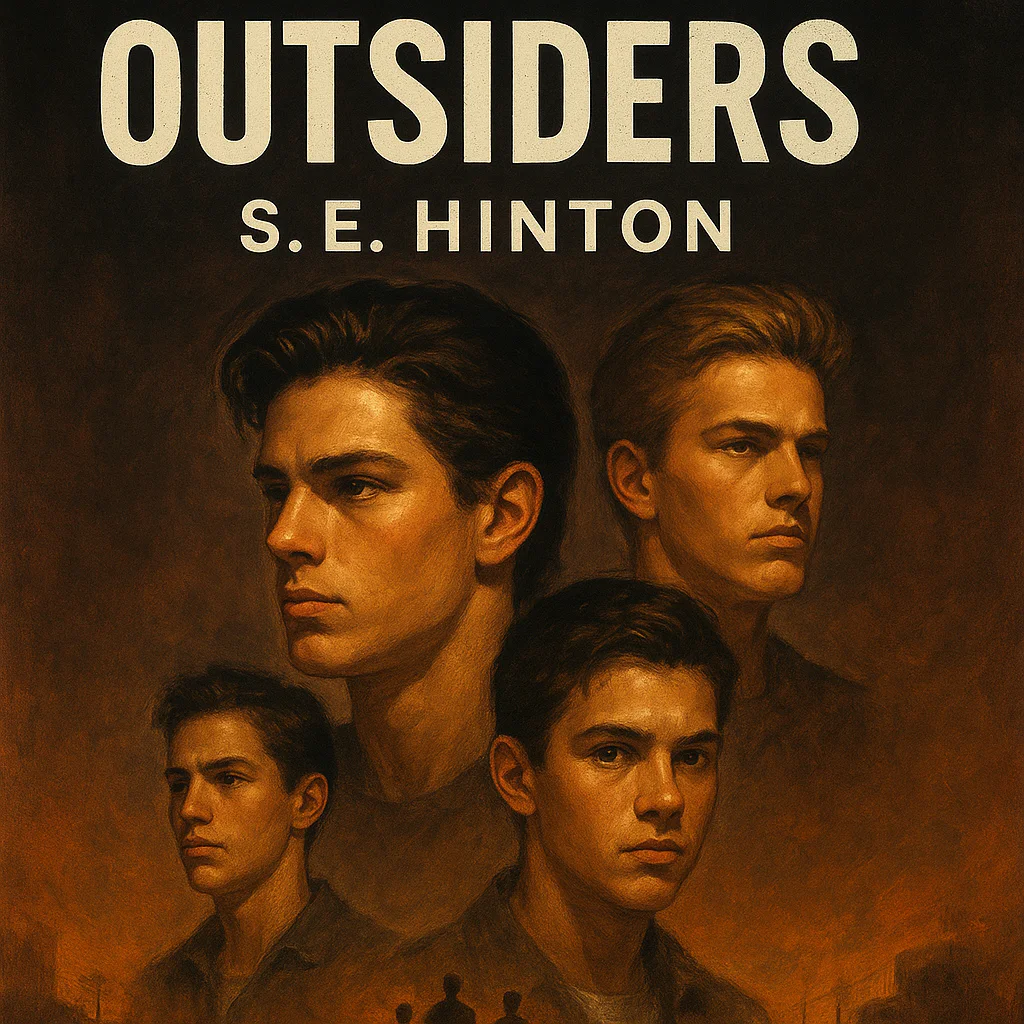
The main topic of The Outsiders is the universal struggle to maintain your humanity and innocence (“gold”) amidst the crushing weight of rigid social class divisions. When students ask, “What is the main topic of The Outsiders?”, they are often looking for a simple answer about gang violence, but the real story is far more profound: it’s about how poverty and wealth create parallel prisons that trap everyone, regardless of their bank account.
S.E. Hinton wrote this masterpiece at just 15 years old, capturing a truth that still stings decades later. She didn’t just invent the Greasers and the Socs; she documented the real, heartbreaking class warfare happening in her own high school in Tulsa, Oklahoma.
Imagine being told you are “bad” simply because your hair is long and your car is beat-up, while the “good” kids get away with murder because they wear khakis. That is the world Ponyboy Curtis navigates, and it’s a world that feels surprisingly familiar today.
Key Takeaways
- Class Warfare is the Core: The primary conflict isn’t just between gangs, but between the socioeconomic systems that define and limit every character’s life.
- Inocence is Fleting: The central message revolves around Robert Frost’s poem, urging readers to “Stay Gold” and protect their unique identity against a cynical world.
- Everyone is an Outsider: The novel reveals that both the rich Socs and the poor Greasers suffer from emotional isolation and lack true belonging.
- Empathy Breaks Bariers: The story teaches that understanding the shared humanity of your “enemy” is the only way to stop the cycle of violence.
Table of Contents
- ⚡️ Quick Tips and Facts
- 📜 The Historical Backdrop: S.E. Hinton’s 1967 Masterpiece
- 🏆 The Most Prominent Theme of The Outsiders: Class Warfare and Social Division
- The Greasers vs. The Socs: A Deep Dive into Socioeconomic Conflict
- Why “Nothing Gold Can Stay” Defines the Novel’s Core Message
- 🎭 Secondary Themes That Shape the Narrative
- 1. The Loss of Innocence in a Brutal World
- 2. The Power of Brotherhood and Chosen Family
- 3. The Cycle of Violence and Its Consequences
- 4. The Search for Identity Amidst Peer Pressure
- 5. The Role of Nature and Sunsets as Universal Connectors
- 📚 How Literature Teaches Life Lessons Through Theme
- 👥 Gang Identities: The Greasers and The Socs Explained
- 👤 Individual Identities: Breaking Free from Labels
- 🤝 Ponyboy and Johnny: The Heart of the Story
- ✨ “Stay Gold, Ponyboy”: Decoding the Ultimate Message
- 🎬 The Outsiders in Pop Culture: From Page to Screen
- 💡 Quick Tips and Facts for Students and Readers
- 🏁 Conclusion
- 🔗 Recommended Links
- ❓ FAQ
- 📖 Reference Links
⚡️ Quick Tips and Facts
Before we dive into the gritty streets of 1960s Tulsa, let’s hit the rewind button on some essential trivia that might just blow your mind. If you’re rushing to finish a book report or just want to sound like a literary genius at the next book club, here are the non-negotiables you need to know about The Outsiders:
- The Teenage Prodigy: S.E. Hinton wrote the first draft of The Outsiders when she was just 15 years old. Yes, you read that right. She was a high school sophomore who got tired of the “good guys vs. bad guys” clichés in YA literature and decided to write the truth about her own peers.
- The Title’s Origin: The title wasn’t chosen by a marketing team. It comes from a poem by Robert Frost, “Nothing Gold Can Stay,” which is quoted in the book. But the phrase “outsider” itself reflects the central feeling of the characters: they don’t fit in anywhere.
- The “Greasers” Look: The iconic greaser style—long, greased hair, leather jackets, blue jeans, and T-shirts—wasn’t just a fashion statement; it was a badge of identity and a shield against the world.
- Real-Life Inspiration: The rivalry between the Greasers and the Socs was based on real cliques Hinton observed in her high school in Tulsa, Oklahoma. The violence wasn’t fiction; it was a reflection of the class warfare happening right outside her window.
- A Lasting Legacy: Published in 1967, the book has never been out of print. It’s one of the most frequently challenged books in American schools due to its language, violence, and themes of drug use, yet it remains a staple of the curriculum for good reason.
If you’re wondering how the plot actually unfolds to create these themes, you’ll want to check out our deep dive into What are the major plot points in The Outsiders? 2024 📚 to see the timeline of events that shatters Ponyboy’s world.
📜 The Historical Backdrop: S.E. Hinton’s 1967 Masterpiece
To truly grasp the main topic of The Outsiders, you have to step out of the 21st century and into the smog-choked, neon-lit streets of Tulsa, Oklahoma, in the mid-1960s. This wasn’t just a setting; it was a character in itself.
S.E. Hinton didn’t just write a story; she documented a social fracture. At the time, the cultural divide between the “haves” and the “have-nots” was palpable. The Socs (short for Socials) represented the upper crust: kids with Mustangs, money, and a future paved with gold. The Greasers were the working-class kids: kids with beat-up Chevys, no parents, and a future that looked like a dead end.
Why This Era Matters
The 1960s were a time of massive social upheaval. While the world was focused on the Civil Rights Movement and the Vietnam War, Hinton zoomed in on the micro-war happening in her own high school. She realized that the “good guys” (Socs) could be just as cruel as the “bad guys” (Greasers), and vice versa.
“Things are rough all over.” — Cherry Valance
This line, spoken by a Soc to a Greaser, is the thesis statement of the entire novel. It shatters the illusion that money buys happiness or that poverty guarantees misery. It suggests that pain is universal, even if the causes differ.
Key Historical Context:
- Class Rigidity: In the 1960s, social mobility was harder than it is today. If you were born poor, you were likely to stay poor. The Greasers knew they were trapped.
- Youth Culture: The rise of the “teenager” as a distinct demographic was still relatively new. Hinton captured the specific angst of being a teenager who feels invisible to adults but hyper-visible to rivals.
- The Absence of Adults: Notice how few adults are in the book? The parents are dead, absent, or ineffective. This forces the kids to create their own family structures and moral codes.
For more on how this setting influences the plot, explore our collection of Classic Literature analyses.
🏆 The Most Prominent Theme of The Outsiders: Class Warfare and Social Division
If you ask a hundred people, “What is the main topic of The Outsiders?”, ninety-nine of them will say Class Warfare. And they’d be right. But let’s dig deeper than just “rich vs. poor.” The novel explores how socioeconomic status dictates your identity, your opportunities, and even how you are perceived by society.
The Greasers vs. The Socs: A Deep Dive into Socioeconomic Conflict
The conflict isn’t just about fighting; it’s about survival and dignity.
| Feature | The Greasers | The Socs |
|---|---|---|
| Economic Status | Working class / Poor | Upper class / Wealthy |
| Appearance | Long hair, leather jackets, jeans | Clean-cut, khakis, sweaters |
| Transport | Old, beat-up cars (Chevy) | New, expensive cars (Mustang) |
| Social Perception | “Hoods,” criminals, delinquents | “Good kids,” future leaders |
| Family Structure | Often broken, absent, or dead | Intact, but emotionally distant |
| Consequences of Violence | Jail, death, social ruin | “It was just a fight,” no real consequences |
The Socs can jump a Greaser, and the worst that happens is a suspension or a slap on the wrist. If a Greaser fights back, they are labeled a criminal. This double standard is the engine that drives the plot. Ponyboy realizes early on that the system is rigged.
“We’re poorer than the Socs and the middle class. I reckon we’re wilder, too.” — Ponyboy Curtis
But here’s the twist: The Socs are just as trapped as the Greasers. They are trapped by expectations. They have to be perfect, rich, and cool. They can’t show weakness. As Cherry Valance explains, “It’s better to be a Soc than a Greaser, but it’s not better to be a Soc than a human being.”
Why “Nothing Gold Can Stay” Defines the Novel’s Core Message
The poem “Nothing Gold Can Stay” by Robert Frost is the spiritual anchor of the book. It appears when Ponyboy and Johnny are hiding out, watching the sunrise.
- The Meaning: “Gold” represents innocence, youth, and the fleeting beauty of life. The poem argues that these things are temporary.
- The Application: The Greasers are “gold” in their raw, unpolished state. They are loyal, brave, and feel things deeply. But the world is trying to strip that gold away, turning them into hardened criminals or dead bodies.
- The Tragedy: The main topic isn’t just that they are poor; it’s that their innocence is doomed by the very society that judges them.
This theme resonates because it’s not just about the 1960s. It’s about anyone who has ever felt like an outsider, anyone who has watched their childhood slip away too fast.
🎭 Secondary Themes That Shape the Narrative
While class warfare is the heavyweight champion, the fight isn’t won by one punch. Several secondary themes weave together to create the rich tapestry of the story. These themes answer the “why” behind the characters’ actions.
1. The Loss of Innocence in a Brutal World
Ponyboy starts the book as a kid who reads Gone with the Wind and loves sunsets. By the end, he has killed a man, watched his best friend die, and realized that the world is cruel. This forced maturation is a core theme.
- The Turning Point: The death of Bob Sheldon and the subsequent fire at the church.
- The Result: Ponyboy loses his ability to see the world in black and white. He realizes that “good” and “bad” are not defined by your bank account or your hair.
2. The Power of Brotherhood and Chosen Family
The Curtis brothers (Ponyboy, Sodapop, Darry) and the Greaser gang function as a surogate family.
- Darry’s Sacrifice: Darry gave up his football scholarship to work two jobs and keep his brothers together. This isn’t just sibling love; it’s a life-or-death commitment.
- The Gang as Family: For Johnny, who is abused by his parents, the Greasers are the only family he has. “I’m glad I’m a Greaser,” he says, because at least he belongs somewhere.
3. The Cycle of Violence and Its Consequences
The novel asks a haunting question: Does violence ever solve anything?
- The Rumble: The big fight between the gangs seems like a solution, but it only leads to more death (Johnny and Dally).
- The Lesson: The cycle of revenge is endless. The only way to break it is to stop fighting, which is exactly what Ponyboy tries to do by writing the story.
4. The Search for Identity Amidst Peer Pressure
Ponyboy struggles with the tension between who he is and who the gang expects him to be.
- The Conflict: He loves poetry and sunsets, things that “real” Greasers don’t care about.
- The Resolution: He learns that he can be a Greaser and a sensitive individual. He doesn’t have to choose one identity over the other.
5. The Role of Nature and Sunsets as Universal Connectors
Nature is the great equalizer.
- The Sunset: When Ponyboy and Cherry watch the sunset, they realize that the same sun sets on both the rich and the poor. “I could see the sun setting… and I thought, ‘It’s the same sun for everyone.'”
- The Symbolism: Nature doesn’t care about your social status. It offers a moment of peace and connection that transcends the gang war.
📚 How Literature Teaches Life Lessons Through Theme
Why do we still read The Outsiders in 2024? Because it teaches us empathy.
In a world that often encourages us to categorize people (rich vs. poor, us vs. them), Hinton forces us to look past the labels. The book teaches us that:
- Everyone has a story: The Socs aren’t just rich jerks; they are lonely kids with their own problems.
- Labels are dangerous: Calling someone a “Greasers” or a “Hood” dehumanizes them and makes violence easier.
- Empathy is the antidote: The only way to stop the cycle of violence is to understand the other side.
This is why the book is a staple in Book Sumaries and Book Reviews alike. It’s not just a story about gangs; it’s a manual for human connection.
👥 Gang Identities: The Greasers and The Socs Explained
Let’s break down the two tribes. Understanding their identities is crucial to understanding the main topic.
The Greasers: The Outcasts
- Who they are: Working-class kids from the East Side.
- The Vibe: Tough on the outside, soft on the inside. They are loyal to a fault.
- The Code: “You stick together.” If one Greaser is in trouble, they all show up.
- The Flaw: They are often defensive and quick to fight, which reinforces the negative stereotypes society has of them.
The Socs: The Privileged
- Who they are: Wealthy kids from the West Side.
- The Vibe: Cool, detached, and often bored. They use violence as a form of entertainment.
- The Code: “Don’t get caught.” They have the resources to cover up their mistakes.
- The Flaw: They are emotionally stunted. They don’t know how to feel or connect because they are too busy maintaining their image.
The Irony: Both groups are outsiders in their own way. The Greasers are outsiders because of poverty; the Socs are outsiders because of their emotional isolation.
👤 Individual Identities: Breaking Free from Labels
The most compelling part of the novel is how the characters struggle to define themselves outside of their group.
- Ponyboy: He is the ultimate example of this. He loves reading, writing, and watching sunsets. He doesn’t fit the “tough Greaser” mold.
Quote: “I’m not like the rest of the gang. They just don’t dig [sunsets]. Just you and Sodapop.” — Johnny - Sodapop: He is the heart of the family. He’s handsome, charming, and doesn’t care about the gang wars. He just wants to be happy.
- Darry: He is the “father” figure. He has to be tough to survive, but he loves his brothers deeply.
- Cherry Valance: A Soc who sees the humanity in the Greasers. She breaks the mold of the “rich girl.”
The main topic here is self-actualization. Can you be true to yourself when the world wants you to be something else?
🤝 Ponyboy and Johnny: The Heart of the Story
If the book has a soul, it belongs to Ponyboy and Johnny. Their friendship is the emotional core of the narrative.
- The Dynamic: Ponyboy is the dreamer; Johnny is the survivor.
- The Bond: Johnny is abused by his parents and feels worthless. Ponyboy is the first person who treats him with kindness.
- The Sacrifice: Johnny kills Bob to save Ponyboy. He gives up his life for his friend.
- The Legacy: Johnny’s dying words, “Stay gold,” are the moral compass of the book. He wants Ponyboy to keep his innocence and his unique perspective, even if the world tries to crush it.
This relationship shows that love and loyalty are more powerful than class or violence.
✨ “Stay Gold, Ponyboy”: Decoding the Ultimate Message
“Stay Gold” is the most famous line in the book, and for good reason. It’s the answer to the question: “What is the main topic of The Outsiders?”
- The Meaning: “Gold” represents the best parts of being human: innocence, hope, beauty, and the ability to feel.
- The Warning: The world will try to make you hard, cynical, and bitter. It will try to turn you into a “Greasers” or a “Soc” in the worst sense.
- The Call to Action: Don’t let that happen. Keep your heart open. Keep seeing the sunsets. Keep being you.
This message is timeless. It applies to anyone who has ever felt pressured to conform.
🎬 The Outsiders in Pop Culture: From Page to Screen
You can’t talk about The Outsiders without mentioning the 1983 film directed by Francis Ford Coppola. It’s a masterpiece that brought the book to life.
- The Cast: It featured a “who’s who” of future superstars: Matt Dillon, Patrick Swayze, Tom Cruise, Rob Lowe, Emilio Estevez, C. Thomas Howell, and Ralph Machio.
- The Impact: The movie made the book even more popular and introduced it to a new generation.
- The Differences: The movie stays very true to the book, but it adds a bit more visual flair. The “Stay Gold” scene is iconic in both.
If you’re interested in how books translate to movies, check out our Book-to-Film Adaptations category.
💡 Quick Tips and Facts for Students and Readers
- Symbolism Alert: The switchblade represents Johnny’s fear and his need for protection. The sunset represents hope and connection. The church represents a temporary sanctuary that ultimately becomes a place of tragedy.
- Character Arc: Ponyboy’s arc is from naivety to wisdom. He starts thinking the world is simple (Greasers bad, Socs good) and ends up understanding the complexity of human nature.
- Writing Style: Hinton writes in the first person, which makes the story feel intimate and immediate. You are inside Ponyboy’s head.
- Why It’s Challenged: The book is often banned because of its language (swearing), violence (murder, fighting), and themes (drug use, suicide). But these elements are what make it realistic and powerful.
🏁 Conclusion

So, what is the main topic of The Outsiders? It’s not just about gangs, or class warfare, or even the loss of innocence. It’s about the universal struggle to find your place in a divided world.
S.E. Hinton masterfully shows us that while we may be separated by money, status, or geography, we are all connected by our shared humanity. The Socs and the Greasers are two sides of the same coin. They are both kids trying to survive, trying to love, and trying to hold onto their “gold” in a world that wants to strip it away.
The Verdict:
- Positives: A timeless story of empathy, a realistic portrayal of youth, unforgettable characters, and a powerful message about the importance of individuality.
- Negatives: The violence can be intense for younger readers, and the ending is bittersweet (prepare for tears).
- Recommendation: Must Read. Whether you’re a student, a teacher, or just a lover of great literature, The Outsiders is a book that will stay with you long after you turn the last page. It reminds us to “Stay Gold” and to see the world through the eyes of someone else.
If you’re ready to dive deeper into the plot, don’t forget to revisit our guide on What are the major plot points in The Outsiders? 2024 📚.
🔗 Recommended Links
Ready to add this classic to your shelf or start your journey with the audiobook? Here are the best places to grab your copy:
- The Outsiders (Paperback): Amazon | Barnes & Noble | Penguin Random House
- The Outsiders (Audiobook): Audible | Amazon
- The Outsiders (Movie): Amazon Prime Video | Apple TV
❓ FAQ

What is the main idea of The Outsiders?
The main idea is that social class and group identity should not define a person’s worth. Despite the deep divide between the Greasers and the Socs, both groups share the same human struggles, and empathy is the key to bridging that gap.
Read more about “The Outsiders Chapter 2 Summary: A Riveting Conflict Unfolds! … 👀”
What is theme of The Outsiders in a sentence?
The central theme is the conflict between individual identity and group conformity, set against the backdrop of a rigid class system that forces young people into roles they don’t want.
What are the main lessons in The Outsiders?
The main lessons are:
- Empathy: Try to understand others before judging them.
- Identity: Don’t let labels define who you are.
- Inocence: Protect your “gold” (your innocence and hope) as long as you can.
- Family: Chosen family can be just as strong as biological family.
Read more about “📖 The Outsiders Book Summary: A Timeless Tale of Greasers & Socs (2026)”
What is the main point of The Outsiders book?
The main point is to show that everyone is an outsider in some way, and that the divisions we create (rich vs. poor, us vs. them) are artificial and destructive.
What is the main theme of The Outsiders?
The main theme is class conflict and the search for identity. It explores how socioeconomic status shapes a person’s life and how individuals struggle to maintain their unique selves within a rigid social structure.
Read more about “What is the Summary of the Book Outsiders? … 📚”
What is the central message of The Outsiders?
The central message is “Stay Gold.” It’s a call to hold onto your innocence, your kindness, and your unique perspective, even when the world tries to make you hard and cynical.
What is the plot summary of The Outsiders?
Ponyboy Curtis, a Greaser, is beaten by Socs. His friend Johnny kills a Soc in self-defense, and the two flee to a church. They save children from a fire, but Johnny is mortally wounded. Before dying, he tells Ponyboy to “Stay Gold.” The Greasers win a rumble against the Socs, but the victory feels hollow. Ponyboy writes the story to honor Johnny and teach others about empathy.
Read more about “The Outsiders Book Chapter 1: A Riveting Start to a Timeless Classic … 📚”
What are the key symbols in The Outsiders?
- The Sunset: Represents the beauty that connects everyone, regardless of class.
- The Poem “Nothing Gold Can Stay”: Represents the fleeting nature of innocence.
- The Switchblade: Represents fear and the need for protection.
- The Church: Represents a temporary sanctuary that ultimately becomes a place of tragedy.
Read more about “What are the major plot points in The Outsiders? … 📚”
Who are the main characters in The Outsiders?
- Ponyboy Curtis: The narrator and protagonist.
- Johnny Cade: Ponyboy’s best friend.
- Darry Curtis: Ponyboy’s older brother.
- Sodapop Curtis: Ponyboy’s middle brother.
- Dallas Winston: The tough, rebellious Greaser.
- Cherry Valance: A Soc who befriends the Greasers.
- Bob Sheldon: A Soc who is killed by Johnny.
Read more about “The Outsiders Book Summary: A Gripping Tale of Friendship and Identity … 👥📖”
What is the setting of The Outsiders?
The story is set in Tulsa, Oklahoma, in the mid-1960s. The city is divided into the East Side (Greasers) and the West Side (Socs).
What is the moral of The Outsiders?
The moral is that no one is truly an outsider if we choose to see each other as human beings. We are all connected, and we should treat each other with kindness and understanding.
📖 Reference Links