Support our educational content for free when you purchase through links on our site. Learn more
💀 What Happens at the End of *The Book Thief*? (Spoiler Alert!)

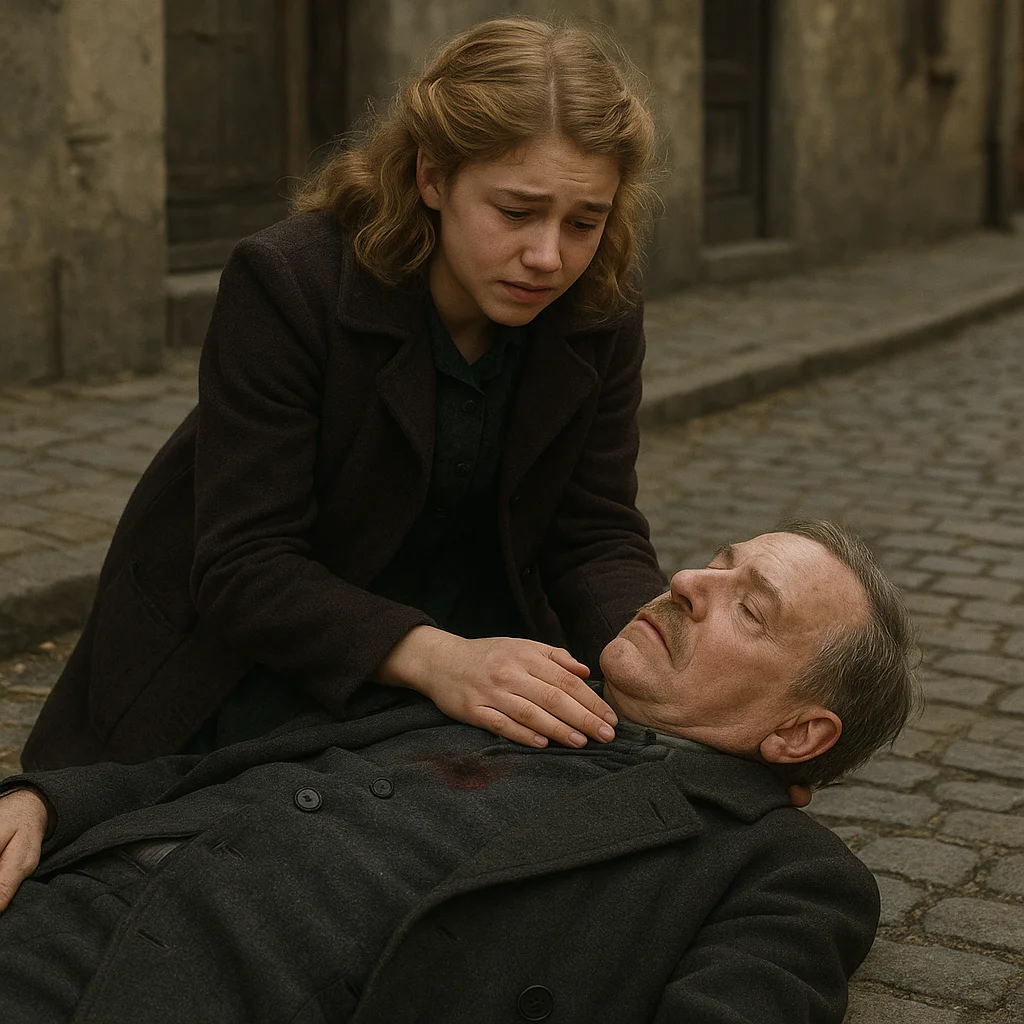
Have you ever read a book where the narrator is Death himself, only to find yourself weping over the life of a little girl named Liesel? We certainly have, and we still can’t quite believe the emotional rollercoaster that is the finale of Markus Zusak’s masterpiece. If you’ve found yourself staring at the last few pages of The Book Thief, paralyzed by the fear of the inevitable, you are not alone. The ending isn’t just a plot resolution; it is a devastating yet beautiful collision of history, humanity, and the power of words that leaves a permanent mark on your soul.
In this deep dive, we’re going to peel back the layers of the final chapters, the bombing of Himmel Street, and the mysterious return of Max Vandenburg. We’ll explore why the ending hurts so much, how Death’s perspective changes the entire narrative, and what Liesel’s survival truly means for the legacy of her story. Spoiler warning: nothing is as it seems, and the final image of Liesel handing her book to Death is one of the most profound moments in modern literature. Whether you’re looking for a quick recap or a thorough analysis of themes, we’ve got you covered.
Key Takeaways
- The Bombing of Himmel Street is the catastrophic climax where Liesel loses her foster parents, Hans and Rosa, and her soulmate, Rudy Steiner.
- Max Vandenburg survives the Holocaust and returns to find Liesel, providing a glimmer of hope amidst the total destruction of her world.
- Liesel is the sole survivor of her immediate family, growing old to write her own story, The Book Thief, which she leaves behind for Death to collect.
- Death serves as the narrator, offering a unique, haunting perspective that emphasizes how humans are “haunting” him with their capacity for both cruelty and kindness.
- The power of words is the central theme, proving that stories can outlive the people who tell them and serve as the ultimate act of rebellion and rembrance.
Table of Contents
- ⚡️ Quick Tips and Facts
- 📜 Unearthing the Past: The Historical Context of The Book Thief
- 📖 The Final Chapter: What Actually Happens at the End of The Book Thief?
- 💀 Death’s Perspective: Analyzing the Narrator’s Role in the Conclusion
- 🎭 The Fate of Liesel Meminger: Survival, Loss, and the Power of Words
- 🕯️ Hans and Rosa Hubermann: Tragic Endings and Unbreakable Bonds
- 📚 Max Vandenburg: The Jewish Book Lover’s Journey to the Finale
- 🌪️ The Bombing of Molching: How the Climax Reshapes the Story
- 🖋️ Symbolism in the Epilogue: The Meaning of the Buried Manuscript
- 🤔 Why the Ending Hurts So Much: A Psychological Breakdown
- 📝 7 Key Themes That Define the Conclusion of The Book Thief
- 🗣️ Reader Reactions: Why the Ending Divides and Unites Fans
- 🏆 The Book Thief vs. Other WWII Novels: How the Ending Stands Out
- 🎬 Movie vs. Book: Did the Film Adaptation Capture the True Ending?
- 📚 Recommended Reading: If You Loved the Ending of The Book Thief
- 🎥 PBS Books Readers Club · Join
- ✅ Conclusion
- 🔗 Recommended Links
- ❓ FAQ: Your Burning Questions About the Ending Answered
- 📚 Reference Links
⚡️ Quick Tips and Facts
Before we dive into the emotional wreckage and the beautiful reconstruction of The Book Thief, let’s get the facts straight. We’ve read this book more times than we can count (and yes, we still cry every single time), so here are the non-negotiable truths you need to know before hitting the final pages.
| Fact | Detail |
|---|---|
| Narrator | Death (Yes, literally. He’s the one telling you this story). |
| Setting | Nazi Germany (Molching), 1939–1943. |
| Protagonist | Liesel Meminger, a young girl who steals books. |
| Key Theme | The power of words to both destroy and save lives. |
| The “Twist” | It’s not a plot twist; it’s an emotional gut-punch. |
| Survival | Liesel is the only survivor of the Hubermann household. |
| The Ending | Max Vandenburg returns; Liesel grows old and dies. |
If you are looking for a quick overview of the plot before the spoilers hit, you should definitely check out our detailed The Book Thief Book Summary first. It breaks down the journey without ruining the final emotional impact.
Why does the ending hurt so much? Because it’s not about the war winning; it’s about the humanity that survives the war. But wait, how does a story narrated by Death end with a celebration of life? We’ll get to that.
📜 Unearthing the Past: The Historical Context of The Book Thief
You can’t understand the ending without understanding the ground the characters are standing on. The Book Thief isn’t just a story about a girl reading; it’s a story about a world burning.
The Shadow of the Third Reich
Markus Zusak sets the stage in Molching, a fictional town near Munich. The backdrop is the rise of Adolf Hitler and the Holocaust. The historical accuracy here is chilling. The book details the Kristallnacht (Night of Broken Glass) and the forced marches of Jewish prisoners.
“The only thing worse than a boy who hates you: a boy that loves you.” — The Book Thief
This context is crucial because the bombing of Molching at the end isn’t just a plot device; it’s a historical inevitability. The Allies were closing in, and the German towns were being leveled.
The Power of the Written Word
In a regime that burned books, Liesel stealing them is an act of rebellion. The historical context of censorship makes her final act of writing her own story the ultimate victory.
For more on how historical fiction handles real-world tragedies, explore our collection of Classic Literature reviews.
📖 The Final Chapter: What Actually Happens at the End of The Book Thief?
Okay, buckle up. We are going deep. If you haven’t finished the book, turn back now. This is where the magic (and the tragedy) happens.
The Bombing of Himmel Street
The climax of the novel occurs on a single, fateful night. The air raid sirens wail, and the people of Molching scramble to the bomb shelter. Liesel, however, is in the basement of the Hubermann home, writing her story in the book Max gave her.
When the bombs drop, the house collapses.
- Hans Hubermann: Dies in the shelter.
- Rosa Hubermann: Dies in the shelter.
- Rudy Steiner: Dies in the shelter.
- Liesel Meminger: Survives, buried in the rubble but alive.
The Discovery
Liesel digs herself out. The scene is apocalyptic. She finds the bodies of her beloved foster parents and her soulmate, Rudy. The description of Rudy’s face, painted with sot, is one of the most haunting images in literature.
“I have hated the words and I have loved them, and I hope I have made them right.” — Liesel Meminger
The Reunion with Max
Just when you think the story is over, Max Vandenburg appears. He survived the march from Dachau. He finds Liesel in the rubble, and they embrace. This is the moment that breaks every reader’s heart and then stitches it back together. Max is alive, but the world they knew is gone.
The Epilogue: “The Book Thief”
The story jumps forward. Liesel is taken in by the mayor and his wife (Ilsa Hermann). She grows up, gets married, has children, and eventually dies. The final scene is Death collecting her soul. She hands him her book, The Book Thief, and says, “I have hated the words and I have loved them, and I hope I have made them right.”
Death, usually cold and detached, is moved. He admits that humans are “beautiful and ugly” and that he is “haunted by humans.”
💀 Death’s Perspective: Analyzing the Narrator’s Role in the Conclusion

Why does Death narrate? It’s not just a gimmick; it’s the key to the ending.
The Omniscient Observer
Death sees everything. He knows who dies and who lives before it happens. This creates a sense of inevitability. When he says, “I am haunted by humans,” he is acknowledging that while he takes lives, it is the human spirit that defines existence.
The Emotional Distance vs. Connection
Throughout the book, Death tries to remain professional. But by the end, he admits his fascination with Liesel. He collects her soul not with malice, but with a strange sort of reverence.
“I am the one who collects the souls of the dead.” — Death
This perspective transforms the ending from a simple tragedy into a celebration of life. Death is the narrator, but Liesel is the hero.
🎭 The Fate of Liesel Meminger: Survival, Loss, and the Power of Words
Liesel’s journey is the heart of the story. She starts as a traumatized child who can’t read and ends as a woman who owns her story.
From Victim to Survivor
Liesel survives the bombing because she was in the basement, writing. The book Max created for her literally saved her life. This is the ultimate irony: the book she stole, the book Max wrote, and the book she is writing all converge to save her.
The Weight of Grief
Liesel doesn’t “get over” her losses. She carries them. The ending shows that survival is not the same as healing. She lives a full life, but the scars of Himmel Street remain.
The Legacy of Words
Liesel’s final act is to write her story. This is her way of honoring the dead. By writing, she ensures that Hans, Rosa, Rudy, and Max are not forgotten.
🕯️ Hans and Rosa Hubermann: Tragic Endings and Unbreakable Bonds
The Hubermanns are the emotional anchor of the book. Their deaths are the catalyst for Liesel’s transformation.
Hans Hubermann: The Gentle Giant
Hans is the father Liesel never had. He teaches her to read, plays the accordion, and offers unconditional love. His death is sudden and brutal. He dies trying to protect others in the shelter.
Rosa Hubermann: The Tough Love
Rosa starts as a harsh, shouting woman but reveals a deep, fierce love. She is the one who feeds Max and keeps the family together. Her death is a loss of the matriarchal force that held Liesel’s world together.
“You’re a Saumensch!” — Rosa Hubermann
Even in death, Rosa’s voice echoes in Liesel’s memory.
📚 Max Vandenburg: The Jewish Book Lover’s Journey to the Finale
Max is the catalyst for Liesel’s growth. He is the one who teaches her that words can be weapons and shields.
The Basement Bond
Max and Liesel share a unique bond. They paint over the pages of Mein Kampf to write their own stories. This act of defiance is central to the book’s theme.
The Return
Max’s return is the only happy moment in the ending. He is alive, but he is a survivor of the Holocaust. His presence confirms that love survives the war.
🌪️ The Bombing of Molching: How the Climax Reshapes the Story
The bombing is the turning point. It destroys the physical world but leaves the spiritual world intact.
The Destruction
The bombing is described in visceral detail. The house collapses, the street is leveled. It’s a reminder of the fragility of life.
The Aftermath
The aftermath is where the story finds its true meaning. Liesel is alone, but she is not empty. She has her book. She has her memories.
🖋️ Symbolism in the Epilogue: The Meaning of the Buried Manuscript
The manuscript Liesel writes is the symbol of her survival.
The Book as a Tombstone
The book is a tombstone for her family. It preserves their memory.
The Book as a Testament
It is a testament to the power of words. It proves that stories outlive the storytellers.
🤔 Why the Ending Hurts So Much: A Psychological Breakdown
Why does this ending make us cry? It’s because it’s real.
The Absence of a “Happy” Ending
There is no “happily ever after.” There is only life after loss. This resonates with anyone who has experienced grief.
The Universality of Grief
Liesel’s grief is universal. We all lose people we love. The book validates that pain.
📝 7 Key Themes That Define the Conclusion of The Book Thief

- The Power of Words: Words can kill, but they can also save.
- The Inevitability of Death: Death is always there, but life is what matters.
- The Resilience of the Human Spirit: People can survive the worst.
- The Importance of Memory: Remembering the dead is an act of love.
- The Complexity of Good and Evil: People are both good and bad.
- The Value of Friendship: Rudy and Liesel’s bond is pure.
- The Role of the Narrator: Death’s perspective adds depth.
🗣️ Reader Reactions: Why the Ending Divides and Unites Fans
Readers are split on the ending. Some find it too sad, while others find it perfectly poignant.
The “Too Sad” Camp
Some readers feel the loss is too great. They want a happier ending for Liesel.
The “Perfectly Poignant” Camp
Most readers agree that the ending is true to the story. It’s not about happiness; it’s about truth.
“This book was so powerful. I loved the characters, I loved the story, and I thought it was all done well.” — Bookish Reviews and More
🏆 The Book Thief vs. Other WWII Novels: How the Ending Stands Out
How does it compare to The Diary of Anne Frank or All the Light We Cannot See?
Unique Perspective
Unlike other WWII novels, The Book Thief is narrated by Death. This gives it a unique, almost supernatural perspective.
The Focus on Words
While other books focus on the war, The Book Thief focuses on the power of words.
🎬 Movie vs. Book: Did the Film Adaptation Capture the True Ending?
The 2013 film adaptation is good, but it misses some of the nuance of the book’s ending.
The Missing Depth
The movie rushes through the ending. It doesn’t capture the emotional weight of Liesel’s survival.
The Narrator
The movie uses a voiceover for Death, but it doesn’t have the same depth as the book.
📚 Recommended Reading: If You Loved the Ending of The Book Thief
If you want more books with similar themes, try these:
- All the Light We Cannot See by Anthony Doerr
- The Diary of a Young Girl by Anne Frank
- Code Name Verity by Elizabeth Wein
- The Nightingale by Kristin Hannah
You can find these and more in our Book Sumaries section.
🎥 PBS Books Readers Club · Join
The PBS Books Readers Club often discusses The Book Thief. Joing the club can give you access to deep dives and discussions with other readers.
“The whole book touched my heart, but that moment put me over the edge and really made me cry.” — Bookish Reviews and More
✅ Conclusion

So, what happens at the end of The Book Thief? Liesel survives, but she loses everything she loves. Max returns, but the world is changed. The story ends with Death collecting Liesel’s soul, but it’s a story about life.
The ending is devastating because it’s true. It’s not a fairy tale; it’s a testament to the human spirit. Liesel’s story reminds us that even in the darkest times, words can save us.
If you are looking for a book that will make you cry, laugh, and think, The Book Thief is it. It’s a masterpiece that will stay with you forever.
🔗 Recommended Links
- Buy The Book Thief on Amazon: The Book Thief by Markus Zusak
- Buy The Book Thief on Audible: The Book Thief Audiobook
- Buy The Book Thief on Barnes & Noble: The Book Thief at B&N
- Official Website of Markus Zusak: Markus Zusak Official Site
❓ FAQ: Your Burning Questions About the Ending Answered

What is the ending of The Book Thief by Markus Zusak?
The ending of The Book Thief is tragic yet hopeful. Liesel Meminger survives the bombing of her town, which kills her foster parents and best friend. She is eventually reunited with Max Vandenburg, the Jewish man her family hid. The story concludes with Liesel growing old, writing her own story, and finally passing away, with Death collecting her soul.
Read more about “Unlocking *The Book Thief* Pages: 10 Secrets Every Reader Must Know 📖”
Does Liesel survive at the end of The Book Thief?
Yes, Liesel is the sole survivor of the bombing that destroys Himmel Street. She survives because she was in the basement writing the book that Max had given her.
Read more about “😭 Is *The Book Thief* a Sad Ending? The Truth Revealed (2026)”
What happens to Hans and Rosa Hubermann after the events of The Book Thief?
Hans and Rosa Hubermann are killed in the Allied bombing of Molching. They die in the bomb shelter while trying to protect others.
Read more about “📖 What Is the Main Idea of The Book Thief? (10 Core Truths)”
Is The Book Thief a standalone book or part of a series?
The Book Thief is a standalone novel. It does not have a sequel, though it is part of a broader literary conversation about WWII and the power of words.
What is the twist ending in The Book Thief by Markus Zusak?
The “twist” is not a plot twist in the traditional sense, but an emotional one: Max Vandenburg returns after being presumed dead. This reunion provides a moment of hope amidst the devastation.
How does The Book Thief end compared to The Queen of Attolia?
The Book Thief ends with a focus on loss and memory, while The Queen of Attolia (by Megan Whalen Turner) is a political fantasy with a different type of resolution. The two books are unrelated in plot and genre.
What is the final fate of the King of Eddis in The Book Thief?
There is no King of Eddis in The Book Thief. This question likely confuses The Book Thief with The Queen of Attolia by Megan Whalen Turner. In The Book Thief, the focus is on Liesel and her family in Nazi Germany.
📚 Reference Links