Support our educational content for free when you purchase through links on our site. Learn more
😭 Is *The Book Thief* a Sad Ending? The Truth Revealed (2026)

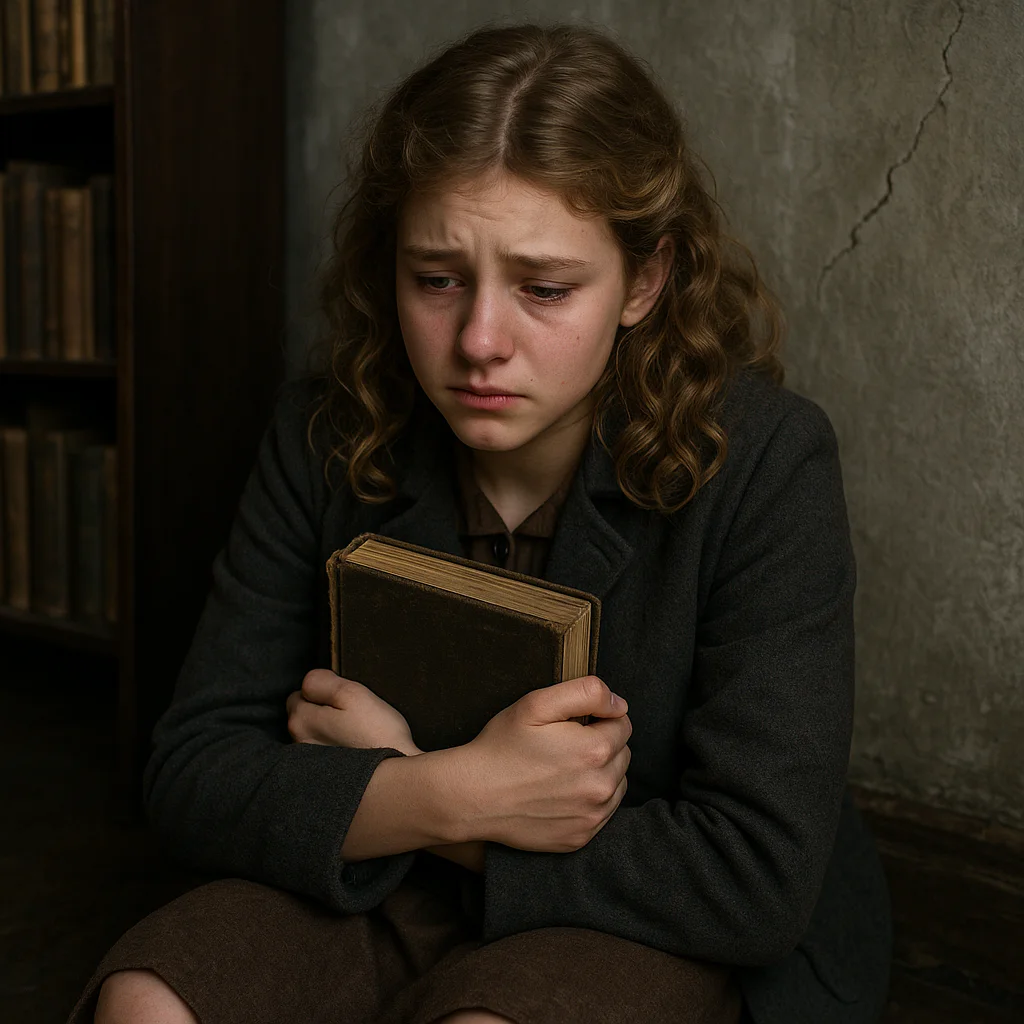
We’ve all been there: you’re halfway through a book, completely captivated, and a naging voice in your head asks, “Do I need to stock up on tissues?” When it comes to Markus Zusak’s masterpiece, the answer is a resounding yes, but the story behind why is far more complex than a simple “sad” label. While the world celebrates the 20th anniversary of this literary phenomenon, we’re here to cut through the nostalgia and answer the burning question: Is The Book Thief a sad ending?
Spoiler alert: It is one of the most heartbreaking conclusions in modern literature, yet it manages to leave you with a strange sense of hope. In this deep dive, we’ll unpack the final pages, analyze the fate of every major character, and explore why Death himself finds the ending so haunting. We’ll also reveal the seven specific reasons why readers universally wep over Rudy Steiner and discuss how the book’s ending compares to the movie adaptation. Whether you’re a first-time reader terrified of the spoilers or a fan revisiting the ashes of Himmel Street, this guide will help you navigate the emotional minefield.
Key Takeaways
- The Verdict: Yes, the ending is undeniably tragic, featuring the death of almost the entire main cast, including the beloved Rudy Steiner and the Hubermanns.
- The Twist: Despite the devastation, the story offers a bittersweet hope through Liesel’s survival and her power to preserve memories through writing.
- The Narrator: The unique perspective of Death as the narrator transforms the tragedy from a personal loss into a universal commentary on humanity.
- Comparison: The book’s ending is more emotionally devastating than the film adaptation, which softens the blow with a more explicit reunion scene.
- Why It Matters: The conclusion teaches us that while we cannot control death, we can control how we honor the dead through our stories.
Table of Contents
- ⚡️ Quick Tips and Facts
- 📜 A Brief History: How The Book Thief Became a Literary Phenomenon
- 🎭 The Heartbreaking Truth: Is The Book Thief a Sad Ending?
- 💔 Unpacking the Final Pages: Death, Lies, and the Power of Words
- 📚 7 Key Reasons Why Readers Cry Over the Finale
- 🌈 Finding Hope in the Ashes: Is There a Silver Lining?
- 👥 Character Arcs: Who Survived and Who Didn’t?
- ✍️ The Narrator’s Role: How Death Shapes the Story’s Emotional Impact
- 🆚 Comparing the Book vs. the Movie: Which Ending Hits Harder?
- 🧠 Psychological Impact: Why We Love Tragic Endings
- 📖 5 Similar Books with Bittersweet or Tragic Endings
- 💡 Quick Tips and Facts for First-Time Readers
- 🏆 Conclusion: The Beauty of a Bittersweet Farewell
- 🔗 Recommended Links
- ❓ FAQ: Your Burning Questions About The Book Thief Answered
- 📚 Reference Links
⚡️ Quick Tips and Facts
Before we dive into the emotional abyss of Molching, Germany, let’s hit the pause button and grab a tissue. Here are the rapid-fire facts you need to know before asking, “Is The Book Thief a sad ending?”
- The Narrator is Death: Yes, literally. The story is narrated by a personification of Death, who is surprisingly empathetic, curious, and often exhausted by the human condition.
- Historical Setting: The novel is set in Nazi Germany (1939–1945), focusing on the “ordinary” German citizens rather than just the concentration camps.
- The Protagonist: Liesel Meminger, a young girl who steals books to cope with the trauma of losing her brother and being separated from her mother.
- The Verdict: Yes, the ending is undeniably tragic. However, it is also profoundly hopeful in its own unique way. It’s a “bittersweet” masterpiece, not just a downer.
- The “Rudy” Factor: If you think you can make it to the end without crying over a specific character named Rudy Steiner, you are lying to yourself.
For a deeper dive into the plot before we spoil the finale, check out our comprehensive The Book Thief Book Summary.
📜 A Brief History: How The Book Thief Became a Literary Phenomenon
Markus Zusak didn’t just write a book; he crafted a cultural artifact. Published in 205 (though the Facebook post we’ll discuss later notes its 20th anniversary in 2025, marking a long journey to global fame), The Book Thief has sold millions of copies worldwide and has been translated into dozens of languages.
Why did it stick? Because it dared to tell the story of the Holocaust through the eyes of a child who wasn’t Jewish, but was German, and who found salvation in words.
The Unlikely Hero: Death as a Character
Most war stories feature a human narrator. Zusak flipped the script. Death is the narrator, and he is fascinated by humans. He describes them as “the animals” but also as “the beautiful ones.” This perspective allows the reader to see the ending not just as a personal tragedy for Liesel, but as a cosmic inevitability that Death himself finds both exhausting and beautiful.
“I am haunted by humans.” — The Book Thief
This unique narrative voice is what makes the ending so devastating. We know from page one that everyone dies. The suspense isn’t if they will die, but how and when.
🎭 The Heartbreaking Truth: Is The Book Thief a Sad Ending?
Let’s cut to the chase. You clicked on this article because you want to know: Is The Book Thief a sad ending?
The short answer? Yes. It is one of the most emotionally draining endings in modern literature.
The long answer? It’s complicated. The ending is a masterclass in emotional duality. It is sad because of the sheer loss of life, but it is uplifting because of the power of human connection and the survival of the human spirit through Liesel.
The “Rudy” Moment
If you haven’t read the book, stop here. If you have, you know the moment. The scene where Liesel finds Rudy Steiner in the rubble of Himmel Street is the emotional climax that defines the entire book.
“Rudy nine. Rudy, wake up. Rudy nine. Wake up Rudy. Rudy, wake up. Rudy, kiss me.”
This isn’t just a death; it’s a shattering of innocence. Rudy, the boy who loved Jesse Owens and wanted a kiss from Liesel, is gone. The ending forces the reader to confront the reality that good people die in war, and sometimes, the most innocent ones die first.
The Foreshadowing Trap
Many readers feel blindsided by the sadness, even though Death hints at it constantly. As one reader in the PBS Books Readers Club noted: “No matter how much the narrator tries to prepare you for the end of The Book Thief, nothing can truly prepare your emotions!”
This is the genius of Zusak. He tells you the ending, but the emotional weight of it hits you only when you are standing in the rubble with Liesel.
💔 Unpacking the Final Pages: Death, Lies, and the Power of Words
To understand why the ending is so sad, we have to look at the final chapters. The narrative accelerates toward the bombing of Himmel Street.
The Bombing of Himmel Street
In a single night, the Hubermanns’ home, their neighbors, and their friends are obliterated.
- Hans Hubermann: Liesel’s foster father, the accordion player who taught her to read, is killed.
- Rosa Hubermann: Liesel’s fierce, swearing foster mother, is killed.
- Rudy Steiner: Liesel’s best friend and unrequited love, is killed.
- Max Vandenburg: The Jewish man hiding in the basement, survives, but loses his home and his family.
The tragedy is compounded by the fact that the Hubermanns were good people in a bad system. They hid a Jew. They shared their meager food. They were punished by the very war they tried to survive.
The Survival of Liesel
Liesel survives, but she is left with nothing but a book she wrote in the rubble. She is taken in by a soldier (the one who carried her away in the video summary). The ending is a hollow victory. She is alive, but her “family” is gone.
📚 7 Key Reasons Why Readers Cry Over the Finale
Why does this book break us? Here are the seven pillars of sadness that make the ending so unforgettable:
- The Death of Rudy Steiner: The most heartbreaking character arc. His death is sudden, brutal, and devoid of glory.
- The Loss of the “Family”: The Hubermanns were a makeshift family built on love, not blood. Their destruction feels like a personal loss to the reader.
- The Irony of Survival: Liesel survives, but she is the one left to carry the memory. The guilt of being the “survivor” is a heavy burden.
- The Destruction of Words: The book she wrote in the rubble is the only thing left. It symbolizes that words are all we have when everything else is gone.
- The Narrator’s Compassion: Death, usually a cold figure, is shown to be gentle and sorrowful. If even Death is sad, how can we not be?
- The Historical Reality: Knowing that this is based on real events (though fictionalized) adds a layer of historical grief.
- The Unresolved Love: Liesel and Rudy never get their “kiss” in the traditional sense. Their love story ends in tragedy, not romance.
🌈 Finding Hope in the Ashes: Is There a Silver Lining?
If the ending is so sad, why do we love it? Because there is a silver lining buried in the ashes.
The Power of the Written Word
Liesel writes her own story. She becomes the author of her own life. The book ends with her holding the manuscript, a testament to the fact that stories survive even when people don’t.
“I have hated the words and I have loved them, and I hope I have made them right.”
This is the hope in the sadness. The human spirit, represented by Liesel, refuses to be erased.
Max’s Survival
Max Vandenburg survives. He and Liesel reunite years later. This small thread of continuity proves that life goes on. It’s not a “happy” ending, but it is a healing one.
👥 Character Arcs: Who Survived and Who Didn’t?
Let’s break down the fates of the main characters. This table will help you visualize the devastation.
| Character | Fate | Reason for Sadness |
|---|---|---|
| Liesel Meminger | Survived | Left alone to carry the memory of everyone she loved. |
| Rudy Steiner | Died | Killed in the bombing; his death is the emotional core of the tragedy. |
| Hans Hubermann | Died | Killed in the bombing; the father figure who taught Liesel to read. |
| Rosa Hubermann | Died | Killed in the bombing; the fierce mother figure. |
| Max Vandenburg | Survived | Escaped the basement before the bombing; reunites with Liesel later. |
| Ilsa Hermann | Survived | The mayor’s wife; she leaves her library open for Liesel. |
| Alex Steiner | Died | Rudy’s father; killed in the war. |
✍️ The Narrator’s Role: How Death Shapes the Story’s Emotional Impact
The narrator, Death, is the glue holding this tragedy together. He doesn’t just report the events; he fels them.
Death’s Perspective
Death describes the colors of the world (black, white, red) and the souls he collects. He is not a villain; he is a witness.
- Why it matters: When Death says, “I am haunted by humans,” he is telling us that the tragedy of the ending is not just about the characters, but about humanity itself.
The Foreshadowing
Death constantly hints at the end. He tells us who will die and how. This creates a sense of inevitability. We are watching a train wreck in slow motion, and we can’t look away.
🆚 Comparing the Book vs. the Movie: Which Ending Hits Harder?
The 2013 movie adaptation, while beautiful, changes the ending slightly.
The Movie Ending
In the film, the bombing scene is less graphic, and the reunion between Liesel and Max is shown more explicitly. The movie tries to give a slightly more hopeful closure.
The Book Ending
The book is darker. The reunion with Max is mentioned but not shown in detail. The focus remains on Liesel’s solitude and the power of her writing.
Verdict: The book’s ending is more emotionally devastating because it forces the reader to sit with the silence and the loss. The movie provides a visual closure that the book deliberately avoids.
🧠 Psychological Impact: Why We Love Tragic Endings
Why do we read books that make us cry?
The Catharsis
Aristotle called it catharsis. Tragedy allows us to process our own grief and fear in a safe environment. The Book Thief lets us experience the worst of humanity while celebrating the best of it.
The “Beautiful Sadness”
Readers often describe the ending as “beautifuly sad.” This is because the story validates our pain. It tells us that loss is part of life, but so is love.
📖 5 Similar Books with Bittersweet or Tragic Endings
If you’re looking for more books that will make you cry (in a good way), here are our top picks:
- Atonement by Ian McEwan: A story of regret and the power of storytelling with a devastating twist.
- The Kite Runner by Khaled Hoseini: A tale of redemption and the heavy cost of past mistakes.
- All the Light We Cannot See by Anthony Doerr: Another WWII novel with a bittersweet, poignant ending.
- The Fault in Our Stars by John Green: A modern classic about love and loss in the face of terminal illness.
- Life of Pi by Yann Martel: A story that challenges your perception of truth and reality with a haunting conclusion.
💡 Quick Tips and Facts for First-Time Readers
- Read the Footnotes: Zusak includes footnotes that add depth and humor. Don’t skip them!
- Embrace the Colors: Pay attention to the colors Death describes. They are symbolic of the emotions in the story.
- Don’t Rush: This book is a slow burn. Let the emotions sink in.
- Have Tissues Ready: Seriously. Keep a box nearby.
- Discuss with Friends: The ending sparks great conversations. Join a book club or discuss it online.
🏆 Conclusion: The Beauty of a Bittersweet Farewell

So, is The Book Thief a sad ending? Absolutely. It is a story of loss, destruction, and the fragility of life. But it is also a story of resilience, love, and the enduring power of words.
The ending is not just sad; it is necessary. It forces us to confront the reality of war and the cost of hatred. But in the midst of that tragedy, Liesel finds a way to survive and to tell her story. That is the hope that makes the sadness bearable.
As we close this review, remember: The story doesn’t end with death. It ends with the words we leave behind.
🔗 Recommended Links
If you’re ready to dive into this masterpiece or explore similar works, here are the best places to find them:
- The Book Thief (Paperback): Amazon | Barnes & Noble | Book Depository
- The Book Thief (Hardcover): Amazon | Barnes & Noble
- The Book Thief (Audiobook): Audible | Amazon
- All the Light We Cannot See: Amazon | Barnes & Noble
- Atonement: Amazon | Barnes & Noble
❓ FAQ: Your Burning Questions About The Book Thief Answered

Is the ending of The Book Thief happy or sad?
The ending is sad. It involves the death of almost the entire cast of characters, including the beloved Rudy Steiner and the Hubermanns. However, it is also hopeful because Liesel survives and finds the strength to write her own story. It is a bittersweet conclusion that balances grief with the resilience of the human spirit.
What happens to Liesel at the end of The Book Thief?
Liesel survives the bombing of Himmel Street. She is taken in by a soldier who carries her away from the rubble. Years later, she reunites with Max Vandenburg, the Jewish man her family hid. She becomes a writer, and the book ends with her holding the manuscript she wrote in the rubble, a testament to her survival and the power of words.
Read more about “📖 What Is the Main Idea of The Book Thief? (10 Core Truths)”
Why is The Book Thief considered a tragic story?
It is considered tragic because it depicts the senseless destruction of innocent lives during WWII. The characters are good people who are punished by the war they tried to survive. The death of Rudy, a symbol of innocence and love, is particularly heartbreaking. The story highlights the fragility of life and the devastating impact of war on ordinary families.
Read more about “🕊️ The Nightingale Book Summary: 7 Secrets of Courage (2026)”
Does Hans Hubermann survive in The Book Thief?
No. Hans Hubermann, Liesel’s foster father, is killed in the bombing of Himmel Street. His death is a pivotal moment in the story, representing the loss of the father figure who taught Liesel to read and love.
Is The Book Thief based on a true story?
The story is fictional, but it is inspired by true events and the real-life experiences of Markus Zusak’s parents, who were German immigrants. The setting, the bombing of Himmel Street, and the general atmosphere of Nazi Germany are historically accurate. The character of Liesel is a composite of real people, but the specific events are fictionalized.
Read more about “The Book Thief Book Summary (2026): 10 Powerful Lessons You Can’t Miss 📚”
How does Death view the ending of The Book Thief?
Death views the ending with a mix of sorrow and admiration. He is “haunted by humans” and finds their capacity for both cruelty and kindness fascinating. He sees the tragedy of the ending as a testament to the beauty and fragility of human life. He collects the souls of the dead with a sense of duty and respect.
What is the main message of The Book Thief’s conclusion?
The main message is that words have the power to save us. Even in the face of death and destruction, the human spirit can endure through storytelling and connection. The ending emphasizes that while we cannot control death, we can control how we remember and honor those we have lost.
📚 Reference Links
- Markus Zusak Official Facebook Post (20th Anniversary): 20 years ago today, The Book Thief was released. The gift has been all of you than
- PBS Books Readers Club Discussion: The Book Thief Ending Discussion
- The Book Thief (Book Summary Review): The Book Thief Book Summary
- Book Summary Review Categories:
- Book Sumaries
- Book Reviews
- Classic Literature
- Book-to-Film Adaptations