Support our educational content for free when you purchase through links on our site. Learn more
🌹 What Happens at the End of Flowers in the Attic? (2026)

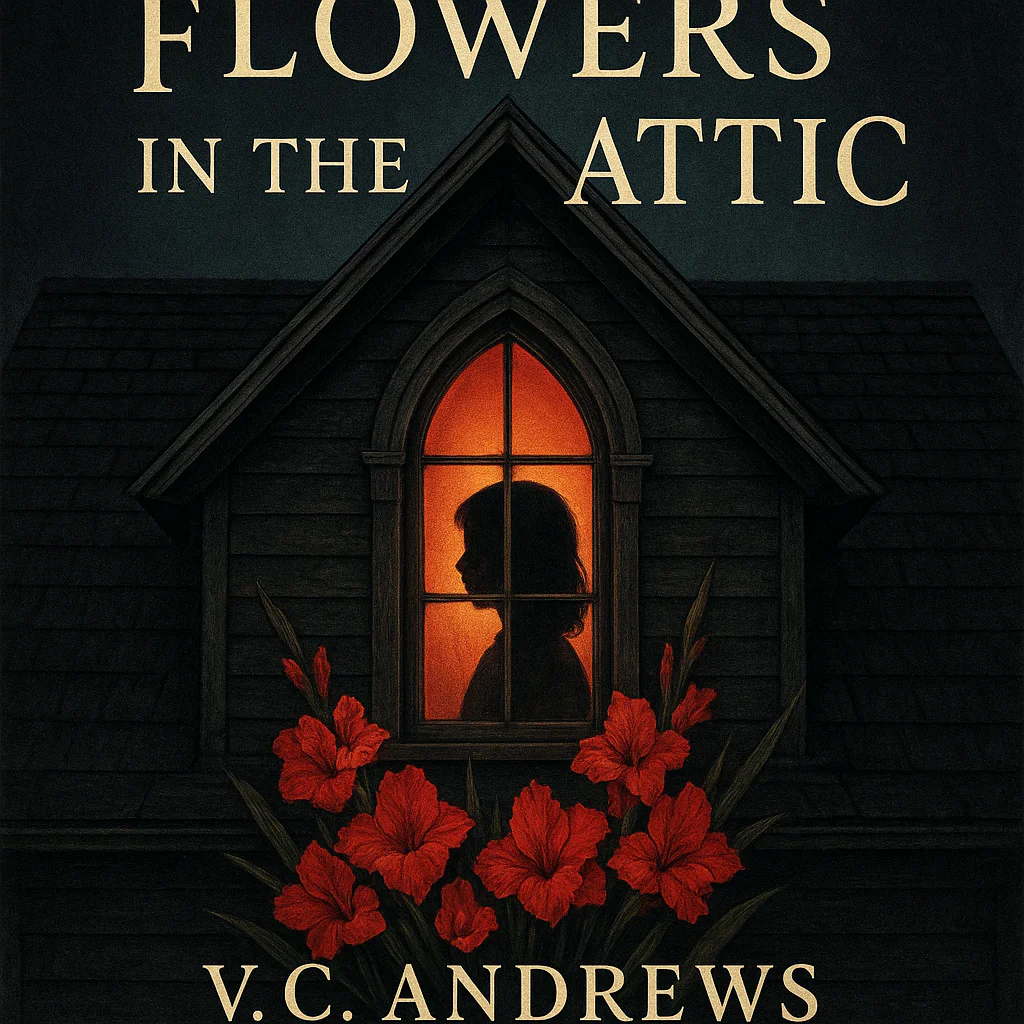
Have you ever turned the final page of a book and felt your heart stop, not from joy, but from sheer, unadulterated horror? That was our reaction the first time we read the ending of V.C. Andrews’ Flowers in the Attic. We sat there, staring at the wall, wondering how a story about four beautiful children locked in an attic could end with such a devastating, soul-crushing twist. If you’ve been wondering, “What happens at the end of Flowers in the Attic book?” without wanting to spoil the journey, you’ve come to the right place. We’re here to dissect the final chapters, the shocking reveal of the poison, the tragic fate of little Cory, and the chilling escape that sets the stage for a lifetime of trauma.
This isn’t just a summary; it’s a deep dive into one of the most controversial endings in literary history. We’ll explore why the mother, Corinne, is the true villain, how the grandmother’s religious fanaticism fueled the fire, and what really happens to Chris, Cathy, and Carrie once they finally break free. Spoiler alert: it’s not a “happily ever after.” In fact, the escape is just the beginning of a much darker saga. Whether you’re a first-time reader bracing for impact or a returning fan revisiting the Dollanger family’s nightmare, our comprehensive breakdown will answer every burning question you have about the book’s conclusion.
Key Takeaways
- The Poison Reveal: The shocking truth is that the children were being slowly poisoned with arsenic hidden in their food, leading to the tragic death of their youngest brother, Cory.
- The Ultimate Betrayal: While the grandmother, Olivia, delivered the tainted food, the true mastermind was their own mother, Corinne, who sacrificed her children to secure a massive inheritance.
- The Escape: The three surviving siblings—Chris, Cathy, and Carrie—manage to flee Foxworth Hall, but they choose not to contact authorities to stay together, carrying the weight of their trauma into adulthood.
- A Tragic Beginning: The ending is far from a happy resolution; it sets the stage for the sequel, Petals on the Wind, where the siblings seek revenge and grapple with deep psychological scars.
Table of Contents
- ⚡️ Quick Tips and Facts
- 📚 Unearthing the Past: A Brief History of Flowers in the Attic
- 🔍 The Shocking Truth: What Happens at the End of Flowers in the Attic?
- 💀 The Final Chapter Breakdown: Death, Betrayal, and the Attic Door
- 👻 Who Survives? Analyzing the Fate of the Dollanger Siblings
- 🍎 The Poisoned Apple: How Arsenic Changed Everything
- 🏰 The Grandmother’s Role: Olivia Foxworth’s Twisted Legacy
- 💔 Chris and Cathy: The Tragic Romance That Defined a Generation
- 📖 What Happens After Flowers in the Attic? A Look at the Sequel, Petals on the Wind
- 🎬 From Page to Screen: Comparing the Book Ending to the Movie Adaptations
- 🧠 Psychological Impact: Why This Ending Still Haunts Readers Decades Later
- 💡 Quick Tips and Facts for New Readers
- 🏁 Conclusion
- 🔗 Recommended Links
- ❓ FAQ: Your Burning Questions About the Flowers in the Attic Ending Answered
- 📚 Reference Links
⚡️ Quick Tips and Facts
Welcome, fellow
bookworms, to Book Summary Review™! We’re diving deep into the dark, twisted, and utterly unforgettable world of V.C. Andrews’ Flowers in the Attic. If you’re here, you’re likely wondering about
that infamous ending – and trust us, it’s a doozy! Before we unravel every shocking detail, here are some quick facts to get your literary gears turning:
- Release Date: November 1979. A true classic of gothic horror and family saga!
- Author: The one and only V.C. Andrews. Her legacy lives on, even after her passing, with ghostwriters continuing the series.
Core Plot: Four beautiful children are locked away in an attic by their own mother and grandmother to secure an inheritance. Talk about a messed-up family reunion!
- Key Revelation: The children are slowly being poisoned by
their mother, Corinne, and grandmother, Olivia Foxworth. Yes, you read that right. - Tragic Loss: One of the Dollanger children, Cory, succumbs to the poisoning
. 💔 - The Escape: The three surviving siblings – Cathy, Chris, and Carrie – eventually manage to flee Foxworth Hall.
- Shocking Twist: The
mother, Corinne, is ultimately revealed to be the primary orchestrator of the poisoning, not just the grandmother. - Lingering Questions: Does their escape lead to happiness? Do they ever truly recover
? And what about the complicated, controversial relationship between Chris and Cathy? (If you’re curious about the romantic undertones, check out our article: Is there romance in Flowers in the Attic? 2024)
📚 Unearthing the Past: A Brief History of Flowers in the Attic

Ah, Flowers in the Attic. It’s a book that has captivated, horrified, and utterly
engrossed readers for decades. Published in November 1979 by Simon & Schuster, V.C. Andrews’ debut novel wasn’t just a book; it was a phenomenon. This gothic horror,
family saga, and psychological thriller hybrid quickly became a bestseller, selling over 4.5 million copies worldwide. We remember first picking up a tattered copy, drawn in by the haunting cover and the whispers of its
scandalous plot. Little did we know, we were about to embark on a literary journey that would stay with us long after the final page.
The novel is the first in the Dollanger series, told from the first-person perspective of **
Cathy Dollanger**, one of the four ill-fated children. From the moment their wealthy father dies in a car accident, the lives of Cathy, Chris, Cory, and Carrie are irrevocably altered. Their beautiful
, seemingly perfect mother, Corinne, whisks them away to Foxworth Hall, her ancestral home, with a sinister plan: hide the children in an attic to secure a massive inheritance from her dying father, Malcolm Foxworth. The catch? His
will stipulates she receives nothing if she has children from her first marriage.
The critical reception was, shall we say, mixed. While it garnered immense popularity, some critics were less than impressed. The Washington Post
famously described the book as “deranged swill” and even went so far as to state it “may well be the worst book I have ever read“. Ouch! Yet, decades later, The
Guardian retrospectively called it “utterly compelling” despite acknowledging its “deranged” nature. It seems even the harshest critics couldn’t deny its undeniable pull. It even won the Secondary BILBY Award in
1993 and was listed on the BBC’s “The Big Read” poll of the UK’s 20 “best-loved novels” in 2003. Talk about a polarizing
masterpiece!
Despite, or perhaps because of, its controversial themes of incest and abuse, Flowers in the Attic has been banned multiple times in schools and libraries. It’s a testament to the raw,
visceral impact of Andrews’ storytelling that it continues to spark debate and fascination. It’s a challenging read, no doubt, but one that has left an indelible mark on the landscape of popular fiction.
🔍 The Shocking Truth: What Happens at the End of Flowers in the Attic
?
Alright, buckle up, because this is where the real darkness unfolds. The ending of Flowers in the Attic is not for the faint of heart. After years of confinement, neglect, and psychological torture in the attic of Foxworth Hall,
the Dollanger children are at their breaking point. Their initial hope and innocence have been systematically stripped away, replaced by a desperate fight for survival and a growing understanding of their mother’s monstrous betrayal.
The central, horrifying truth that comes
to light is the poisoning of the children. For months, the children have been receiving food, particularly powdered-sugar doughnuts, that their grandmother, Olivia Foxworth, claimed was for a “mouse infestation”. However
, the truth is far more sinister. Chris, ever the pragmatic and intelligent older brother, makes a horrifying discovery: the grandmother has been lacing their food with rat poison.
This revelation hits like a ton of bricks
. It’s not just neglect; it’s active, malicious intent. But the true gut-punch comes when Chris connects this discovery to the tragic death of their youngest brother, Cory. Cory, sweet, innocent Cory, didn
‘t die of pneumonia as they were led to believe. He died of arsenic poisoning. The realization is a chilling, heartbreaking moment that underscores the sheer depravity of their situation. We remember feeling a profound
sense of despair reading this, a feeling that no child should ever have to endure such a calculated act of cruelty.
This discovery fuels their desperate need to escape. The attic, once a symbol of their shared misery, now becomes a death
trap. The children realize they are literally fighting for their lives against the very people who should protect them. The question isn’t if they should escape, but how and when before they all meet Cory’s tragic
fate.
💀 The Final Chapter Breakdown: Death, Betrayal, and the
Attic Door
Let’s break down the climax of Flowers in the Attic chapter by agonizing chapter. The tension builds relentlessly as the children’s health deteriorates, particularly little Carrie’s. The powdered-sugar doughnuts, once a meager
treat, become a symbol of their slow, agonizing demise.
- The Crumbling Health: Carrie, always the most fragile, begins to suffer severely from the effects of the poison. Her hair falls out, she experiences extreme
weakness, and her once vibrant spirit wanes. This visible decline serves as a terrifying alarm for Chris and Cathy. - Chris’s Investigation: Driven by fear and a growing sense of dread, Chris starts to piece together the puzzle.
He observes the grandmother’s peculiar behavior, her constant talk of “mice,” and the specific type of food she brings. His scientific mind, even in their dire circumstances, leads him to investigate the ingredients. - The
Rat Poison Discovery: In a truly chilling moment, Chris finds the rat poison, confirming his worst fears. The realization that they’ve been systematically poisoned by their own flesh and blood is a profound betrayal that shatters any remaining illusions of family
love. - Cory’s True Cause of Death: This is the pivotal, heartbreaking revelation. Chris connects the symptoms of arsenic poisoning to Cory’s mysterious illness and rapid decline. The truth that Cory was murdered, not by
illness, but by a deliberate act, is almost too much to bear. It’s a moment that solidifies their resolve to escape, no matter the cost. - The Grandfather’s Death and Corinne’s
Motive: Chris also learns that their grandfather, Malcolm Foxworth, died a year prior. This is crucial because it reveals Corinne’s ultimate motive. Her inheritance is conditional upon her having no children from
her first marriage. This twist exposes Corinne’s calculated cruelty and her willingness to sacrifice her own children for wealth. - The Escape Plan: With the truth laid bare, the surviving siblings—
Chris, Cathy, and Carrie—know they must act. They meticulously plan their escape, driven by a primal urge for survival and a burning desire for freedom. - The Attic Door Opens: In a moment of sheer defiance
and desperation, they finally manage to break free from their prison. The attic door, which had symbolized their entrapment for so long, finally opens, leading them not to immediate salvation, but to an uncertain future. - **
The Train to Florida:** They make their way out of Foxworth Hall and manage to catch a train, heading south to Florida. The journey is fraught with anxiety, but also a glimmer of hope for a life
beyond the attic walls. - The Final Betrayal at the Station: At the train station, Chris delivers the ultimate blow. He reveals that it was Corinne, their mother, who was most likely the primary
perpetrator of the poisoning, not just the grandmother. This shatters any lingering hope Cathy might have had for her mother, cementing the depth of Corinne’s depravity.
The ending is a whirlwind of emotional
devastation and a desperate dash for freedom. It leaves us with a lingering sense of unease, knowing that while they’ve escaped the physical confines of the attic, the psychological scars will undoubtedly remain.
👻 Who Survives? Analyzing the Fate of the Dollanger Siblings
In the harrowing world of Flowers in the Attic, survival
is a luxury, not a given. Of the four Dollanger children, only three make it out of Foxworth Hall alive: Chris, Cathy, and Carrie. Their escape is a testament to their resilience, their
bond, and their sheer will to live, even after enduring unimaginable horrors.
Let’s take a closer look at their immediate fates:
- Chris Dollanger: The eldest, Chris is the intellectual and protective anchor of the siblings
. His discovery of the poison and his quick thinking are instrumental in their escape. He carries a heavy burden, not only of their shared trauma but also of the responsibility he feels for his younger siblings. His future, as we
learn in subsequent books, sees him pursuing a career as a doctor. This path seems a poignant choice, perhaps driven by a desire to heal and prevent the kind of suffering he and his siblings endured.
Cathy Dollanger:** The narrator of the story, Cathy is passionate, artistic, and fiercely independent. Her experiences in the attic, particularly her burgeoning sexuality and her complicated relationship with Chris, shape her profoundly. She emerges from the attic with
a burning desire for revenge against her mother, vowing that “one day she will make Corine pay for her crimes“. This promise sets the stage for the subsequent books in the series. In her adult life, Cathy
becomes an accomplished ballerina and later a novelist. Her artistic pursuits are a powerful outlet for her trauma and her quest for identity.
- Carrie Dollanger: The youngest and most fragile,
Carrie suffers immensely from the poisoning and the psychological toll of their imprisonment. After Cory’s death, she refuses to speak for months. Her silence is a chilling indicator of the deep-seated trauma she carries. Her
future, sadly, is even more tragic, as readers of the series will discover in Petals on the Wind.
The siblings’ decision not to contact authorities after their escape is a critical plot point. Their
primary concern is staying together, a bond forged in the crucible of their shared suffering. They fear being separated more than they desire justice through official channels. This choice highlights the profound psychological impact of their isolation and abuse, where their family unit,
however twisted, is the only one they’ve ever truly known.
🍎 The Poisoned Apple: How Arsenic Changed
Everything
The discovery of the arsenic poisoning is the ultimate turning point in Flowers in the Attic. It transforms the narrative from a story of neglect and psychological abuse into one of premeditated murder. Before this revelation, the children might have clung
to a sliver of hope that their mother, Corinne, would eventually rescue them, or that their grandmother, Olivia, was simply a cruel but misguided guardian. But the arsenic shatters these illusions completely.
The insidious nature of the poisoning
is particularly chilling. It wasn’t a sudden, violent act, but a slow, agonizing decline, disguised as a mundane part of their meager diet. The powdered-sugar doughnuts, initially a small comfort in their bleak existence,
become the delivery mechanism for their slow death. Imagine the horror of realizing that the very food meant to sustain you is slowly killing you. It’s a betrayal on the most fundamental level.
Our team at Book Summary Review™
often discusses how this plot device elevates the horror. It’s not just about being trapped; it’s about being actively, systematically eliminated by those who should love and protect you. The casualness with which the poison is administered – hidden
in a seemingly innocent treat – adds another layer of psychological terror.
The impact of the arsenic poisoning is multifaceted:
- Cory’s Death: This is the most immediate and devastating consequence. Cory’s innocent life is sn
uffed out, a direct result of his mother and grandmother’s greed and cruelty. His death serves as a stark warning to the surviving siblings and a powerful catalyst for their escape. - Shattered
Trust: Any remaining vestiges of trust the children had in their mother or grandmother are obliterated. They understand that they are not just unwanted, but actively targeted. - Urgency for Escape: The poisoning transforms their confinement from a prolonged
ordeal into an immediate life-or-death situation. They can no longer wait; they must act. - Psychological Scars: Even after their escape, the knowledge of being poisoned leaves deep psychological wounds. The memory of Cory
‘s suffering and their own near-fatal experience will undoubtedly haunt them for the rest of their lives.
The arsenic isn’t just a plot device; it’s a symbol of the ultimate betrayal, the poisoned heart of the Fox
worth family, and the tragic loss of innocence for the Dollanger children.
🏰 The Grandmother’s Role: Olivia
Foxworth’s Twisted Legacy
Oh, Olivia Foxworth. The very name sends shivers down our spines! The grandmother, a formidable and terrifying figure, plays a pivotal role in the children’s suffering. She is the gatekeeper of their prison
, the enforcer of their mother’s cruel plan, and a woman whose religious fanaticism and deep-seated prejudices fuel her abhorrent actions.
From the moment the children arrive at Foxworth Hall, Olivia’s disdain for them is palpable
. She views them as “the Devil’s spawn,” a direct consequence of her daughter Corinne’s “sinful” marriage to her half-uncle, Christopher Dollanger Sr.. This twisted belief
system allows her to rationalize the unspeakable cruelty she inflicts upon them. In her eyes, the children are an abomination, a stain on the Foxworth family name, and therefore, deserving of their punishment.
Her methods are brutal
and unwavering:
- Physical Abuse: Olivia is not above physical violence, often using a switch or her hands to punish the children for perceived transgressions.
- Psychological Torture: She constantly berates them, reminding
them of their “sins” and their “unholy” origins. Her words are as damaging as any physical blow, eroding their self-worth and instilling fear. - Enforcer of Confinement: She ensures the attic
door remains locked, bringing them meager meals and overseeing their isolation. She is the direct agent of their imprisonment. - The Poisoner (Initially Believed): For much of the book, the children believe Olivia is the one
actively poisoning them, as she is the one delivering the tainted food. This belief, while later clarified, highlights her direct involvement in their slow demise.
However, the competitive summary from Wikipedia sheds light on the nuanced
(if still horrific) truth: while Olivia is the one physically delivering the poisoned food due to a “mouse infestation,” the ultimate revelation points to Corinne as the primary orchestrator. This doesn’t absolve Olivia,
of course. Her actions are still monstrous, driven by her rigid religious beliefs and her desire to uphold the “purity” of the Foxworth lineage. She is a tragic figure in her own right, a product of a deeply dysfunctional family, whose
own trauma manifests as extreme cruelty.
Olivia Foxworth’s legacy is one of unwavering, fanatical devotion to a twisted moral code, resulting in the brutalization of her own grandchildren. Her character serves as a chilling reminder of how prejudice
and religious extremism can be weaponized to justify unspeakable acts.
💔 Chris and
Cathy: The Tragic Romance That Defined a Generation
Ah, Chris and Cathy. Their relationship is, without a doubt, one of the most controversial and defining aspects of Flowers in the Attic. It’s a love story born out
of unimaginable trauma, isolation, and a desperate need for connection in the darkest of circumstances. For us at Book Summary Review™, it’s a topic that always sparks intense discussion. Is it romance? Is it a product of their environment? Or is
it something far more complex and tragic?
Locked away in that attic, stripped of all normal human interaction, Chris and Cathy become each other’s entire world. They are siblings, yes, but also confidantes, protectors, and eventually
, lovers. Their relationship develops out of a profound sense of loneliness and a desperate need for comfort and intimacy. In a world where their own mother and grandmother have betrayed them, they cling to each other as the only source of love and understanding
.
The Dynamics of Their Bond:
- Mutual Protection: Chris, as the eldest, takes on a paternal role, striving to protect Cathy, Cory, and Carrie from their harsh reality. Cathy, in turn, offers
emotional support and solace to Chris. - Shared Trauma: Their shared experience of abuse and confinement creates an unbreakable bond, a unique understanding that no one else could ever truly comprehend.
- Emotional Intimacy: They share
everything – their fears, their hopes, their dreams. This deep emotional connection naturally evolves into physical intimacy, blurring the lines of what is considered taboo. - A World of Two: For years, their world shrinks to the confines of
the attic, and their relationship becomes the central focus of their existence. Without external influences, societal norms and taboos become irrelevant in their desperate fight for survival and connection.
The tragedy of Chris and Cathy’s romance lies in its origins
. It’s not a choice made in freedom, but a desperate act born of extreme duress. While some readers find it deeply unsettling, others view it as a testament to the human need for love and connection, even in the most dep
raved circumstances. It forces us to confront uncomfortable questions about morality, survival, and the boundaries of love.
Their relationship is a central theme that continues to evolve throughout the entire Dollanger series, shaping their individual paths and their intertwined destinies. It
‘s a romance that defines a generation of readers, sparking debates and discussions that continue to this day. To delve deeper into the complexities of their bond, consider exploring our Book Reviews section, where we often tackle challenging literary relationships.
📖 What Happens After Flowers in the Attic? A Look at the Sequel, Petals on the Wind
So, the Dollanger siblings escape the attic. Phew,
right? You might think that’s the end of their nightmare, a chance for a fresh start. But if you’re familiar with V.C. Andrews, you know better! The escape from Foxworth Hall is merely the beginning of a
whole new chapter of torment, revenge, and even more scandalous secrets. The story continues immediately in the sequel, Petals on the Wind.
As PopSugar aptly puts it, the Flowers in the Attic series continues
with significantly darker themes, escalating into “revenge, more sordid sex, suicide, and general scandal“. Trust us when we say, you ain’t seen nothin’ yet! The author herself
(or rather, the ghostwriter continuing Andrews’ legacy) warns that the events in subsequent books are even more shocking than the initial installment. If Flowers in the Attic left you gasping, Petals on the
Wind will have you clutching your pearls!
What to Expect in Petals on the Wind:
- Revenge, Sweet Revenge: Cathy, true to her vow at the end of *Flowers in the Attic
*, is consumed by a burning desire to make her mother, Corinne, pay for her crimes. This quest for vengeance drives much of the narrative. - New Identities, Old Scars: The surviving
siblings attempt to build new lives, but the trauma of the attic casts a long shadow. They struggle with their past, their unusual bond, and the psychological scars that run deep. - Further Complications: The relationships between Chris, Cathy
, and Carrie become even more intricate and fraught with tension. New characters enter their lives, bringing both hope and further despair. - More Scandal and Betrayal: Just when you think things can’t get any wilder, the Doll
anger saga delves into even more shocking territory, exploring themes of manipulation, obsession, and the enduring power of a cursed family legacy.
We’ve seen many readers describe their journey through Petals on the Wind as a rollercoaster of
emotions, often uttering a collective “WTF” at the twists and turns. It’s a testament to Andrews’ ability to craft narratives that are both disturbing and utterly compelling.
For those who prefer to *
see* the story unfold, Lifetime adapted Petals on the Wind into a movie, following their successful adaptation of Flowers in the Attic. Kiernan Shipka reprised her role as Cathy, and Heather
Graham returned as the nefarious Corinne. These adaptations offer a visual interpretation of the book’s intense drama, though as with any book-to-film adaptation, there are always differences.
If you’re curious
about the ongoing tragedy of the Dollanger family, diving into Petals on the Wind is a must. Just be prepared for an even darker, more intense ride. For a deeper dive into the series, you might find our Book Summaries particularly helpful.
Speaking of deeper dives, if you’re looking for an excellent video analysis of the entire series’ tragedy, you
absolutely have to check out “The Tragedy of Flowers in the Attic” by Korriban Alumni Books. It’s an insightful look at just how much worse things get for these poor children. Believe it or not, it does get worse
. You can watch it right here: The Tragedy of Flowers in the Attic.
🎬 From Page to Screen: Comparing the Book Ending to the Movie Adaptations
When a book as iconic and controversial as Flowers in the Attic gets adapted for the screen, there’s always a buzz
– and often, a bit of trepidation among loyal readers. How will they handle the sensitive themes? Will the ending be true to the source material? We’ve seen both the 1987 film and the 2014
Lifetime movie, and let’s just say, they each took their own creative liberties with V.C. Andrews’ chilling conclusion.
The 1987 Film Adaptation
Directed by Jeffrey Bloom, the 1987
film starred Louise Fletcher as the terrifying Grandmother Olivia and Kristy Swanson as Cathy. This adaptation is often remembered for its significant departure from the book’s ending, particularly regarding the fate of the children and the reveal of the
poison.
- ❌ No Poisoning: Perhaps the most glaring difference is the complete omission of the arsenic poisoning plotline. In the film, Cory dies from a fall, not from poisoned doughnuts. This fundamentally alters the mother’s culp
ability and the children’s motivation for escape. - ❌ Different Escape: The escape itself is also altered, with the children taking a more confrontational approach against their grandmother.
- ✅ Confrontation with Corinne:
The film does include a dramatic confrontation between the children and Corinne, but without the poisoning as the catalyst, the emotional weight and her ultimate betrayal feel less impactful than in the book. - Overall Tone: While attempting to capture the gothic
atmosphere, the 1987 film often felt less dark and disturbing than the novel, perhaps due to the censorship common in mainstream cinema at the time.
For fans of the book, this adaptation’s ending was often a point
of contention, stripping away much of the psychological horror and the mother’s ultimate villainy.
The 2014 Lifetime Movie Adaptation
Lifetime’s 2014 adaptation, directed by Deborah Chow and starring Heather Graham as
Corinne and Kiernan Shipka as Cathy, was generally praised for being more faithful to the source material. Ellen Burstyn’s portrayal of Olivia Foxworth, in particular, received critical acclaim.
- ✅ Poisoning Included: Crucially, the Lifetime movie does include the arsenic poisoning plotline, staying true to Cory’s tragic death and the children’s realization of their mother’s and grandmother’s tre
achery. - ✅ Mother’s Betrayal: The film effectively portrays Corinne’s complicity and her ultimate abandonment of her children for the inheritance.
- ✅ The Escape: The escape from the attic and
Foxworth Hall is depicted with a sense of urgency and desperation that aligns well with the book. - Nuances and Details: While generally faithful, some minor details and internal monologues from the book are, of course, condensed
or omitted due to the limitations of screen time. However, the core emotional impact and the shocking revelations remain intact.
Table: Book vs. Film Endings – Key Differences
| Aspect | Book Ending (V.C. Andrews) | 1987 Film Adaptation | 2014 Lifetime Movie Adaptation |
|---|---|---|---|
| :— | :— | :— | :— |
| Cory’s Death Cause | Arsenic poisoning from tainted doughnuts | Accidental fall | |
| Arsenic poisoning from tainted doughnuts | |||
| Mother’s Culpability | Primary orchestrator of poisoning for inheritance | Less direct involvement; more neglectful than | |
| actively murderous | Actively complicit in poisoning for inheritance | ||
| Grandmother’s Role | Delivers poison, driven by religious fanaticism | Cru | |
| el and abusive, but not a poisoner | Cruel, abusive, and delivers poison | ||
| Siblings’ Escape Motive | Immediate threat of death by poisoning | ||
| Desire for freedom from abuse and confinement | Immediate threat of death by poisoning | ||
| Post-Escape Decision | Decide not to contact authorities; Cathy vows revenge | ||
| Confrontation with Corinne; unclear immediate aftermath regarding authorities | Decide not to contact authorities; Cathy vows revenge | ||
| Overall Faithfulness | Original source material | Significant | |
| deviations, particularly with the poisoning plot | Generally faithful, capturing the core plot and themes |
For a deeper dive into how books translate to the big (or small) screen, check out our Book-to-Film Adaptations category. It’s fascinating to see how different directors interpret the same story!
🧠 Psychological Impact: Why This Ending Still Haunts Readers Decades Later
Even after you close the book or turn off the screen, the ending of
Flowers in the Attic lingers. It’s not just a story; it’s an experience that burrows deep into your psyche, leaving an indelible mark. For us at Book Summary Review™, this is precisely why V.C. Andrews
‘ work, despite its controversial nature, remains a staple in gothic horror and psychological thrillers. The psychological impact of this ending is profound, and it’s why readers continue to be haunted by it decades later.
Why does it stick
with us?
-
The Ultimate Betrayal: The core of the horror isn’t a monster under the bed; it’s the betrayal by the very people who should offer unconditional love and protection – a mother and a
grandmother. This shatters our fundamental understanding of family and safety, leaving a deep sense of unease. The realization that Corinne actively poisoned her own children for money is a level of depravity that is truly chilling. -
Loss of Innocence: The Dollanger children are robbed of their childhood in the most brutal way imaginable. Their innocence is systematically stripped away by confinement, abuse, and the forced maturation of their circumstances. The ending highlights that
even with escape, that lost innocence can never be fully reclaimed. -
Taboo Themes: The book unflinchingly tackles highly taboo subjects like child abuse, incest, and psychological torture. These themes, while disturbing, force
readers to confront uncomfortable realities and push the boundaries of what is acceptable in fiction. The controversy surrounding its banning in schools and libraries due to “offensive passages concerning incest and sexual intercourse” and “filthiness of the material” is a testament to its
challenging nature. -
Moral Ambiguity: The characters are rarely black and white. Corinne, while monstrous, is also a victim of her own upbringing and the oppressive Foxworth family dynamics. Olivia, the
grandmother, is driven by a twisted religious fervor. This moral ambiguity makes the story more complex and disturbing, as it forces us to grapple with the motivations behind such horrific acts. -
The Lingering Scars
: The ending isn’t a neat resolution. The children escape, yes, but they are deeply scarred. The psychological damage they endure will undoubtedly affect their future relationships, their sense of self, and their ability to trust. This unresolved trauma is
a powerful element that keeps the story alive in our minds. -
The “What If”: Readers are left to ponder the “what ifs.” What if their father hadn’t died? What if Corinne had chosen her
children over money? The tragedy of their situation is amplified by the awareness of the paths not taken.
The psychological impact of Flowers in the Attic‘s ending is a testament to V.C. Andrews’ ability to tap into our
deepest fears about family, betrayal, and the darkness that can lurk beneath a seemingly perfect facade. It’s a story that challenges, disturbs, and ultimately, stays with you.
💡 Quick Tips and Facts for New Readers
So, you’re just starting your journey into the world of Flowers in the Attic? Or perhaps you’ve heard the whispers and
are curious about what lies within those pages? As seasoned book lovers, we at Book Summary Review™ have a few quick tips and facts to help you navigate this intense and unforgettable novel. Consider this your friendly (yet slightly ominous) guide!
- Prepare for a Dark Ride: This isn’t a lighthearted read. Expect themes of abuse, neglect, and psychological torment. It’s a gothic horror and family saga, so be ready for some serious drama and
darkness. - It’s from Cathy’s Perspective: The entire story is narrated by Cathy Dollanger. This means you’ll experience the events through her eyes, her emotions, and her often
-skewed perceptions. - The Incest is a Central Theme: Yes, the controversial relationship between Chris and Cathy is a significant part of the story. It’s born out of isolation and desperation, and it’s a
theme that has sparked much debate. - The Mother’s Betrayal is Key: Understand that Corinne, the mother, is not a sympathetic character. Her actions are driven by greed and a desire to reclaim her inheritance
, even at the cost of her children’s lives. - The Grandmother is Terrifying: Olivia Foxworth is a force to be reckoned with. Her religious fanaticism and cruelty are central to the children’
s suffering. - Don’t Expect a “Happy” Ending: While the children escape the attic, their journey is far from over, and the psychological scars run deep. The ending is more about
survival and the promise of revenge than a tidy resolution. - It’s the First in a Series: If you find yourself captivated (or horrified) by Flowers in the Attic, know that there are several sequels that continue the
Dollanger family saga. The next book is Petals on the Wind. - Adaptations Exist: There have been multiple film adaptations (1987 and 2014) and even a stage play. While some are more faithful than others, they offer different interpretations of the story.
- It’s a Banned Book: Due to its controversial content, Flowers in the Attic has faced censorship and bans
in various educational institutions. This speaks to its powerful, albeit unsettling, impact. - Why Read It? Despite its dark themes, many readers find it utterly compelling. It’s
a powerful exploration of family dysfunction, resilience, and the human capacity for both cruelty and survival.
So, if you’re ready to delve into a truly unforgettable piece of Classic Literature [https://www.booksummaryreview.com/category/classic-literature/], grab your copy of Flowers in the Attic. Just be warned: once you enter Foxworth Hall, it’s hard to leave its haunting story behind.
👉 **Shop *Flowers in the Attic
👉 Shop Petals on the Wind on: