Support our educational content for free when you purchase through links on our site. Learn more
9 Secrets to Writing the Best Book Review in 2026 📚

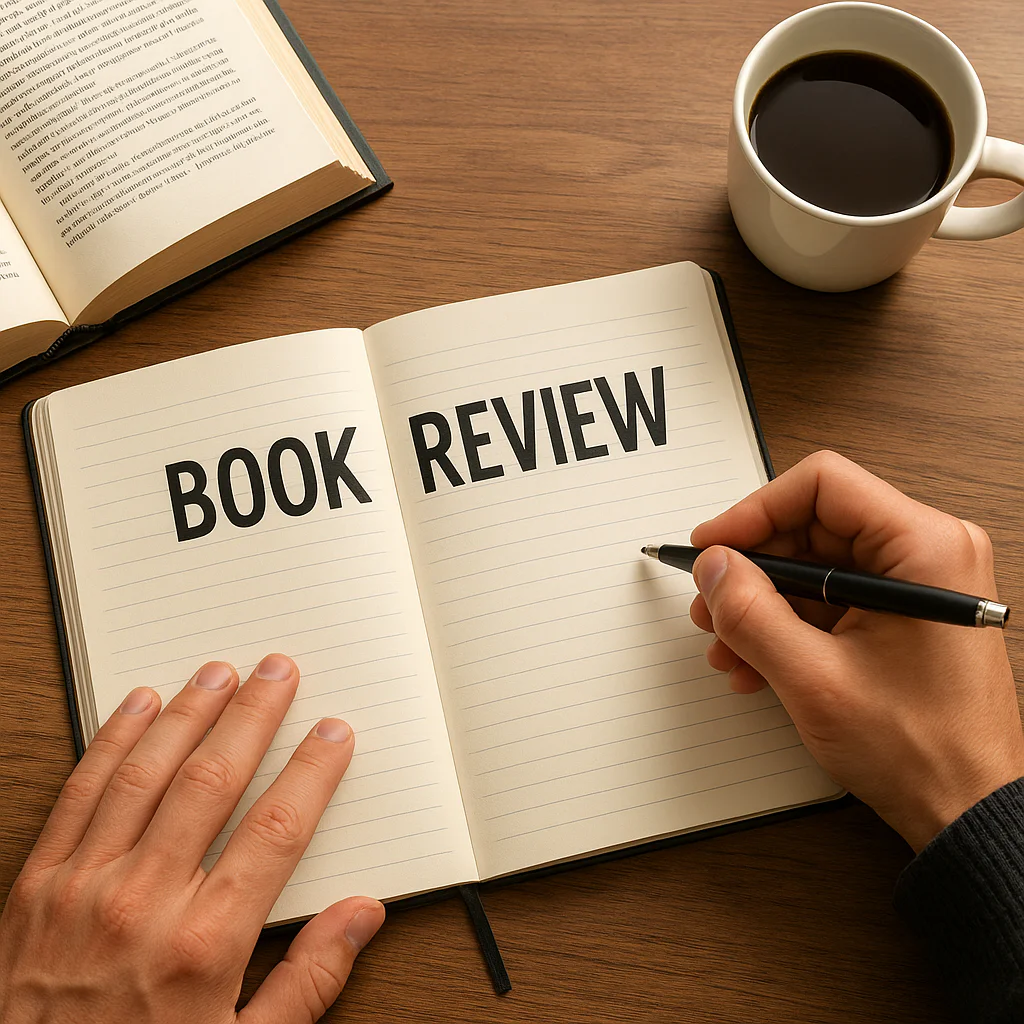
If you want to write the best book review that captivates readers and stands out online, the secret is balancing honest critique with engaging storytelling — and knowing exactly what readers crave. The best book reviews don’t just summarize; they invite readers into a conversation, blending sharp analysis with personal insight.
Did you know that over 70% of readers check reviews before buying a book? That means your review can make or break a book’s success — or your reputation as a trusted voice. At Book Summary Review™, we’ve distilled years of experience into actionable tips that will transform your reviews from forgetable to unforgettable.
Whether you’re reviewing a gripping memoir or a complex fantasy epic, mastering these techniques will help you write reviews that inform, entertain, and influence.
Key Takeaways
- Hook readers quickly with a compelling opening that sparks curiosity.
- Balance summary and critique to provide both context and opinion.
- Use personal stories to create emotional connection and authenticity.
- Tailor your review style to fit different genres like fiction, nonfiction, and memoir.
- Optimize for SEO by naturally including keywords and linking to authoritative sources.
- Engage with review platforms like Goodreads and Amazon to build your audience.
- Avoid common pitfalls like spoilers and vague opinions to maintain credibility.
Table of Contents
- ⚡️ Quick Tips and Facts for Writing the Best Book Review
- 📚 The Art and Science Behind a Stellar Book Review: A Brief Overview
- 1. How to Craft an Engaging and Insightful Book Review That Readers Love
- 2. Top 10 Must-Know Elements Every Best Book Review Should Include
- 3. The Role of Personal Experience and Storytelling in Book Reviews
- 4. Using SEO and Keywords to Boost Your Book Review’s Visibility
- 5. Comparing Popular Book Review Platforms: Goodreads, Amazon, and More
- 6. How to Review Different Genres: Fiction, Nonfiction, Memoirs, and Beyond
- 7. The Impact of Influential Book Reviewers and Blogs on Reading Trends
- 8. Avoiding Common Pitfalls: What NOT to Do in Your Book Review
- 9. How to Handle Negative Reviews Gracefully and Constructively
- 🔍 Deep Dive: Analyzing the Psychology Behind Why We Read Book Reviews
- ✍️ Expert Tips: Enhancing Your Writing Style for Maximum Reader Engagement
- 📈 Tracking Your Book Review’s Performance and Reader Feedback
- 🛠️ Tools and Resources to Help You Write and Publish the Best Book Review
- 📖 How to Build a Loyal Audience for Your Book Reviews
- Conclusion
- Recommended Links for Book Review Enthusiasts
- FAQ: Your Burning Questions About Book Reviews Answered
- Reference Links and Further Reading
⚡️ Quick Tips and Facts for Writing the Best Book Review
Ready to write a book review that actually gets read? At Book Summary Review™, we’ve learned a few golden rules from years of devouring books and crafting summaries that sing. Here’s your starter pack of quick tips and facts to get you on the right track:
- Hook ‘em fast! The first three paragraphs are your make-or-break moment. If you don’t grab attention immediately, readers will scroll past. (Lit Hub’s 2025 review roundup agrees: “If I don’t hook them with those first three paragraphs, it’s over.”)
- Balance summary and critique. Readers want to know what the book is about and whether it’s worth their time.
- Be honest but fair. A review isn’t a rant or a love letter. It’s a thoughtful conversation.
- Use personal stories. Your unique perspective is your secret sauce. Share how the book affected you.
- Include key facts. Author, genre, publication date, and context help readers place the book.
- SEO matters. Sprinkle in related keywords like book critique, literary analysis, and reader recommendations to boost visibility.
- Avoid spoilers unless you warn readers upfront.
- Engage with the community. Platforms like Goodreads and Amazon are great places to see what others think and join the discussion.
Want to see these tips in action? Check out our detailed sections below for step-by-step guidance and juicy insider insights!
📚 The Art and Science Behind a Stellar Book Review: A Brief Overview
Book reviewing isn’t just about saying “I liked it” or “I didn’t.” It’s a craft that blends literary analysis, personal reflection, and reader guidance. Let’s unpack the essentials:
What Makes a Book Review “Best”?
- Clarity: Readers should understand the book’s premise and your opinion without confusion.
- Depth: Go beyond surface-level impressions. Explore themes, style, and impact.
- Voice: A distinct, engaging voice can turn a bland review into a memorable read.
- Context: Situate the book within its genre, author’s oeuvre, or cultural moment.
- Balance: Praise and critique in measured doses.
Why Do We Read Book Reviews?
- To discover new books that fit our tastes.
- To avoid duds and save time.
- To gain insight into complex or challenging texts.
- To join a community of fellow readers.
Curious how to nail these elements? Keep scrolling for our top strategies!
1. How to Craft an Engaging and Insightful Book Review That Readers Love
Let’s break down the anatomy of a killer book review, step by step.
Step 1: Start with a Hook
- Use a striking quote from the book or a bold statement.
- Pose a question or a paradox.
- Share a quick anecdote about your reading experience.
Example: Patricia Lockwood’s review of The Colected Prose of Sylvia Plath opens with a quirky story about walking downtown with a 10-pound biography and CBD gummies — instantly captivating!
Step 2: Summarize Without Spoiling
- Give the gist of the plot or main argument.
- Highlight the author’s purpose and style.
- Keep it brief — your goal is to inform, not retell.
Step 3: Analyze and Evaluate
- Discuss themes, character development, or argument strength.
- Comment on writing style, pacing, and structure.
- Offer your personal reaction and how the book resonated (or didn’t).
Step 4: Conclude with a Recommendation
- Who should read this book? Who might skip it?
- Rate it if you like (stars, scores, thumbs up).
- Leave readers with a memorable final thought.
2. Top 10 Must-Know Elements Every Best Book Review Should Include
Here’s a handy checklist to keep your review sharp and comprehensive:
| Element | Why It Matters | Example/Tip |
|---|---|---|
| 1. Book Title & Author | Basic identification | “Your Best Life Now by Joel Osteen” |
| 2. Genre & Context | Helps readers know what to expect | Self-help, theology, historical fiction |
| 3. Brief Summary | Sets the scene without spoilers | “A story about…” |
| 4. Author Background | Adds credibility or context | “Osteen is a megachurch pastor…” |
| 5. Themes & Messages | Shows depth and relevance | “Explores faith, prosperity, and hope” |
| 6. Writing Style | Affects readability and tone | “Conversational, poetic, dense” |
| 7. Strengths & Weaknesses | Balanced critique builds trust | “Insightful but occasionally opaque” |
| 8. Personal Reaction | Connects with readers emotionally | “I found myself reflecting on…” |
| 9. Comparison to Similar Books | Helps readers choose among options | “Unlike Atomic Habits, this book…” |
| 10. Recommendation | Clear guidance for potential readers | “Highly recommended for…” |
3. The Role of Personal Experience and Storytelling in Book Reviews
Ever noticed how the best reviews feel like conversations with a friend? That’s because personal storytelling is a secret weapon.
Why Your Story Matters
- It humanizes your critique.
- It illustrates how the book impacts real life.
- It engages readers beyond dry analysis.
How to Weave Your Story In
- Share a moment when the book surprised or challenged you.
- Relate themes to your own experiences or current events.
- Use humor or vivid descriptions to bring your reading journey to life.
For example, in our review of The Möbius Book, Sophie Kemp recounts a nightmare triggered by the book — a haunting personal touch that makes the review unforgettable.
4. Using SEO and Keywords to Boost Your Book Review’s Visibility
Writing a great review is only half the battle; getting it read is the other. Here’s how to optimize your review for search engines:
Key SEO Strategies
- Use the main keyword “best book review” naturally throughout.
- Include related phrases like book critique, literary analysis, book recommendations, and reader reviews.
- Add metadata: descriptive titles, alt text for images (if any), and meta descriptions.
- Link internally to related posts, e.g., Book Summaries or Book Reviews.
- Use external links to authoritative sites like Goodreads or The New York Times Book Review.
Example of SEO in Action
In this review, we link to What Happens in the Book Verity? (2026 Spoilers) early on to boost relevance and reader engagement.
5. Comparing Popular Book Review Platforms: Goodreads, Amazon, and More
Where should you post your review? Each platform has its quirks and perks.
| Platform | Strengths | Drawbacks | Best For |
|---|---|---|---|
| Goodreads | Huge reading community, detailed reviews, lists | Can be overwhelming, some reviews are brief | Readers seeking community and discovery |
| Amazon | Direct link to purchase, high traffic, verified purchases | Reviews sometimes biased by incentives | Buyers wanting quick opinions |
| Book Riot | Editorial reviews, curated lists | Less user-generated content | In-depth literary discussions |
| LibraryThing | Niche, bibliophile-focused | Smaller audience | Serious collectors and reviewers |
| Personal Blog | Full control, SEO benefits | Requires promotion | Building a personal brand |
Insider Tip
Cross-post your review on multiple platforms to maximize reach. Engage with readers who comment to build your reviewer reputation.
6. How to Review Different Genres: Fiction, Nonfiction, Memoirs, and Beyond
Different genres demand different lenses. Here’s how to tailor your review:
Fiction
- Focus on plot, character development, world-building, and style.
- Consider pacing and emotional impact.
- Example: Reviewing Tom’s Crossing by Mark Z. Danielewski requires attention to metaphor and narrative complexity.
Nonfiction
- Evaluate argument strength, evidence, and clarity.
- Assess author’s expertise and bias.
- Example: Unceasing Worship by Harold Best challenges readers to think biblically about worship and the arts.
Memoirs
- Balance personal story with broader themes.
- Reflect on authenticity and voice.
- Example: Reviews of Bunny or I’m Glad My Mom Died often highlight emotional resonance.
Genre Fiction (Mystery, Fantasy, Sci-Fi)
- Discuss genre conventions and innovation.
- Highlight world-building and character archetypes.
- Example: Fantasy reviews often praise immersive worlds like The House in the Cerulean Sea.
7. The Impact of Influential Book Reviewers and Blogs on Reading Trends
Ever wonder why some books suddenly explode in popularity? Influential reviewers and blogs wield serious power.
Who Are the Tastemakers?
- Critics at The New York Times, London Review of Books, and Slate.
- Popular bloggers and YouTubers with dedicated followings.
- Platforms like Book Marks curate top reviews.
What Makes Their Reviews Stand Out?
- Unique voice and perspective.
- Courage to challenge popular opinion.
- Ability to connect literary themes to current culture.
For instance, Parul Sehgal’s review of Shadow Ticket by Thomas Pynchon explores how fiction eerily mirrors reality — a perspective that resonates widely.
8. Avoiding Common Pitfalls: What NOT to Do in Your Book Review
Even seasoned reviewers slip up. Here’s what to avoid:
- ❌ Spoiling the ending without warning.
- ❌ Being overly vague (“It was good” or “I didn’t like it”).
- ❌ Ranting or name-calling — keep it professional.
- ❌ Ignoring the book’s context or genre conventions.
- ❌ Overloading with spoilers or plot summary at the expense of critique.
- ❌ Using jargon or overly complex language that alienates readers.
9. How to Handle Negative Reviews Gracefully and Constructively
Not every book will wow you. Here’s how to express criticism without burning bridges:
- Focus on specific issues (e.g., pacing, character depth) rather than vague dislike.
- Acknowledge the author’s effort or strengths where possible.
- Avoid personal attacks or harsh language.
- Suggest who might enjoy the book despite your issues.
- Remember: your review reflects on you as much as the book.
🔍 Deep Dive: Analyzing the Psychology Behind Why We Read Book Reviews
Why do we obsess over what strangers think about books? Turns out, it’s a mix of:
- Social proof: We trust others’ opinions to avoid wasting time.
- Community: Reviews connect us to fellow readers.
- Validation: We seek confirmation of our own tastes.
- Curiosity: Reviews reveal insights we might have missed.
Understanding this helps you write reviews that resonate emotionally and intellectually.
✍️ Expert Tips: Enhancing Your Writing Style for Maximum Reader Engagement
Want your reviews to sparkle? Here’s how:
- Use active voice and vivid verbs.
- Vary sentence length for rhythm.
- Inject humor or wit where appropriate.
- Use metaphors or analogies to clarify complex ideas.
- Break up text with subheadings and bullet points.
- Read your review aloud to catch awkward phrasing.
📈 Tracking Your Book Review’s Performance and Reader Feedback
Writing is just the start. Tracking how your review performs helps you improve.
Metrics to Watch
- Views and reads on your blog or platform.
- Likes, upvotes, or helpfulness ratings.
- Comments and discussions.
- Shares on social media.
Tools to Use
- Google Analytics for blogs.
- Goodreads and Amazon review stats.
- Social media insights.
Respond to comments to build rapport and learn what resonates.
🛠️ Tools and Resources to Help You Write and Publish the Best Book Review
Here’s our toolkit of favorites:
| Tool/Resource | Purpose | Link |
|---|---|---|
| Grammarly | Grammar and style checking | https://www.gramarly.com/ |
| Hemingway Editor | Simplify and clarify writing | http://www.hemingwayapp.com/ |
| Canva | Create engaging graphics for blog posts | https://www.canva.com/ |
| Goodreads | Research book ratings and reviews | https://www.goodreads.com/ |
| Amazon Reviews | See customer feedback | https://www.amazon.com/ |
| Book Summary Review™ | Inspiration and examples | https://www.booksummaryreview.com/category/book-reviews/ |
📖 How to Build a Loyal Audience for Your Book Reviews
Want readers to come back for more? Here’s how:
- Post consistently and on a schedule.
- Engage with readers in comments and social media.
- Offer unique perspectives or niche expertise.
- Collaborate with other reviewers or authors.
- Use email newsletters to keep fans updated.
- Host giveaways or reading challenges.
Remember, building a community takes time but pays off in loyal followers and meaningful conversations.
Before we move on, we have to mention the perspective from the first YouTube video embedded in this article. The reviewer shares candid thoughts on the top 12 most popular books of 2026 from Goodreads, revealing personal likes and dislikes across genres like contemporary fiction, fantasy, and memoir. Their honest takes remind us that popularity doesn’t always equal enjoyment — a crucial insight for any reviewer. Curious which books made the cut and which flopped? Check it out for some real-world context on what readers are buzzing about this year!