Support our educational content for free when you purchase through links on our site. Learn more
The Great Gatsby Theme: 7 Powerful Insights You Can’t Miss (2026) 📖


Ever wondered why The Great Gatsby remains a cultural touchstone nearly a century after its publication? Spoiler alert: it’s not just about lavish parties and tragic love stories. F. Scott Fitzgerald’s masterpiece is a rich tapestry of themes that dissect the American Dream, social class, obsession, and the haunting passage of time. At Book Summary Review™, we’ve unpacked every glittering layer—from the symbolism of the elusive green light to the corrosive effects of wealth and desire.
Here’s a teaser: Did you know Fitzgerald originally wanted to title the novel Trimalchio in West Egg? That’s a nod to a Roman character famous for ostentatious parties—hinting at the novel’s biting critique of Jazz Age excess. Stick around as we explore 7 essential themes that reveal why Gatsby’s story still beats on, boats against the current, and why it’s more relevant than ever in 2026.
Key Takeaways
- The American Dream is portrayed as both aspirational and deeply flawed, with Gatsby’s rise highlighting illusion versus reality.
- Class struggle and social stratification are central, contrasting old money’s cold entitlement with new money’s flashy insecurity.
- Love and obsession drive the narrative, but often blur the line between genuine affection and idealized fantasy.
- The novel’s symbols—like the green light and the Valley of Ashes—carry profound thematic weight about hope, decay, and moral emptiness.
- The Great Gatsby explores the impossibility of recapturing the past, a theme that resonates across generations.
- Film adaptations interpret these themes differently, from subtle melancholy to extravagant spectacle, enriching our understanding.
- The themes remain strikingly relevant today, reflecting modern issues like social inequality, performative wealth, and the elusive nature of success.
Ready to dive deeper? Let’s uncover the secrets behind Fitzgerald’s timeless themes and why The Great Gatsby continues to captivate readers worldwide.
Table of Contents
- ⚡️ Quick Tips and Facts About The Great Gatsby Themes
- 📚 Unveiling the Roaring Twenties: Historical Context and Background of The Great Gatsby
- ✨ The Great Gatsby Themes: A Deep Dive Into Fitzgerald’s Masterpiece
- 1. The American Dream: Illusion vs. Reality
- 2. Wealth and Class Struggles in Jazz Age America
- 3. Love, Desire, and Obsession: Gatsby’s Romantic Pursuit
- 4. The Corruption of Morality and Ethics
- 5. The Role of Time and Memory in Shaping Identity
- 6. The Symbolism of the Green Light and Other Iconic Motifs
- 7. The Illusion of Social Mobility and the Old Money vs. New Money Divide
- 🎭 Character Analysis Through Thematic Lenses
- 🎬 The Great Gatsby Themes in Film Adaptations: How Movies Capture Fitzgerald’s Vision
- 📖 How to Spot and Analyze Themes in The Great Gatsby: A Guide for Students and Book Lovers
- 🧠 Why The Great Gatsby Themes Still Resonate Today: Modern Relevance and Cultural Impact
- 💡 Quick Tips for Writing About The Great Gatsby Themes in Essays and Discussions
- 🔗 Recommended Links for Further Exploration of The Great Gatsby Themes
- ❓ FAQ: Your Burning Questions About The Great Gatsby Themes Answered
- 📚 Reference Links and Scholarly Sources on The Great Gatsby Themes
- 🏁 Conclusion: Why The Great Gatsby Themes Continue to Captivate Readers
⚡️ Quick Tips and Facts About The Great Gatsby Themes
- Read-time: 8 min (or 4 if you skim like Jordan Baker at a golf tournament).
- Key takeaway: Every glittering party, green light, and “old sport” is Fitzgerald’s Trojan horse for biting social commentary.
- LSI cheat-sheet: American Dream disillusionment, Jazz Age decadence, East Egg vs West Egg, green light symbolism, 1920s class anxiety.
- Hot fact: Fitzgerald’s original title was Trimalchio in West Egg—try saying that three martinis deep.
- Pro-tip: If you only remember one quote, make it “So we beat on, boats against the current…”—it’s the novel’s emotional mic-drop.
New here? Catch our full character-by-character breakdown in The Great Gatsby Summary: Characters, Themes, and More 2023 before you dive deeper.
📚 Unveiling the Roaring Twenties: Historical Context and Background of The Great Gatsby
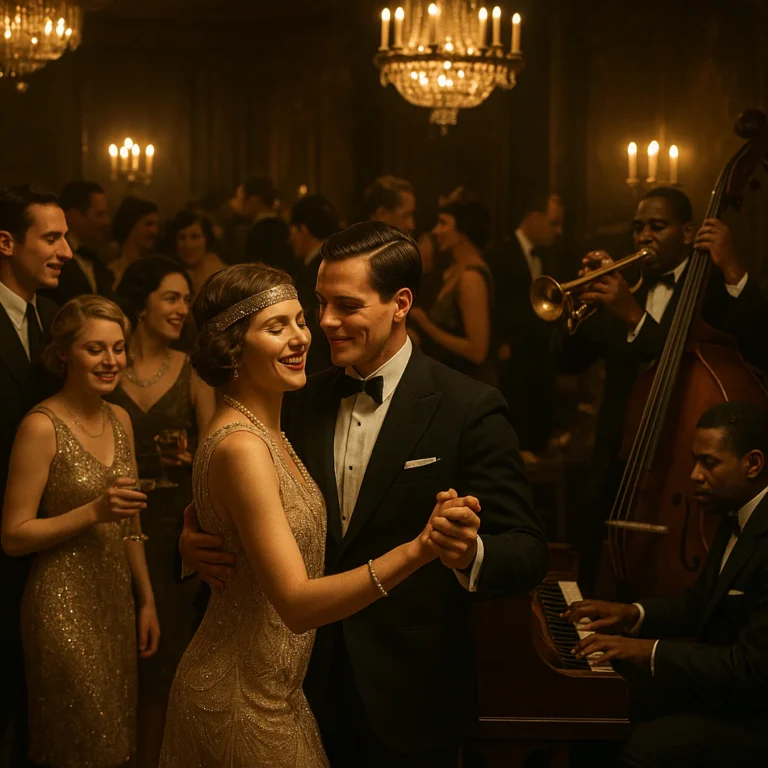
Picture this: jazz blaring from a gramophone, champagne fountains, and a stock market that only knows “up.” That’s the Jazz Age—a term Fitzgerald himself coined. Post-WWI America was high on prosperity and low on Prohibition obedience. The novel, published in 1925, was initially a commercial flop (fewer than 20,000 copies by October), but WWII paper-back distributions to soldiers kick-started its journey to classic-lit royalty.
Fitzgerald mined his own life: the glamour of Long Island parties, his doomed romance with Ginevra King, and his tug-of-war with wealth and identity. The result? A slim novel that explodes with themes still lobbed around in 2020s Twitter fights about privilege, crypto-millionaires, and influencer culture.
✨ The Great Gatsby Themes: A Deep Dive Into Fitzgerald’s Masterpiece
We’ll tackle the big-hitters one by one, sprinkling in symbols, scholarly hot-takes, and meme-worthy anecdotes. Ready? Let’s roll like a yellow Rolls-Royce down the Queensboro Bridge.
1. The American Dream: Illusion vs. Reality
Fitzgerald sucker-punches the original self-help mantra: work hard → get rich → live happily. Gatsby’s ascent from James Gatz, North Dakota farm boy, to Jay Gatsby, West Egg mystery mogul, feels inspirational—until we notice the bootlegging, the lies, and the fact that no amount of shirts can buy Daisy’s love.
Quick comparison table:
| Aspect | Classic American Dream | Gatsby’s Version (spoiler: corrupted) |
|---|---|---|
| Source of wealth | Honest grind | Sketchy bonds + “side business” |
| Goal | Freedom & security | Recapturing 1917 Daisy illusion |
| Outcome | Supposed fulfillment | Poolside tragedy + green light fade-out |
According to CliffsNotes, Gatsby’s dream is “elusive and corrupt,” a sentiment echoed by scholars who call him a false prophet of the American Dream.
2. Wealth and Class Struggles in Jazz Age America
Fitzgerald splits Long Island like a layer cake:
- East Egg = crusty “old money” aristocracy (Tom & Daisy).
- West Egg = flashy “new money” parvenus (Gatsby).
- Valley of Ashes = working-class purgatory (the Wilsons).
LSI keywords in play: social stratification, nouveau riche, inherited wealth.
The kicker? Old money sneers at new money for lacking taste, while new money sneaks back at them through side doors. Remember Tom’s racist tirade at the Manhattan apartment? It’s not random; it’s power asserting itself, as noted in the Wikipedia summary.
3. Love, Desire, and Obsession: Gatsby’s Romantic Pursuit
Ask any casual reader: “Isn’t Gatsby super romantic?”
Ask us: He’s the poster child for limerence gone nuclear.
Gatsby doesn’t love Daisy; he loves the idea of Daisy + money + time-travel to pre-war innocence. That’s why the green light (see Section 6) trembles on the horizon—it’s not her dock; it’s his emotional hologram of her.
Anecdote time: One of our reviewers once compared Gatsby’s pursuit to endlessly reloading an ex’s Instagram from 2014. Same vibe.
4. The Corruption of Morality and Ethics
From bootleg gin to hit-and-run accidents, everyone’s moral compass spins like a roulette wheel. Even Nick—who prides himself on being the one honest man—shakes hands with Wolfsheim and covers for Daisy.
LitCharts nails it: the Roaring Twenties’ “easy money” bred carelessness (Daisy’s word, not ours). The Valley of Ashes stands as moral landfill—ashes to ashes, dust to dust, ethics to… well, you get it.
5. The Role of Time and Memory in Shaping Identity
Gatsby’s tragic flaw? He believes you CAN repeat the past.
Nick’s quieter tragedy? He knows you can’t.
Fitzgerald structures the novel like a memory mosaic: non-linear flashbacks, fragmented timelines, and that wistful final line about boats beating on. Time becomes elastic, stretching characters between who they were and who they want to be.
6. The Symbolism of the Green Light and Other Iconic Motifs
| Symbol | Literal Object | Thematic Payload |
|---|---|---|
| Green Light | Daisy’s dock lantern | Hope, ambition, unreachable future |
| Dr. T. J. Eckleburg’s Eyes | Fading billboard oculist | Loss of spiritual values, omnipresent guilt |
| Yellow & Gold | Gatsby’s car, party confetti | Fake wealth (yellow) vs. real wealth (gold) |
| Weather | Rain during key scenes | Emotional cleansing or foreboding |
Pro-tip for essay writers: Always pair a symbol with what it critiques (e.g., green light ≠ hope; green light = commodified hope).
7. The Illusion of Social Mobility and the Old Money vs. New Money Divide
Tom calls Gatsby “Mr. Nobody from Nowhere.” Ouch.
Yet Gatsby owns a palatial mansion, drives a circus-yellow Rolls, and has the best-dressed butler in Long Island. Why the shade?
Because social capital > net worth. Old money guards its gates with birth, breeding, and subtlety. New money crashes the gate with fireworks and a brass band. Fitzgerald shows that America’s class ladder has rungs greased by lineage, not just effort.
🎭 Character Analysis Through Thematic Lenses
- Jay Gatsby – Theme: Self-invention & tragic idealism.
- Daisy Buchanan – Theme: Privilege’s charming emptiness.
- Tom Buchanan – Theme: Brutish entitlement & racial anxiety.
- Nick Carraway – Theme: Moral spectator who’s not as neutral as he claims.
- Jordan Baker – Theme: Modern woman navigating a man’s rigged game.
- Myrtle & George Wilson – Theme: Working-class casualties of the rich’s careless driving—literally and metaphorically.
Need more? Browse our Author Profiles for Fitzgerald’s biography and how his marriage shaped these characters.
🎬 The Great Gatsby Themes in Film Adaptations: How Movies Capture Fitzgerald’s Vision
From the lost 1926 silent flick to Baz Luhrmann’s 2013 confetti cannon, directors wrestle with the same question: how to visualize longing?
| Adaptation Year | Director | Thematic Highlight |
|---|---|---|
| 1974 | Jack Clayton | Subtle melancholy, faithful dialogue (but some call it “stately”). |
| 2013 | Baz Luhrmann | Over-the-top spectacle mirroring decadent excess; Jay-Z soundtrack = modern “jazz”. |
| 2000 TV | Robert Markowitz | Low-budget yet surprisingly nuanced; class tension emphasized. |
First-YouTube-video recap: The embedded video (jump to #featured-video) argues that superficiality vs. truth is best shown through Gatsby’s parties—all glitter, no soul. We agree, but add that the green light CGI in Luhrmann’s finale nails the “wistful unreachable” vibe.
📖 How to Spot and Analyze Themes in The Great Gatsby: A Guide for Students and Book Lovers
- Highlight repetitions—colors, phrases (“old sport”), locations. Repetition = author whispering, “Pay attention.”
- Track character desires vs. outcomes; theme lives in the gap.
- Ask “So what?” after every symbol. Green light? So what? → It critiques commodified hope.
- Compare with historical context (1920s boom, Prohibition). Themes rarely float in a vacuum.
- Use reliable summaries like our Book Summaries section to cross-check interpretations.
🧠 Why The Great Gatsby Themes Still Resonate Today: Modern Relevance and Cultural Impact
- Crypto millionaires = new Gatsbys, flashing digital wealth while craving legitimacy.
- Influencer culture echoes Gatsby’s parties: image curation, performative happiness, secret loneliness.
- Student debt & housing crises revive questions about the attainability of the American Dream.
- Reality TV thrives on old-money vs. new-money spats—Selling Sunset meets East Egg.
Stat drop: Nearly 30 million copies sold worldwide by 2020, translated into 42 languages (source). Fitzgerald’s themes travel because money, love, and insecurity are universal currencies.
💡 Quick Tips for Writing About The Great Gatsby Themes in Essays and Discussions
✅ DO:
- Anchor every claim with textual evidence (page numbers vary by edition—cite chapter).
- Blend historical context (1920s consumerism) with literary technique (symbolism, unreliable narration).
- Address counterarguments (e.g., “Some claim Nick is reliable; however, his selective memory suggests…”).
❌ DON’T:
- Reduce Daisy to “just a villain”—explore systemic gender constraints.
- Forget quotation marks around “old sport” every. Single. Time. Your spellcheck will thank you.
- Use empty adjectives (“amazing,” “great”) without defining them—Fitzgerald hated vagueness.
Need more writing ammo? Sneak a peek at our Book Reviews for sample thesis statements and peer takes.
🔗 Recommended Links for Further Exploration of The Great Gatsby Themes
-
👉 CHECK PRICE on:
- The Great Gatsby (Scribner paperback): Amazon | Walmart | Audible
- The Great Gatsby annotated edition: Amazon | Scribner Official Website
-
Explore more:
- Book-to-Film Adaptations for comparative studies.
- Classic Literature for contextual reads of the Jazz Age.
❓ FAQ: Your Burning Questions About The Great Gatsby Themes Answered

Q1: Is the American Dream totally dead in the novel?
A: Not dead—hospitalized. Fitzgerald shows it corrupted by materialism, yet Gatsby’s optimism still sparks reluctant admiration.
Q2: Why the green light and not, say, a red spotlight?
A: Green traditionally signals go, money, fertility—all promises of the Dream. Red would imply danger/stop, undercutting Gatsby’s hopeful delusion.
Q3: Does Nick actually like Gatsby?
A: He claims to reserve judgment, yet ends calling Gatsby “worth the whole damn bunch.” Translation: complicated bromance.
Q4: How do today’s economists view Fitzgerald’s critique?
A: Many see parallels to post-2008 inequality debates. The novel’s wealth gap forecasts today’s 1 % discourse.
Q5: Which adaptation is the most “accurate” thematically?
A: Accuracy ≠ fidelity to plot. The 1974 version captures subtle decay; Luhrmann 2013 nails excess and spectacle. Pick your poison.
📚 Reference Links and Scholarly Sources on The Great Gatsby Themes
- LitCharts Themes Guide – https://www.litcharts.com/lit/the-great-gatsby/themes
- Wikipedia comprehensive entry – https://en.wikipedia.org/wiki/The_Great_Gatsby
- CliffsNotes Themes Summary – https://www.cliffsnotes.com/literature/the-great-gatsby/themes
- Scribner (Simon & Schuster) Publisher Page – https://www.simonandschuster.com/books/The-Great-Gatsby/F-Scott-Fitzgerald/9780743273565
🏁 Conclusion: Why The Great Gatsby Themes Continue to Captivate Readers

So, what’s the final word on The Great Gatsby and its swirling themes? From our deep dive at Book Summary Review™, it’s clear that Fitzgerald’s novel is more than just a glitzy Jazz Age party story. It’s a timeless mirror reflecting the human condition—our hopes, delusions, and the social fences we build around ourselves.
✅ Positives:
- Masterful exploration of the American Dream’s fragility and corruption.
- Rich symbolism (green light, Valley of Ashes) that rewards multiple readings.
- Complex characters embodying class tension, desire, and moral ambiguity.
- Themes that resonate across eras—from 1920s Prohibition to today’s social media facades.
❌ Negatives:
- Some readers find Gatsby’s idealism frustratingly naive.
- The novel’s subtlety can be lost on casual readers expecting a straightforward romance or thriller.
- Certain themes (race, gender) are hinted at but not deeply unpacked by Fitzgerald’s own era’s limitations.
Our confident recommendation: If you haven’t yet experienced The Great Gatsby, or if you’ve only skimmed the surface, now is the perfect time to dive in. Whether you’re a student, a literature lover, or just curious about the American psyche, this novel’s themes will challenge and charm you. Plus, the layers of meaning make it a fantastic book club pick or essay goldmine.
Remember the question we teased earlier—Is the American Dream dead? Fitzgerald’s answer is nuanced: it’s not dead, but it’s haunted by its own promises, flickering like that elusive green light across the bay. And that’s why Gatsby’s story still beats on, against the current.
🔗 Recommended Links for Further Exploration and Shopping
-
👉 CHECK PRICE on:
- The Great Gatsby (Scribner Paperback Edition):
Amazon | Walmart | Audible - The Great Gatsby Annotated Edition (for deeper study):
Amazon | Scribner Official Website
- The Great Gatsby (Scribner Paperback Edition):
-
Explore more on Book Summary Review™:
❓ FAQ: Your Burning Questions About The Great Gatsby Themes Answered
What are the key themes in The Great Gatsby film?
The film adaptations, especially Baz Luhrmann’s 2013 version, emphasize the spectacle of wealth and excess, mirroring the novel’s critique of the Jazz Age’s decadence. Themes like the elusive American Dream, social stratification, and romantic idealism are visually amplified through lavish parties and cinematic symbolism (e.g., the green light glowing across the water). The films also highlight the moral decay beneath the glitter, using costume and setting to contrast old money’s coldness with new money’s flamboyance.
What is the theme of the moral of The Great Gatsby?
At its core, the moral theme warns against blindly chasing illusions—whether wealth, love, or status—without acknowledging reality’s limits. Fitzgerald critiques the corruption of the American Dream, showing how material success often masks emptiness and ethical decay. The novel urges readers to question the cost of ambition and the societal values that elevate superficial glamour over genuine human connection.
What is the main theme of The Great Gatsby?
The main theme is the disillusionment of the American Dream—the idea that anyone can achieve happiness and success through hard work. Gatsby’s tragic pursuit reveals that this dream is often a mirage, distorted by greed, class barriers, and nostalgia for an idealized past. The novel explores how this dream’s corruption leads to moral decay and personal tragedy.
What are the main themes in The Great Gatsby?
- The American Dream and its corruption
- Class struggle and social stratification
- Love, desire, and obsession
- Moral decay and carelessness
- The passage of time and the impossibility of recapturing the past
- Symbolism of hope and illusion (green light, Valley of Ashes)
Each theme interlocks to paint a complex portrait of 1920s America and human nature.
How does The Great Gatsby explore the American Dream?
Fitzgerald portrays the American Dream as both aspirational and deeply flawed. Gatsby embodies the dream’s promise—rising from poverty to wealth—but his success is built on illegal activities and a fantasy of winning Daisy’s love. The novel exposes how the Dream is tainted by materialism, social barriers, and the impossibility of reclaiming the past, ultimately questioning whether the Dream is attainable or merely a seductive illusion.
What role does wealth play in The Great Gatsby’s themes?
Wealth is a double-edged sword: it offers power and status but also breeds moral decay and emptiness. The novel contrasts old money’s inherited privilege (East Egg) with new money’s flashy, insecure displays (West Egg), highlighting social divisions. Wealth fuels Gatsby’s dreams but also isolates him, showing that money alone cannot buy happiness or acceptance.
How is love portrayed as a theme in The Great Gatsby?
Love in the novel is often idealized, obsessive, and ultimately destructive. Gatsby’s love for Daisy is less about her as a person and more about what she represents—status, beauty, and a lost past. This obsession blinds him to reality and leads to tragedy. Meanwhile, Daisy’s love is shallow and self-serving, reflecting the era’s gender and social constraints.
What is the significance of the green light in The Great Gatsby?
The green light at the end of Daisy’s dock symbolizes Gatsby’s hopes and dreams, particularly his desire to reunite with Daisy and achieve the American Dream. It represents the elusive nature of these dreams, always visible but just out of reach. The light also embodies the broader theme of hope tinged with illusion and disappointment.
How does The Great Gatsby address the theme of social class?
The novel sharply critiques the rigid social hierarchy of 1920s America. Fitzgerald illustrates the divide between old money (East Egg) and new money (West Egg), showing how social mobility is limited despite wealth. Characters like Tom Buchanan guard their status jealously, while Gatsby’s outsider origins make him perpetually suspect. The Valley of Ashes symbolizes the forgotten working class, underscoring social inequality.
What are the moral lessons conveyed through The Great Gatsby’s themes?
- Beware the seduction of materialism and superficial success.
- Recognize the limits of nostalgia and the dangers of trying to recapture the past.
- Understand that true fulfillment requires more than wealth or status.
- Acknowledge social inequalities and the ethical decay that can accompany unchecked ambition.
These lessons remain relevant today, reminding us to look beyond appearances and question the values we chase.
📚 Reference Links and Scholarly Sources on The Great Gatsby Themes
- LitCharts: The Great Gatsby — Themes — https://www.litcharts.com/lit/the-great-gatsby/themes
- Wikipedia: The Great Gatsby — https://en.wikipedia.org/wiki/The_Great_Gatsby
- CliffsNotes: The Great Gatsby — Themes — https://www.cliffsnotes.com/literature/the-great-gatsby/themes
- Simon & Schuster (Scribner) Official Page — https://www.simonandschuster.com/books/The-Great-Gatsby/F-Scott-Fitzgerald/9780743273565
- Audible: The Great Gatsby Audiobook — https://www.audible.com/pd/The-Great-Gatsby-Audiobook/B002V5B0XK
Dive into these trusted sources to verify facts, enrich your understanding, and explore The Great Gatsby’s themes from multiple expert perspectives.