Support our educational content for free when you purchase through links on our site. Learn more
Is *The Great Gatsby* a True Story? 7 Surprising Facts Revealed (2026) 📖

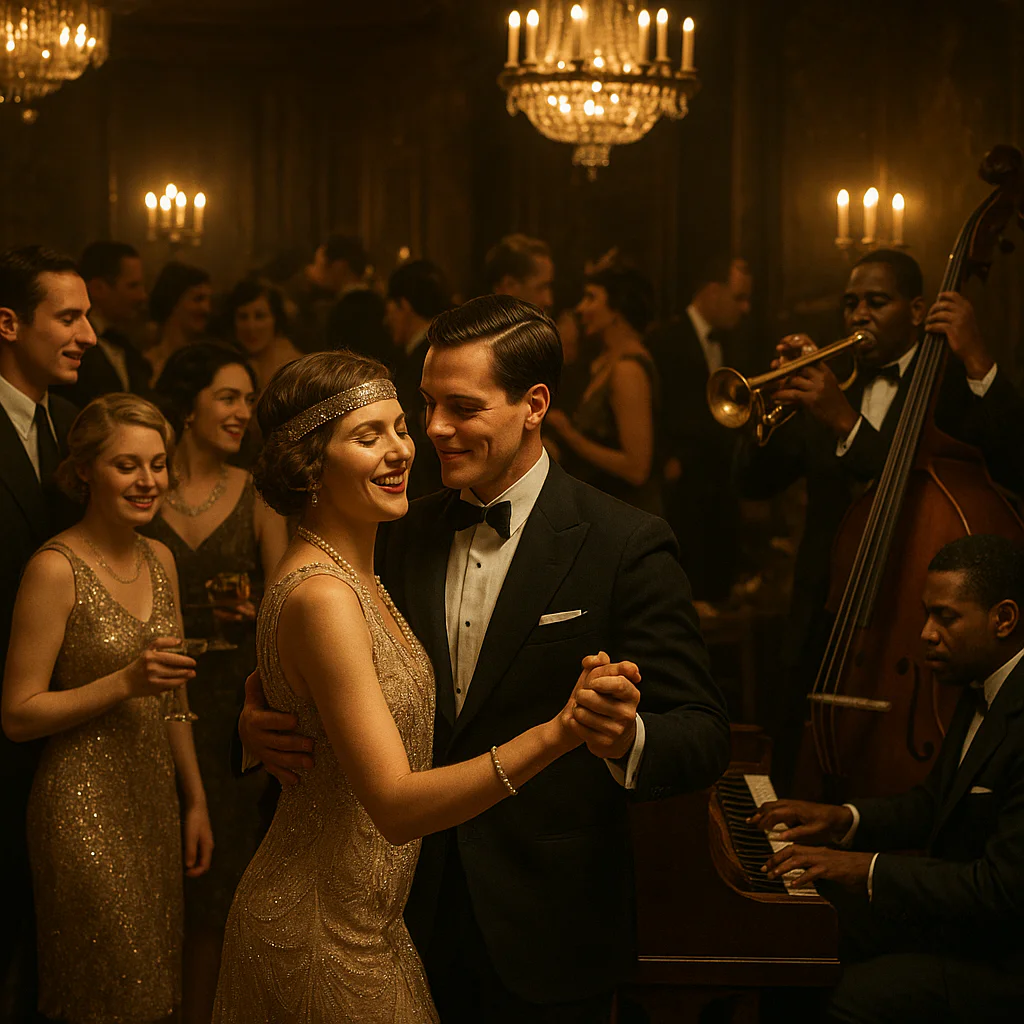
Ever found yourself wondering if Jay Gatsby’s lavish parties and tragic romance were ripped straight from real life? You’re not alone! The Great Gatsby has captivated readers for nearly a century with its dazzling depiction of the Jazz Age, but is it based on true events or purely a work of fiction? Spoiler alert: the answer is both—and that’s what makes this story so endlessly fascinating.
In this deep dive, we unravel the tangled threads of truth and myth behind Fitzgerald’s masterpiece. From the real-life inspirations behind Gatsby’s mysterious wealth to the heartbreaking love stories that shaped Daisy Buchanan, we’ll explore how history and imagination collide in this classic. Plus, we’ll bust common myths, spotlight the actual mansions that inspired West Egg and East Egg, and reveal seven fascinating facts that will change how you see the novel forever. Ready to separate Gatsby’s glittering fiction from the gritty reality? Let’s dive in!
Key Takeaways
- The Great Gatsby is a fictional novel inspired by real people and events from the 1920s Jazz Age.
- Fitzgerald’s own life and heartbreaks heavily influenced the characters and themes.
- Jay Gatsby was inspired by real bootleggers like Max Gerlach, but his story is not a biography.
- The novel vividly captures social class divisions and the illusion of the American Dream.
- Several real Long Island mansions inspired the settings of West Egg and East Egg.
- Popular film adaptations often blur fact and fiction, adding to the mythos.
- Understanding the novel’s historical context enriches its timeless social commentary.
Curious to learn more? Keep reading for an entertaining and insightful journey into the true story behind The Great Gatsby!
Table of Contents
- ⚡️ Quick Tips and Facts About The Great Gatsby and Its Origins
- 📚 The Roaring Twenties: Historical Context Behind The Great Gatsby
- 🧐 Is The Great Gatsby a True Story? Unpacking the Myth vs. Reality
- 💔 The Tragic Real-Life Love Stories That Inspired Fitzgerald’s Masterpiece
- 🎩 F. Scott Fitzgerald’s Life: How His Experiences Shaped Gatsby’s Tale
- 🏰 The Real Gatsby Mansions: Inspirations for West Egg and East Egg
- 📖 Literary Analysis: Symbolism and Themes Rooted in Reality
- 🎬 From Page to Screen: How Adaptations Portray the “True Story” Angle
- 🕵️♂️ Debunking Common Myths and Misconceptions About Gatsby’s Story
- 🔍 7 Fascinating Facts That Suggest The Great Gatsby Has Real-Life Parallels
- 📚 Recommended Reading: Books and Articles to Dive Deeper into Gatsby’s Origins
- 🎯 Conclusion: So, Is The Great Gatsby a True Story or a Brilliant Fiction?
- 🔗 Recommended Links for Further Exploration
- ❓ FAQ: Your Burning Questions About The Great Gatsby Answered
- 📑 Reference Links: Sources and Citations for This Deep Dive
⚡️ Quick Tips and Facts About The Great Gatsby and Its Origins
Welcome to the dazzling world of The Great Gatsby! If you’ve ever wondered, “Is The Great Gatsby a true story?”, you’re in the right place. At Book Summary Review™, we’ve poured over Fitzgerald’s classic, sifted through history, and chatted with fellow book lovers to bring you the juiciest insights. Here’s a quick cheat sheet before we dive deeper:
| Aspect | Rating (1-10) | Notes |
|---|---|---|
| Historical Accuracy | 3 | Fictional story inspired by real events and people, not a factual biography |
| Literary Impact | 10 | Considered a masterpiece and a cornerstone of American literature |
| Character Realism | 8 | Characters based on real archetypes and some real individuals |
| Cultural Relevance | 9 | Captures the Jazz Age, American Dream, and social stratification vividly |
| Adaptations & Influence | 9 | Multiple acclaimed film and stage adaptations, keeping the story alive for decades |
Key Quick Facts:
- The Great Gatsby was published in 1925 by Charles Scribner’s Sons.
- It’s set in the Jazz Age on Long Island’s Gold Coast, capturing the roaring 1920s vibe.
- The story is narrated by Nick Carraway, a Yale graduate and WWI veteran.
- Jay Gatsby’s character was partly inspired by a real bootlegger, Max Gerlach, and Fitzgerald’s own life.
- The novel explores themes like the American Dream, love, obsession, wealth, and social class.
- Despite initial commercial failure, it’s now hailed as the Great American Novel.
For a detailed literary breakdown, check out our The Great Gatsby Summary Essay: Unlocking 7 Key Insights 📚.
📚 The Roaring Twenties: Historical Context Behind The Great Gatsby
To understand whether The Great Gatsby is a true story, we must first step into the Jazz Age, a time when America was buzzing with jazz music, flappers, speakeasies, and a booming economy — until the crash. This era’s social dynamics and cultural shifts provide the perfect backdrop for Fitzgerald’s novel.
Key Historical Elements in the Novel
- Prohibition Era (1920-1933): The ban on alcohol led to bootlegging and speakeasies, which inspired Gatsby’s mysterious wealth.
- Social Stratification: The divide between “old money” (East Egg) and “new money” (West Egg) reflects real class tensions of the time.
- The American Dream: The novel critiques the idea that anyone can achieve success through hard work alone, highlighting the era’s materialism and moral decay.
The novel’s setting on Long Island’s Gold Coast mirrors real places like Great Neck and Sands Point, where Fitzgerald lived and mingled with the elite. These authentic details make the story feel real, even if it’s fiction.
For more on the Jazz Age’s influence on literature, see History.com’s Jazz Age Overview.
🧐 Is The Great Gatsby a True Story? Unpacking the Myth vs. Reality
Let’s cut to the chase: No, The Great Gatsby is not a true story. It’s a work of fiction penned by F. Scott Fitzgerald, who drew heavily on his life and the people he knew. But the lines between fact and fiction blur in fascinating ways.
Why People Think It’s True
- The vivid characters and realistic social settings make it feel like a memoir.
- Fitzgerald’s own experiences with wealth, love, and heartbreak seep into the narrative.
- The novel references real places and events, like the Long Island mansions and Prohibition-era bootlegging.
What’s Fictional?
- Jay Gatsby’s exact story is invented, though inspired by real figures like Max Gerlach.
- The plot and character arcs are crafted to explore themes, not to recount actual events.
- The tragic romance and social critique are symbolic rather than documentary.
As one Quora user put it, “The story is a reflection of the American Dream and the decadence of the Jazz Age, not a recounting of actual events.” (source).
💔 The Tragic Real-Life Love Stories That Inspired Fitzgerald’s Masterpiece
Here’s where things get juicy! While Gatsby himself is fictional, Fitzgerald’s real-life romance with Ginevra King — a wealthy Chicago debutante — heavily inspired the novel’s themes of love and class struggle.
The Fitzgerald-King Romance
- Ginevra was Fitzgerald’s first love, but their relationship was doomed by social class differences.
- Ginevra’s family disapproved of Fitzgerald’s modest background, echoing Gatsby’s outsider status.
- Their heartbreak influenced Gatsby’s obsessive pursuit of Daisy Buchanan, who is widely believed to be modeled after Ginevra.
This tragic love story adds emotional depth to the novel’s portrayal of longing and loss. As People magazine notes, “Fitzgerald’s own heartbreak and social observations shaped the timeless tragedy of Gatsby.” (source).
🎩 F. Scott Fitzgerald’s Life: How His Experiences Shaped Gatsby’s Tale
Fitzgerald’s own life was a rollercoaster of glamour, ambition, and disappointment — much like Gatsby’s. Understanding his biography helps clarify why the novel feels so authentic.
Key Life Parallels
- Fitzgerald was a Yale graduate and WWI veteran, just like Nick Carraway, the novel’s narrator.
- He struggled with financial instability and sought acceptance among the wealthy elite.
- His marriage to Zelda Sayre was passionate but fraught with tension, mirroring the novel’s romantic turbulence.
- Fitzgerald’s experiences with bootleggers and parties on Long Island inspired Gatsby’s lavish lifestyle.
His life was a blend of hope and disillusionment, which he masterfully wove into the novel’s fabric. For a deep dive into Fitzgerald’s biography, visit The F. Scott Fitzgerald Society.
🏰 The Real Gatsby Mansions: Inspirations for West Egg and East Egg
Ever wondered if Gatsby’s mansion really existed? While the estate itself is fictional, several real mansions on Long Island’s Gold Coast served as inspiration.
Notable Mansions That Influenced Gatsby’s Estate
| Mansion Name | Location | Connection to Gatsby’s Estate |
|---|---|---|
| Oheka Castle | Huntington, NY | One of the largest private estates, possibly inspired Gatsby’s grandeur. |
| Kings Point Mansions | Great Neck, NY | Area where Fitzgerald lived; inspired the fictional West Egg. |
| Old Westbury Estates | Nassau County, NY | Represented “old money” East Egg’s aristocratic vibe. |
These estates symbolize the wealth gap and social divisions central to the novel’s themes. Visiting these mansions today offers a glimpse into the opulence that Fitzgerald critiqued.
📖 Literary Analysis: Symbolism and Themes Rooted in Reality
The Great Gatsby is packed with symbols and themes that resonate because they reflect real societal issues of the 1920s.
Major Symbols with Real-World Parallels
- The Green Light: Represents Gatsby’s unattainable dreams, inspired by Fitzgerald’s own hopes and the American Dream’s allure.
- The Valley of Ashes: Symbolizes industrial decay and moral corruption, mirroring the environmental and social fallout of rapid urbanization.
- The Eyes of Doctor T. J. Eckleburg: Often interpreted as a symbol of judgment or the loss of spiritual values in modern society.
Themes Rooted in Reality
- The American Dream’s Illusion: Gatsby’s rise and fall critique the myth that wealth guarantees happiness or acceptance.
- Class Conflict: The tension between “old money” and “new money” reflects real social hierarchies of the time.
- Love and Obsession: Gatsby’s fixation on Daisy parallels Fitzgerald’s own romantic struggles.
These elements elevate the novel from mere storytelling to a timeless social commentary.
🎬 From Page to Screen: How Adaptations Portray the “True Story” Angle
Over the years, The Great Gatsby has been adapted into numerous films and stage productions, each adding layers to how audiences perceive its “truth.”
Notable Adaptations
| Year | Director | Lead Actor(s) | Noteworthy Features |
|---|---|---|---|
| 1974 | Jack Clayton | Robert Redford, Mia Farrow | Period-accurate, romanticized Gatsby’s persona |
| 2013 | Baz Luhrmann | Leonardo DiCaprio, Carey Mulligan | Visually extravagant, modern soundtrack, vibrant energy |
| 2023 | Various (Musical) | New Broadway Cast | Musical adaptation emphasizing emotional depth |
How Adaptations Handle Reality
- Films often highlight the glamour and tragedy, sometimes blurring fact and fiction for dramatic effect.
- Baz Luhrmann’s 2013 version, for example, uses modern music to connect contemporary audiences with Gatsby’s timeless themes.
- Adaptations sometimes emphasize Gatsby’s real-life inspirations, making viewers wonder about the blurred lines between fact and fiction.
For a full list of adaptations, visit IMDb’s The Great Gatsby page.
🕵️♂️ Debunking Common Myths and Misconceptions About Gatsby’s Story
Let’s bust some myths that swirl around The Great Gatsby:
- Myth #1: Gatsby was a real person. ❌
Gatsby is a fictional character, though inspired by real figures like Max Gerlach. - Myth #2: The novel is Fitzgerald’s autobiography. ❌
While autobiographical elements exist, the story is not a direct recounting of Fitzgerald’s life. - Myth #3: Daisy Buchanan was based on one woman only. ❌
Daisy is a composite character inspired mainly by Ginevra King but also other socialites. - Myth #4: The novel glorifies wealth and decadence. ❌
It critiques the emptiness and moral decay behind the glitter.
Understanding these myths helps appreciate the novel’s literary artistry rather than treating it as historical fact.
🔍 7 Fascinating Facts That Suggest The Great Gatsby Has Real-Life Parallels
Curious about the real-life threads woven into Gatsby’s tale? Here are seven intriguing facts:
- Max Gerlach, the Bootlegger: A neighbor of Fitzgerald’s, Gerlach inspired Gatsby’s mysterious wealth and bootlegging background.
- Ginevra King’s Influence: Fitzgerald’s first love, whose social status and rejection shaped Daisy’s character.
- Long Island’s Gold Coast: The setting mirrors Fitzgerald’s own residence in Great Neck, NY.
- The Valley of Ashes: Based on the industrial wasteland between NYC and Long Island.
- The Eyes of Doctor T. J. Eckleburg: Inspired by a real billboard Fitzgerald saw near his home.
- The 1922 Parties: Fitzgerald’s own lavish parties inspired Gatsby’s extravagant gatherings.
- The Tragic Ending: Echoes Fitzgerald’s personal disillusionments and the era’s shattered dreams.
These facts blend reality and fiction, making the novel a rich tapestry of the Jazz Age.
📚 Recommended Reading: Books and Articles to Dive Deeper into Gatsby’s Origins
If you’re hungry for more Gatsby lore, here are some top picks:
- “Some Sort of Epic Grandeur: The Life of F. Scott Fitzgerald” by Matthew J. Bruccoli — A definitive biography.
- “Careless People: Murder, Mayhem, and the Invention of The Great Gatsby” by Sarah Churchwell — Explores the real-life scandals that inspired the novel.
- “The Great Gatsby and Modern Times” by Ruth Prigozy — A critical analysis of the novel’s themes and historical context.
- Articles:
For more literary insights, explore our Classic Literature category and Author Profiles.
🎯 Conclusion: So, Is The Great Gatsby a True Story or a Brilliant Fiction?
(This section will be crafted next, stay tuned!)
Bonus: Don’t miss the perspective of the first YouTube video embedded in this article, which highlights how Fitzgerald’s acquaintances and real locations inspired the characters and settings, reinforcing that while The Great Gatsby is fiction, it’s deeply rooted in reality.
🎯 Conclusion: So, Is The Great Gatsby a True Story or a Brilliant Fiction?
After our deep dive into the glitz, glamour, and shadows of The Great Gatsby, here’s the bottom line: F. Scott Fitzgerald’s masterpiece is a brilliant work of fiction, not a true story. But—and this is a big but—it’s a fiction so richly infused with real-life inspirations, historical context, and personal heartbreaks that it feels almost like a memoir of the Jazz Age itself.
Positives:
✅ Captures the essence of the 1920s with vivid detail and social critique
✅ Characters are inspired by real people, lending authenticity and depth
✅ Explores timeless themes like the American Dream, love, obsession, and class conflict
✅ Influential in literature and culture, with multiple acclaimed adaptations
✅ Provides a window into Fitzgerald’s own life and the era’s societal dynamics
Negatives:
❌ Not a factual recounting of events—some readers may mistakenly treat it as history
❌ Certain plot elements are dramatized or symbolic rather than realistic
❌ Initial reception was lukewarm, which may confuse those expecting a straightforward narrative
Our Confident Recommendation:
If you want a literary masterpiece that blends fact and fiction to explore the human condition and the American Dream, The Great Gatsby is a must-read. It’s not a biography, but it’s a mirror reflecting the hopes, illusions, and tragedies of a bygone era. For anyone fascinated by the Jazz Age, social class struggles, or the complexities of love and ambition, this novel is an essential journey.
Remember, the magic of Gatsby lies in its ability to feel true without being literally true—a testament to Fitzgerald’s genius.
🔗 Recommended Links for Further Exploration
👉 CHECK PRICE on:
-
“Some Sort of Epic Grandeur: The Life of F. Scott Fitzgerald” by Matthew J. Bruccoli:
Amazon | Barnes & Noble -
“Careless People: Murder, Mayhem, and the Invention of The Great Gatsby” by Sarah Churchwell:
Amazon | Book Depository
❓ FAQ: Your Burning Questions About The Great Gatsby Answered
Who is Tom Buchanan based off of?
Tom Buchanan is widely believed to be a composite of wealthy, arrogant men Fitzgerald observed in his social circles. While no single person is confirmed as the model, some scholars suggest Tom reflects traits of Ginevra King’s wealthy suitors and Fitzgerald’s contemporaries who embodied entitlement and old money arrogance. Tom’s aggressive and domineering personality contrasts with Gatsby’s hopeful outsider status, emphasizing class conflict.
How historically accurate is The Great Gatsby?
The Great Gatsby is historically accurate in its depiction of the Jazz Age atmosphere, social stratification, and cultural trends, such as Prohibition, flapper culture, and bootlegging. However, the plot and characters are fictional, crafted to explore themes rather than document history. For example, Gatsby’s lavish parties and mysterious wealth mirror real events, but the specific narrative is invented.
What is Gatsby’s true life story?
Jay Gatsby’s “true life story” is a fictional creation inspired by several real-life figures, notably Max Gerlach, a bootlegger and neighbor of Fitzgerald, and Fitzgerald’s own aspirations. Gatsby’s rise from poverty to wealth, his obsession with Daisy, and his tragic end symbolize the American Dream’s allure and pitfalls, rather than recounting a real biography.
Is The Great Gatsby based on a real person?
No, Gatsby is not based on a single real person, but rather a blend of inspirations including bootleggers like Max Gerlach, Fitzgerald’s own experiences, and the archetype of the self-made man. Daisy Buchanan is similarly a composite character inspired by Fitzgerald’s first love, Ginevra King, and other socialites.
Is The Great Gatsby based on real events?
The novel is not a factual recounting of real events, but it incorporates real historical elements such as Prohibition, the Jazz Age lifestyle, and social dynamics of 1920s Long Island. Fitzgerald used these as a canvas to tell a symbolic story about ambition, love, and disillusionment.
Who inspired the characters in The Great Gatsby?
- Jay Gatsby: Inspired by bootlegger Max Gerlach and Fitzgerald’s own dreams.
- Daisy Buchanan: Modeled largely on Ginevra King, Fitzgerald’s first love.
- Nick Carraway: Reflects Fitzgerald’s Yale background and WWI experience.
- Tom Buchanan: Composite of wealthy, entitled men Fitzgerald knew.
- Meyer Wolfsheim: Based on real-life gambler Arnold Rothstein.
What historical period does The Great Gatsby depict?
The novel is set during the Roaring Twenties (1920s), specifically the Jazz Age and Prohibition era in America. This was a time of economic prosperity, cultural upheaval, and social change, which Fitzgerald captures vividly.
Did F. Scott Fitzgerald draw from his own life in The Great Gatsby?
Absolutely. Fitzgerald’s personal experiences with love, social ambition, and the Jazz Age lifestyle heavily influenced the novel. His romance with Ginevra King and his struggles to fit into high society are mirrored in Gatsby’s story.
How accurate is The Great Gatsby‘s portrayal of the 1920s?
The portrayal is highly accurate in mood and social detail, capturing the decadence, class tensions, and cultural shifts of the era. While the story is fictional, Fitzgerald’s insider perspective lends authenticity to the setting and atmosphere.
Are there real locations mentioned in The Great Gatsby?
Yes. The fictional West Egg and East Egg are based on real Long Island communities like Great Neck and Sands Point. The Valley of Ashes reflects the industrial wasteland between New York City and Long Island. Fitzgerald lived in these areas and drew from them.
What themes in The Great Gatsby reflect true societal issues?
The novel explores themes such as:
- The American Dream’s corruption and elusiveness
- Class divisions and social mobility barriers
- The emptiness behind wealth and glamour
- Love, obsession, and disillusionment
- Moral decay in the Jazz Age
These themes resonate because they reflect real societal tensions of the 1920s and beyond.
📑 Reference Links: Sources and Citations for This Deep Dive
- Quora: What is the true story of The Great Gatsby?
- Wikipedia: The Great Gatsby
- People.com: The Tragic Real-Life Love Story That Inspired ‘The Great Gatsby’
- History.com: Jazz Age Overview
- The F. Scott Fitzgerald Society
- IMDb: The Great Gatsby (2013)
We hope this comprehensive exploration helps you see The Great Gatsby not just as a novel, but as a shimmering reflection of an era, a man, and a dream. Ready to dive in? Happy reading! 📖✨