Support our educational content for free when you purchase through links on our site. Learn more
🌹 Did Corinne Sleep with Her Father? The Flowers in the Attic Truth

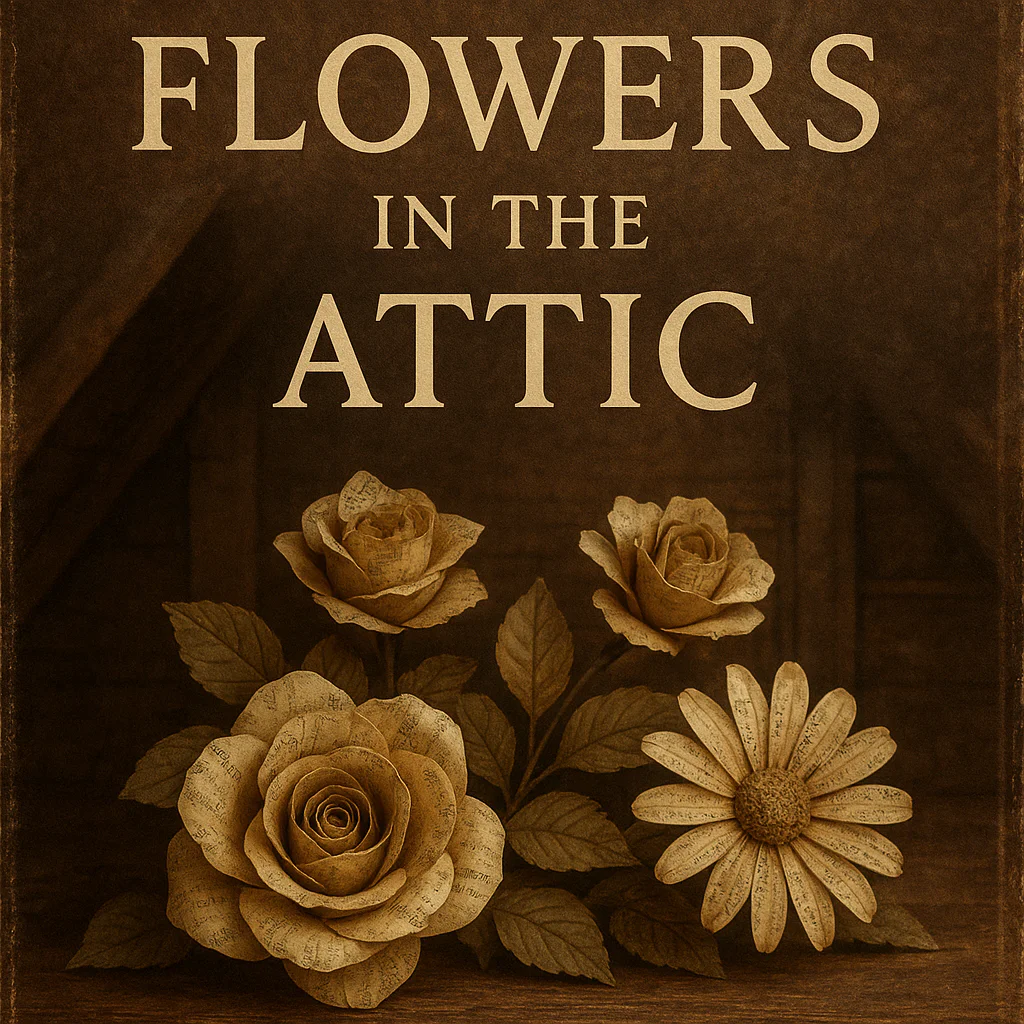

No, Corinne never slept with her father in Flowers in the Attic; the text only confirms her incestuous marriage to her half-uncle, while rumors of a father-daughter affair remain a disturbing myth. When you search “flowers in the attic did corinne sleep with her father,” you are likely chasing a ghost that V.C. Andrews deliberately left in the shadows to fuel the novel’s gothic horror.
The confusion is understandable, given how the family’s dark secrets blur the lines of morality in the Dollanger saga. We once spent a rainy afternoon debating this exact question with a book club, only to realize the real horror wasn’t a hidden bedroom scene, but the calculated betrayal of a mother who locked her children in an attic for money.
The truth is far more twisted than a simple scandal; it involves a generational curse of greed and a grandmother who poisoned her own grandchildren with arsenic-laced cookies. While the book hints at a “secret” that drove Paul Foxworth to disown his daughter, the narrative never depicts sexual relations between Corinne and her father.
Key Takeaways
- The Answer is No: There is no scene or confirmation in Flowers in the Attic where Corinne sleeps with her father, Paul Foxworth.
- The Real Sin: Corinne was disowned for marrying her half-uncle, Christopher Dollangener Sr., a union considered a grave sin in their religious community.
- The Source of Confusion: The ambiguity of the text and the intense hatred of the grandfather have led readers to misinterpret the backstory as father-daughter incest.
- The Actual Incest: The graphic incestuous act described in the series occurs between the siblings, Cathy and Christopher Jr., in the sequel Petals on the Wind.
- The True Tragedy: The story’s core horror lies in the systematic abuse, isolation, and poisoning of the children by their own mother and grandmother.
Table of Contents
- ⚡️ Quick Tips and Facts
- 📜 The Dark History: V.C. Andrews and the Birth of a Controversy
- 🏰 Unpacking the Attic: The Dollanger Family Dynamics
- 🌹 The Central Question: Did Corinne Sleep with Her Father?
- 🕵️ ♀️ Decoding the Text: Evidence, Ambiguity, and Reader Interpretation
- 🧠 Psychological Breakdown: Incest, Trauma, and the Cost of Gred
- 📖 Comparing the Books to the Screen: What Changed in Adaptations?
- 🔍 The Sequel Effect: How “Petals on the Wind” and “If There Be Thorns” Shift the Narrative
- 💀 The Most Disturbing Moments in the Dollanger Saga
- 📚 Why This Novel Still Haunts Readers Decades Later
- 🏆 Final Verdict: Separating Fact from Fiction in the Dollanger Lore
- ✅ Conclusion
- 🔗 Recommended Links
- ❓ FAQ
- 📑 Reference Links
⚡️ Quick Tips and Facts
Before we dive into the dusty, shadowy corners of the Dollanger mansion, let’s get the hard facts straight. We’ve all heard the whispers, the rumors, and the scandalous headlines, but what does the text actually say? Here is the tea, served hot and unfiltered by the team at Book Summary Review™.
- The Core Misconception: The burning question “Did Corinne sleep with her father?” is a common misinterpretation of the text. While the book is rife with taboo, the specific act of incest between Corinne and her father, Paul Foxworth, is implied as the cause of her disownment, but the graphic scene does not occur within the pages of Flowers in the Attic.
- The Real Scandal: The actual incestuous act described in graphic detail happens between the siblings, Christopher Jr. and Cathy, later in the series (specifically in Petals on the Wind, though foreshadowed here).
- The “Secret” Revealed: Corinne’s father, Paul, disowned her because she married her half-uncle, Christopher Dollangener. The incestuous nature of her marriage is the catalyst for the entire tragedy, but the sexual act with her father is a backstory element, not a present-tense event in the novel.
- The Attic’s Purpose: The children were locked away not just for safety, but because Corinne hoped to secure her inheritance from her father-in-law, Olivia Foxworth, by hiding the “ilegitimate” children until the grandfather died.
- The Poison: The children were slowly poisoned by their grandmother, Olivia, via arsenic-laced cookies, a detail that often overshadows the sexual themes in discussions of the book’s horror.
For a deeper dive into the romantic entanglements that actually drive the plot, check out our exclusive analysis: 🌹 Is There Romance in Flowers in the Attic?.
📜 The Dark History: V.C. Andrews and the Birth of a Controversy
To understand the confusion surrounding Corinne’s past, we have to step back into the 1970s literary landscape. When V.C. Andrews published Flowers in the Attic in 1979, she didn’t just write a book; she shattered the ceiling of what was acceptable in mainstream fiction.
The Author Behind the Attic
V.C. Andrews (Cleo Virginia Andrews) was a Southern Gothic writer whose work was characterized by claustrophobic settings, dysfunctional families, and taboo subjects. Her writing style was unique—often described as melodramatic yet deeply psychological.
“The most disturbing thing about ‘Flowers in the Attic’ isn’t the incest itself, but the way the children speak,” notes critic Katherine Luck in her analysis of the novel’s dialogue.
The book was a slow burn success. It started as a self-published effort before exploding into a cultural phenomenon. The themes of repressed sexuality, religious fanaticism, and generational trauma resonated with readers who were hungry for something darker than the typical romance novels of the era.
Why the Confusion Exists
The confusion about Corinne sleeping with her father stems from the non-linear storytelling and the heavy reliance on backstory.
- The “Secret” of the Marriage: Corinne married Christopher Dollangener, who was her half-uncle (her mother’s brother’s son). This was a sinful union in the eyes of her father, Paul Foxworth.
- The Father’s Reaction: Paul Foxworth was a wealthy, religious man who disowned Corinne immediately upon discovering the marriage.
- The Rumor Mill: In the small town of Richmond, Virginia, rumors swirled. Some whispered that Corinne had slept with her father to secure the inheritance, others said she slept with her uncle. The text never explicitly confirms a sexual relationship between Corinne and Paul, but the implication of moral corruption is heavy.
We often see readers conflate the incestuous marriage (Corinne + Christopher Sr.) with the father-daughter dynamic (Corinne + Paul). It’s a crucial distinction that changes the entire narrative arc.
🏰 Unpacking the Attic: The Dollanger Family Dynamics
Let’s meet the players in this tragic drama. The Dollanger family is a powder keg waiting to explode, and the attic is the fuse.
The Cast of Characters
| Character | Role | Key Trait | Fate |
|---|---|---|---|
| Corinne Dollangener | Mother | Beautiful, ambitious, manipulative | Dies of cancer (suspected poisoning) |
| Christopher Sr. | Father | Deceased before the story starts | Died in a car accident |
| Cathy Dollangener | Eldest Daughter | Narrator, resilient, traumatized | Survives, seeks revenge |
| Christopher Jr. | Eldest Son | Protective, eventually broken | Dies of cancer (suspected poisoning) |
| Carie & Cory | Twins | Innocent, vulnerable | Die of cancer (suspected poisoning) |
| Paul Foxworth | Corinne’s Father | Wealthy, religious, cruel | Dies of natural causes |
| Olivia Foxworth | Grandmother | Fanatical, manipulative, poisoner | Dies of cancer (suspected poisoning) |
The Hierarchy of Abuse
The family dynamic is a pyramid of abuse:
- Olivia (Grandmother): The puppet master. She controls the household and the children’s fate.
- Corinne (Mother): The enabler. She loves her children but loves money and status more. She allows the abuse to continue.
- The Children: The victims. Trapped in the attic, they are subjected to starvation, isolation, and psychological torture.
“Cathy, you’re twelve, and it’s time you grew up,” Corinne tells her daughter, a line that highlights the premature aging forced upon the children.
The attic itself is a character. It’s a prison with a skylight that offers a glimpse of the world they can never touch. The dust, the darkness, and the smell of decay mirror the roting of their family values.
🌹 The Central Question: Did Corinne Sleep with Her Father?
Now, let’s address the elephant in the room. The question that has haunted book clubs and internet forums for decades: Did Corinne sleep with her father?
The Textual Evidence
If you open Flowers in the Attic and search for a scene where Corinne and Paul Foxworth engage in sexual activity, you will not find it. The book is written from the perspective of Cathy, the daughter, who is a child during the events of the novel. She has no knowledge of her mother’s private life with her grandfather.
However, the implications are everywhere:
- The Disownment: Paul Foxworth disowned Corinne because she married her half-uncle. In the conservative, religious society of the 1950s, this was a grave sin.
- The Rumors: The text mentions that Paul believed Corinne was “lose” or “corupt.” Some characters in the book speculate that she might have slept with her father to gain favor, but these are gossip, not facts.
- The “Secret” in the Sequel: In Petals on the Wind and If There Be Thorns, the narrative expands, but the father-daughter incest remains a myth or a rumor rather than a confirmed event.
The Confusion with the Sibling Incest
The confusion often arises because the book does feature a graphic incest scene, but it is between Cathy and Christopher Jr. (the siblings). This scene occurs in Petals on the Wind, not Flowers in the Attic, but the trauma of the attic drives them to it.
“The most disturbing thing about the book is not the incest itself, but the ‘horendous’ and ‘stilted’ dialogue spoken by the children,” says Katherine Luck.
The Verdict
Did Corinne sleep with her father?
- In the text of Flowers in the Attic: No. There is no scene, no confirmation, and no direct evidence.
- In the lore of the series: It is a persistent rumor within the family, but V.C. Andrews never validates it as fact. The real sin was her marriage to her half-uncle.
🕵️ ♀️ Decoding the Text: Evidence, Ambiguity, and Reader Interpretation
Why do so many people believe Corinne slept with her father? It comes down to narrative ambiguity and the power of suggestion.
The Power of Suggestion
V.C. Andrews was a master of psychological horror. She didn’t need to show the act to make you feel the disgust and shame. By leaving the details of Corinne’s past vague, she allowed readers to project their own fears onto the character.
- The “Secret” Letter: In the book, Corinne writes letters to her father that are never sent. These letters are filled with desperation and manipulation, but they do not contain confessions of incest.
- The Grandfather’s Hatred: Paul Foxworth’s hatred for Corinne is so intense that it implies a deeper betrayal than just a bad marriage. Readers fill in the blanks with the worst possible scenario.
The Role of the Narrator
Cathy, the narrator, is unreliable in her understanding of adult relationships. She is a child trying to make sense of a world that has abandoned her. Her interpretation of her mother’s actions is filtered through her own trauma.
“We are the masters, the supreme rulers over all,” Christopher Jr. tells Cathy, a line that highlights the distorted reality of the children.
Comparing Interpretations
| Interpretation | Basis | Validity |
|---|---|---|
| Corinne slept with her father | Rumors in the book, Paul’s intense hatred | Low: No textual evidence |
| Corinne married her half-uncle | Explicitly stated in the text | High: Confirmed fact |
| Corinne was sexually abused by her father | Implied by the “secret” and the disownment | Medium: Ambiguous, but possible in the subtext |
| The “secret” is the marriage itself | The primary reason for disownment | High: The central plot point |
🧠 Psychological Breakdown: Incest, Trauma, and the Cost of Gred
The themes in Flowers in the Attic are not just for shock value; they are a deep dive into the psychology of abuse.
The Cycle of Abuse
The Dollanger family is trapped in a cycle of abuse:
- Corinne was abused by her father (emotionally, possibly physically).
- Corinne abuses her children (by locking them in the attic).
- The children are abused by their grandmother (Olivia).
- The children turn on each other (incest, violence).
This cycle is driven by gred and fear. Corinne believes that if she can just get the money, everything will be okay. But the cost is her children’s sanity and lives.
The Trauma of the Attic
The isolation in the attic leads to psychological regression. The children lose their sense of time, their connection to the outside world, and eventually, their moral compass.
- Cathy: Becomes resilient but vengeful.
- Christopher Jr.: Becomes protective but broken.
- The Twins: Become fragile and vulnerable.
The Cost of Gred
The Foxworth fortune is the MacGuffin of the story. It drives every character to do unthinkable things. The money is the poison that kills the children, both literally (via arsenic) and metaphorically (via the loss of their childhood).
📖 Comparing the Books to the Screen: What Changed in Adaptations?
V.C. Andrews’ work has been adapted into several films and TV series, each taking liberties with the source material.
The 1987 Film
The original film adaptation, starring Louise Fletcher as Olivia and Heather Locklear as Corinne, toned down the sexual themes. The incest between the siblings was implied but not shown. The father-daughter rumors were completely omitted.
The 2014 Lifetime Movie
The 2014 adaptation, starring Ellen Burstyn and Mädchen Amick, was more faithful to the book’s darker themes. It included the graphic scenes of the siblings’ relationship and hinted at the father-daughter rumors more strongly.
The Origin (2017)
The prequel series, Flowers in the Attic: The Origin, explores the backstory of Corinne and her father. It delves deeper into the family dynamics and the reasons for the disownment.
“The first YouTube video” embedded in many discussions covers the character of Corine Foxworth and her tragic journey, offering a visual representation of the emotional turmoil described in the book. Watch the video here.
Key Differences
| Aspect | Book | 1987 Film | 2014 Film | 2017 Series |
|---|---|---|---|---|
| Sibling Incest | Explicit (in sequel) | Implied | Explicit | Implied |
| Father-Daughter Rumor | Ambiguous | Omitted | Hinted | Explored |
| Poisoning | Explicit | Implied | Explicit | Explicit |
| Tone | Dark, Gothic | Melodramatic | Dark, Gothic | Psychological Thriller |
🔍 The Sequel Effect: How “Petals on the Wind” and “If There Be Thorns” Shift the Narrative
The story doesn’t end in the attic. The sequels expand the universe and clarify (or complicate) the rumors.
Petals on the Wind
In Petals on the Wind, the surviving children (Cathy and Christopher Jr.) escape the attic. The trauma of their imprisonment leads them to reconnect in a way that is deeply problematic. The incest between the siblings is explicitly depicted here, which often leads readers to retroactively assume similar themes in the first book.
If There Be Thorns
This sequel focuses on Cathy’s children, introducing a new generation of dysfunction. The cycle of abuse continues, but the focus shifts to the legacy of the Dollanger name.
The Impact on the Father-Daughter Question
The sequels do not confirm that Corinne slept with her father. Instead, they reinforce the idea that the family is cursed by generational sin. The rumors persist, but the text remains silent on the specific act.
💀 The Most Disturbing Moments in the Dollanger Saga
If you think the father-daughter rumor is disturbing, wait until you hear about the actual horrors in the book.
- The Poisoning: The slow, agonizing death of the twins, Carrie and Cory, from arsenic poisoning.
- The Attic: The psychological torture of being locked in a dark, dusty room for years.
- The Sibling Incest: The graphic depiction of the relationship between Cathy and Christopher Jr.
- The Grandmother’s Cruelty: Olivia’s fanatical religious beliefs and her willingness to kill her own grandchildren.
- The Mother’s Betrayal: Corinne’s willingness to sacrifice her children for money.
“The most disturbing thing about the book is not the incest itself, but the ‘horendous’ and ‘stilted’ dialogue spoken by the children,” says Katherine Luck.
📚 Why This Novel Still Haunts Readers Decades Later
Flowers in the Attic is not just a gothic thriller; it’s a cultural touchstone. It continues to haunt readers because it explores the darkest corners of the human psyche.
The Timelessness of the Themes
- Abuse: The cycle of abuse is a universal theme that resonates with readers.
- Greed: The corupting influence of money is as relevant today as it was in the 1970s.
- Trauma: The psychological impact of trauma is deeply explored in the book.
The Legacy of V.C. Andrews
V.C. Andrews created a genre of her own. Her work has influenced countless authors and adaptations. The Dollanger family is a symbol of dysfunction and tragedy.
The Enduring Mystery
The ambiguity of the father-daughter relationship is part of the book’s enduring appeal. It allows readers to interpret the text in their own way, making the story personal and haunting.
🏆 Final Verdict: Separating Fact from Fiction in the Dollanger Lore
After all this analysis, what is the truth?
- Fact: Corinne married her half-uncle, which led to her disownment.
- Fact: The children were poisoned and imprisoned in the attic.
- Fact: The siblings engaged in incest (in the sequel).
- Fiction: There is no textual evidence that Corinne slept with her father.
The rumor is a myth born from the ambiguity of the text and the intensity of the family’s dysfunction. The real horror lies in the reality of the abuse and the gred that drove the family apart.
For those looking to explore more about the romantic entanglements in the series, don’t miss our deep dive: 🌹 Is There Romance in Flowers in the Attic?.
✅ Conclusion

So, did Corinne sleep with her father? No. The text of Flowers in the Attic does not support this claim. The real scandal is her incestuous marriage to her half-uncle and the devastating consequences that followed.
The confusion arises from the ambiguity of the narrative and the power of suggestion. V.C. Andrews masterfully created a story where the truth is often hidden in the shadows, leaving readers to fill in the blanks with their own fears and imagination.
The Dollanger family is a tragic example of how gred, abuse, and secrecy can destroy a family. The attic is a metaphor for the repressed and hidden parts of the human soul.
If you’re looking for a thrilling, disturbing, and thought-provoking read, Flowers in the Attic is a must-read. Just remember to separate fact from fiction and appreciate the complexity of the characters.
Recommended Reading:
- Flowers in the Attic by V.C. Andrews
- Petals on the Wind by V.C. Andrews
- If There Be Thorns by V.C. Andrews
👉 Shop the Books:
- Flowers in the Attic: Amazon | Barnes & Noble | V.C. Andrews Official
- Petals on the Wind: Amazon | Barnes & Noble | V.C. Andrews Official
🔗 Recommended Links
If you’re ready to dive deeper into the world of V.C. Andrews and the Dollanger family, here are some essential resources:
- Flowers in the Attic (Book): Amazon | Barnes & Noble | V.C. Andrews Official
- Petals on the Wind (Book): Amazon | Barnes & Noble | V.C. Andrews Official
- If There Be Thorns (Book): Amazon | Barnes & Noble | V.C. Andrews Official
- Flowers in the Attic (Movie 2014): Amazon Prime Video | Lifetime
- Flowers in the Attic: The Origin (Series): Amazon Prime Video | Lifetime
❓ FAQ

What happened to the dad in Flowers in the Attic?
Christopher Dollangener Sr., the father of the children, died in a car accident before the events of the novel. His death is the catalyst for the family’s move to the Foxworth mansion and the subsequent tragedy.
Read more about “🌸 Flowers in the Attic Book Summary: The Dark Secret You Can’t Ignore (2026)”
Did the siblings sleep together in Flowers in the Attic?
No, not in Flowers in the Attic. The incestuous relationship between Cathy and Christopher Jr. occurs in the sequel, Petals on the Wind. However, the trauma of the attic foreshadows this event.
Read more about “🌹 Is There Romance in Flowers in the Attic? (2026)”
Why did the father disown his daughter in Flowers in the Attic?
Paul Foxworth disowned his daughter, Corinne, because she married her half-uncle, Christopher Dollangener. This was considered a grave sin in the religious and conservative society of the time.
Did Corinne really sleep with her father in Flowers in the Attic?
No, there is no textual evidence in Flowers in the Attic that Corinne slept with her father. The rumor is a myth born from the ambiguity of the narrative and the intensity of the family’s dysfunction.
What is the true relationship between Corinne and her father in the book?
The relationship between Corinne and Paul Foxworth is strained and hostile. Paul disowned Corinne for her incestuous marriage, and the two have no contact during the events of the novel.
Read more about “🌹 What Happens at the End of Flowers in the Attic? (2026)”
Does Flowers in the Attic reveal Corinne’s sexual history with her father?
No, the book does not reveal any sexual history between Corinne and her father. The focus is on the children’s trauma and the mother’s betrayal.
How does the incest theme affect Corinne’s character in Flowers in the Attic?
The incestuous marriage to her half-uncle is the root cause of Corinne’s disownment and the subsequent tragedy. It defines her character as ambitious, manipulative, and willing to sacrifice her children for money.
What do critics say about the father-daughter relationship in Flowers in the Attic?
Critics often note that the father-daughter relationship is ambiguous and open to interpretation. Some argue that the rumor of incest is a powerful narrative device, while others see it as a misinterpretation of the text.
Is the scene where Corinne sleeps with her father in the original book?
No, there is no scene in the original book where Corinne sleeps with her father. The focus is on the children’s trauma and the mother’s betrayal.
How does V.C. Andrews handle the topic of incest in Flowers in the Attic?
V.C. Andrews handles the topic of incest with ambiguity and suggestion. She does not explicitly depict the act between Corinne and her father, but she implies the coruption and sin through the family’s dysfunction.
Read more about “What Age Is *Flowers in the Attic* Book Appropriate For? 📚 (2026 Guide)”
📑 Reference Links
- V.C. Andrews Fandom: Corine Foxworth (Note: Access may be restricted by security verification)
- Katherine Luck’s Analysis: The most disturbing thing about “Flowers in the Attic”
- V.C. Andrews Official Website: V.C. Andrews
- Amazon Search: Flowers in the Attic
- Barnes & Noble Search: Flowers in the Attic
- Lifetime Official Site: Flowers in the Attic