Support our educational content for free when you purchase through links on our site. Learn more
🌹 Flowers in the Attic Book Summary Spoilers: The Dark Truth Revealed (2026)

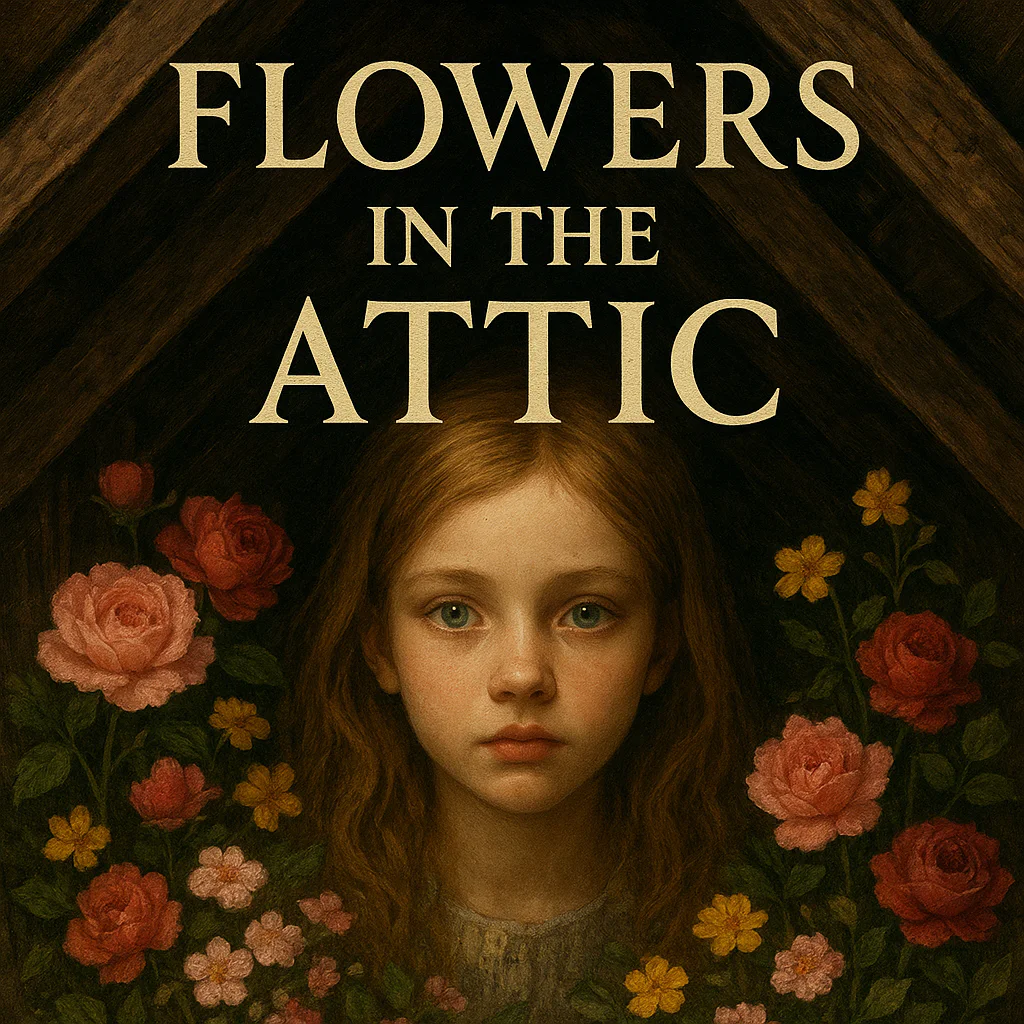
The shocking truth is that Corinne Foxworth, the mother, deliberately poisoned her own children to secure a multi-million dollar inheritance, a twist that turns a story of survival into a tale of pure maternal betrayal. If you are searching for Flowers in the attic book summary spoilers, you need to know that the attic isn’t just a prison; it’s a tomb where innocence was sacrificed for greed.
This 1979 Gothic horror classic has sold over 4.5 million copies, yet it remains one of the most banned books in American schools due to its graphic depictions of abuse and taboo relationships. We remember the first time we read it; the sheer audacity of the ending left us staring at the ceiling, wondering how a mother could look her dying son in the eye and lie.
The narrative doesn’t just end with the escape; it sets the stage for a darker sequel where the trauma festers and the revenge turns twisted. You might think the children find freedom, but the psychological scars they carry prove that some doors, once opened, can never be fully closed.
Key Takeaways
- The Ultimate Betrayal: The central spoiler reveals that Corinne poisoned her children with arsenic to ensure she received her father’s full inheritance, as the will stipulated she would lose it if she had living children from her first marriage.
- Tragic Casualties: Cory, the younger twin, dies from the poisoning, while his sister Carie is left mute from the trauma, leaving only Chris and Cathy to escape.
- Forbidden Love: The isolation in the attic leads to a taboo romantic relationship between the surviving siblings, Chris and Cathy, which becomes a coping mechanism for their shared trauma.
- Generational Trauma: The story explores how gred and religious hypocrisy destroy a family across three generations, starting with the cruel grandmother Olivia and ending with the manipulated mother Corinne.
Table of Contents
- ⚡️ Quick Tips and Facts
- 📜 A Dark History: The Origins of Flowers in the Attic
- 🏚️ The Dollanger Saga: Plot Summary and Key Events
- 1. The Tragic Move to the Grandmother’s Estate
- 2. Life in the Attic: Hunger, Hope, and Hidden Secrets
- 3. The Forbidden Romance: Chris and Cathy’s Desperate Bond
- 4. The Poisoned Cupcake: When Trust Turns Deadly
- 5. The Escape Plan: Breaking Free from the Attic Prison
- 💀 Unveiling the Spoilers: Who Dies and Why?
- 🧠 Psychological Analysis: Trauma, Gaslighting, and Family Secrets
- 📚 Comparing the Novel to the 1987 Film and 2014 Lifetime Adaptation
- 🎭 Character Breakdown: The Good, The Bad, and The Twisted
- 🔍 Themes Explored: Incest, Gred, and the Corruption of Innocence
- 💡 Reader Reactions: Why This Book Still Divides Audiences
- 📖 The Sequel Connection: How Petals on the Wind Continues the Nightmare
- 🏆 Final Verdict: Is Flowers in the Attic Worth the Read?
- 🏁 Conclusion
- 🔗 Recommended Links
- ❓ FAQ: Your Burning Questions About Flowers in the Attic Answered
- 📚 Reference Links
⚡️ Quick Tips and Facts
Before we drag you kicking and screaming into the dusty, sun-deprived world of Foxworth Hall, let’s get the essential facts straight. If you’re here for a quick fix of the Flowers in the Attic book summary spoilers, you’ve come to the right place. We’ve distilled the madness into bite-sized truths so you can decide if this gothic horror masterpiece is your next read or a book you’ll burn after reading.
- 📖 The Book: Flowers in the Attic by V.C. Andrews (1979).
- 🏚️ The Setting: A secluded attic in a Virginia mansion, 1950s–1960s.
- 👥 The Cast: Four siblings (Cathy, Chris, Cory, Carrie) and a mother who loves money more than her children.
- 💀 The Body Count: One twin dies of arsenic poisoning; the other twin is left mute.
- 💔 The Twist: The mother, Corinne, likely poisoned her own kids to secure an inheritance.
- 🚫 The Controversy: Banned in schools for incest, abuse, and “disturbing” content.
- 📈 The Legacy: Over 4.5 million copies sold; a cultural phenomenon that birthed a franchise.
Pro Tip: If you think the mother is the villain, wait until you meet the grandmother. And if you think the ending is happy, you haven’t read the sequel yet. For a deeper dive into the plot mechanics, check out our full Flowers in the Attic book summary.
📜 A Dark History: The Origins of Flowers in the Attic

Let’s rewind the tape to 1979. The publishing world was a bit more conservative, and then Flowers in the Attic dropped like a bomb. Written by V.C. Andrews, a woman who would later become synonymous with Gothic horror and family sagas, this book wasn’t just a story; it was a scandal.
Andrews, who passed away in 1986, wrote the original manuscript. After her death, her estate hired ghostwriter Andrew Neiderman to continue the series under her name. This is why later books sometimes feel slightly different in tone—less “Andrews,” more “Neiderman.” But the original? That’s pure, unadulterated Andrews chaos.
The book was initially rejected by several publishers for being too controversial. It was only picked up by a small press, and word of mouth (and the sheer shock value of the cover) turned it into a bestseller. It’s often cited as a predecessor to Twilight, not because of the vampires, but because of the forbidden romance and the intense, broding atmosphere.
Fun Fact: There is a persistent urban legend that the story is based on true events. While Andrews claimed in a pitch letter that the story was “not truly fiction,” no concrete evidence has ever surfaced to prove a real family was locked in an attic. It’s likely a fabrication to sell more books, but it adds to the creepy allure.
🏚️ The Dollanger Saga: Plot Summary and Key Events
The story begins with the Dollanger family: Christopher Sr., Corinne, and their four children—Cathy, Chris, and the twins, Cory and Carrie. They live a blissful, upper-class life in Pennsylvania until a car accident kills Christopher Sr., leaving Corinne in debt and her father, the billionaire Malcolm Foxworth, estranged.
Corinne, desperate to regain her inheritance, concocts a plan. She takes the children to her childhood home, Foxworth Hall, in Virginia. But there’s a catch: her father, Malcolm, doesn’t know the children exist. To win him back, Corinne hides the kids in the attic, promising they can leave once he dies.
1. The Tragic Move to the Grandmother’s Estate
The journey to Foxworth Hall is the last time the children feel safe. Upon arrival, they are ushered into a dusty, windowless attic room. The door is locked from the outside. Their grandmother, Olivia Foxworth, a woman obsessed with purity and family reputation, becomes their jailer. She tells them they are “the Devil’s spawn” because their parents were half-siblings (a fact Corinne hid from them).
2. Life in the Attic: Hunger, Hope, and Hidden Secrets
Life in the attic is a slow descent into madness.
- Isolation: The children are forbidden from making noise, opening windows, or having contact between opposite sexes.
- Starvation: Corinne’s visits become sporadic. They survive on meager meals delivered in a picnic basket. At one point, they are so hungry they consider eating a dead mouse.
- The Blood Incident: In a moment of sheer desperation, Chris cuts his own arm to let the twins drink his blood to keep them hydrated. It’s a scene that leaves readers questioning the logic of survival (blood isn’t exactly a hydration source, but hey, it’s a novel).
Wait, why didn’t they just sneak out? The door is locked, and the attic is soundproofed. Plus, the grandmother patrols the halls. It’s a prison, plain and simple.
3. The Forbidden Romance: Chris and Cathy’s Desperate Bond
As the years drag on, the twins (Cory and Carrie) suffer from stunted growth and malnutrition. Chris and Cathy, now teenagers, are the only ones left to keep each other sane. Isolated from the world and each other, they develop a romantic and sexual attraction.
This is the part that gets the book banned. The narrative frames their relationship as a natural consequence of their isolation, but it’s undeniably incestuous. Chris and Cathy struggle with the taboo, but the lack of other human contact makes them cling to each other.
4. The Poisoned Cupcake: When Trust Turns Deadly
The turning point comes when the children start falling ill after eating doughnuts delivered by Corinne. Chris, the oldest and most protective, suspects foul play. He discovers the food is laced with rat poison (arsenic).
The tragedy strikes when Cory, the younger twin, falls deathly ill. Corinne hesitates to take him to the hospital, fearing the police will find out about the attic. By the time she acts, it’s too late. Cory dies, and Carrie is left mute from the trauma.
5. The Escape Plan: Breaking Free from the Attic Prison
With Cory dead and Carrie broken, Chris and Cathy hatch a plan. They steal cash and jewelry from the house. But before they can leave, Corinne returns with a new husband, Bart Winslow, a man eight years her junior. She reveals she’s been on a European honeymoon, leaving the children to rot.
In a fit of jealousy after Cathy kisses Bart, Chris rapes Cathy. It’s a dark, twisted moment that highlights the psychological damage inflicted on them. They escape to Florida, vowing revenge on their mother.
💀 Unveiling the Spoilers: Who Dies and Why?
Let’s rip the band-aid off. If you haven’t guessed yet, Cory dies. But the real shocker isn’t just the death; it’s the motive.
- Who died? Cory Dollanger.
- How? Arsenic poisoning (rat poison) in the food, exacerbated by pneumonia.
- Who did it? The evidence points squarely at Corinne, the mother. She needed the children to die to ensure she received the full inheritance, as the will stated she would only get the money if she had no children from her first marriage.
The grandmother, Olivia, is cruel and abusive, but she didn’t poison the kids. She believed they were “Devil’s spawn” and wanted them gone, but Corinne was the one who actively tried to kill them.
The Big Question: Why did Corinne do it? Gred. Pure, unadulterated greed. She sacrificed her children for a pile of cash.
🧠 Psychological Analysis: Trauma, Gaslighting, and Family Secrets
Flowers in the Attic is a masterclass in psychological horror. The trauma inflicted on the children is profound.
- Gaslighting: Corinne tells the children they can leave when the grandfather dies. He dies a year into their confinement, but she lies and says he’s still alive. This manipulation keeps them trapped.
- Stockholm Syndrome: The children begin to rely on Corinne for food and validation, even as she abuses them.
- Incest as a Coping Mechanism: The relationship between Chris and Cathy is a result of extreme isolation. It’s not a healthy romance; it’s a desperate attempt to survive the madness.
The book explores how family secrets can rot a family from the inside out. The Foxworth family is a ticking time bomb of generational trauma, passed down from Malcolm to Olivia to Corinne, and finally to the children.
📚 Comparing the Novel to the 1987 Film and 2014 Lifetime Adaptation
The book has been adapted twice, and neither captures the full horror of the original.
| Feature | 1987 Film | 2014 Lifetime Film |
|---|---|---|
| Director | Jeffrey Bloom | Deborah Chow |
| Cast | Louise Fletcher (Grandma), Victoria Tennant (Corinne) | Ellen Burstyn (Grandma), Heather Graham (Corinne) |
| Tone | Dark, gritty, faithful to the book’s horror | Melodramatic, “Lifetime movie” style |
| Incest Depiction | Implied, but less explicit | More explicit, but still sanitized |
| Reception | Cult classic, praised for atmosphere | Mixed reviews, praised for Ellen Burstyn’s performance |
The 2014 film, in particular, softens the edges. The incest is hinted at but not fully explored, and the poisoning scene is less graphic. If you want the full, unfiltered nightmare, stick to the book.
🎭 Character Breakdown: The Good, The Bad, and The Twisted
- Cathy Dollanger: The narrator. She’s resilient, intelligent, and eventually becomes a successful ballerina and novelist. But she’s also scared for life.
- Chris Dollanger: The protector. He’s strong, handsome, and deeply traumatized. His descent into violence is tragic.
- Cory Dollanger: The innocent victim. His death is the catalyst for the family’s unraveling.
- Carie Dollanger: The silent witness. She loses her voice after Cory’s death.
- Corinne Foxworth: The ultimate villain. She’s beautiful, manipulative, and utterly devoid of maternal instinct.
- Olivia Foxworth: The grandmother. She’s cruel, religious, and obsessed with purity. She’s a monster, but Corinne is the devil.
- Bart Winslow: The trophy husband. He’s young, handsome, and eventually becomes a pawn in Corinne’s game.
🔍 Themes Explored: Incest, Gred, and the Corruption of Innocence
The book tackles some heavy themes:
- Incest: The central taboo. It’s used to explore the effects of isolation and the corruption of innocence.
- Greed: Corinne’s desire for money leads to the destruction of her family.
- Religious Hypocrisy: Olivia uses religion to justify her cruelty, calling the children “Devil’s spawn.”
- Class and Status: The Foxworths are obsessed with their reputation, willing to sacrifice anything to maintain it.
💡 Reader Reactions: Why This Book Still Divides Audiences
Readers are polarized. Some call it a classic of Gothic horror, while others find it disturbing and unethical.
- Positive: “It’s a page-turner that keeps you on the edge of your seat.”
- Negative: “The incest scene is too much. I couldn’t finish it.”
One user on the Straight Dope message board noted, “Even the grandmother was a gift basket of peaches compared to her [Corinne].” Another said, “I read it at age 8 and it traumatized me for life.”
📖 The Sequel Connection: How Petals on the Wind Continues the Nightmare
If you think Flowers in the Attic is dark, wait until you read Petals on the Wind. The sequel follows the surviving children as they try to rebuild their lives. But the trauma doesn’t end there. The book delves deeper into the psychological scars and introduces even more twisted relationships.
Spoiler Alert: The sequel reveals that the children’s trauma leads to even darker outcomes. It’s a continuation of the nightmare, not a resolution.
🏆 Final Verdict: Is Flowers in the Attic Worth the Read?
Yes, but with a warning. If you can handle disturbing content, incest, and psychological horror, this book is a must-read. It’s a masterclass in building tension and exploring the darkest corners of the human psyche.
Pros:
- ✅ Gripping plot that keeps you hooked.
- ✅ Complex, flawed characters.
- ✅ A unique take on the Gothic horror genre.
Cons:
- ❌ Extremely disturbing content (incest, abuse, poisoning).
- ❌ Some plot holes (e.g., the blood drinking scene).
- ❌ Not for the faint of heart.
If you’re looking for a comfort read, this isn’t it. But if you want a book that will haunt your dreams, Flowers in the Attic is the one.
🏁 Conclusion
So, there you have it. The Flowers in the Attic story is a tale of greed, abuse, and the corruption of innocence. It’s a book that divides readers, but it’s undeniably a cultural phenomenon. Whether you love it or hate it, it’s a story that stays with you long after you’ve turned the last page.
If you’re brave enough to dive into the attic, you’ll find a world of darkness and despair. But remember, the real horror isn’t the attic; it’s the people who locked the door.
🔗 Recommended Links
If you’re ready to dive into the Dollanger saga, here are some resources to get you started:
- Buy the Book: Flowers in the Attic on Amazon
- Listen to the Audiobook: Flowers in the Attic on Audible
- Watch the 2014 Film: Flowers in the Attic (2014) on Amazon Prime
- Read the Sequel: Petals on the Wind on Amazon
❓ FAQ: Your Burning Questions About Flowers in the Attic Answered
What are the major plot twists in Flowers in the Attic?
The biggest twist is that Corinne, the mother, poisoned her own children to secure her inheritance. Another twist is that the grandfather had been dead for over a year, and Corinne lied to the children about it.
Read more about “🌹 5 Essential Steps to Read the Flowers in the Attic Books in Order (2026)”
How does the ending of Flowers in the Attic change in the movie adaptation?
The 2014 Lifetime film softens the incest and poisoning scenes. The ending is less graphic, and the children’s escape is portrayed more heroically. The 1987 film is closer to the book but still tones down some of the darker elements.
What happens to the children in the final chapter of Flowers in the Attic?
Chris and Cathy escape to Florida, leaving Carrie behind (she eventually joins them). They vow revenge on Corinne. The book ends with them planning their next move, setting the stage for the sequel.
Read more about “🤫 What Was the Secret in Flowers in the Attic? (The Shocking Truth)”
Is Flowers in the Attic based on a true story?
No, it’s not based on a true story. While Andrews claimed it was “not truly fiction,” there is no evidence of a real family being locked in an attic. It’s a work of fiction inspired by Gothic horror tropes.
Read more about “🕵️ ♀️ Verity Wikipedia: The Real Truth Behind the Novel (2026)”
What are the main themes explored in V.C. Andrews’ Flowers in the Attic?
The main themes are gred, incest, abuse, religious hypocrisy, and the coruption of innocence. The book explores how family secrets can destroy a family from the inside out.
Read more about “🌹 Did Corinne Sleep with Her Father? The Flowers in the Attic Truth”
How does the book Flowers in the Attic end compared to the sequel?
The book ends with the children escaping and planning revenge. The sequel, Petals on the Wind, continues their story, delving deeper into their trauma and introducing even darker themes.
Why did the mother lock the children in the attic in Flowers in the Attic?
Corinne locked the children in the attic to hide them from her father, Malcolm Foxworth, so she could win back his affection and secure her inheritance. She believed that if he knew about the children, he would disinherit her.
Read more about “🌹 Flowers in the Attic Chapter 1 Summary: The Shocking Betrayal That Starts It All”
📚 Reference Links
- Wikipedia: Flowers in the Attic
- Straight Dope Message Board: Flowers in the Attic — Wow.
- The Guardian: The deranged but utterly compelling Flowers in the Attic
- The Washington Post: Deranged swill
- V.C. Andrews Official Website
- Lifetime: Flowers in the Attic (2014)
Featured Video: For a deep dive into the family tree and the psychological nuances of the story, check out this amazing video by biz barclay: Flowers in the Attic: A Fever Dream of Generational Proportions. It’s a 4-hour deep dive that will change the way you see the book forever.