Support our educational content for free when you purchase through links on our site. Learn more
What Is the Story Behind *The Outsiders*? 📚

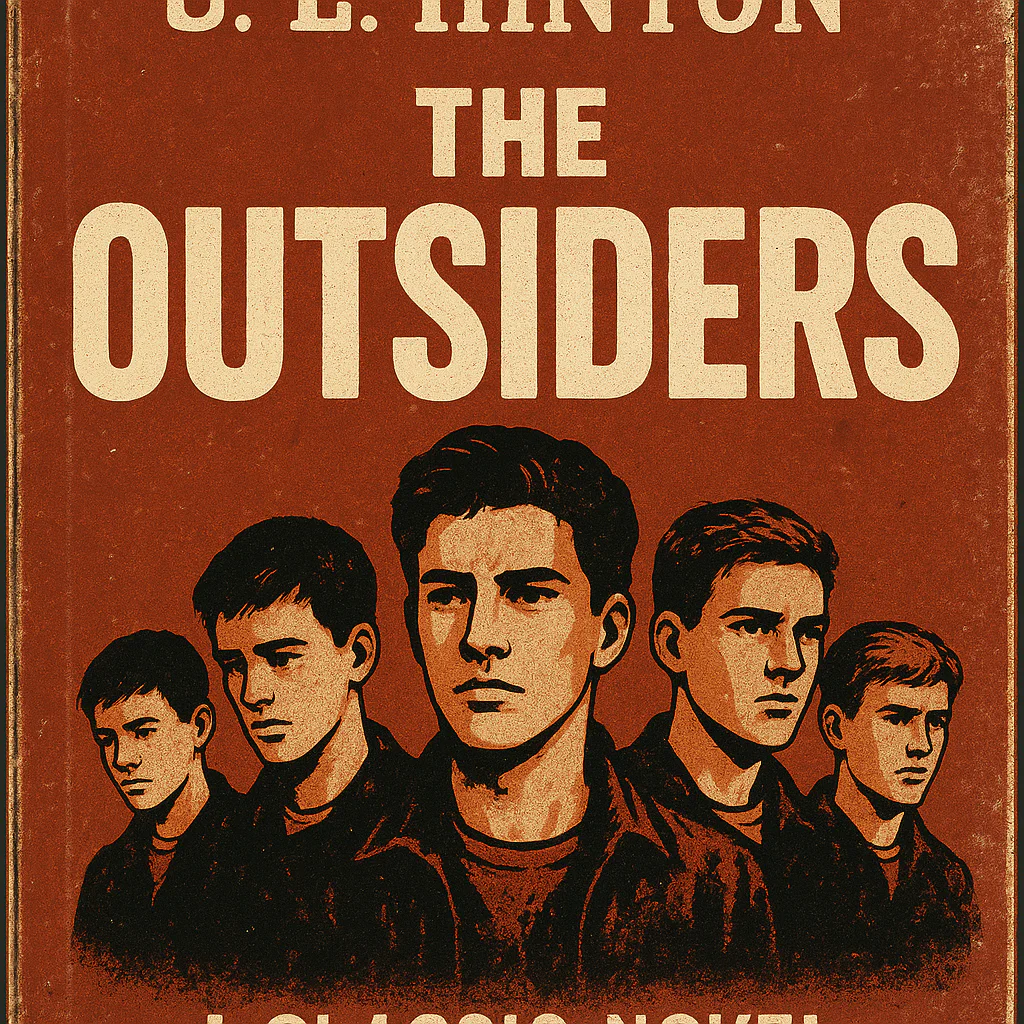
What is the story behind The Outsiders? S. E. Hinton wrote the novel as a teenager in response to the class divisions and unfair stereotypes she saw around her in Tulsa, Oklahoma. Published in 1967, it follows Ponyboy Curtis and his fellow Greasers through a bitter rivalry with the wealthier Socs—and asks what it takes to see a person beyond their label.
The story’s roots are personal, but its reach became much bigger: The Outsiders helped bring teenagers’ lives, voices, and problems to the center of young adult fiction. Hinton was just 18 when the book was published, yet her characters still feel complicated rather than carved from cardboard: tough, tender, loyal, and sometimes painfully wrong.
One of the novel’s most revealing moments isn’t a fight. It’s when Ponyboy and Cherry, from opposite sides of Tulsa’s social divide, realize they can both watch the same sunset. That small connection points to the heart of the book: shared humanity doesn’t erase inequality, but it can make old assumptions harder to keep.
Key Takeaways
- S. E. Hinton wrote The Outsiders as a teenager, drawing on the social divisions she observed growing up in Tulsa.
- The Greaser–Soc rivalry reflects class inequality and stereotyping, while the characters reveal that neither group is made up of just one kind of person.
- Ponyboy’s coming-of-age story explores loyalty, family, violence, grief, and empathy.
- “Stay gold” means holding onto wonder and goodness even when life brings loss and hardship.
- The novel’s influence extends beyond the page, inspiring a 1983 film, later adaptations, and a Broadway musical.
Table of Contents
- ⚡️ Quick Tips and Facts About The Outsiders
- 📚 The Story Behind The Outsiders: S. E. Hinton and 1960s Tulsa
- Who Was S. E. Hinton?
- Why Hinton Wrote the Novel
- How a Teenage Author Changed Young Adult Fiction
- 🏙️ The World of the Novel: Greasers, Socs, and Class Conflict
- Who Are the Greasers?
- Who Are the Socs?
- What the East Side and West Side Represent
- 📖 The Plot Explained: What Happens in The Outsiders?
- The Story’s Opening and the Greaser-Soc Rivalry
- The Park, the Fight, and Johnny’s Choice
- The Church Fire and the Heroes’ Turning Point
- The Rumble and the Novel’s Ending
- 👥 The Characters Who Make the Story Unforgettable
- Ponyboy Curtis: The Outsider Who Tells the Story
- Johnny Cade: The Quiet Heart of the Novel
- Dallas Winston: Toughness, Loyalty, and Loss
- Darry and Sodapop Curtis: Brothers Under Pressure
- Cherry Valance and the Socs’ Perspective
- The Greaser Gang and Other Key Characters
- 🎭 The Major Themes and Symbols in The Outsiders
- Belonging, Identity, and Being an Outsider
- Social Class, Stereotypes, and the Meaning of “Stay Gold”
- Family, Loyalty, and Found Family
- Violence, Grief, and the Cost of the Greaser-Soc Rivalry
- Sunsets, Poetry, and Other Important Symbols
- ✍️ How the Novel Is Told: Point of View, Style, and Structure
- Ponyboy’s First-Person Narration
- Realistic Dialogue and Teenage Voice
- The Circular Ending and Its Meaning
- 🎬 The Outsiders on Screen and Stage
- Francis Ford Coppola’s 1983 Film Adaptation
- The 2024 Film Re-release and Expanded Cut
- The Broadway Musical Adaptation
- Book vs. Movie: What Changes and What Stays the Same
- 📍 Tulsa Locations, the Outsiders House, and Film Sites
- 🚫 Banned-Book Controversy and Classroom Challenges
- Why The Outsiders Has Been Challenged
- How Educators and Readers Respond
- ⭐ Critical Reception and the Novel’s Lasting Legacy
- Awards, Readers, and Literary Influence
- Why the Story Still Resonates
- 📌 Reading Guide: Editions, Age Suitability, and Discussion Questions
- What Age Is The Outsiders Appropriate For?
- Questions for Book Clubs and Classrooms
- What to Read After The Outsiders
- ✅ Conclusion
- 🔗 Recommended Links
- ❓ FAQ
- Is The Outsiders Based on a True Story?
- What Is the Main Message of The Outsiders?
- Why Is the Novel Called The Outsiders?
- What Does “Stay Gold” Mean?
- How Old Was S. E. Hinton When She Wrote the Book?
- Is The Outsiders a Young Adult Novel?
- 📚 Reference Links
⚡️ Quick Tips and Facts About The Outsiders
If you’re looking for the full storyline first, start with our The Outsiders book summary, then come back for the story behind S. E. Hinton’s classic: how a teenager’s frustration with social divisions became one of the defining novels of young adult fiction.
| Quick fact | The short version |
|---|---|
| Author | S. E. Hinton, whose given name is Susan Eloise Hinton |
| First published | 1967 |
| Setting | Tulsa, Oklahoma, in the 1960s |
| Narrator | Ponyboy Curtis, a thoughtful 14-year-old Greaser |
| Central conflict | The rivalry between working-class Greasers and wealthier Socs |
| Genre | Coming-of-age novel; often grouped with young adult literature |
| Famous phrase | “Stay gold.” |
| Major adaptations | Francis Ford Coppola’s 1983 film, stage versions, and a Broadway musical |
| Core themes | Class, belonging, brotherhood, violence, grief, and empathy |
The short answer: The Outsiders grew out of Hinton’s observations of real divisions among teenagers in Tulsa. She wanted to write about young people as they actually seemed to her: complicated, funny, scared, loyal, and far more than labels like “good kid” or “hood.”
The novel’s gang conflict supplies the drama. Its deeper question is harder: Can people who live on opposite sides of a social divide recognize each other’s humanity before it’s too late?
Spoiler note: The sections below discuss major plot events, including the deaths of Bob, Johnny, and Dally.
📚 The Story Behind The Outsiders: S. E. Hinton and 1960s Tulsa
Who Was S. E. Hinton?
S. E. Hinton was still in high school when she began writing the novel that would become The Outsiders. Born in Tulsa, Oklahoma, in 1948, she grew up reading widely and felt that many books for teenagers didn’t reflect the lives she saw around her.
She began the novel as a teenager, wrote much of it during high school, and was 18 when it was published in 1967. Hinton’s age matters, but not because it makes the book a novelty. It helps explain the story’s urgency: this is a novel written by someone close to the pressures, loyalties, and social codes of adolescence.
Hinton published as S. E. Hinton, using initials rather than “Susan.” She has explained that the choice helped keep readers from judging the novel by the author’s gender before reading it. The initials became part of the author’s public identity, but the book’s voice did the real work.
Why Hinton Wrote the Novel
Hinton was frustrated by the gap between the teenagers she knew and the neat, cheerful versions of teenage life she encountered in books. She has described being moved to write by the unfairness of how young people were treated and represented.
That frustration becomes the novel’s starting point. Ponyboy is a Greaser, but the book refuses to make “Greaser” a complete description of him. He likes books, films, sunsets, and running. He is loyal to his brothers and frightened by what violence can do. He is tough enough to survive his world, but sensitive enough to question it.
We find that combination central to the book’s staying power. Hinton doesn’t ask readers to approve of every character’s choices. She asks us to look beyond the group label long enough to understand the person inside it.
How a Teenage Author Changed Young Adult Fiction
The Outsiders is often described as a landmark of young adult, or YA, literature because it treats teenagers’ concerns as worthy of serious fiction. Its young characters don’t exist merely to deliver a lesson to adults. They have their own loyalties, arguments, grief, and moral dilemas.
The book also helped popularize a more direct, contemporary style for teen fiction: a youthful first-person narrator, realistic social pressures, and a plot that doesn’t pretend growing up is tidy. That influence doesn’t mean Hinton invented YA single-handedly; literary history is rarely that simple. But the novel became a major point of reference for later writers and readers.
For more books that shaped the classroom canon, explore our Classic Literature collection and Book Summaries.
🏙️ The World of the Novel: Greasers, Socs, and Class Conflict
Who Are the Greasers?
The Greasers are working-class teenagers from Tulsa’s East Side. Their name points to their slicked-back hairstyles, but the label also works as a social boundary: it marks them as outsiders in a city where money, reputation, and appearance shape how people are treated.
Ponyboy’s circle includes Johnny Cade, Dallas “Dally” Winston, Two-Bit Mathews, Steve Randle, and Ponyboy’s brothers, Dary and Sodapop. They are not interchangeable tough guys. Johnny is timid and wounded; Dally is hard-edged and rebellious; Two-Bit jokes to keep the mood afloat; Ponyboy watches and thinks.
The gang offers protection and belonging, especially to boys whose home lives are unstable. But its loyalty comes with costs: pressure to fight, a code that prizes toughness, and the constant risk that one insult will become a brawl.
Who Are the Socs?
“Socs” is short for Socials, the wealthier teenagers from Tulsa’s West Side. They have money, cars, and the social advantages the Greasers lack. Their resources don’t make them immune to pain, but they do change how much protection and choice they have.
Cherry Valance and Randy Adderson help complicate the picture. Cherry can recognize Ponyboy’s decency while still living within the Soc world. Randy, shaken by the violence around Bob’s death, begins to question whether the gang rivalry is worth repeating.
Hinton’s point isn’t that both groups experience identical lives. They don’t. The Greasers face greater financial insecurity and harsher judgment. But people on both sides can feel lonely, afraid, or trapped by expectations.
What the East Side and West Side Represent
The east-west divide is both physical and symbolic. It represents economic inequality, but it also shows how easily a neighborhood can become a moral shortcut. A stranger sees a Greaser’s hair or a Soc’s car and assumes they know the whole person.
| Group | Social position | What the label suggests | What the novel complicates |
|---|---|---|---|
| Greasers | Working-class, East Side | Trouble, toughness, poverty | Tenderness, intelligence, loyalty, vulnerability |
| Socs | Wealthier, West Side | Privilege, status, popularity | Grief, uncertainty, remorse, emotional isolation |
One detail keeps poking holes in the divide: both groups can see the same sunset. Ponyboy and Cherry’s conversation about sunsets doesn’t erase class inequality. It does give them a brief point of connection beyond their uniforms, cars, and reputations.
📖 The Plot Explained: What Happens in The Outsiders?
The Story’s Opening and the Greaser-Soc Rivalry
Ponyboy Curtis opens the novel by leaving a movie theater alone. Socs attack him on his walk home, and his brothers and fellow Greasers rush to protect him. The episode establishes the everyday danger Ponyboy faces, but it also introduces the people who form his closest support network.
At a drive-in movie, Ponyboy meets Cherry Valance, a Soc, and her friend Marcia. Dally pesters the girls; Johnny and Ponyboy’s conversations are more respectful. Ponyboy and Cherry find common ground, including their interest in sunsets. Their connection doesn’t make the gang conflict disappear, but it shows that the division is not as absolute as it looks from the street.
At home, Ponyboy clashes with Dary, his oldest brother and guardian. Dary is strict because he is trying to keep the family together, but Ponyboy experiences the pressure as rejection. After Dary slaps him, Ponyboy runs off with Johnny.
The Park, the Fight, and Johnny’s Choice
At the park, Ponyboy and Johnny encounter Bob Sheldon and other Socs. The confrontation turns dangerous when the Socs hold Ponyboy under the fountain. Johnny, who has been badly hurt by violence at home and by earlier attacks, reacts to save his friend: he stabs Bob.
The boys flee, terrified and unsure what to do. They turn to Dally, who gives them money and directions to hide in an abandoned church in Windrixville. Ponyboy cuts and bleaches his hair to disguise himself. The change is more than cosmetic: his hair is part of Greaser identity, so losing it makes him feel separated from the gang and the life he knows.
While they hide, Ponyboy reads Gone with the Wind aloud to Johnny. He also recites Robert Frost’s poem “Nothing Gold Can Stay.” The poem’s brief description of beauty and change becomes a key to one of the novel’s most enduring phrases.
The Church Fire and the Heroes’ Turning Point
When the boys return to the church with Dally, they discover it is on fire and that children are trapped inside. Ponyboy and Johnny go in to help. Dally joins the rescue, but the fire injures Johnny badly.
This episode overturns the easy story people tell about the Greasers. The boys are not presented as flawless heroes; they are scared teenagers who choose to help children despite the danger. Their actions don’t cancel the earlier violence, but they reveal a fuller truth about who they are.
Johnny’s injuries land especially hard because he has spent much of the book feeling powerless. For once, he acts with courage on his own terms. The rescue also shifts Ponyboy’s understanding of Dary: he begins to see that Dary’s sterness comes partly from fear of losing another family member.
The Rumble and the Novel’s Ending
The Greasers and Socs arrange a rumble, a gang fight intended to settle their rivalry. The Greasers win, but the victory is hollow. Shortly afterward, Johnny dies from his injuries. His final message to Ponyboy is “Stay gold”: hold onto the capacity for wonder and goodness that violence has not entirely erased.
Dally cannot cope with Johnny’s death. He robs a store, draws police attention, and is shot by officers after pointing an unloaded gun at them. The act looks like a deliberate attempt to die, though the novel leaves readers to interpret Dally’s state of mind from what happens.
Ponyboy is later cleared in court over Bob’s death. Still, legal resolution doesn’t repair his grief or settle his future. At school, he struggles to write an English assignment. Then he finds Johnny’s letter inside the copy of Gone with the Wind and understands what Johnny meant by “stay gold.”
Ponyboy begins to write about what happened. The novel’s final movement turns the story we’ve just read into Ponyboy’s school composition. That circular ending makes the book feel like a witness account: Ponyboy is telling his story because someone needs to hear it.
👥 The Characters Who Make the Story Unforgettable
Ponyboy Curtis: The Outsider Who Tells the Story
Ponyboy is 14, bookish, observant, and caught between the tough image his group expects and the gentler person he is. He likes movies, reading, and running. Those interests are not decorative details; they show that identity is larger than a gang label.
Because the story is told in his first-person voice, readers learn alongside him. Ponyboy misunderstands Dary, idealizes some parts of gang life, and gradually sees more complexity in both the Greasers and Socs. His growth is not a sudden transformation into a perfect young man. It is a gradual widening of sympathy.
Johnny Cade: The Quiet Heart of the Novel
Johnny is small, shy, and deeply affected by abuse and repeated violence. His home gives him little safety, while the Greasers offer the closest thing he has to a family. That vulnerability makes his actions in the park and at the burning church especially consequential.
Johnny’s story raises a painful question: What happens when a child learns that the world is dangerous before he has a chance to feel safe? The novel gives him moments of agency and courage, but it doesn’t pretend that a heroic act can undo what has happened to him.
Dallas Winston: Toughness, Loyalty, and Loss
Dally is a hardened teenager with a record of trouble and little faith in the world. He is often abrasive, and the novel doesn’t excuse his behavior. Yet his tenderness toward Johnny reveals a loyalty he rarely shows openly.
That contrast explains why Johnny’s death breaks through Dally’s defenses. Dally has built his life around not caring—or at least acting as if he doesn’t. Once Johnny is gone, the toughness that helped him survive offers no comfort.
Darry and Sodapop Curtis: Brothers Under Pressure
Darry, 20, has taken responsibility for Ponyboy and Sodapop after their parents die in a car crash. He is smart and capable, but the burden of keeping the family together has made him demanding. Ponyboy initially reads this as a lack of love; later, he recognizes the fear underneath it.
Sodapop, 16, is warm, funny, and emotionally perceptive. He often acts as the bridge between Dary and Ponyboy, but even he cannot carry everyone’s pain. His eventual plea for his brothers to stop fighting helps expose a central tension in the novel: love can be real and still be badly expressed.
Cherry Valance and the Socs’ Perspective
Cherry gives the reader a view of the Socs that isn’t filtered through rivalry alone. She is attracted to Ponyboy’s openness and recognizes qualities in the Greasers that their reputation hides. At the same time, she is not a magical bridge who can solve the conflict through one friendship.
Randy’s change is equally important. He questions the rumble and refuses to participate, suggesting that a person can step outside a group’s expectations. Bob remains more difficult: the novel presents his violence and his privileged background, but Ponyboy’s conversation with Randy also reveals Bob as someone with problems of his own. Understanding his pain doesn’t make his actions harmless.
The Greaser Gang and Other Key Characters
- Two-Bit Mathews uses humor and quick talk as part of his identity. His jokes help the gang feel like a family, though some of the novel’s dated language and jokes deserve critical discussion.
- Steve Randle, Sodapop’s best friend, is proud, practical, and loyal to the gang.
- Bob Sheldon is Cherry’s boyfriend and the Soc whose death sets the novel’s central crisis in motion.
- Marcia is Cherry’s friend and provides another glimpse of a Soc who is more than a status symbol.
- Randy Adderson challenges the expectation that the Socs must keep fighting.
The group matters because Hinton doesn’t give every character equal space, yet each offers a different angle on masculinity, class, loyalty, or fear.
🎭 The Major Themes and Symbols in The Outsiders
Belonging, Identity, and Being an Outsider
The Greasers are outsiders in Tulsa’s class structure, but Ponyboy also feels like an outsider within his own group. He doesn’t always fit the tough image expected of him. That double position lets him observe the gang from both inside and outside.
Hinton suggests that groups can protect people while also limiting them. Being a Greaser gives Ponyboy a family-like network, but it can also make every individual seem like a predictable type to the world around him.
Social Class, Stereotypes, and the Meaning of “Stay Gold”
The novel makes class visible through clothing, cars, neighborhoods, and access to safety. The Socs’ wealth affords them advantages, while the Greasers are more likely to be treated as trouble before they speak. Yet the characters are never reduced entirely to their economic status.
“Stay gold” draws on “Nothing Gold Can Stay,” the Robert Frost poem Ponyboy shares with Johnny. Its meaning includes innocence, beauty, openness, and the ability to notice what is still good. It does not mean Ponyboy can stay untouched by grief. The point is that he can choose not to let pain erase his capacity for empathy.
Family, Loyalty, and Found Family
The Curtis brothers’ household is a family under strain, while the Greaser gang offers a broader network of loyalty. These forms of belonging overlap, but neither is effortless. Dary’s responsibility can look like control; the gang’s loyalty can demand participation in violence.
Johnny’s attachment to the Greasers makes sense because they give him a sense of safety he lacks at home. Ponyboy, meanwhile, learns that family care can be difficult to recognize when it arrives as rules and arguments.
Violence, Grief, and the Cost of the Greaser-Soc Rivalry
The rumble is supposed to settle the conflict, but its result changes almost nothing. The Greasers win and still lose Johnny. Bob’s death leaves grief on the Soc side; Johnny’s death devastates the Greasers; Dally’s response creates another tragedy.
The book’s structure helps show why violence is a poor answer to group conflict: each act of retaliation creates a new injury and a new reason to retaliate again. The gang fight offers a dramatic climax, not a meaningful solution.
Sunsets, Poetry, and Other Important Symbols
| Symbol or image | What it can suggest |
|---|---|
| Sunsets | Shared experience that crosses group boundaries |
| “Nothing Gold Can Stay” | Beauty and innocence are fragile, but worth recognizing |
| Ponyboy’s hair | Greaser identity, belonging, and the cost of hiding |
| The abandoned church | Temporary refuge, danger, and a chance to act courageously |
|
Gone with the Wind |
Ponyboy and Johnny’s shared imagination; the place where Ponyboy finds Johnny’s message |
| The novel’s opening line repeated at the end | A story shaped into a testimony and a school assignment |
The symbols work because Hinton doesn’t stop the plot to explain them. They gather meaning through repeated moments: a sunset, a poem, a haircut, a book passed between friends.
✍️ How the Novel Is Told: Point of View, Style, and Structure
Ponyboy’s First-Person Narration
Ponyboy tells the story from his own perspective, which creates closeness but also limits what readers can know. We see the Socs largely through Greaser experience until Cherry and Randy complicate that view.
This is a strength, not a flaw to be “fixed.” Ponyboy’s understanding changes as the events unfold, so readers experience that change rather than receiving a detached explanation of it.
Realistic Dialogue and Teenage Voice
The book uses slang, casual speech, and blunt descriptions to build a sense of social world. Some expressions sound dated now, and some readers may find the language rough. That texture is part of the novel’s historical voice, though not every term needs to be treated as harmless just because the book is a classic.
Teachers and readers can hold both ideas at once: the language helps locate the story in its time, and readers can still question stereotypes or offensive jokes within it.
The Circular Ending and Its Meaning
The final line echoes the novel’s opening, revealing that Ponyboy’s account is the English theme he has been struggling to write. The ending circles back rather than simply closing the door.
That choice shifts the story from private grief toward communication. Ponyboy has turned a painful experience into a narrative someone else might read. The reader is part of that audience—which is why the ending feels both complete and quietly unfinished.
🎬 The Outsiders on Screen and Stage
Francis Ford Coppola’s 1983 Film Adaptation
Francis Ford Coppola directed the 1983 film adaptation, featuring C. Thomas Howell as Ponyboy, Matt Dillon as Dally, Ralph Machio as Johnny, Patrick Swayze as Dary, Rob Lowe as Sodapop, and Diane Lane as Cherry. The ensemble also includes Emilio Estevez and Tom Cruise.
The film’s visual style gives Tulsa’s class divide an immediate, cinematic look. Its young cast later became a major part of the film’s reputation, but the adaptation’s enduring appeal also comes from its attention to brotherhood and grief.
The theatrical release and later extended versions do not present exactly the same cut of the story. If you’re comparing the novel with a film version, check which edition you’re watching.
For more adaptations, browse our Book-to-Film Adaptations and Book Reviews.
The 2024 Film Re-release and Expanded Cut
A 2024 re-release, marketed as The Outsiders: The Complete Novel, brought an expanded version of Coppola’s film to theaters. The title refers to a revised cut, not a new film adaptation. It includes additional material and a different presentation of parts of the story.
That distinction matters because people sometimes use “Complete Novel” as if the film were a separate literary text. It’s still Coppola’s screen adaptation; the added footage makes it a more expansive version of his film.
The Broadway Musical Adaptation
The musical adaptation opened on Broadway in 2024 after premiering at La Jolla Playhouse in 2023. It features a book by Adam Rapp and Justin Levine, with music and lyrics by Jamestown Revival—Jonathan Clay and Zach Chance—and Levine.
The production translates the novel’s gang conflict and brotherhood into a folk-, bluegrass-, Americana-, and rock-influenced score. Its Broadway production received 12 Tony Award nominations and won four, including Best Musical and Best Direction of a Musical.
A New York Theatre Guide feature describes the stage production’s climactic rumble as “stylized, cinematic fashion.” That’s a useful contrast with the novel: the book gives us Ponyboy’s inward reflections, while the stage can make conflict physical, musical, and immediate.
Book vs. Movie: What Changes and What Stays the Same
| Feature | Novel | Coppola film |
|---|---|---|
| Point of view | Ponyboy’s first-person narration | Visual storytelling with less access to Ponyboy’s inner thoughts |
| Ponyboy’s interests | Reading, movies, running, and observation are presented through narration | Expressed through performance, dialogue, and selected scenes |
| Character depth | Space for Ponyboy’s reflections and shifting judgments | Condensed to fit a feature-length film |
| Gang rivalry | Experienced through Ponyboy’s memory and interpretation | Made visible through casting, setting, costume, and physical confrontations |
| Ending | Reveals Ponyboy’s English theme and repeats the opening | Adapts the circular structure to the screen version |
Our recommendation: read the novel first if you want the fullest access to Ponyboy’s thoughts. Watch the film if you want to see the gang’s world made immediate and the ensemble brought to life. One doesn’t replace the other; they emphasize different strengths.
📍 Tulsa Locations, the Outsiders House, and Film Sites
Tulsa is more than a backdrop. Its neighborhoods and social divisions help explain the East Side–West Side conflict that shapes the novel and the film.
The Outsiders House Museum occupies the house used as the Curtis home in Coppola’s 1983 film. Musician and filmmaker Danny Boy O’Connor bought the deteriorating property in 2016 and helped restore it. The museum opened in 2019 as a site for fans and visitors interested in the film’s Tulsa connection.
The museum is connected to the movie, not a literal historic home belonging to the fictional Curtis family. That distinction helps keep the real and imagined stories in perspective: the building is a filming location with a genuine role in the adaptation’s history.
How to Think About a Visit
- Check the museum’s official website for current visiting information before you travel.
- Treat the house as a film-history site rather than evidence that the fictional family existed.
- If you’re planning a broader Tulsa visit, verify the current status of any other film locations independently; businesses and private properties can change access rules.
- Be respectful of nearby residents and private property.
The location gives fans a tangible link to the film, but the novel’s most important “place” may be the divide between two ways of life—and the few moments when characters cross it.
🚫 Banned-Book Controversy and Classroom Challenges
Why The Outsiders Has Been Challenged
The novel has faced challenges over violence, smoking, drinking, strong language, family problems, and depictions of teenage behavior. Some readers and parents object to those elements; others argue that they reflect the hardships the story is examining rather than endorsing them.
There is also a question of representation. Critics have drawn attention to dated or stereotypical language in parts of the book, including jokes that use racist terms. A responsible reading need not pretend those moments are fine. It can discuss how language reflects the period and still ask who is harmed by it.
The American Library Association’s Office for Intellectual Freedom documents challenges to books in schools and libraries. Rankings and totals vary by the period being counted, so a precise historical claim should be tied to a clearly dated ALA list rather than repeated without context.
How Educators and Readers Respond
A thoughtful classroom discussion can hold several truths together:
- The novel depicts violence without making every violent action admirable.
- Teenage readers may recognize real pressures around belonging, family responsibility, grief, and social status.
- Historical context matters, but context is not an excuse to dismiss a reader’s response to harmful language.
- Students can analyze both literary value and limitations rather than being asked to choose one.
For families and educators, the best approach is usually to read the book with context, discuss its difficult scenes, and make space for differing reactions.
⭐ Critical Reception and the Novel’s Lasting Legacy
Awards, Readers, and Literary Influence
The Outsiders became a widely read novel in schools and homes, particularly because it speaks directly to teenage experiences while raising questions about class and violence. Its influence on YA fiction is best understood as substantial rather than solitary: it helped establish a model for realistic stories centered on young people’s own lives.
The BBC’s 2019 list of influential novels included The Outsiders, recognizing its reach beyond the classroom. Lists like this are editorial judgments, not mathematical proof of literary importance, but they offer a useful view of the novel’s cultural reputation.
The book’s long afterlife also includes Coppola’s film, television and stage adaptations, the Broadway musical, and the Tulsa museum. Few classroom novels have had their story carried across so many formats.
Why the Story Still Resonates
The story remains readable because its central conflict is recognizable even when the details are specific to 1960s Tulsa. Teenagers still face pressure to perform an identity, protect their friends, and decide whether a group’s expectations are worth following.
The book also trusts its readers with mixed feelings. Dally can be loyal and destructive. Dary can love Ponyboy and hurt him. Cherry can empathize with a Greaser without escaping her own social position. The novel’s people are not tidy symbols; they are people whose choices collide.
A 2024 New York Theatre Guide account of the Broadway musical emphasizes how the stage version reshapes the story through music and spectacle. For a different perspective on the book’s place in YA history, see the essay “How ‘The Outsiders’ Became the Origin of YA Literature”. We recommend treating “origin” as an interpretive claim, not a settled fact: YA literature has a broader history, and one influential novel is not the whole origin story.
📌 Reading Guide: Editions, Age Suitability, and Discussion Questions
What Age Is The Outsiders Appropriate For?
The novel is commonly taught to middle- and high-school readers, but suitability depends on the reader and the setting. It includes gang violence, a death, smoking, drinking, family abuse, strong language, and racist or otherwise dated expressions.
| Reader consideration | What to expect |
|---|---|
| Violence | Assaults, a fatal stabbing, a gang fight, a fire rescue, and deaths |
| Family circumstances | Orphanhood, neglect, and abuse are part of the characters’ lives |
| Language | Slang and some expressions that can feel dated or offensive |
| Emotional themes | Grief, class inequality, loyalty, and social exclusion |
| Potential discussion value | Empathy, peer pressure, stereotypes, family roles, and the consequences of violence |
Instead of relying on a single age label, caregivers can preview the book or read alongside the student. The American Library Association’s resources on challenged books can help frame questions about access and school-library decisions.
Questions for Book Clubs and Classrooms
- How does Ponyboy’s view of Dary change, and what causes that shift?
- Does Cherry’s friendship with Ponyboy challenge the Greaser–Soc divide, or only soften it?
- What does Johnny mean when he tells Ponyboy to “stay gold”?
- Why does the rumble fail to solve the conflict?
- How does Ponyboy’s first-person narration shape what we believe about the Socs?
- Which characters are most constrained by their group’s expectations?
- How should readers discuss the book’s dated or offensive language?
- What changes when the story moves from the novel to film or stage?
A useful discussion doesn’t require everyone to agree. The book is stronger when readers can distinguish between understanding a character’s motives and excusing harmful actions.
What to Read After The Outsiders
If you want to stay with Hinton’s Tulsa universe, consider That Was Then, This Is Now, which is also set in Tulsa and features Ponyboy. For more realistic fiction about teenagers facing hard choices, browse our Book Reviews and Book Summaries.
Editorial note: In the first YouTube video embedded above, the summary emphasizes loyalty, class rivalry, the church rescue, and Johnny’s “stay gold” message. That overview captures the novel’s main emotional beats; our fuller reading adds a key complication: the Greasers’ victory in the rumble doesn’t repair the damage, and empathy alone doesn’t erase structural inequality. Return to the featured video.