Support our educational content for free when you purchase through links on our site. Learn more
What Is the Moral of the Story Animal Farm? 🐖 Uncovered

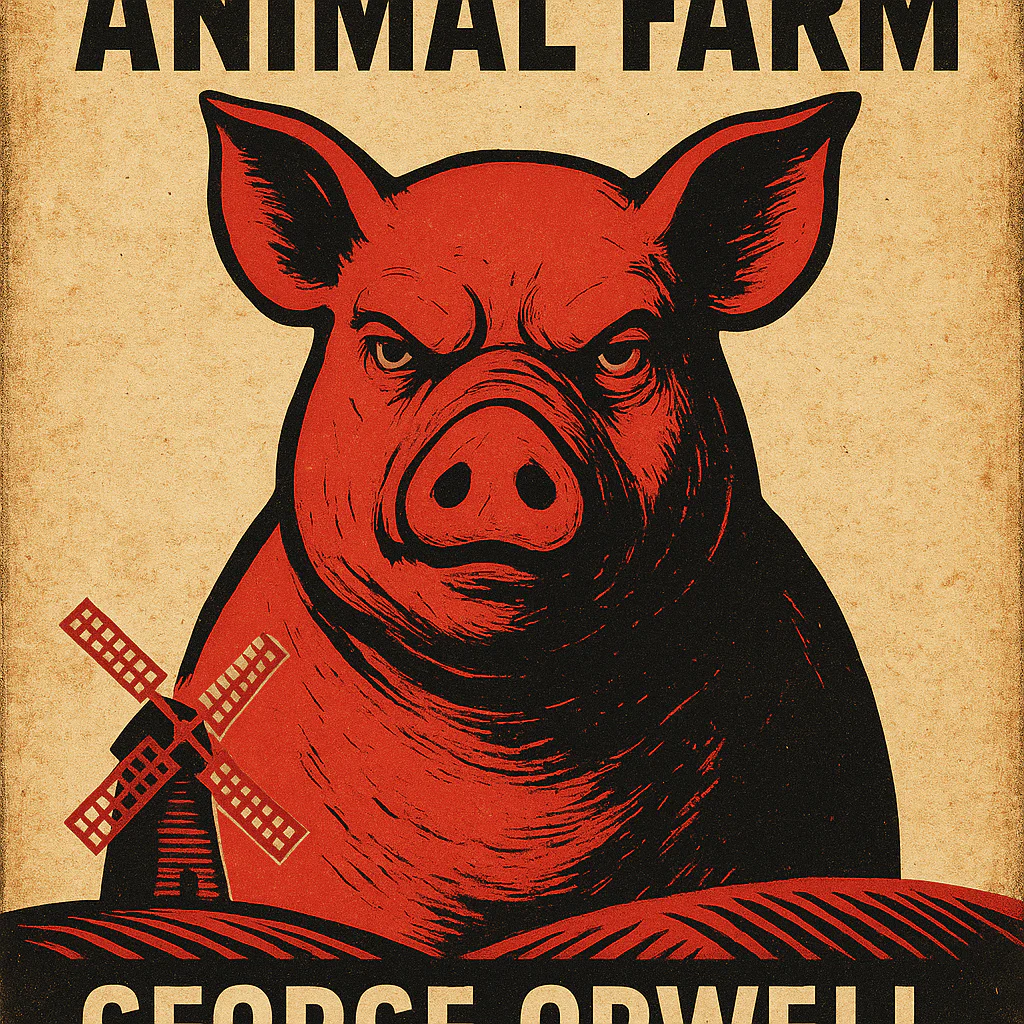

The moral of the story Animal Farm is a stark warning: power corrupts, and without vigilance, revolutions can replace one form of tyranny with another. Orwell’s novella strips away the fairy tale veneer to reveal how noble ideals can be twisted by those hungry for control—and how the masses’ blind trust can enable oppression.
Ever wondered why a simple farm with talking animals became one of the most powerful political allegories ever written? Here’s a fun fact: Orwell originally subtitled Animal Farm as A Fairy Story, but its message is anything but whimsical. The story’s famous line, “All animals are equal, but some animals are more equal than others,” has echoed through history as a chilling reminder of how language and power can be manipulated.
Whether you’re revisiting this classic or encountering it for the first time, understanding what is the moral of the story Animal Farm unlocks a deeper appreciation for Orwell’s critique of political systems and human nature.
Key Takeaways
- Absolute power corrupts absolutely, as shown by the pigs’ transformation from revolutionaries to tyrants.
- Blind loyalty and naivety—embodied by characters like Boxer—enable exploitation and oppression.
- Propaganda and language manipulation are powerful tools used to control and deceive the masses.
- Revolutions can betray their founding ideals, leading to a cycle of oppression rather than true freedom.
- Staying informed, questioning authority, and valuing critical thinking are essential lessons from Animal Farm.
Table of Contents
- ⚡️ Quick Tips and Facts About Animal Farm’s Moral
- 🐖 The Historical and Political Backdrop of Animal Farm
- 📚 What Is the Moral of Animal Farm? A Deep Dive
- 1. The Coruption of Power: How Absolute Power Corupts Absolutely
- 2. The Danger of Naivety and Blind Trust in Leadership
- 3. The Role of Propaganda and Manipulation in Animal Farm
- 4. The Betrayal of Revolutionary Ideals and False Equality
- 5. The Cyclical Nature of Oppression and Revolt
- 🐾 Symbolism and Characters: Who Represents What in Animal Farm?
- 🔍 Comparing Animal Farm’s Moral to Real-World Events
- 💡 Lessons for Today: How Animal Farm’s Moral Applies Now
- 📖 Quotes That Capture the Essence of Animal Farm’s Moral
- 🧠 Frequently Asked Questions About Animal Farm’s Moral
- 📝 Conclusion: Why Animal Farm’s Moral Still Matters
- 🔗 Recommended Links for Further Reading on Animal Farm
- 📚 Reference Links and Sources for Animal Farm Analysis
⚡️ Quick Tips and Facts About Animal Farm’s Moral
If you’re curious about Animal Farm and its moral, you’re in the right place! Our team at Book Summary Review™ has unpacked the core lessons from George Orwell’s classic novella, revealing why it’s more than just a story about talking animals.
- Author: George Orwell
- Genre: Political satire, allegory, dystopian novella
- Pages: About 92
- Core moral: Revolutions can replace one tyranny with another if power goes unchecked and citizens stay passive.
- Famous quote: “All animals are equal, but some animals are more equal than others.”
- Key themes: Power corruption, propaganda, betrayal of ideals, political manipulation, cyclical oppression
- Setting: A farm where animals overthrow their human owner, only to face new tyranny under pig leadership
- Symbolism: Characters represent historical figures from the Russian Revolution and broader political archetypes
- Why read it? To understand how political power can corrupt and how vigilance is essential to protect freedom
Fun fact: Orwell originally subtitled the book A Fairy Story to highlight its allegorical nature, but the political message is anything but fairy tale!
Want a quick refresher? Check out our detailed Animal Farm book summary for the full scoop.
🐖 The Historical and Political Backdrop of Animal Farm
Before we dive into the moral, let’s set the stage. Animal Farm is a sharp satire of the Russian Revolution (1917) and the rise of Stalinism. Orwell wrote it in 1945, reflecting on how a hopeful revolution can spiral into dictatorship.
The Real-World Inspiration
- Tsar Nicholas II → Mr. Jones: The negligent human farmer represents the old monarchy overthrown by revolution.
- Karl Marx & Lenin → Old Major: The visionary pig who inspires rebellion with ideals of equality and freedom.
- Joseph Stalin → Napoleon: The ruthless pig who seizes control, betrays ideals, and becomes a dictator.
- Leon Trotsky → Snowball: The idealistic rival leader who is chased away and scapegoated.
- Soviet Propaganda → Squealer: The pig who twists facts and rewrites history to justify the regime’s actions.
- Secret Police → The Dogs: Enforcers of Napoleon’s rule through fear and violence.
This historical allegory makes Animal Farm a timeless warning about how revolutions can be hijacked by power-hungry leaders.
Why This Matters
Understanding this context helps us see why Orwell’s moral is so biting: revolutions don’t guarantee freedom unless people stay alert and question authority. For a deeper dive into Orwell’s political satire, explore our Classic Literature category.
📚 What Is the Moral of Animal Farm? A Deep Dive
So, what is the moral of Animal Farm? At its heart, the story warns us about the dangers of unchecked power and the ease with which noble ideals can be corrupted.
The Big Picture Moral
- Power corrupts, and absolute power corrupts absolutely.
- Blind trust and ignorance enable tyranny.
- Propaganda and language manipulation control the masses.
- Revolutions can end up replicating the oppression they sought to overthrow.
- Vigilance, education, and critical thinking are essential to protect freedom.
But let’s break that down into bite-sized lessons.
1. The Coruption of Power: How Absolute Power Corupts Absolutely
Napoleon’s rise from revolutionary leader to tyrant pig is the textbook example of Lord Acton’s famous phrase. The pigs start with a vision of equality but quickly claim privileges—milk, apples, better living quarters—and rewrite the rules to suit themselves.
Key Points
- Power centralizes quickly, eliminating democratic processes.
- Leaders justify privileges as “necessary” for leadership, echoing real-world political excuses.
- The famous commandment changes from “All animals are equal” to “All animals are equal, but some animals are more equal than others.”
- The pigs become indistinguishable from the humans they replaced, symbolizing the betrayal of revolutionary ideals.
Personal anecdote: One of our team members recalled reading this as a teenager and feeling shocked at how Orwell showed the slippery slope from idealism to oppression. It’s a cautionary tale that still resonates today.
2. The Danger of Naivety and Blind Trust in Leadership
Boxer the horse embodies the loyal, hardworking citizen who blindly trusts the leadership with slogans like “Napoleon is always right” and “I will work harder.” His tragic fate—sold off when no longer useful—illustrates the perils of unquestioning obedience.
Why This Matters
- Blind loyalty lets leaders exploit good intentions.
- Lack of critical thinking allows propaganda to flourish.
- Education and skepticism are vital defenses against manipulation.
This lesson is a reminder to question authority and not accept slogans at face value.
3. The Role of Propaganda and Manipulation in Animal Farm
Squealer, the pig who spins lies and rewrites history, is the master of propaganda. Orwell shows how controlling language and information shapes reality.
Techniques Used
- Repetition of slogans like “Four legs good, two legs bad!” and later “Four legs good, two legs better!”
- Changing commandments to justify new behaviors (e.g., “No animal shall sleep in a bed…with sheets”).
- Scapegoating Snowball for all problems to unite animals against a common enemy.
- Using fear tactics: “Surely, comrades, you don’t want Jones back?”
Stat: Propaganda’s power to shape beliefs is well-documented in political science (see Stanford Encyclopedia of Philosophy on Propaganda).
4. The Betrayal of Revolutionary Ideals and False Equality
Old Major’s dream of a fair society is crushed as Napoleon and the pigs twist Animalism into a tool for their own enrichment.
How Ideals Are Betrayed
- The Seven Commandments are altered to excuse the pigs’ privileges and violence.
- The anthem “Beasts of England” is banned, erasing revolutionary spirit.
- The animals’ equality is replaced by a hierarchy with pigs at the top.
This shows how revolutions can betray their founding principles without checks and balances.
5. The Cyclical Nature of Oppression and Revolt
By the end, the animals cannot tell pigs from humans, symbolizing that the new regime is just as oppressive as the old. Orwell’s message? Without vigilance, history repeats itself.
What This Means for Us
- Revolutions must be followed by institutions that prevent concentration of power.
- Citizens must stay politically engaged to avoid falling back into tyranny.
- The story is a warning that changing rulers isn’t enough; systems must change.
🐾 Symbolism and Characters: Who Represents What in Animal Farm?
Understanding the characters helps unlock the moral layers of the story. Here’s a quick guide:
| Character | Symbolizes | Role in Moral |
|---|---|---|
| Mr. Jones | Tsar Nicholas II | Oppressive old regime |
| Old Major | Karl Marx & Lenin | Revolutionary ideals and vision |
| Napoleon | Joseph Stalin | Corupt dictator who betrays revolution |
| Snowball | Leon Trotsky | Idealistic leader ousted by tyranny |
| Squealer | Soviet propaganda (Pravda) | Manipulation of truth and language |
| Boxer | Loyal working class | Blind obedience and exploitation |
| The Dogs | Secret police (NKVD) | Enforcers of tyranny |
| The Sheep | Masses who blindly follow | Unthinking conformity |
| Benjamin | Skeptical intellectual | Awareness without action |
This symbolism enriches the story’s moral by connecting it to real-world political dynamics.
🔍 Comparing Animal Farm’s Moral to Real-World Events
Animal Farm is often read as a direct allegory of the Soviet Union, but its lessons apply broadly.
Examples of Real-World Parallels
- Stalin’s purges and show trials mirrored in Napoleon’s executions.
- Propaganda techniques used by totalitarian regimes worldwide.
- Revolutions in history that replaced one oppressive regime with another (e.g., French Revolution’s Reign of Terror).
- Modern political systems where power concentrates and accountability fades.
This broad applicability is why Animal Farm remains relevant decades after publication.
💡 Lessons for Today: How Animal Farm’s Moral Applies Now
Why should you care about a 1945 novella? Because its warnings echo in today’s politics and social dynamics.
Practical Takeaways
- Stay informed: Don’t let propaganda shape your worldview uncritically.
- Question authority: Leaders can misuse power if unchecked.
- Value education: Critical thinking is a defense against manipulation.
- Protect institutions: Democracies need transparency and accountability.
- Recognize incremental tyranny: Small abuses can snowball into oppression.
Our team has seen readers apply these lessons in discussions about media literacy and civic engagement.
📖 Quotes That Capture the Essence of Animal Farm’s Moral
Orwell’s words cut deep. Here are some gems that sum up the moral:
- “All animals are equal, but some animals are more equal than others.”
- “Napoleon is always right.”
- “Four legs good, two legs bad!” → “Four legs good, two legs better!”
- “The creatures outside looked from pig to man, and from man to pig… but already it was impossible to say which was which.”
- “Surely, comrades, you don’t want Jones back?”
These quotes highlight the manipulation, betrayal, and cyclical oppression at the story’s core.
🧠 Frequently Asked Questions About Animal Farm’s Moral
What is the main message of Animal Farm?
The main message is that power tends to corrupt, and without vigilance, revolutions can replace one form of tyranny with another. Orwell warns that citizens must stay informed and skeptical to prevent this.
What does Animal Farm teach us about power and corruption?
It shows that absolute power leads to corruption, and those in power often manipulate truth and rewrite history to maintain control, as Napoleon and the pigs do.
What is the political meaning behind Animal Farm?
The novella is a satire of the Russian Revolution and Stalinist Soviet Union, but its political meaning extends to any system where power is unchecked, and propaganda suppresses dissent.
How does Animal Farm show the dangers of totalitarianism?
Through Napoleon’s dictatorship, propaganda by Squealer, and the use of fear and violence, Orwell illustrates how totalitarian regimes control populations and eliminate opposition.
What do the animals symbolize in Animal Farm?
Each animal represents different social and political groups: pigs as leaders, Boxer as the exploited working class, sheep as unthinking masses, dogs as secret police, and so forth.
Why is Animal Farm considered an allegory?
Because the story uses animals and a farm setting to represent real historical events and political ideas, making complex topics accessible and impactful.
What lessons can readers learn from Animal Farm?
Readers learn about the importance of critical thinking, political awareness, and the dangers of blind loyalty and propaganda. It’s a call to defend freedom actively.
For an excellent visual and analytical breakdown, check out this YouTube video that explores Animal Farm as an allegory for Marxist revolutions and the Russian Revolution. It highlights how Orwell’s characters and themes reveal the dangers of power, propaganda, and cyclical history. The video also emphasizes the chilling transformation of the pigs and the manipulation of language, echoing many points we’ve covered here.
If you want to explore more about the moral lessons and symbolism, don’t miss our full Animal Farm book summary and related Classic Literature articles on Book Summary Review™.