Support our educational content for free when you purchase through links on our site. Learn more
🎭 What is the Plot of The Alchemist? A 1610 Scam Explained (2026)

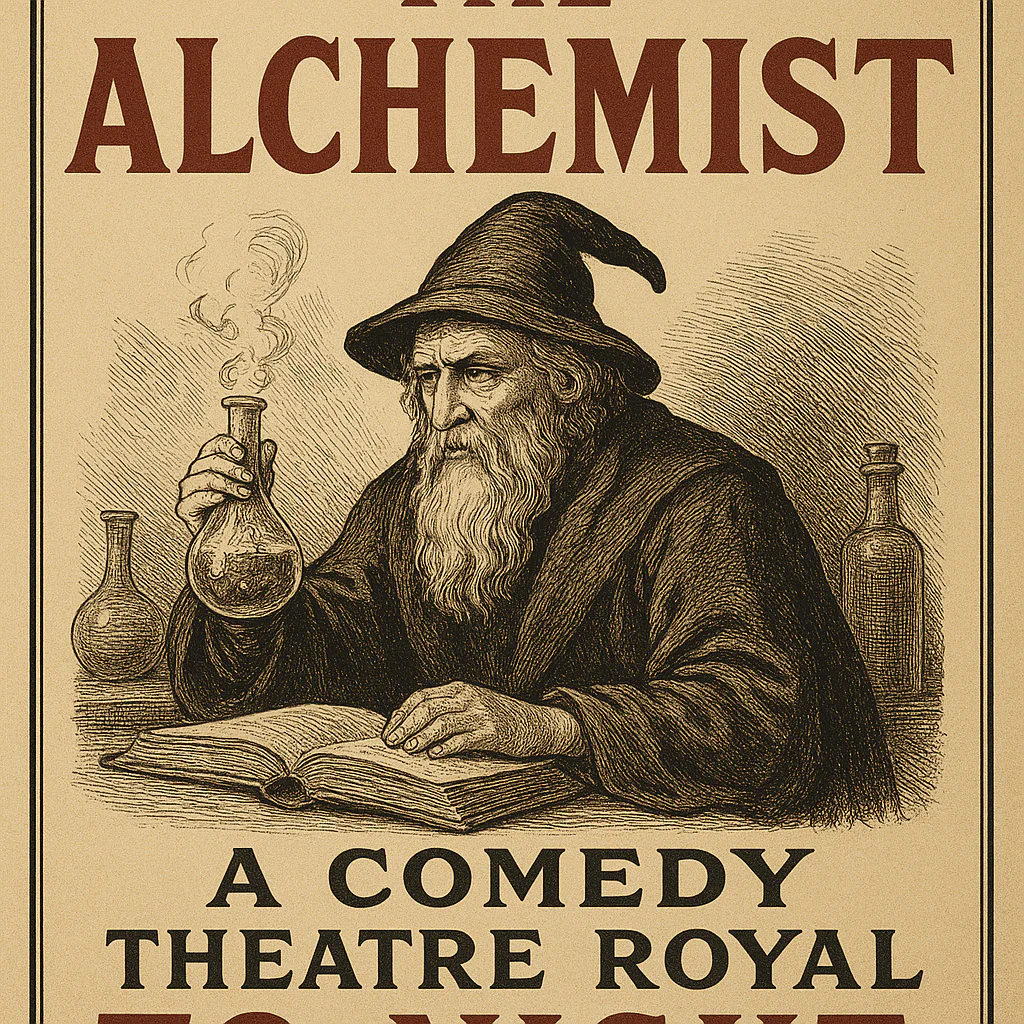

Ever walked into a room feeling like you’re the only one who doesn’t know the punchline? That’s exactly how the victims of Ben Jonson’s The Alchemist feel. While you might be searching for the plot of the play The Alchemist to understand a classic text, you’re actually about to dive into one of the most intricate, fast-paced, and hilariously cynical heist stories ever written. Forget the shepherd boy searching for treasure in the desert; this is a tale of three con artists in a plague-ridden London house, turning desperate nobles, greedy merchants, and hypocritical religious zealots into their personal pigy banks.
We’ve all seen the “get rich quick” schemes today, but Jonson wrote the original blueprint in 1610. In this deep dive, we’ll unravel the chaotic step-by-step breakdown of the plot, expose the psychological tricks used by the trio (Face, Subtle, and Dol), and reveal the shocking twist ending that leaves everyone wondering who the real victim is. Did the butler really outsmart the master, or did the master just play along? Keep reading to find out why this 40-year-old play still feels like it was written for the age of crypto scams and influencer gurus.
Key Takeaways
- The Core Premise: The play is a satirical comedy about three con artists (Face, Subtle, and Dol) who exploit the gred and gullibility of Londoners during a plague outbreak.
- The Structure: It strictly follows the Classical Unities, taking place in a single house over the course of one day, creating a frantic, high-stakes atmosphere.
- The Twist: The master of the house returns unexpectedly, leading to a shocking betrayal where the servant (Face) tricks his own partners and the master to keep the spoils.
- The Theme: Jonson argues that everyone is complicit in the cycle of deception, proving that gred blinds even the smartest people to obvious fraud.
- Why It Matters: The play remains relevant today as a critique of modern scams, fake gurus, and the human tendency to believe in “miracle cures” for wealth.
Table of Contents
- ⚡️ Quick Tips and Facts
- 🎭 Unveiling the Masterpiece: A Brief History of Ben Jonson’s The Alchemist
- 📜 The Alchemist Plot Summary: A Step-by-Step Breakdown of the Chaos
- 🕵️ ♂️ The Great Con: How Subtle, Face, and Dol Common Scammed London
- 🎭 Character Deep Dive: The Rogues, The Gulls, and The Victims
- 🏠 Setting the Scene: Jacobean London and the Alchemist’s House
- 🧪 Themes Explored: Gred, Deception, and the Quest for Gold
- 🎭 The Alchemist on Stage: From 1610 to Modern Productions
- 📚 Publication History and Critical Reception of the Play
- 💡 Why The Alchemist Still Matters: Modern Parallels and Satire
- 📖 Recommended Reading: Books and Resources on Jacobean Drama
- ❓ Frequently Asked Questions About The Alchemist Plot and Characters
- 🔗 Reference Links and Further Research
- 🏁 Conclusion: The Ultimate Verdict on Jonson’s Greatest Hit
⚡️ Quick Tips and Facts
Before we dive into the chaotic, gold-obsessed, plague-ridden streets of Jacobean London, let’s hit the rewind button and get the high-level scoop on Ben Jonson’s The Alchemist. If you’re here because you need to know the plot of the play The Alchemist fast, or you’re trying to distinguish it from Paulo Coelho’s famous novel (a common mix-up we’ve seen often in our Book Sumaries category), here is your cheat sheet.
- The Real Deal: This is not the story of a shepherd boy finding treasure in Egypt. That’s Paulo Coelho’s The Alchemist. Ben Jonson’s The Alchemist is a satirical comedy about three con artists scaming Londoners out of their money.
- The Core Trio: The play revolves around Face (the butler), Subtle (the fake alchemist), and Dol Common (the accomplice).
- The Setting: A single house in London during a plague outbreak in 1610.
- The “Magic”: There is no actual magic. The “philosopher’s stone” is a complete fabrication used to exploit human gred.
- The Structure: It is one of the few plays in history to strictly adhere to the Classical Unities (time, place, and action), meaning the entire story happens in one location over the course of a single day.
- The Twist: The master of the house returns, and the servant (Face) tricks everyone—including the victims and his own partners—to keep the loot.
For a deeper dive into the differences between these two famous “Alchemists,” check out our full The Alchemist Book Summary which breaks down both the play and the novel.
🎭 Unveiling the Masterpiece: A Brief History of Ben Jonson’s The Alchemist

Why does a play written over 40 years ago still make us laugh (and cringe) today? To understand the plot of the play The Alchemist, we have to understand the man behind the mask: Ben Jonson.
Jonson was the Shakespeare of his time’s “intelectual” crowd. While Shakespeare was writing romantic tragedies and history plays, Jonson was sharpening his wit to slice through the hypocrisy of society. The Alchemist premiered in 1610 by the King’s Men (Shakespeare’s own acting company) at the Blackfriars Theatre.
The Plague as a Plot Device
Here’s a fun fact that often gets overlooked: The play was written during a time when the bubonic plague was ravaging London. Theaters were frequently closed. Jonson used this real-world terror as the engine for his plot. The master, Lovewit, fles the city to avoid the plague, leaving his house in the care of his servant, Jeremy.
“Our scene is London, ’cause we would make known / No country’s mirth is better than our own.” — Prologue
This wasn’t just a setting; it was a commentary on the city’s moral decay. While the rich fled, the desperate and the greedy stayed behind, making them perfect targets for a con.
Critical Reception Then and Now
When it first hit the stage, The Alchemist was an instant hit. Critics like Samuel Taylor Coleridge later hailed it as having “one of the three most perfect plots in literature.” Why? Because the timing is impeccable. Every character arrives at the exact right moment to complicate the previous scam, creating a domino effect of chaos.
If you enjoy analyzing how classic literature influences modern storytelling, you might want to explore our collection of Classic Literature reviews.
📜 The Alchemist Plot Summary: A Step-by-Step Breakdown of the Chaos
Okay, buckle up. The plot of The Alchemist is a Rube Goldberg machine of deception. It’s fast, frantic, and relies on the audience keeping track of who is pretending to be whom. Let’s break it down chronologically, because if you miss one disguise, you’ll be lost in the labyrinth.
Act I: The Setup
The play opens with Jeremy, Lovewit’s butler, introducing his partners: Subtle, a conman posing as an alchemist, and Dol Common, a prostitute posing as an aristocrat. They have turned Lovewit’s house into a scam headquarters.
- The Plan: They will exploit the “gulls” (victims) who are looking for quick riches, sexual favors, or religious salvation.
- The First Victim: Dapper, a clerk who wants to win at gambling. He needs a “familiar” (a magical spirit).
Act II: The Gulls Arrive
The house becomes a revolving door of victims.
- Dapper is tricked into believing he will meet the “Queen of Fairy.” He is gaged with gingerbread and locked in the privy (toilet) while the conmen steal his money.
- Abel Druger, a tobaconist, arrives. He wants advice on how to layout his shop for maximum profit. Subtle tells him to face his shop south and place a magnet under the door. Druger pays up, excited about his “rare star.”
- Sir Epicure Mamon, a wealthy, lecherous knight, arrives. He wants the philosopher’s stone to turn lead into gold and cure the plague. He dreams of having sex with 50 women a night.
Act III: The Web Tightens
The scams get more elaborate.
- Surly, Mamon’s skeptical servant, suspects a fraud. He decides to investigate.
- The Anabaptists: Two religious zealots, Tribulation Wholesome and Ananias, arrive. They want to use the stone to fund their religious cause (and secretly, to counterfeit Dutch money).
- Kastril and Dame Pliant: Kastril, a quarelsome young man, brings his wealthy sister, Dame Pliant, to find a husband. They are told she is destined to marry a Spanish Count.
Act IV: The Collision
This is where the plot of the play The Alchemist reaches its boiling point.
- Surly disguises himself as a Spanish Count to woo Dame Pliant, exposing the fraud to her and Kastril.
- Mamon is about to get his stone, but Dol fakes a fit, claiming Mamon’s “sins” have ruined the experiment. Mamon leaves, defeated.
- The Anabaptists return, angry that they haven’t been paid, but are told they need to consult their leaders first.
- Dapper is released from the privy, still believing he met the Fairy Queen, and is sent to get more money.
Act V: The Grand Finale
The master, Lovewit, returns unexpectedly!
- Face (Jeremy) quickly sheds his “Captain Face” persona and pretends to be the loyal butler.
- He tells Lovewit that the house was taken over by criminals (the very ones he is hiding).
- The Climax: All the victims arrive at the door demanding justice.
- The Resolution: Face convinces Lovewit to let him handle it. Face promises Lovewit Dame Pliant (the widow) in exchange for his job back. Lovewit agrees, maries Pliant, and kicks the victims out.
- The Betrayal: Face, Subtle, and Dol try to split the loot, but Face tricks Subtle and Dol into fleeing empty-handed, leaving Face and Lovewit to enjoy the spoils.
🕵️ ♂️ The Great Con: How Subtle, Face, and Dol Common Scammed London
The brilliance of The Alchemist lies in the specificity of the scams. Jonson didn’t just write “they tricked people.” He wrote detailed, almost instructional guides on how to exploit human psychology. Let’s look at the mechanics of their con.
The “Venture Tripartite”
The trio operates on a partnership model.
- Face: The recruiter. He is the barker, the one who brings the victims in. He is charismatic and adaptable.
- Subtle: The “expert.” He provides the technical jargon (alchemical terms) to sound authoritative.
- Dol: The actress. She plays the roles of the “noblewoman,” the “fairy,” or the “sick patient” to sell the illusion.
The Psychology of the Gull
Why do these smart people fall for it?
- Greed: Mamon wants infinite wealth.
- Vanity: Druger wants his shop to be the best.
- Lust: Mamon wants endless sex; Kastril wants a wife.
- Religious Hypocrisy: The Anabaptists want to use “holy” means for “unholy” profit.
Jonson argues that gred makes people stupid. The victims are so blinded by what they want to be true that they ignore the obvious red flags.
Did you know? The play is often cited in Book-to-Film Adaptations discussions because its structure is so tight, it translates well to screen, though few adaptations capture the full energy of the original.
🎭 Character Deep Dive: The Rogues, The Gulls, and The Victims
To truly understand the plot, you need to know the players. Here is a breakdown of the key characters and their motivations.
| Character | Role | Motivation | Fate |
|---|---|---|---|
| Face (Jeremy) | The Butler / Conman | Power, money, keeping his job | Wins: Keeps his job and a share of the loot. |
| Subtle | The Fake Alchemist | Money, status | Loses: Forced to flee, penniless. |
| Dol Common | The Accomplice | Money, survival | Loses: Forced to flee, penniless. |
| Lovewit | The Master | Wealth, a wife | Wins: Maries Dame Pliant, keeps the house. |
| Sir Epicure Mamon | The Knight | Gold, immortality, sex | Loses: Loses his money, humiliated. |
| Dapper | The Clerk | Gambling luck | Loses: Locked in a toilet, thinks he met a fairy. |
| Abel Druger | The Tobaconist | Business success | Loses: Sent on a wild goose chase. |
| Surly | The Skeptic | Justice, truth | Loses: Beaten up, sent away. |
| Dame Pliant | The Widow | A husband | Wins: Maries Lovewit (unknowingly). |
| Kastril | The Brother | Learning to quarel | Loses: Used as a pawn. |
| Ananias & Tribulation | The Anabaptists | Religious funding | Loses: Dismissed by Lovewit. |
The Dynamic of the Trio
The relationship between Face, Subtle, and Dol is fascinating. They are partners, but they are constantly betraying each other.
- Face often mocks Subtle’s pretentiousness.
- Dol is the glue that holds them together, but she is also the most expendable.
- In the end, Face’s betrayal of his partners is the ultimate twist. He realizes that loyalty is a liability in a world of greed.
🏠 Setting the Scene: Jacobean London and the Alchemist’s House
The setting is a character in itself. The play takes place entirely in one room (or a few connected rooms) of Lovewit’s house. This adherence to the Classical Unities creates a sense of claustrophobia and urgency.
The House as a Microcosm
The house represents London itself.
- It is a place of chaos where social norms are inverted.
- The laboratory is the heart of the deception, filled with bubling pots and strange instruments.
- The privy (toilet) is where Dapper is hidden, symbolizing the “filth” of the con.
The Plague Context
The plague is the invisible antagonist. It forces the master to leave, creating the vacuum that the conmen fill. It also explains why the victims are so desperate—they are living in fear, making them easier to manipulate.
🧪 Themes Explored: Gred, Deception, and the Quest for Gold
What is the moral of the story? Is there one? Jonson is tricky. He doesn’t give a simple “gred is bad” message. Instead, he shows that everyone is complicit.
1. The Universality of Gred
From the noble knight to the religious zealot, everyone wants something for nothing. The philosopher’s stone is a metaphor for the American Dream (or the London Dream) of getting rich quick.
2. The Performance of Identity
In The Alchemist, everyone is acting.
- Face acts as a captain, then a butler.
- Subtle acts as a wizard.
- Dol acts as a fairy, a noblewoman, a patient.
- Even the victims are acting out their roles (the greedy knight, the pious deacon).
Jonson suggests that identity is fluid and often a mask wear to get what we want.
3. Social Satire
Jonson mocks the Puritans (the Anabaptists) for their hypocrisy. He mocks the nobility (Mamon) for their lechery. He mocks the merchant class (Druger) for their gullibility. No one is safe from his satire.
🎭 The Alchemist on Stage: From 1610 to Modern Productions
The Alchemist has had a long and varied life on stage. Its structure makes it a favorite for directors who love farce and physical comedy.
Historical Highlights
- 1610: Premiered at Oxford due to the plague closing London theaters.
- 160s: Revived after the Restoration, with Coley Ciber and David Garrick achieving fame as Druger.
- 1932: Ralph Richardson starred as Face in a production that emphasized the character’s cunning.
- 1973: The Royal Shakespeare Company (RSC) production directed by Trevor Nunn adapted the play to a contemporary setting, highlighting its relevance to modern scams.
- 2016: The RSC production at the Barbican, starring Ken Nwosu as Face, was praised for its energy and modern relevance.
Modern Interpretations
Directors often struggle with the play’s dark undertones. Is it a comedy or a tragedy?
- Some productions emphasize the farce, making it a slapstick romp.
- Others focus on the cynicism, showing the cruelty of the con.
If you’re interested in seeing how this play has been adapted, check out our Book-to-Film Adaptations section for more on how classic plays translate to the screen.
📚 Publication History and Critical Reception of the Play
The Text
The Alchemist was first published in 1612 in a quarto edition. It was later included in Jonson’s folio of works in 1616, where he took the unusual step of publishing his plays as “works” rather than just scripts.
Critical Reception
- Then: It was an immediate success, praised for its tight plot and sharp wit.
- Now: It is considered Jonson’s masterpiece. Critics often compare it to Shakespeare’s comedies, noting that while Shakespeare’s characters are more rounded, Jonson’s are sharper and more satirical.
Why It Endures
The play endures because human nature hasn’t changed. We still have people looking for the “philosopher’s stone” in the form of crypto scams, get-rich-quick schemes, and miracle cures. The plot of the play The Alchemist is as relevant today as it was in 1610.
💡 Why The Alchemist Still Matters: Modern Parallels and Satire
So, why should you care about a 40-year-old play? Because scams haven’t gone away.
The Modern Alchemists
- Crypto Scams: Just like Subtle promised the philosopher’s stone, modern scammers promise “guaranteed returns” on crypto.
- Fake Gurus: Like Face, modern influencers promise to teach you how to “get rich” while they just sell you a course.
- Pseudoscience: The Anabaptists’ desire for a holy cure mirrors today’s search for miracle cures for everything from the flu to cancer.
The Lesson
The play teaches us to be skeptical. If it sounds too good to be true, it probably is. But it also warns us that we are all capable of being gulls if we let our greed take over.
Curiosity Check: Do you think the ending is fair? Should Face have been punished, or was his cleverness a virtue? We’ll resolve this in the conclusion!
❓ Frequently Asked Questions About The Alchemist Plot and Characters
What is the main theme of Ben Jonson’s play The Alchemist?
The main theme is gred and the gullibility of humanity. The play satirizes how people will believe anything if it promises them wealth, power, or salvation. It also explores the fluidity of identity and the hypocrisy of social classes.
Who are the main characters in the play The Alchemist?
The main characters are the three con artists: Face (Jeremy), Subtle, and Dol Common. The primary victims include Sir Epicure Mamon, Dapper, Abel Druger, Surly, Kastril, Dame Pliant, and the Anabaptists (Tribulation and Ananias). The master, Lovewit, is also a key character.
What is the moral of the story in The Alchemist?
There isn’t a single moral, but the play suggests that gred blinds people to reality. It also shows that in a world of deception, cunning often wins, as seen when Face outsmarts everyone. However, it also implies that everyone is complicit in the cycle of greed.
How does the plot of The Alchemist end?
The play ends with Lovewit returning to the house. Face tricks Lovewit into thinking the house was taken over by criminals. Face then promises Lovewit Dame Pliant (the widow) in exchange for his job. Lovewit maries Pliant, kicks out the victims, and shares the loot with Face. Subtle and Dol are tricked by Face and forced to flee empty-handed.
What is the setting of Ben Jonson’s The Alchemist?
The play is set in one house in London during a plague outbreak in 1610. The entire action takes place over the course of a single day, adhering to the Classical Unities.
Why is the play The Alchemist considered a comedy?
It is considered a comedy because of its farcical elements, mistaken identities, and happy ending for the con artists. The humor comes from the absurdity of the scams and the gullibility of the victims.
What are the key events in the plot of The Alchemist?
- Face, Subtle, and Dol set up a con in Lovewit’s house.
- Dapper is tricked and locked in the privy.
- Druger is given fake business advice.
- Mamon is promised the philosopher’s stone.
- Surly discovers the fraud and disguises himself as a Spanish Count.
- The Anabaptists are targeted for counterfeiting.
- Lovewit returns, and Face tricks him.
- Lovewit maries Pliant, and the con artists are split up.
🔗 Reference Links and Further Research
To dive deeper into the world of The Alchemist, check out these reliable sources:
- The Alchemist Full Book Summary | SuperSummary: A comprehensive breakdown of the plot and themes.
- Wikipedia: The Alchemist (play)): Detailed history, production notes, and character analysis.
- LitCharts: The Alchemist Summary: Scene-by-scene analysis and quotes.
- The Folger Shakespeare Library: Original text and scholarly resources.
- British Library: Ben Jonson: Historical context and manuscripts.
For more on how classic literature shapes our understanding of the world, explore our Classic Literature category.
🏁 Conclusion: The Ultimate Verdict on Jonson’s Greatest Hit
So, what is the plot of the play The Alchemist? It’s a masterclass in deception, a satire on gred, and a reminder that everyone has a price.
We started this journey wondering if Face was a hero or a villain. The answer? He’s both. He’s a servant who outsmarts his master, a conman who betrays his partners, and a survivor who navigates a corrupt world with wit. In the end, Face wins because he understands the game better than anyone else.
But here’s the kicker: Lovewit also wins. He maries the widow and keeps the money. And the victims? They leave with nothing but a lesson they probably won’t learn.
The Verdict: The Alchemist is a must-read (or must-watch) for anyone who loves sharp wit, complex plots, and a good laugh at humanity’s expense. It’s a play that reminds us that in the game of life, the house always wins—unless you’re the one running the con.
Final Recommendation: Whether you’re a student, a theater buff, or just someone who loves a good story, The Alchemist is a timeless classic that deserves a spot on your shelf. Just remember: if someone offers you the philosopher’s stone, check their credentials first!
Recommended Links
If you’re ready to dive deeper into the world of Ben Jonson or explore similar works, here are some great resources:
- The Alchemist (Penguin Classics): Amazon | Penguin Books
- Ben Jonson: The Complete Plays: Amazon | Blackwell’s
- The Alchemist (Audiobook): Audible | Amazon
- The Alchemist (DVD/Blu-ray): Amazon | B&N
FAQ
What is the main theme of Ben Jonson’s play The Alchemist?
The main theme is gred and the gullibility of humanity. The play satirizes how people will believe anything if it promises them wealth, power, or salvation. It also explores the fluidity of identity and the hypocrisy of social classes.
Who are the main characters in the play The Alchemist?
The main characters are the three con artists: Face (Jeremy), Subtle, and Dol Common. The primary victims include Sir Epicure Mamon, Dapper, Abel Druger, Surly, Kastril, Dame Pliant, and the Anabaptists (Tribulation and Ananias). The master, Lovewit, is also a key character.
What is the moral of the story in The Alchemist?
There isn’t a single moral, but the play suggests that gred blinds people to reality. It also shows that in a world of deception, cunning often wins, as seen when Face outsmarts everyone. However, it also implies that everyone is complicit in the cycle of greed.
How does the plot of The Alchemist end?
The play ends with Lovewit returning to the house. Face tricks Lovewit into thinking the house was taken over by criminals. Face then promises Lovewit Dame Pliant (the widow) in exchange for his job. Lovewit maries Pliant, kicks out the victims, and shares the loot with Face. Subtle and Dol are tricked by Face and forced to flee empty-handed.
What is the setting of Ben Jonson’s The Alchemist?
The play is set in one house in London during a plague outbreak in 1610. The entire action takes place over the course of a single day, adhering to the Classical Unities.
Why is the play The Alchemist considered a comedy?
It is considered a comedy because of its farcical elements, mistaken identities, and happy ending for the con artists. The humor comes from the absurdity of the scams and the gullibility of the victims.
What are the key events in the plot of The Alchemist?
- Face, Subtle, and Dol set up a con in Lovewit’s house.
- Dapper is tricked and locked in the privy.
- Druger is given fake business advice.
- Mamon is promised the philosopher’s stone.
- Surly discovers the fraud and disguises himself as a Spanish Count.
- The Anabaptists are targeted for counterfeiting.
- Lovewit returns, and Face tricks him.
- Lovewit maries Pliant, and the con artists are split up.
Reference Links