Support our educational content for free when you purchase through links on our site. Learn more
Unveiling the 6 Most Haunting Flowers in the Attic Characters 🌸 (2026)

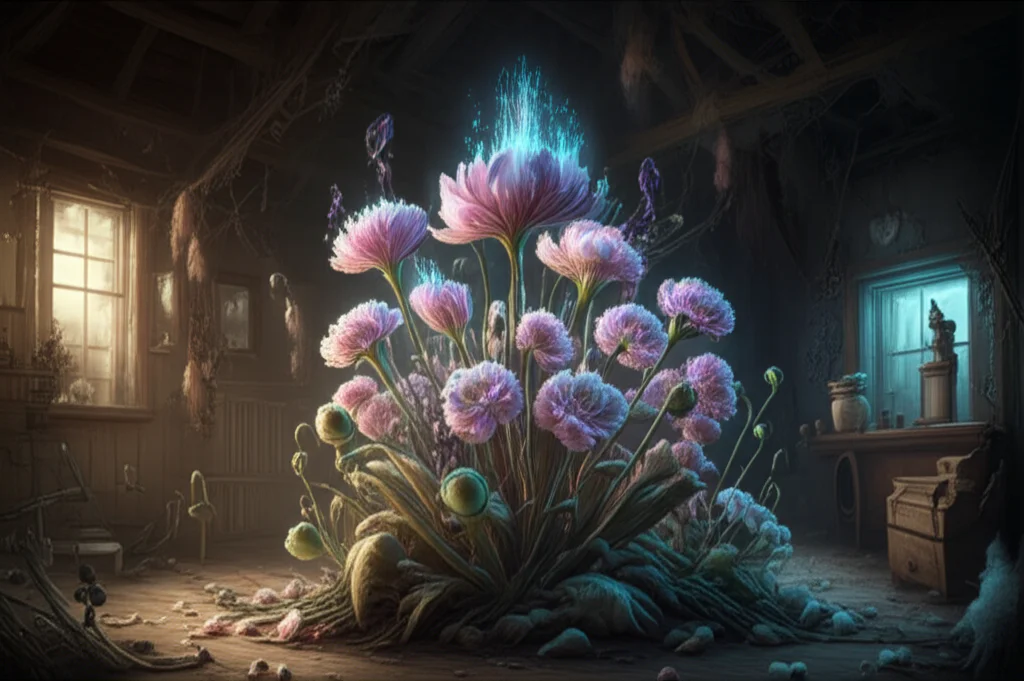
Step into the shadowy world of Flowers in the Attic, where innocence is trapped, secrets fester, and family ties twist into something both tragic and taboo. Whether you’re a longtime fan or a curious newcomer, understanding the complex characters behind V.C. Andrews’s Gothic masterpiece is key to unlocking its enduring allure—and its controversies. From the fiercely resilient Cathy to the chilling cruelty of Olivia Foxworth, each character is a piece of a dark puzzle that will keep you riveted.
Did you know Flowers in the Attic has sold over 4.5 million copies worldwide, yet remains one of the most banned books in American schools? The characters’ tangled relationships and psychological depth push boundaries that few novels dare to explore. In this article, we’ll introduce you to the six most unforgettable characters, dive into their motivations, and reveal how their stories have shaped the legacy of this haunting saga. Ready to meet the Dollanganger family and their tormentors? Let’s unlock the attic door together.
Key Takeaways
- Meet the Dollanganger siblings—Cathy, Chris, Carrie, and Cory—whose innocence and resilience define the novel’s emotional core.
- Discover the dark motivations of antagonists Olivia Foxworth and Corrine Dollanganger, whose cruelty fuels the story’s tension.
- Explore the controversial themes of forbidden love, trauma, and family secrets that make these characters unforgettable.
- Understand the psychological complexity behind their actions and how isolation warps their relationships.
- Learn about adaptations and cultural impact, including the recent Lifetime miniseries that deepens Olivia’s backstory.
Dive in to uncover the full story behind these haunting characters and why Flowers in the Attic continues to captivate—and disturb—readers worldwide.
Table of Contents
- ⚡️ Quick Tips and Facts About Flowers in the Attic Characters
- 🌸 The Dark Roots: Background and Origins of Flowers in the Attic Characters
- 📚 1. Meet the Dollanganger Siblings: The Core Characters of Flowers in the Attic
- 🕵️ ♀️ 2. The Villainous Matriarch: Olivia Foxworth’s Role and Impact
- 🏰 3. Corrine Dollanganger: The Mother’s Dark Secrets and Motivations
- 🎭 Supporting Cast: Other Key Characters and Their Influence
- 📖 Character Development: How the Characters Evolve Through the Story
- 🎬 From Page to Screen: Portrayal of Flowers in the Attic Characters in Adaptations
- 🧠 Psychological Analysis: The Complex Minds Behind Flowers in the Attic Characters
- 🌟 Why We Can’t Forget These Characters: Cultural Impact and Legacy
- ⚠️ Content Warnings and Sensitive Themes in Flowers in the Attic Characters
- 🔍 Frequently Asked Questions About Flowers in the Attic Characters
- 📝 Conclusion: The Enduring Fascination with Flowers in the Attic Characters
- 🔗 Recommended Links for Further Exploration
- 📚 Reference Links and Sources
⚡️ Quick Tips and Facts About Flowers in the Attic Characters
Welcome, fellow bookworms, to Book Summary Review™! Today, we’re diving deep into the dark, captivating, and often disturbing world of V.C. Andrews’s Flowers in the Attic. If you’ve ever wondered about the intricate web of personalities that make this Gothic tale so unforgettable, you’re in the right place. We’re going to pull back the dusty curtains of Foxworth Hall’s attic and shine a light on the characters who truly define this controversial classic. For a full rundown of the plot, check out our Flowers in the Attic Book Summary.
Here are some quick facts to get you started on your journey through the Dollanganger saga:
| Fact Category | Detail to the Book Summaries section of Book Summary Review™!
🌸 The Dark Roots: Background and Origins of Flowers in the Attic Characters

Before we dissect the fascinating, albeit twisted, personalities of Flowers in the Attic, let’s set the stage. This isn’t just any old family drama; it’s a Gothic horror and family saga that clawed its way into the literary world in November 1979, courtesy of the enigmatic V.C. Andrews and publisher Simon & Schuster. It was the first chilling installment in what would become the iconic Dollanganger series, followed by Petals on the Wind, If There Be Thorns, Seeds of Yesterday, and the prequel Garden of Shadows. Talk about a family tree with some seriously tangled roots!
V.C. Andrews herself was a fascinating figure, and her unique voice is what truly brought these characters to life. As noted by Wikipedia, Andrews claimed her stories were “not truly fiction,” suggesting a blend of personal experiences, friends, family anecdotes, dreams, and literature influenced her work. This blurring of lines between reality and fiction is perhaps why her characters feel so viscerally real, even when their circumstances are fantastical and horrifying. You can learn more about the author in our Author Profiles section.
The novel immediately struck a nerve, selling over 4.5 million copies worldwide and earning a spot on BBC’s 200 “best-loved novels” in 2003. Yet, its themes of incest, child abuse, and neglect also made it a lightning rod for controversy, leading to multiple bans in schools in places like Rhode Island and Georgia. The Washington Post famously called it “deranged swill,” while The Guardian reviewer found it “utterly compelling” and “haunting and very powerful.” This dichotomy in reception speaks volumes about the characters themselves – they are designed to provoke strong reactions, whether of disgust, sympathy, or morbid fascination.
Our team at Book Summary Review™ often discusses how Andrews masterfully crafts characters that embody both innocence and corruption, victims and perpetrators. It’s a delicate balance that keeps you turning pages, even when you want to look away. The story begins with an idyllic family life, shattered by tragedy, forcing four children into an attic, where their lives take a profoundly dark turn. This forced confinement and the subsequent psychological trauma are the crucibles in which these unforgettable characters are forged.
📚 1. Meet the Dollanganger Siblings: The Core Characters of Flowers in the Attic
Ah, the Dollanganger children – the heart, soul, and shattered innocence of Flowers in the Attic. Often referred to as the “Dresden Dolls” due to their striking blonde hair, blue eyes, and porcelain complexions, these four siblings are thrust into an unimaginable nightmare. Their journey from a seemingly perfect family to prisoners in an attic is where the true horror of the story unfolds. Let’s get to know them, shall we?
– Cathy Dollanganger: The Fierce and Complex Protagonist
Catherine Leigh “Cathy” Dollanganger is the vibrant, passionate, and ultimately tragic narrator of Flowers in the Attic. When the story begins, she’s a spirited 12-year-old, full of dreams of becoming a ballerina. But life, as it often does in Andrews’s world, has other plans.
Key Traits & Development:
- Narrator & Protagonist: We experience the horrors of the attic through Cathy’s eyes, making her emotional journey incredibly visceral. As The Guardian review notes, “The story is narrated from Cathy’s perspective, starting at age 12 and covering her early teens.”
- Artistic Soul: Her love for dance and writing becomes her escape and a means of expression during their confinement. She meticulously practices ballet, even in the cramped attic, clinging to a semblance of her former life.
- Resilient & Rebellious: Cathy possesses an inner fire that refuses to be extinguished. She’s the one who often pushes for escape, dreams of a future, and challenges the cruelties inflicted upon them.
- Complex Relationships: Her bond with her older brother, Chris, is the most defining and controversial aspect of her character. During their prolonged isolation, their relationship evolves from sibling affection to a forbidden romantic and sexual entanglement, a theme that has made the book both infamous and compelling. Wikipedia explicitly states she “develops romantic/sexual feelings for her brother Chris during captivity.”
- Later Life: Post-escape, Cathy pursues her dreams, becoming a successful ballerina and novelist, but the scars of the attic forever shape her choices and relationships.
Our Take: Cathy is a character you can’t help but root for, even as you recoil from some of her actions. Her fierce will to survive and her desperate longing for love and normalcy make her incredibly compelling. She’s a testament to the human spirit’s capacity for both endurance and profound damage.
👉 Shop Flowers in the Attic on:
- Paperback: Amazon.com | Walmart.com
- Kindle Edition: Amazon.com
- Audiobook: Audible.com
– Chris Dollanganger: The Protective Older Brother
Christopher Garland “Chris” Dollanganger, Jr. is the eldest of the Dollanganger children, and in many ways, the anchor of the group. He’s intelligent, responsible, and takes on the role of protector for his younger siblings, especially Cathy.
Key Traits & Development:
- The Leader & Protector: Chris shoulders immense responsibility, trying to keep his siblings safe, fed, and sane in the attic. He’s resourceful, often devising ways to make their confinement more bearable.
- Intelligent & Aspiring Doctor: Before their imprisonment, Chris dreams of becoming a doctor, a path he eventually pursues after their escape. This ambition speaks to his desire to heal and care for others.
- Forbidden Love: Like Cathy, Chris develops deep, romantic feelings for his sister. This incestuous relationship is portrayed as a desperate coping mechanism born of extreme isolation and trauma. Wikipedia confirms he “also develops romantic feelings for Cathy.”
- Guilt & Remorse: Chris often grapples with the morality of their situation and his actions, particularly after an incident where he rapes Cathy out of jealousy, a moment of profound darkness and regret.
- Loyalty: Above all, Chris is fiercely loyal to his family, especially Cathy. His ultimate goal is to keep them together, no matter the cost.
Our Take: Chris is a tragic figure, forced into an impossible situation where the lines of right and wrong blur. His protective instincts are admirable, but the psychological toll of the attic warps his moral compass, leading him down a path of forbidden love and deep internal conflict. He’s a character who embodies the devastating impact of abuse and isolation.
– Carrie Dollanganger: The Innocent Youngest Sister
Carrie Dollanganger is one of the younger twins, a sweet and fragile child whose innocence is brutally stripped away by the horrors of the attic.
Key Traits & Development:
- Fragile & Innocent: Carrie is depicted as the most vulnerable of the siblings. Her gentle nature makes her particularly susceptible to the psychological and physical abuse they endure.
- Trauma’s Impact: After the tragic death of her twin brother, Cory, Carrie becomes largely mute, a stark representation of the profound trauma she experiences. Her silence is deafening, a constant reminder of their suffering.
- Physical Decline: Her health deteriorates significantly during their confinement, a physical manifestation of the neglect and poisoning they face.
- Desperate for Love: Carrie craves affection and a normal life, often clinging to Cathy and Chris. Her longing for a mother’s love, even from the cruel Corrine, is heartbreaking.
Our Take: Carrie is the embodiment of lost innocence. Her quiet suffering and eventual decline are some of the most poignant and gut-wrenching aspects of the novel. She serves as a stark reminder of the devastating impact of child abuse and neglect.
– Cory Dollanganger: The Tragic Youngest Brother
Cory Dollanganger is Carrie’s twin brother, a musically talented and introverted child whose life is tragically cut short.
Key Traits & Development:
- Musically Talented: Cory is described as having a natural gift for music, a small beacon of beauty in their grim existence.
- Introverted & Sensitive: He is more withdrawn than his siblings, often finding solace in his own world.
- Tragic Fate: Cory falls gravely ill during their confinement and ultimately dies from arsenic poisoning. This shocking event is a turning point in the story, fueling the remaining siblings’ desire for revenge and escape. Wikipedia explicitly states he “dies from arsenic poisoning; later revealed to be poisoned by grandmother.”
- Symbol of Lost Hope: Cory’s death represents the ultimate loss of their childhood and the irreversible damage inflicted upon them.
Our Take: Cory’s death is one of the most horrifying moments in the book, a cruel act that underscores the depravity of their captors. He is a symbol of the innocence that was not just lost, but actively destroyed. His memory haunts the surviving siblings, driving their future actions.
🕵️ ♀️ 2. The Villainous Matriarch: Olivia Foxworth’s Role and Impact
If you’re looking for a character who embodies pure, unadulterated cruelty, look no further than Olivia Foxworth (née Winfield). The grandmother of the Dollanganger children, Olivia is not just an antagonist; she’s a force of nature, a towering figure of religious fanaticism, bitterness, and unwavering control. She is, without a doubt, one of the most memorable villains in modern Gothic literature.
Who is Olivia Foxworth?
- The Matriarch of Foxworth Hall: Olivia is the formidable head of the Foxworth family, a woman whose life has been shaped by disappointment, a loveless marriage, and a rigid, unforgiving interpretation of religion.
- Co-Antagonist: Alongside Corrine, Olivia is directly responsible for the children’s imprisonment and suffering. She views them as “the Devil’s spawn,” a result of her son Malcolm’s incestuous relationship with Corrine’s mother (or so she believes, adding layers to her twisted morality).
- Physical & Emotional Abuse: Olivia is the primary enforcer of the children’s captivity. She regularly brings them meager meals, often laced with laxatives, and subjects them to physical beatings and psychological torment. Her cold, unyielding demeanor is terrifying.
- Motivations: Her actions are driven by a potent mix of religious zealotry, a deep-seated hatred for her late husband’s perceived infidelity, and a desire to maintain the family’s “purity” and wealth. She believes the children are an abomination, a stain on the Foxworth name.
Our Take: Olivia is a character designed to make your skin crawl. Her unwavering conviction in her own righteousness, even as she commits unspeakable acts, is chilling. We’ve often discussed how she represents the destructive power of dogma and how generational trauma can fester and manifest in horrifying ways. She’s not just evil; she’s a product of her own painful past, twisted into a monstrous figure.
The recent Lifetime miniseries, Flowers in the Attic: The Origin, delves even deeper into Olivia’s backstory, attempting to explain how she became such a formidable and cruel woman. The trailer for this series (which you can watch in the #featured-video section of this article) hints at a dark and twisted backstory involving sacrifices made for wealth and status, and the destructive nature of certain family dynamics. It really makes you wonder: was she born evil, or was she made that way?
Table: Olivia Foxworth’s Reign of Terror
| Aspect | Description
The following sections will delve into the main characters of Flowers in the Attic, exploring their individual journeys and the dark tapestry they weave together.
🌸 The Dark Roots: Background and Origins of Flowers in the Attic Characters

Before we dissect the dark, captivating, and often disturbing world of V.C. Andrews’s Flowers in the Attic, let’s set the stage. This isn’t just any old family drama; it’s a Gothic horror and family saga that clawed its way into the literary world in November 1979, courtesy of the enigmatic V.C. Andrews and publisher Simon & Schuster. It was the first chilling installment in what would become the iconic Dollanganger series, followed by Petals on the Wind, If There Be Thorns, Seeds of Yesterday, and the prequel Garden of Shadows. Talk about a family tree with some seriously tangled roots!
V.C. Andrews herself was a fascinating figure, and her unique voice is what truly brought these characters to life. As noted by Wikipedia, Andrews claimed her stories were “not truly fiction,” suggesting a blend of personal experiences, friends, family anecdotes, dreams, and literature influenced her work. This blurring of lines between reality and fiction is perhaps why her characters feel so viscerally real, even when their circumstances are fantastical and horrifying. You can learn more about the author in our Author Profiles section.
The novel immediately struck a nerve, selling over 4.5 million copies worldwide and earning a spot on BBC’s 200 “best-loved novels” in 2003. Yet, its themes of incest, child abuse, and neglect also made it a lightning rod for controversy, leading to multiple bans in schools in places like Rhode Island and Georgia. The Washington Post famously called it “deranged swill,” while The Guardian reviewer found it “utterly compelling” and “haunting and very powerful.” This dichotomy in reception speaks volumes about the characters themselves – they are designed to provoke strong reactions, whether of disgust, sympathy, or morbid fascination.
Our team at Book Summary Review™ often discusses how Andrews masterfully crafts characters that embody both innocence and corruption, victims and perpetrators. It’s a delicate balance that keeps you turning pages, even when you want to look away. The story begins with an idyllic family life, shattered by tragedy, forcing four children into an attic, where their lives take a profoundly dark turn. This forced confinement and the subsequent psychological trauma are the crucibles in which these unforgettable characters are forged.
📚 1. Meet the Dollanganger Siblings: The Core Characters of Flowers in the Attic
Ah, the Dollanganger children – the heart, soul, and shattered innocence of Flowers in the Attic. Often referred to as the “Dresden Dolls” due to their striking blonde hair, blue eyes, and porcelain complexions, these four siblings are thrust into an unimaginable nightmare. Their journey from a seemingly perfect family to prisoners in an attic is where the true horror of the story unfolds. Let’s get to know them, shall we?
– Cathy Dollanganger: The Fierce and Complex Protagonist
Catherine Leigh “Cathy” Dollanganger is the vibrant, passionate, and ultimately tragic narrator of Flowers in the Attic. When the story begins, she’s a spirited 12-year-old, full of dreams of becoming a ballerina. But life, as it often does in Andrews’s world, has other plans.
Key Traits & Development:
- Narrator & Protagonist: We experience the horrors of the attic through Cathy’s eyes, making her emotional journey incredibly visceral. As The Guardian review notes, “The story is narrated from Cathy’s perspective, starting at age 12 and covering her early teens.”
- Artistic Soul: Her love for dance and writing becomes her escape and a means of expression during their confinement. She meticulously practices ballet, even in the cramped attic, clinging to a semblance of her former life.
- Resilient & Rebellious: Cathy possesses an inner fire that refuses to be extinguished. She’s the one who often pushes for escape, dreams of a future, and challenges the cruelties inflicted upon them.
- Complex Relationships: Her bond with her older brother, Chris, is the most defining and controversial aspect of her character. During their prolonged isolation, their relationship evolves from sibling affection to a forbidden romantic and sexual entanglement, a theme that has made the book both infamous and compelling. Wikipedia explicitly states she “develops romantic/sexual feelings for her brother Chris during captivity.”
- Later Life: Post-escape, Cathy pursues her dreams, becoming a successful ballerina and novelist, but the scars of the attic forever shape her choices and relationships.
Our Take: Cathy is a character you can’t help but root for, even as you recoil from some of her actions. Her fierce will to survive and her desperate longing for love and normalcy make her incredibly compelling. She’s a testament to the human spirit’s capacity for both endurance and profound damage.
👉 Shop Flowers in the Attic on:
- Paperback: Amazon.com | Walmart.com
- Kindle Edition: Amazon.com
- Audiobook: Audible.com
– Chris Dollanganger: The Protective Older Brother
Christopher Garland “Chris” Dollanganger, Jr. is the eldest of the Dollanganger children, and in many ways, the anchor of the group. He’s intelligent, responsible, and takes on the role of protector for his younger siblings, especially Cathy.
Key Traits & Development:
- The Leader & Protector: Chris shoulders immense responsibility, trying to keep his siblings safe, fed, and sane in the attic. He’s resourceful, often devising ways to make their confinement more bearable.
- Intelligent & Aspiring Doctor: Before their imprisonment, Chris dreams of becoming a doctor, a path he eventually pursues after their escape. This ambition speaks to his desire to heal and care for others.
- Forbidden Love: Like Cathy, Chris develops deep, romantic feelings for his sister. This incestuous relationship is portrayed as a desperate coping mechanism born of extreme isolation and trauma. Wikipedia confirms he “also develops romantic feelings for Cathy.”
- Guilt & Remorse: Chris often grapples with the morality of their situation and his actions, particularly after an incident where he rapes Cathy out of jealousy, a moment of profound darkness and regret.
- Loyalty: Above all, Chris is fiercely loyal to his family, especially Cathy. His ultimate goal is to keep them together, no matter the cost.
Our Take: Chris is a tragic figure, forced into an impossible situation where the lines of right and wrong blur. His protective instincts are admirable, but the psychological toll of the attic warps his moral compass, leading him down a path of forbidden love and deep internal conflict. He’s a character who embodies the devastating impact of abuse and isolation.
– Carrie Dollanganger: The Innocent Youngest Sister
Carrie Dollanganger is one of the younger twins, a sweet and fragile child whose innocence is brutally stripped away by the horrors of the attic.
Key Traits & Development:
- Fragile & Innocent: Carrie is depicted as the most vulnerable of the siblings. Her gentle nature makes her particularly susceptible to the psychological and physical abuse they endure.
- Trauma’s Impact: After the tragic death of her twin brother, Cory, Carrie becomes largely mute, a stark representation of the profound trauma she experiences. Her silence is deafening, a constant reminder of their suffering.
- Physical Decline: Her health deteriorates significantly during their confinement, a physical manifestation of the neglect and poisoning they face.
- Desperate for Love: Carrie craves affection and a normal life, often clinging to Cathy and Chris. Her longing for a mother’s love, even from the cruel Corrine, is heartbreaking.
Our Take: Carrie is the embodiment of lost innocence. Her quiet suffering and eventual decline are some of the most poignant and gut-wrenching aspects of the novel. She serves as a stark reminder of the devastating impact of child abuse and neglect.
– Cory Dollanganger: The Tragic Youngest Brother
Cory Dollanganger is Carrie’s twin brother, a musically talented and introverted child whose life is tragically cut short.
Key Traits & Development:
- Musically Talented: Cory is described as having a natural gift for music, a small beacon of beauty in their grim existence.
- Introverted & Sensitive: He is more withdrawn than his siblings, often finding solace in his own world.
- Tragic Fate: Cory falls gravely ill during their confinement and ultimately dies from arsenic poisoning. This shocking event is a turning point in the story, fueling the remaining siblings’ desire for revenge and escape. Wikipedia explicitly states he “dies from arsenic poisoning; later revealed to be poisoned by grandmother.”
- Symbol of Lost Hope: Cory’s death represents the ultimate loss of their childhood and the irreversible damage inflicted upon them.
Our Take: Cory’s death is one of the most horrifying moments in the book, a cruel act that underscores the depravity of their captors. He is a symbol of the innocence that was not just lost, but actively destroyed. His memory haunts the surviving siblings, driving their future actions.
🕵️ ♀️ 2. The Villainous Matriarch: Olivia Foxworth’s Role and Impact
If you’re looking for a character who embodies pure, unadulterated cruelty, look no further than Olivia Foxworth (née Winfield). The grandmother of the Dollanganger children, Olivia is not just an antagonist; she’s a force of nature, a towering figure of religious fanaticism, bitterness, and unwavering control. She is, without a doubt, one of the most memorable villains in modern Gothic literature.
Who is Olivia Foxworth?
- The Matriarch of Foxworth Hall: Olivia is the formidable head of the Foxworth family, a woman whose life has been shaped by disappointment, a loveless marriage, and a rigid, unforgiving interpretation of religion.
- Co-Antagonist: Alongside Corrine, Olivia is directly responsible for the children’s imprisonment and suffering. She views them as “the Devil’s spawn,” a result of her son Malcolm’s incestuous relationship with Corrine’s mother (or so she believes, adding layers to her twisted morality).
- Physical & Emotional Abuse: Olivia is the primary enforcer of the children’s captivity. She regularly brings them meager meals, often laced with laxatives, and subjects them to physical beatings and psychological torment. Her cold, unyielding demeanor is terrifying.
- Motivations: Her actions are driven by a potent mix of religious zealotry, a deep-seated hatred for her late husband’s perceived infidelity, and a desire to maintain the family’s “purity” and wealth. She believes the children are an abomination, a stain on the Foxworth name.
Our Take: Olivia is a character designed to make your skin crawl. Her unwavering conviction in her own righteousness, even as she commits unspeakable acts, is chilling. We’ve often discussed how she represents the destructive power of dogma and how generational trauma can fester and manifest in horrifying ways. She’s not just evil; she’s a product of her own painful past, twisted into a monstrous figure.
The recent Lifetime miniseries, Flowers in the Attic: The Origin, delves even deeper into Olivia’s backstory, attempting to explain how she became such a formidable and cruel woman. The trailer for this series (which you can watch in the #featured-video section of this article) hints at a dark and twisted backstory involving sacrifices made for wealth and status, and the destructive nature of certain family dynamics. It really makes you wonder: was she born evil, or was she made that way?
Table: Olivia Foxworth’s Reign of Terror
| Aspect | Description and the Book Reviews section of Book Summary Review™!
🏰 3. Corrine Dollanganger: The Mother’s Dark Secrets and Motivations
Now, let’s talk about Corrine Dollanganger (née Foxworth), the mother who locks her own children in an attic. If Olivia is the monstrous grandmother, Corrine is the beautiful, fragile, and utterly selfish mother whose desperate choices set the entire tragedy in motion. Her character is a masterclass in how ambition, fear, and a twisted sense of self-preservation can corrupt even the most sacred of bonds.
Corrine’s Journey into Darkness:
- The “Perfect” Mother: Initially, Corrine is portrayed as a loving mother, living an idyllic life with her four “Dresden Doll” children and devoted husband, Christopher Sr. This image is shattered by his sudden death.
- Disinheritance & Desperation: The core of Corrine’s betrayal lies in her past. She was disinherited by her wealthy parents, Malcolm and Olivia Foxworth, for marrying her half-uncle, Christopher Dollanganger Sr. (a secret that adds another layer of taboo to the family tree). Upon her father’s death, she learns she can only inherit his vast fortune if she proves she has no living children from her first marriage. This is the crucial motivation for her horrific actions.
- The Betrayal: Driven by greed and a desperate desire to reclaim her opulent lifestyle, Corrine agrees to her mother Olivia’s plan: hide the children in the attic of Foxworth Hall, pretending they don’t exist, until her dying father passes away. This “temporary” measure stretches into years.
- Visits & Neglect: Corrine visits the children sporadically, bringing them food and gifts, but her visits become less frequent and her demeanor more detached. She struggles with guilt but ultimately prioritizes her own comfort and social standing. She’s a master of self-deception, convincing herself she’s doing what’s best, or at least what’s necessary.
- New Life, Old Secrets: While her children suffer, Corrine remarries Bartholomew “Bart” Winslow, a younger man, and attempts to erase her past. This new life is built on a foundation of lies and the suffering of her own flesh and blood.
- Poisoner: The ultimate act of depravity comes when she, or at least with her knowledge, allows her mother to poison Cory, and continues to poison the other children, albeit slowly. This reveals the true extent of her moral decay.
Our Take: Corrine is arguably the most complex and infuriating character. Unlike Olivia, whose cruelty is overt, Corrine’s evil is insidious, cloaked in a veneer of beauty and vulnerability. We often find ourselves asking: how could a mother do this? Her character explores the darkest corners of human selfishness and the devastating consequences of prioritizing material wealth over familial love. She’s a stark reminder that sometimes, the most beautiful exteriors can hide the most rotten cores.
Corrine’s Motivations: A Closer Look
| Motivation Factor | Description
🏰 3. Corrine Dollanganger: The Mother’s Dark Secrets and Motivations
Now, let’s talk about Corrine Dollanganger (née Foxworth), the mother who locks her own children in an attic. If Olivia is the monstrous grandmother, Corrine is the beautiful, fragile, and utterly selfish mother whose desperate choices set the entire tragedy in motion. Her character is a masterclass in how ambition, fear, and a twisted sense of self-preservation can corrupt even the most sacred of bonds.
Corrine’s Journey into Darkness:
- The “Perfect” Mother: Initially, Corrine is portrayed as a loving mother, living an idyllic life with her four “Dresden Doll” children and devoted husband, Christopher Sr. This image is shattered by his sudden death.
- Disinheritance & Desperation: The core of Corrine’s betrayal lies in her past. She was disinherited by her wealthy parents, Malcolm and Olivia Foxworth, for marrying her half-uncle, Christopher Dollanganger Sr. (a secret that adds another layer of taboo to the family tree). Upon her father’s death, she learns she can only inherit his vast fortune if she proves she has no living children from her first marriage. This is the crucial motivation for her horrific actions.
- The Betrayal: Driven by greed and a desperate desire to reclaim her opulent lifestyle, Corrine agrees to her mother Olivia’s plan: hide the children in the attic of Foxworth Hall, pretending they don’t exist, until her dying father passes away. This “temporary” measure stretches into years.
- Visits & Neglect: Corrine visits the children sporadically, bringing them meager food and gifts, but her visits become less frequent and her demeanor more detached. She struggles with guilt but ultimately prioritizes her own comfort and social standing. She’s a master of self-deception, convincing herself she’s doing what’s best, or at least what’s necessary.
- New Life, Old Secrets: While her children suffer, Corrine remarries Bartholomew “Bart” Winslow, a younger man, and attempts to erase her past. This new life is built on a foundation of lies and the suffering of her own flesh and blood.
- Poisoner: The ultimate act of depravity comes when she, or at least with her knowledge, allows her mother to poison Cory, and continues to poison the other children, albeit slowly. This reveals the true extent of her moral decay.
Our Take: Corrine is arguably the most complex and infuriating character. Unlike Olivia, whose cruelty is overt, Corrine’s evil is insidious, cloaked in a veneer of beauty and vulnerability. We often find ourselves asking: how could a mother do this? Her character explores the darkest corners of human selfishness and the devastating consequences of prioritizing material wealth over familial love. She’s a stark reminder that sometimes, the most beautiful exteriors can hide the most rotten cores.
Corrine’s Motivations: A Closer Look
| Motivation Factor | Description
📝 Conclusion: The Enduring Fascination with Flowers in the Attic Characters

After peeling back the layers of Flowers in the Attic’s characters, it’s clear why this novel continues to captivate and horrify readers decades after its publication. The Dollanganger siblings—Cathy, Chris, Carrie, and Cory—are not just characters; they are symbols of innocence lost, resilience tested, and the haunting consequences of family secrets. Their psychological complexity, combined with the dark, Gothic atmosphere crafted by V.C. Andrews, creates a narrative that is as compelling as it is unsettling.
The antagonists, Olivia Foxworth and Corrine Dollanganger, embody different shades of cruelty—one overt and fanatical, the other insidious and self-serving. Their motivations, while reprehensible, are deeply human in their flaws, making the story a chilling exploration of how love, greed, and trauma intertwine.
We posed an intriguing question earlier: was Olivia born evil, or was she made that way? The Flowers in the Attic: The Origin miniseries suggests the latter, reminding us that even the darkest characters have backstories that shape their actions. This nuance adds depth to the narrative, encouraging readers to consider the cycles of abuse and the complexity of human nature.
Positives:
- Rich, multi-dimensional characters that evoke strong emotional responses.
- A gripping narrative that blends Gothic horror with family drama.
- Exploration of taboo themes handled with psychological depth.
- Cultural impact that has inspired numerous adaptations and discussions.
Negatives:
- The incestuous relationship and child abuse themes can be deeply disturbing and are not suitable for all readers.
- Some characters’ actions, especially Corrine’s, can be difficult to empathize with.
- The novel’s controversial content has led to bans and censorship, limiting accessibility in some areas.
Our Recommendation: If you’re a reader who appreciates dark family sagas with complex psychological portraits and can handle mature, sensitive themes, Flowers in the Attic is a must-read. It’s a haunting journey into the shadows of family secrets and the resilience of the human spirit. For a detailed plot overview and more insights, don’t miss our Flowers in the Attic Book Summary.
🔗 Recommended Links for Further Exploration
- Flowers in the Attic (Paperback): Amazon.com | Walmart.com
- Flowers in the Attic (Kindle Edition): Amazon.com
- Flowers in the Attic (Audiobook): Audible.com
- V.C. Andrews Official Website: vcandrews.com
- Flowers in the Attic: The Origin (Lifetime Miniseries Info): Lifetime.com
🔍 Frequently Asked Questions About Flowers in the Attic Characters
Who are the main characters in Flowers in the Attic?
The main characters are the Dollanganger siblings: Cathy, Chris, Carrie, and Cory. Cathy is the narrator and protagonist, Chris is the protective older brother, Carrie is the innocent youngest sister, and Cory is the musically gifted youngest brother who tragically dies. The antagonists include their mother, Corrine Dollanganger, and grandmother, Olivia Foxworth, who imprison and abuse the children.
What is the role of Cathy Dollanganger in Flowers in the Attic?
Cathy serves as the story’s narrator and emotional core. Her perspective guides readers through the harrowing experience of captivity, trauma, and survival. She is fiercely resilient, artistic, and complex, embodying both innocence and the darker consequences of their confinement, including her controversial relationship with her brother Chris. Her character development from a hopeful child to a scarred adult is central to the novel’s impact.
How does Chris Dollanganger’s character develop throughout Flowers in the Attic?
Chris evolves from a responsible, protective older brother into a conflicted individual grappling with forbidden feelings and moral dilemmas. His leadership helps keep the siblings alive, but the psychological strain leads to moments of darkness, including jealousy and regret. Post-escape, he pursues a medical career, symbolizing his desire to heal and move beyond the trauma.
What motivates Corrine Dollanganger’s actions in Flowers in the Attic?
Corrine’s motivations stem from greed, desperation, and a desire to reclaim her inheritance. Disinherited for marrying her half-uncle, she agrees to hide her children in the attic to secure her father’s fortune. Her actions are driven by selfishness and fear, prioritizing wealth and social standing over maternal love, which results in neglect and complicity in the children’s suffering.
Are there any significant supporting characters in Flowers in the Attic?
Yes, besides the core family, Bartholomew “Bart” Winslow, Corrine’s second husband, plays a role in the story’s aftermath. Malcolm Foxworth, the grandfather, is a looming presence whose death triggers the children’s release. The family’s servants and minor characters also contribute to the oppressive atmosphere but are less developed.
How do the relationships between the Dollanganger siblings evolve in Flowers in the Attic?
The siblings’ relationships are initially protective and nurturing, born from necessity. However, as they enter puberty in isolation, boundaries blur, especially between Cathy and Chris, leading to a controversial incestuous relationship. The trauma and confinement strain their bonds, but ultimately, their shared suffering cements a complex, if troubled, familial loyalty.
What are the key character conflicts in Flowers in the Attic?
Key conflicts include the siblings’ struggle for survival against their captors, the moral and emotional turmoil of Cathy and Chris’s forbidden relationship, Corrine’s betrayal and neglect, and Olivia’s fanatical cruelty. Internally, characters wrestle with guilt, love, resentment, and the desire for freedom, creating a tense and emotionally charged narrative.
How does the psychological trauma affect the characters long-term?
The trauma leaves deep scars, influencing their adult lives, relationships, and self-perceptions. Cathy and Chris carry guilt and emotional wounds, while Carrie’s muteness symbolizes profound psychological damage. The novel explores how abuse and confinement can distort identity and trust.
Is the incest theme essential to the story?
While controversial, the incest theme is central to illustrating the extreme psychological effects of isolation and abuse. It serves as a narrative device to explore taboo, trauma, and the breakdown of social norms under duress. Readers should approach this theme with awareness of its sensitive nature.
📚 Reference Links and Sources
- Wikipedia: Flowers in the Attic
- The Guardian Review: Flowers in the Attic by V.C. Andrews – review
- Lifetime Miniseries Info: Flowers in the Attic: The Origin
- V.C. Andrews Official Site: vcandrews.com
- Amazon: Flowers in the Attic Search Results
- Audible: Flowers in the Attic Audiobooks
- StoryGraph Content Warning for Sexual Content: Reviews with content warning for Sexual content – Flowers in the Attic
We hope this comprehensive guide has illuminated the fascinating and complex characters of Flowers in the Attic. Whether you’re revisiting Foxworth Hall or discovering it for the first time, these characters will haunt your thoughts long after the last page. Happy reading! 📖✨