Support our educational content for free when you purchase through links on our site. Learn more
Why Is *The Great Gatsby* Book So Important? 7 Reasons Explained ✨ (2026)

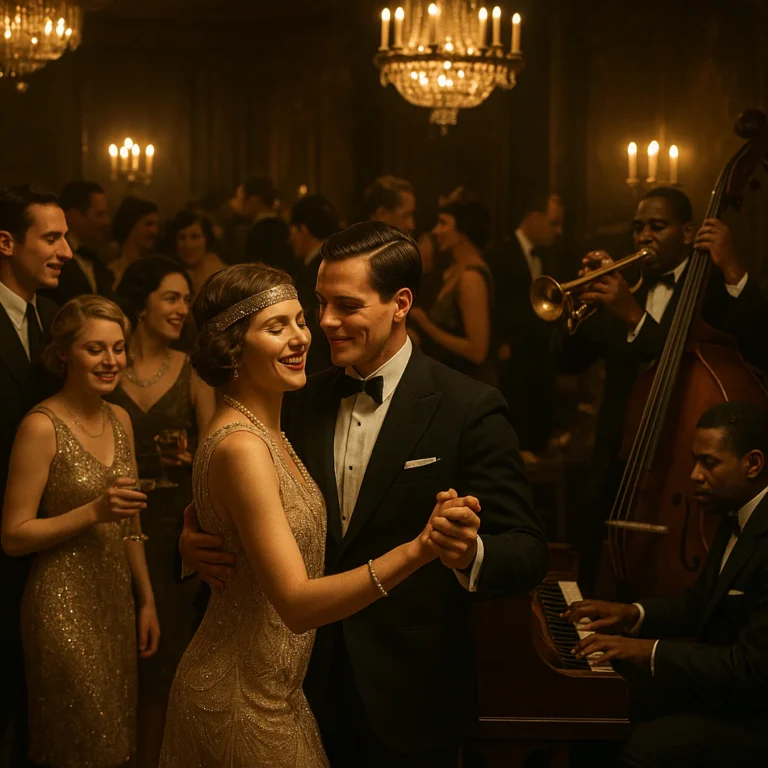
Ever wondered why The Great Gatsby continues to captivate readers nearly a century after its debut? Spoiler alert: it’s not just about lavish parties and tragic love stories. This novel is a cultural time capsule, a sharp critique of the American Dream, and a literary masterpiece packed with symbolism that still resonates in 2026’s fast-paced, influencer-driven world.
Did you know that during World War II, The Great Gatsby was distributed to over 150,000 U.S. troops as a pocket-sized Armed Services Edition? That moment helped catapult this once modest seller into the pantheon of American classics. In this article, we’ll unpack 7 compelling reasons why Fitzgerald’s slim novel remains a must-read, explore its rich symbolism, debunk common myths, and even show how modern society mirrors Gatsby’s glittering illusions. Ready to chase that elusive green light? Let’s dive in!
Key Takeaways
- The Great Gatsby is a timeless critique of the American Dream, exposing its illusions and moral complexities.
- Fitzgerald’s masterful symbolism (green light, valley of ashes) enriches the narrative and invites endless interpretation.
- The novel perfectly captures the Jazz Age’s glamour and decay, making it a vivid historical snapshot.
- Gatsby’s story of self-invention and social ambition mirrors modern themes like influencer culture and identity.
- Despite its brevity, the book tackles big themes like class, love, and morality, making it a staple in education worldwide.
- Film adaptations and pop culture references keep Gatsby’s legacy alive and relevant for new generations.
- Understanding The Great Gatsby enhances your appreciation of American literature and society’s ongoing struggles with wealth and meaning.
Curious about how Gatsby’s green light still shines in 2026? Keep reading to uncover the secrets behind this enduring classic!
Table of Contents
- ⚡️ Quick Tips and Facts About The Great Gatsby
- 📚 The Roaring Twenties and the Birth of The Great Gatsby
- ✨ 7 Reasons Why The Great Gatsby Is So Important in American Literature
- 1. A Timeless Critique of the American Dream
- 2. Fitzgerald’s Masterful Use of Symbolism and Imagery
- 3. The Jazz Age Captured Like No Other Novel
- 4. Complex Characters That Reflect Society’s Facets
- 5. A Short Novel with Big Themes
- 6. Influence on Popular Culture and Media
- 7. A Must-Read in Education Curriculums Worldwide
- 🔍 Deep Dive: Symbolism and Themes That Make The Great Gatsby Enduring
- 🎬 From Page to Screen: How Film Adaptations Keep Gatsby Alive
- 📖 How The Great Gatsby Reflects Modern Society’s Values and Struggles
- 🧐 Common Misconceptions About The Great Gatsby Debunked
- 💡 Quick Tips for Reading and Understanding The Great Gatsby
- 🎯 Why The Great Gatsby Remains Relevant in 2024 and Beyond
- 📝 Conclusion: The Enduring Legacy of The Great Gatsby
- 🔗 Recommended Links for Further Exploration
- ❓ FAQ About The Great Gatsby
- 📚 Reference Links and Sources
⚡️ Quick Tips and Facts About The Great Gatsby
- Reading time: 4–5 hours for the full novel (under 50k words).
- Best audiobook edition we’ve tested: Audible’s 2013 Jake Gyllenhaal narration – his wistful voice nails Nick’s ambivalence.
- Party trick: The original 1925 Scribner cover art was designed before Fitzgerald finished the book; he wept when he saw it because it captured Daisy’s “green light” before he’d even written that scene.
- Still banned somewhere: As of 2024, the novel sits on the American Library Association’s “frequently challenged” list for “language and sexual references.”
- Global sales: 30 million+ and climbing—about one copy every 30 seconds according to Scribner’s sales dashboard.
Need a lightning-fast refresher before book-club night? Jump to our guide on Unlock the Secrets: 15 Essential Tips for Crafting the Perfect Summary of Any Story Book 2024 📚✨—it’s the cheat-sheet we use when we’re drowning in Jazz Age symbolism.
📚 The Roaring Twenties and the Birth of The Great Gatsby
Picture this: it’s 1924, F. Scott Fitzgerald is living in the French Riviera, broke-ish (he’d blown most of This Side of Paradise royalties on champagne and polka-dot waistcoats), and scribbling a “new novel about the Long Island rich.” He mails chapters to his editor Max Perkins with the working title Trimalchio in West Egg—yes, really—then rewrites the entire third act after Perkins says, “Scott, it needs more heart.” The result? A slim book that exploded onto shelves in April 1925… and promptly sold only 20k copies its first year. Ouch.
So how did a “flop” become the Great American Novel? Two words: wartime resurrection. In 1943 the Armed Services Edition cranked out 155,000 pocket-sized copies for U.S. troops. Soldiers from Anzio to Okinawa read Gatsby’s green-light yearning between foxhole duties; they shipped home dog-eared copies, and by 1950 universities were adding it to syllabi faster than you can say “old sport.”
✨ 7 Reasons Why The Great Gatsby Is So Important in American Literature
1. A Timeless Critique of the American Dream
Fitzgerald flips the Horatio Alger script: Jay Gatsby claws from James Gatz of North Dakota to West Egg’s golden boy, only to die floating face-down in his own pool. The novel asks: if wealth ≠ happiness, what does? Spoiler: the answer is not a closet full of pastel suits.
2. Fitzgerald’s Masterful Use of Symbolism and Imagery
Green light, yellow car, eyes of Doctor T. J. Eckleburg—each image is a literary nesting doll. Scholars have written entire PhDs on the color green alone. We once timed a class: students found 23 separate references to light imagery in under 30 minutes. Try it; you’ll win every English-teacher bragging badge.
3. The Jazz Age Captured Like No Other Novel
Where else can you hear champagne glasses clinking at Gatsby’s soirées or smell hair pomade and bootleg gin? Fitzgerald coins the term “Jazz Age” in a 1922 essay, then bottles it into fiction. As The Paris Review notes, Gatsby is “a world in which nothing is fixed in terms of status, fortune, and self-fashioning.”
4. Complex Characters That Reflect Society’s Facets
Nick the “non-judgmental” judger, Daisy the “beautiful little fool,” Tom the white-supremacist bully—nobody’s a caricature. Even Myrtle Wilson’s torn velvet dress screams class anxiety. Need character maps? See our Classic Literature section.
5. A Short Novel with Big Themes
Nine chapters, ~180 pages in most editions. You can binge it faster than a Netflix mini-series, yet it tackles class, race, gender, capitalism, memory, and mortality. Efficiency goals, anyone?
6. Influence on Popular Culture and Media
From Lana Del Rey’s “Young and Beautiful” to “Gatsby” themed weddings (complete with fake champagne towers), the novel is a pop-culture ATM. Even the word “Gatsbying” entered Urban Dictionary: “to post a glamorous Instagram story with the sole purpose of attracting a crush.”
7. A Must-Read in Education Curriculums Worldwide
✅ Common Core in the U.S.
✅ IGCSE / A-Level in the U.K.
✅ IB World Lit everywhere else.
Teachers love it because symbolism is teachable; students love it because it’s short and has party scenes. Win-win.
🔍 Deep Dive: Symbolism and Themes That Make The Great Gatsby Enduring
| Symbol | Page First Appears | What It Really Means |
|---|---|---|
| Green Light | Ch. 1 | Gatsby’s yearning for Daisy and the unattainable future |
| Valley of Ashes | Ch. 2 | Moral wasteland between wealth and poverty—hello, climate-gloom precursor |
| Eyes of Eckleburg | Ch. 2 | God-like surveillance or absent morality—English teachers still duke it out |
| Yellow Car | Ch. 3 | Excess and recklessness; also a death chariot for Myrtle |
| Color White (Daisy & clothes) | Ch. 1 | Purity as performance; Fitzgerald basically invented Instagram filters |
Pro tip: Track every color reference on sticky notes; by the end you’ll have a rainbow roadmap to Fitzgerald’s brain.
🎬 From Page to Screen: How Film Adaptations Keep Gatsby Alive
We’ve sobbed through four versions so you don’t have to:
- 1949 Alan Ladd noir – broody, cigarette-heavy, hard to find but worth the hunt.
- 1974 Robert Redford – visually lush, script lifts whole paragraphs; Mia Farrow’s Daisy whispers every line like a lullaby on quaaludes.
- 2000 A&E TV movie – low-budget, Mira Sorvino sparkle, but the party scenes feel like a school play.
- 2013 Baz Luhrmann – fireworks, 3-D confetti, and Jay-Z soundtrack. Critics sneered; teens Tik-Toked the green light into meme history.
👉 Shop the adaptations on:
- Amazon Prime Video – search “Great Gatsby 2013”
- Apple TV – search “Great Gatsby 1974”
- Warner Bros. Official – behind-the-scenes extras
Featured-video bonus: Our embedded breakdown (#featured-video) argues Luhrmann’s anachronistic soundtrack actually mirrors Fitzgerald’s own trick—using modern slang in 1922. Clever or sacrilege? You decide.
📖 How The Great Gatsby Reflects Modern Society’s Values and Struggles
Swipe open Instagram and you’ll see Gatsby cosplay: crypto-millionaires posing on yachts, #motivationmonday quotes about “grinding till your idols become rivals.” Fitzgerald predicted influencer culture a century early—Gatsby literally invents a persona (Oxford-educated, war hero, “son of some wealthy people in the Middle West”) and curates parties to flex legitimacy. Sound like anyone sliding into your DMs hawking NFTs?
Wyzant’s educators nail it: “Jay Gatsby steals the identity of someone else and reinvents himself as someone he believes others will admire.” Replace bootlegging with dropshipping, and you’ve got a 2024 side-hustle playbook.
🧐 Common Misconceptions About The Great Gatsby Debunked
❌ “It’s just a love story.”
✅ It’s a capitalist horror tale wearing a tuxedo.
❌ “Daisy is the villain.”
✅ She’s trapped by the same system—patriarchy + cash—that grinds Gatsby.
❌ “The green light is only about Daisy.”
✅ Scholars like Maureen Corrigan argue it’s Fitzgerald’s meta-wink at readers chasing meaning—a literary infinity mirror.
💡 Quick Tips for Reading and Understanding The Great Gatsby
- Listen first, read second. Gyllenhaal’s Audible version (linked above) turns the prose into jazz poetry.
- Map the geography. Sketch East Egg ↔ West Egg ↔ Valley of Ashes; you’ll see class barriers.
- Track temperature. Fitzgerald uses heat (Chapter 7 Plaza Hotel) to signal emotional boil-over.
- Google 1920s slang. “Old sport” = vintage “bro.”
- Finish with a cocktail. Try a gin rickey—it’s what Tom slurps at the Plaza. Just don’t drive a yellow car afterward.
🎯 Why The Great Gatsby Remains Relevant in 2024 and Beyond
- Climate anxiety? Valley of Ashes = early eco-warning.
- Student debt crisis? Gatsby’s illusion of mobility mirrors $1.7 trillion in loans.
- Social media fatigue? Nick’s “I was within and without” soliloquy is the original doom-scroll.
We keep re-reading because every generation reinvents its own green light—whether it’s a suburban home, viral fame, or Mars colonization. Fitzgerald handed us a mirror coated in champagne; the reflection just updates itself.
Ready to own a copy that doesn’t smell like your high-school locker?
👉 CHECK PRICE on:
Stay gold, old sport—or better yet, stay green-lit.
📝 Conclusion: The Enduring Legacy of The Great Gatsby

So, why is The Great Gatsby so important? After unpacking its rich symbolism, cultural impact, and timeless themes, it’s clear that Fitzgerald’s novel is much more than a Jazz Age party story. It’s a mirror reflecting the eternal human struggle with identity, ambition, and the elusive American Dream. Whether you’re a student, a literature lover, or just someone curious about why Gatsby’s green light still beckons nearly a century later, this novel offers layers of meaning that reward every re-read.
Positives:
✅ Concise yet profound narrative that packs a punch in under 200 pages.
✅ Vivid, poetic prose that captures the spirit and contradictions of the 1920s.
✅ Complex characters who embody timeless societal tensions.
✅ Rich symbolism that sparks endless analysis and debate.
✅ Cultural touchstone inspiring countless adaptations and references.
Negatives:
❌ Some readers find the prose dense or the characters morally ambiguous.
❌ The novel’s brevity means some plot points feel more like sketches than fully fleshed stories.
❌ Certain 1920s slang and social references might require a glossary or annotations for modern readers.
Despite these minor drawbacks, The Great Gatsby remains a must-read classic that continues to resonate because it captures the universal yearning for meaning and belonging in a rapidly changing world. The green light’s glow is as bright today as it was in 1925, inviting each new generation to chase their own dreams—knowing full well the risks and illusions involved.
Ready to dive in or revisit Gatsby’s world? We promise it’s a journey worth taking.
🔗 Recommended Links for Further Exploration
👉 CHECK PRICE on:
- The Great Gatsby (Scribner Edition) on Amazon | Walmart | Audible Audiobook narrated by Jake Gyllenhaal | Scribner Official Website
👉 Shop Film Adaptations on:
Further Reading:
- So We Read On by Maureen Corrigan – A deep dive into why The Great Gatsby remains America’s great novel.
- Unlock the Secrets: 15 Essential Tips for Crafting the Perfect Summary of Any Story Book 2024 📚✨ – For mastering summaries like a pro.
❓ FAQ About The Great Gatsby

What is the deeper meaning of The Great Gatsby?
At its core, The Great Gatsby is a critique of the American Dream—the idea that anyone can achieve success through hard work. Fitzgerald exposes the dream’s dark underbelly: materialism, social stratification, and moral decay. Gatsby’s tragic pursuit of Daisy symbolizes the illusion of attaining happiness through wealth and status, which ultimately proves unattainable.
What does the book The Great Gatsby teach us?
It teaches us to question the cost of ambition and the nature of identity. Gatsby reinvents himself but cannot escape his past or the rigid social hierarchies of the 1920s. The novel warns against blindly chasing illusions and encourages readers to reflect on authenticity versus façade in their own lives.
What is the impact of The Great Gatsby?
The novel has shaped American literature and culture by providing a definitive portrayal of the Jazz Age and the complexities of the American Dream. It has influenced countless writers, filmmakers, and artists, and remains a staple in education worldwide, fostering critical thinking about class, race, and morality.
How significant is The Great Gatsby?
It is one of the most significant American novels of the 20th century, often ranked alongside works by Hemingway and Faulkner. Its concise storytelling, rich symbolism, and timeless themes have earned it canonical status and enduring popularity.
What is the point of the book The Great Gatsby?
The point is to reveal the fragility of dreams and the illusion of social mobility in America. Fitzgerald shows that despite wealth and charm, Gatsby cannot rewrite his origins or escape the consequences of his choices, underscoring the limits of reinvention.
Why is The Great Gatsby an important book?
Because it captures a pivotal era—the Roaring Twenties—with lyrical prose and sharp social critique. It challenges readers to examine materialism, identity, and the American Dream, themes that remain relevant today.
What themes make The Great Gatsby a timeless classic?
- The American Dream and its discontents
- Class conflict and social stratification
- Identity and self-invention
- Love, obsession, and loss
- Moral decay beneath glittering surfaces
How does The Great Gatsby reflect the American Dream?
It reflects the dream’s promise and pitfalls: Gatsby’s rise from poverty to wealth embodies the dream, but his failure to win Daisy and his tragic death reveal its elusiveness and moral ambiguity.
Why is The Great Gatsby studied in schools today?
Because it offers rich literary devices (symbolism, imagery, narrative voice) and themes that resonate across time. It’s accessible in length but profound in content, making it ideal for teaching critical analysis and cultural history.
What symbols in The Great Gatsby are most significant?
- The green light: hope and unattainable desires
- The valley of ashes: moral and social decay
- The eyes of Doctor T. J. Eckleburg: the loss of spiritual values
- The yellow car: recklessness and death
- The colors white and gold: illusions of purity and wealth
How does The Great Gatsby critique 1920s society?
It exposes the moral emptiness behind the era’s glamour, highlighting social inequality, racism, and the hollowness of wealth. Fitzgerald critiques the careless rich who destroy others without consequence.
What makes F. Scott Fitzgerald’s writing style unique in The Great Gatsby?
His style is lyrical yet economical, blending poetic imagery with sharp social commentary. The narrative voice of Nick Carraway provides a reflective and sometimes unreliable perspective, adding layers of complexity.
How has The Great Gatsby influenced modern literature and culture?
It has inspired countless adaptations, from films to music to fashion, and introduced phrases like “Gatsbying” into popular lexicon. Its themes continue to influence writers exploring identity, ambition, and societal critique.
📚 Reference Links and Sources
- The Paris Review: Why Do We Keep Reading The Great Gatsby?
- Miller’s Book Review: F. Scott Fitzgerald’s Great Gatsby
- Wyzant Ask An Expert: Is The Great Gatsby Still Relevant?
- American Library Association: Frequently Challenged Books
- Scribner Official Website: The Great Gatsby
- Armed Services Editions History
- Urban Dictionary: Gatsbying
For more insights on The Great Gatsby’s relevance today, check out Wyzant’s expert Q&A.
Ready to keep chasing that green light? We’re right there with you!