Support our educational content for free when you purchase through links on our site. Learn more
📖 The Book Thief Book Summary: Why Death is the Best Narrator (2026)

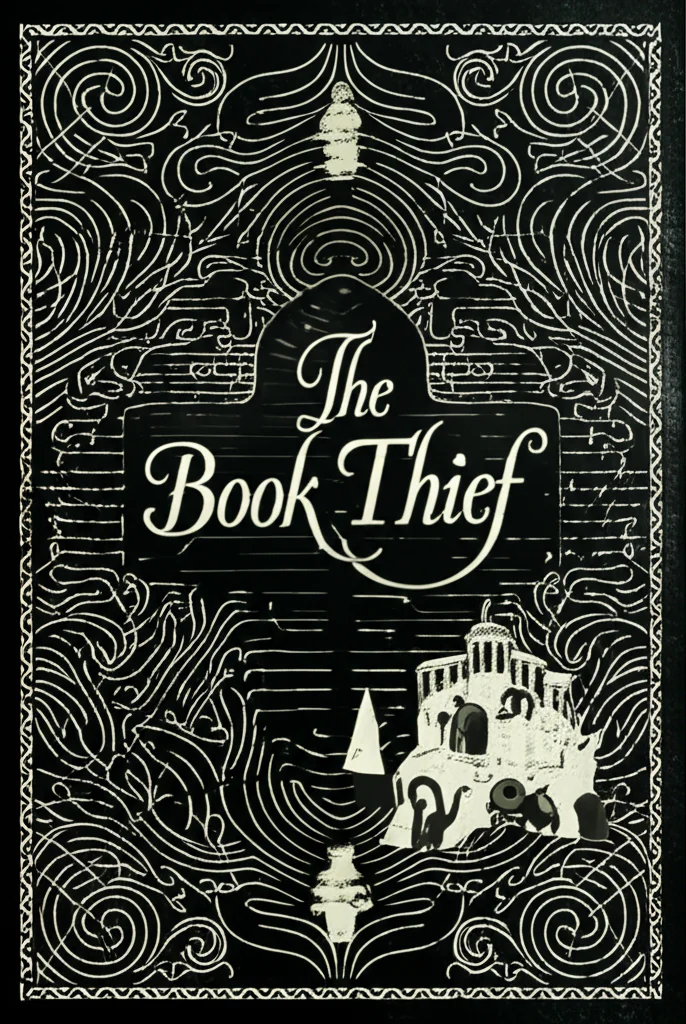
The Book Thief isn’t just a story about a girl stealing books in Nazi Germany; it’s a hauntingly beautiful testament to the power of words to save souls when the world is burning. If you need a the book thief book summary that captures the heart of this modern classic, you’ve found the definitive guide to why Markus Zusak’s masterpiece remains a global phenomenon.
Imagine a narrator who isn’t human, but Death himself, watching over a young girl named Liesel as she navigates the horrors of World War II. This unique perspective transforms a historical tragedy into a deeply personal fable about resilience, friendship, and the duality of humanity.
Did you know the book has sold over 17 million copies worldwide? It’s not just a bestseller; it’s a cultural touchstone that challenges how we view the German experience during the Holocaust.
Key Takeaways
- Unique Narrative Voice: The story is told by Death, offering a perspective that is both detached and deeply emotional, highlighting the inevitability of loss alongside the beauty of life.
- The Power of Words: Liesel discovers that words can be weapons of destruction used by the Nazis, but also tools of salvation that heal trauma and build bridges between enemies.
- Humanity in Darkness: The novel proves that even in the heart of Nazi Germany, ordinary people like the Hubermanns were capable of extraordinary acts of kindness and courage.
- Emotional Impact: Prepare for a journey that is heartbreakingly sad yet ultimately hopeful, leaving you with a profound appreciation for the resilience of the human spirit.
Table of Contents
- ⚡️ Quick Tips and Facts
- 📜 A Brief History of the Book Thief: Origins and Context
- 📖 The Book Thief by Markus Zusak: A Complete Story Summary
- 1. The Narrator Who Isn’t Human: Meet Death
- 2. Liesel Meminger’s Journey from Stealing Books to Stealing Hearts
- 3. The Hidden Jew in the Basement: Hans and Rosa Hubermann’s Secret
- 4. The Power of Words: How a Single Book Can Save a Soul
- 5. The Final Act: Molching, the Bombing, and the Aftermath
- 🧠 Deep Dive: Themes, Symbols, and Literary Analysis
- 🎭 The Duality of Humanity: Good vs. Evil in Nazi Germany
- 📚 Symbolism of Books and Words as Weapons
- 💀 Why Death is the Best Narrator for This Story
- 👥 Character Breakdown: Who’s Who in Molching
- Liesel Meminger: The Reluctant Hero
- Hans Hubermann: The Accordion Player and Father Figure
- Rosa Hubermann: The Tough Love Moma
- Max Vandenburg: The Friend in the Shadows
- Rudy Steiner: The Boy with the Painted Face
- 🏆 Why This Book is a Modern Classic: Critical Reception and Awards
- 📝 The Book Thief Book Summary: Key Takeaways for Readers
- 🎧 The Book Thief Audiobook vs. Print: Which Format Wins?
- ❓ Frequently Asked Questions About The Book Thief
- 🔗 Recommended Links and Further Reading
- 📚 Reference Links and Sources
- 🏁 Conclusion
⚡️ Quick Tips and Facts
Before we dive into the dusty, heartbreaking, yet strangely beautiful streets of Molching, let’s get the basics down. If you’re here for a quick fix or just need to know why everyone is still talking about this book nearly two decades later, here is the scoop from our team at Book Summary Review™.
- 📚 The Gist: A young girl named Liesel Meminger steals books in Nazi Germany while hiding a Jewish man in her basement.
- 👻 The Twist: The story isn’t told by an omniscient narrator or Liesel herself, but by Death (yes, that Death), who is surprisingly chatty and emotionally invested.
- 🏆 The Stats: Sold over 17 million copies worldwide and translated into 63 languages. It’s not just a book; it’s a global phenomenon.
- 🎭 The Vibe: It’s a historical fiction novel that feels more like a fable. It’s funny, terrifying, and will make you ugly-cry in public.
- 📝 Why Read It? It explores the power of words as both weapons of destruction (Nazi propaganda) and tools of salvation (Liesel’s stories).
If you want to go deeper into the analysis, check out our comprehensive breakdown in this 📖 The Book Thief Book Summary Essay: Master the Art of Analysis (2026).
📜 A Brief History of the Book Thief: Origins and Context

You might be wondering, “How does a story about a girl stealing books become a modern classic?” The answer lies in the historical context and the sheer audacity of Markus Zusak’s narrative choice.
Published in 205 (Picador, Australia), The Book Thief arrived at a time when World War II literature was often saturated with familiar tropes. Zusak, an Australian author, wanted to tell a story about the German people—not the Nazis, but the “ordinary” Germans who lived through the war. He was inspired by stories his parents told him about their childhood in Germany, where they witnessed the rise of Hitler and the subsequent bombing of their cities.
“I wanted to write a book about the German people… I wanted to write about the people who were not the Nazis, but who were living in Nazi Germany.” — Markus Zusak
The book was a slow burn initially but exploded in popularity after being featured on the New York Times bestseller list. It won the Commonwealth Writers’ Prize and the National Jewish Book Award, cementing its place in classic literature.
Unlike many war stories that focus solely on the battlefield, The Book Thief focuses on the home front. It depicts the bombing of Molching, the rationing of food, and the fear that permeated every household. This perspective offers a unique look at the German experience during WWII, showing that even in the heart of the enemy, there were acts of profound kindness and terrifying cruelty.
For those interested in how this book compares to other historical fiction, you can explore our category on Classic Literature.
📖 The Book Thief by Markus Zusak: A Complete Story Summary
So, you want the full story without the spoilers? Well, we can’t promise no spoilers because the ending is the whole point, but we’ll walk you through the narrative arc step-by-step. This is the story of Liesel Meminger, a girl who learns that words can save you, even when the world is burning down around you.
1. The Narrator Who Isn’t Human: Meet Death
From the very first page, you know something is different. The narrator introduces himself not as a god, but as a collector of souls. He is Death, and he is haunted by humans.
“I am haunted by humans.”
Death isn’t the grim reaper you see in movies with a scythe and a black cloak. He’s more of a weary observer, fascinated by the color of the sky, the sound of a piano, and the sheer resilience of the human spirit. He tells us the story of Liesel, but he also tells us the story of everyone else who died in that war. He sees the colors of the world—white, black, red—and describes them with a poetic intensity that makes the horror feel almost beautiful.
Why does Death tell this story? Because he wants to show that even in the darkest times, there is light. He wants to prove that humans are capable of both great evil and great good, often in the same breath.
2. Liesel Meminger’s Journey from Stealing Books to Stealing Hearts
The story begins in 1939. Liesel is a nine-year-old girl traveling by train from Munich to Molching. Her baby brother, Werner, dies on the journey. At the burial, Liesel finds a book buried in the snow: The Gravedigger’s Handbook. She steals it. This is her first act of theft, but it’s also her first act of love for words.
She arrives at the home of Hans and Rosa Hubermann. Hans is a gentle, accordion-playing painter who teaches Liesel to read. Rosa is a tough, loud woman who washes clothes for a living but loves Liesel fiercely. Liesel struggles with her trauma, but the power of words begins to heal her.
She befriends Rudy Steiner, a boy with hair the color of lemons and a dream of becoming Jesse Owens. Together, they steal apples, play soccer, and share a bond that transcends the war. But Liesel’s hunger for books grows. She starts stealing books from the Nazi book burnings, from the mayor’s library, and from the basement of a Jewish man.
3. The Hidden Jew in the Basement: Hans and Rosa Hubermann’s Secret
The plot thickens when Max Vandenburg, a young Jewish man, arrives at the Hubermanns’ door. His father had saved Hans’s life in World War I, and Hans feels a moral obligation to help. Max hides in the basement, a dark, cramped space where he writes and draws to survive.
Liesel and Max form an unlikely friendship. They share a love for words. Max writes a book for Liesel, The Word Shaker, which tells the story of a girl who grows a forest of words to protect herself from the Nazi regime. This relationship highlights the duality of humanity: the same people who are starving and afraid are also capable of hiding a stranger at the risk of their own lives.
4. The Power of Words: How a Single Book Can Save a Soul
As the war intensifies, the bombing raids become more frequent. The town of Molching is under constant threat. Liesel continues to steal books, but now she is also writing her own story. She writes on the blank pages of a book given to her by Ilsa Hermann, the mayor’s wife, who allows Liesel to read from her library.
Liesel’s writing becomes her sanctuary. It’s her way of processing the trauma, the loss, and the fear. She realizes that words can be used to destroy (like the Nazi propaganda), but they can also be used to create and heal.
5. The Final Act: Molching, the Bombing, and the Aftermath
The climax of the story is devastating. A bombing raid destroys the Hubermanns’ home. Hans, Rosa, and Rudy are killed. Liesel survives because she is in the basement, writing her manuscript.
In the aftermath, Liesel is taken in by the mayor and his wife. She eventually moves to Sydney, Australia, where she lives a long life. The story ends with Death retrieving her soul and returning her manuscript to her.
“I have hated the words and I have loved them, and I hope I have made them right.”
This is the ultimate testament to the power of words. Liesel’s story is a reminder that even in the face of death, we can find meaning, love, and hope.
🧠 Deep Dive: Themes, Symbols, and Literary Analysis
Now that you know the plot, let’s peel back the layers. The Book Thief is a treasure trove of themes and symbols that make it a masterpiece of literary analysis.
🎭 The Duality of Humanity: Good vs. Evil in Nazi Germany
One of the central themes is the duality of humanity. Zusak doesn’t paint the Germans as monsters or the Jews as saints. He shows that ordinary people are capable of both great good and great evil.
- The Hubermanns: They are not Nazis, but they are also not perfect. Rosa is harsh, and Hans is sometimes passive. Yet, they risk their lives to save Max.
- The Nazis: They are the villains, but they are also humans. Zusak shows the banality of evil, where ordinary people become complicit in atrocities.
This theme challenges the reader to ask: What would I have done? Would I have hidden a Jew? Would I have spoken up? Or would I have stayed silent?
📚 Symbolism of Books and Words as Weapons
Books and words are the central symbols of the novel. They represent knowledge, fredom, and resistance.
- The Gravedigger’s Handbook: Liesel’s first book, which she steals. It represents her initiation into the world of words.
- The Word Shaker: Max’s book for Liesel. It represents the power of words to create a world of their own, free from the horrors of the real world.
- The Book Thief: Liesel’s own manuscript. It represents her voice and her legacy.
Words are also weapons. The Nazis use words to propagandize and dehumanize. Liesel uses words to heal and resist.
💀 Why Death is the Best Narrator for This Story
The choice of Death as the narrator is brilliant. It allows Zusak to:
- Provide a unique perspective: Death sees the big picture of the war, not just the individual stories.
- Create emotional distance: Death is not human, so he can describe the horror without being overwhelmed by it.
- Highlight the universality of death: Death is a constant presence in the story, reminding us that death is inevitable, but life is precious.
Death’s narration is also humorous and poetic, which makes the story more engaging and less depressing.
👥 Character Breakdown: Who’s Who in Molching
Let’s meet the cast of characters who make this story so memorable.
Liesel Meminger: The Reluctant Hero
Liesel is a complex character. She is traumatized, angry, and lonely, but she is also brave and resilient. She starts as a thief and ends as a writer. Her journey is one of growth and healing.
Hans Hubermann: The Accordion Player and Father Figure
Hans is the heart of the story. He is a gentle, kind man who teaches Liesel to read and plays the accordion. He is a WWI veteran who understands the cost of war. His decision to hide Max is an act of courage and love.
Rosa Hubermann: The Tough Love Moma
Rosa is a tough woman with a soft heart. She is loud, gruff, and unapologetic, but she loves Liesel fiercely. She represents the strength of the German working class during the war.
Max Vandenburg: The Friend in the Shadows
Max is a Jewish man who hides in the basement. He is intelligent, artistic, and brave. His friendship with Liesel is one of the most touching aspects of the story. He represents the resilience of the Jewish people during the Holocaust.
Rudy Steiner: The Boy with the Painted Face
Rudy is Liesel’s best friend. He is athletic, charming, and loyal. His dream of becoming Jesse Owens is a symbol of his hope and resistance against the Nazi regime. His death is one of the most heartbreaking moments in the story.
🏆 Why This Book is a Modern Classic: Critical Reception and Awards
The Book Thief has received critical acclaim and numerous awards. It has been praised for its unique narrative style, powerful themes, and emotional impact.
- Commonwealth Writers’ Prize for Best Book (South East Asia & South Pacific)
- National Jewish Book Award for Children’s and Young Adult Literature
- Michael L. Printz Honor Book
- Book Sense Book of the Year Award for Children’s Literature
Critics have called it a “strangely beautiful” and “profoundly moving” book. It has been adapted into a film (2013) and a musical (202), further cementing its status as a modern classic.
📝 The Book Thief Book Summary: Key Takeaways for Readers
So, what can we learn from The Book Thief?
- The Power of Words: Words can be used to destroy or create. They have the power to heal and resist.
- The Duality of Humanity: Humans are capable of both great good and great evil. We must choose which side we want to be on.
- The Importance of Resilience: Even in the darkest times, we can find hope and strength.
- The Value of Friendship: Liesel’s friendships with Hans, Rosa, Max, and Rudy show the power of love and connection.
🎧 The Book Thief Audiobook vs. Print: Which Format Wins?
If you’re wondering whether to read the print version or listen to the audiobook, here’s our take.
- Print: The unique formatting and color descriptions are best experienced in print. You can see the colors and the layout of the text.
- Audiobook: The narration by Allan Corduner is masterful. He captures the voice of Death perfectly, making the story even more immersive.
Our Recommendation: If you want to analyze the text, go with print. If you want to experience the story, go with audiobook.
| Feature | Print Version | Audiobook Version |
|---|---|---|
| Narrative Style | Visual formatting, color descriptions | Vocal performance, tone, pacing |
| Immersion | High (visual) | High (auditory) |
| Accessibility | Requires reading | Great for multitasking |
| Best For | Analysis, study | Emotional experience, commute |
👉 Shop the Print Version on:
- Amazon: The Book Thief by Markus Zusak
- Barnes & Noble: The Book Thief
👉 Shop the Audiobook on:
- Audible: The Book Thief Audiobook
- Amazon: The Book Thief Audiobook
❓ Frequently Asked Questions About The Book Thief
What is the overall message or moral of The Book Thief?
The overall message is that words have power. They can be used to destroy or create, to hate or love. The story also emphasizes the resilience of the human spirit and the importance of kindness in the face of evil.
How does the narrator influence the story in The Book Thief?
The narrator, Death, provides a unique perspective on the story. He is omniscient but also human-like, which allows him to describe the horor of the war with a sense of wonder and curiosity. His narration adds a layer of poetry and humor to the story.
How does The Book Thief portray World War II?
The book portrays World War II from the perspective of ordinary Germans. It shows the fear, hardship, and loss experienced by the German people, as well as the acts of kindness and resistance that occurred during the war.
What themes are explored in The Book Thief?
The main themes include the power of words, the duality of humanity, resilience, friendship, and death.
What is the setting of The Book Thief?
The story is set in Nazi Germany during World War II, primarily in the town of Molching.
Who are the central characters in The Book Thief?
The central characters are Liesel Meminger, Hans Hubermann, Rosa Hubermann, Max Vandenburg, and Rudy Steiner.
What are some of the key historical events depicted in The Book Thief and their significance to the story?
Key events include the rise of Hitler, the Nazi book burnings, the bombing of Molching, and the Holocaust. These events provide the context for the story and highlight the impact of war on ordinary people.
How does The Book Thief author Markus Zusak use language to convey the emotional impact of war?
Zusak uses poetic language, color descriptions, and unique formatting to convey the emotional impact of the war. He also uses Death as a narrator to provide a detached yet emotional perspective.
What are some of the most important symbols in The Book Thief and their meanings?
Important symbols include books (power of words), colors (emotions and events), and Death (inevitability and humanity).
How does The Book Thief portray the experiences of Germans during World War II?
The book portrays the experiences of Germans as complex and nuanced. It shows that not all Germans were Nazis and that many ordinary people suffered and resisted during the war.
What are the major plot twists in The Book Thief that impact the story?
Major plot twists include the hiding of Max, the death of Rudy, and the bombing of Molching. These events drive the emotional arc of the story.
Who is the main character in The Book Thief and what is her story?
The main character is Liesel Meminger, a young girl who steals books and writes her own story during World War II.
What is the significance of Death as the narrator in The Book Thief?
Death as the narrator provides a unique perspective on the story, allowing for a detached yet emotional description of the war and the characters.
What is the main theme of The Book Thief by Markus Zusak?
The main theme is the power of words and the resilience of the human spirit.
What happens at the end of book Thief?
At the end, Liesel survives the bombing, but her foster family and friend Rudy are killed. She lives a long life in Australia and writes her own story.
Is The Book Thief a sad ending?
Yes, the ending is sad because of the loss of loved ones, but it is also hopeful because Liesel survives and finds meaning in her life.
What is the main idea of The Book Thief?
The main idea is that words have power and that humanity can find hope and love even in the darkest times.
🔗 Recommended Links and Further Reading
If you’re ready to dive deeper into the world of The Book Thief, here are some great resources:
- Read the Book: The Book Thief by Markus Zusak on Amazon
- Watch the Movie: The Book Thief (2013) on Amazon Prime
- Listen to the Audiobook: The Book Thief Audiobook on Audible
- Explore More Book Sumaries: Book Sumaries
- Read More Book Reviews: Book Reviews
- Discover Book-to-Film Adaptations: Book-to-Film Adaptations
📚 Reference Links and Sources
- The Book Thief – Wikipedia
- Markus Zusak Official Website
- Heartspoken Book Review
- Commonwealth Writers’ Prize
- National Jewish Book Award
🏁 Conclusion

So, is The Book Thief worth the read? Absolutely. It’s a book that will stay with you long after you’ve turned the last page. It’s a story about love, loss, resilience, and the power of words. It’s a reminder that even in the darkest times, there is light and hope.
We at Book Summary Review™ give it a 5-star rating. It’s a modern classic that deserves a place on every bookshelf. Whether you’re a fan of historical fiction, literary analysis, or just a good story, The Book Thief is a must-read.
Final Verdict:
✅ Pros: Unique narrative style, powerful themes, emotional impact, beautiful writing.
❌ Cons: Can be emotionally draining, some readers may find the non-linear structure challenging.
Our Recommendation: Read it. Listen to it. Discuss it. Let it change you.
“I am haunted by humans.” — Death
And we are haunted by Liesel.