Support our educational content for free when you purchase through links on our site. Learn more
Is *The Book Thief* Appropriate for a 13-Year-Old? 📚 A Deep Dive (2026)


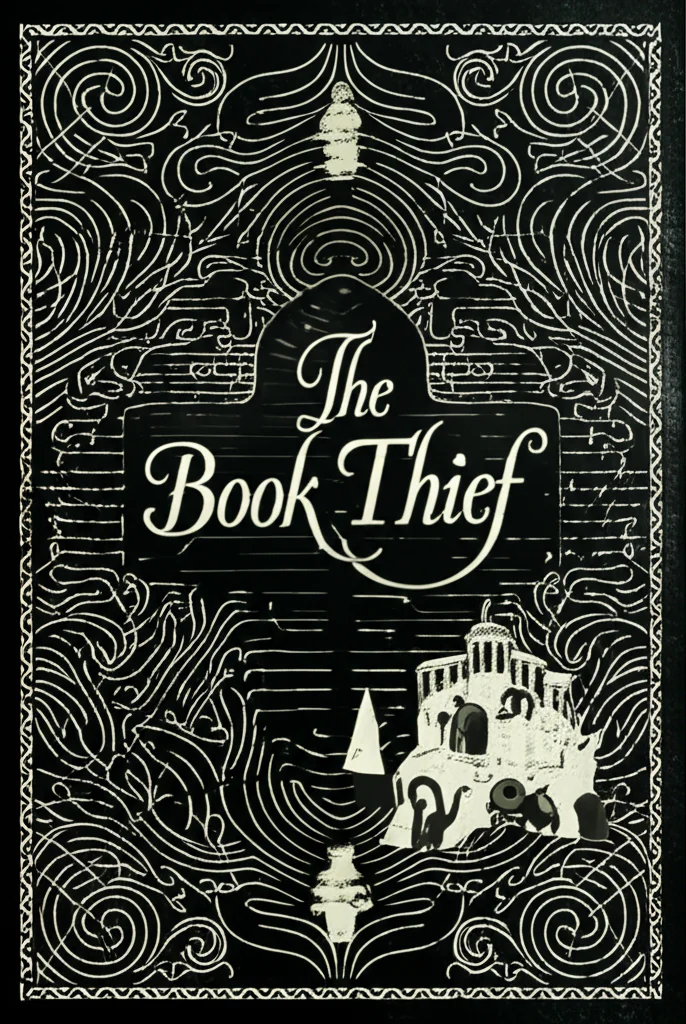
Wondering if The Book Thief is a good fit for your 13-year-old’s reading list? You’re not alone. This hauntingly beautiful novel by Markus Zusak has captivated millions with its unique narrator—Death himself—and its poignant portrayal of life in Nazi Germany. But beneath the poetic prose lies some heavy themes: war, loss, and moral complexity. So, is it too much for a young teen, or just the right challenge to spark empathy and historical understanding?
Stick around as we unpack the book’s emotional intensity, language complexity, and historical content. We’ll also share parental tips, alternative reads, and insights from educators to help you decide if this literary classic is a perfect match for your middle schooler—or if you should wait a bit longer. Spoiler alert: it’s not just about whether they can read it, but whether they’re ready to feel it.
Key Takeaways
- The Book Thief is generally suitable for mature 13-year-olds, especially those with some background in WWII history or similar books like Anne Frank’s Diary.
- Themes of death, war, and loss are emotionally intense, so parental guidance and open conversations are recommended.
- The language is accessible, with a Lexile level around 730L, but the poetic narration and German phrases add complexity.
- Educators often include it in 8th-grade curricula for its literary and historical value.
- Alternative historical fiction options exist if you want a gentler introduction or more variety.
- Movie and audiobook adaptations can be great supplements to help process the story.
Ready to explore whether this unforgettable story belongs on your teen’s bookshelf? Let’s dive in!
Table of Contents
- ⚡️ Quick Tips and Facts About The Book Thief and Age Appropriateness
- 📚 Understanding The Book Thief: A Historical Fiction Masterpiece
- 🧒 Is The Book Thief Appropriate for a 13-Year-Old? Age Suitability Explored
- 🔍 7 Key Themes in The Book Thief That Parents Should Know
- ⚔️ How The Book Thief Portrays World War II: Realism vs. Sensitivity
- 📖 Reading Level and Language Complexity: Can a 13-Year-Old Handle It?
- 😢 Emotional Impact and Difficult Scenes: What to Expect
- 👨👩👧👦 Parental Guidance Tips: How to Support Your Middle School Reader
- 📚 10 Alternative Historical Fiction Books for 13-Year-Olds
- 🌍 Exploring Related Topics: Holocaust Literature for Young Readers
- 🔎 What Educators Say: Classroom Use and Curriculum Insights
- 📺 Adaptations and Media: The Book Thief Movie and Audiobook Versions
- 🛒 Where to Find The Book Thief: Best Editions and Purchase Options
- 💡 Conclusion: Making the Right Choice for Your 13-Year-Old Reader
- 🔗 Recommended Links for Parents and Educators
- ❓ Frequently Asked Questions About The Book Thief and Age Appropriateness
- 📚 Reference Links and Further Reading
⚡️ Quick Tips and Facts About The Book Thief and Age Appropriateness
Before we dive into the nitty-gritty of Liesel Meminger’s world, here’s a “cheat sheet” for busy parents and curious readers. We’ve spent years analyzing Book Reviews to bring you the most balanced take.
- Recommended Age: 13+ (Middle School/Early High School).
- Lexile Measure: 730L (The vocabulary is accessible, but the themes are heavy).
- Narrator: Death (Yes, literally. He’s surprisingly witty but very honest about his job).
- Setting: Nazi Germany (1939–1943).
- Content Warnings: Death of family members, war violence, antisemitism, and some mild profanity (mostly in German).
- ✅ Pros: Encourages empathy, teaches history, and celebrates the power of words.
- ❌ Cons: Can be emotionally draining; involves the reality of the Holocaust.
- Fun Fact: Markus Zusak’s parents told him stories about the bombing of Munich and Jews being marched to concentration camps, which inspired the book.
📚 Understanding The Book Thief: A Historical Fiction Masterpiece
If you’re diving into our 2023 The Book Thief: Exploring the Pages of a Captivating Tale, you already know this isn’t your average “happily ever after” story. Set in the fictional town of Molching, Germany, the story follows Liesel, a young girl sent to live with foster parents, Hans and Rosa Hubermann.
At its heart, this is a story about the power of words to both destroy and heal. As Liesel learns to read, she begins “stealing” books that the Nazi regime wants to burn. But there’s a twist: the story is narrated by Death, who is haunted by humans just as much as we are haunted by him.
Our team at Book Summary Review™ has categorized this under Classic Literature because of its enduring impact. It’s a staple in Book Summaries worldwide, but does that mean your 13-year-old is ready for it? Let’s break down the “stats.”
📊 Book Summary Review™ Rating Table
| Aspect | Rating (1-10) | Notes |
|---|---|---|
| Narrative Originality | 10/10 | Death as a narrator is a stroke of genius. |
| Educational Value | 9.5/10 | Offers a unique perspective on civilian life in Nazi Germany. |
| Emotional Intensity | 9/10 | Bring tissues. Lots of them. |
| Language Complexity | 6/10 | Easy to read, but uses German phrases and metaphors. |
| Suitability for 13yo | 8/10 | Perfect for mature readers; maybe too much for sensitive souls. |
🧒 Is The Book Thief Appropriate for a 13-Year-Old? Age Suitability Explored
The short answer? Yes, but with a “side of conversation.”
Most 13-year-olds are in 7th or 8th grade, a time when they are already learning about World War II in school. According to Common Sense Media, the book is generally recommended for ages 13 and up. However, we’ve noticed a bit of a “parental tug-of-war” in online forums.
- The “Go For It” Camp: Many parents in The Book Hangout Spot argue that 13 is the perfect age. One member noted, “It’s a powerful story that can help teens understand complex historical and emotional issues.”
- The “Wait a Year” Camp: Some reviewers on Facebook suggest waiting until 14 or 15. Why? Not because of the “naughty words,” but because of the existential weight. As one parent put it, “It’s a beautifully written book, but definitely not light reading.”
Our Expert Take: If your teen has read The Diary of a Young Girl by Anne Frank or Number the Stars, they are likely ready for the thematic depth of The Book Thief.
🔍 7 Key Themes in The Book Thief That Parents Should Know
Understanding the themes helps you decide if your reader is ready for the “big questions.”
- The Duality of Humanity: How can humans be so ugly (the Holocaust) and so beautiful (Hans Hubermann’s kindness) at the same time?
- The Power of Words: Liesel uses words to provide comfort in bomb shelters, while Hitler uses them to incite hate.
- Mortality: Since Death is the narrator, the concept of dying is front and center.
- Identity and Belonging: Liesel struggles to find her place as an orphan in a radicalized society.
- Courage vs. Compliance: The Hubermanns hide a Jewish man, Max Vandenburg, in their basement—a massive risk.
- Kindness in Dark Places: Small acts, like giving a piece of bread to a prisoner, carry immense weight.
- Loss of Innocence: Liesel grows up fast as she witnesses the horrors of war.
⚔️ How The Book Thief Portrays World War II: Realism vs. Sensitivity
Markus Zusak doesn’t sugarcoat the era. You’ll see the Hitler Youth, book burnings, and the terrifying reality of air raids. However, the book focuses more on the German civilian experience than the front lines of battle.
Comparison: The Book Thief vs. Other WWII YA Books
| Feature | The Book Thief | The Boy in the Striped Pyjamas | Number the Stars |
|---|---|---|---|
| Perspective | German Foster Child | Son of a Nazi Commandant | Danish Girl |
| Tone | Poetic & Philosophical | Fable-like & Controversial | Suspenseful & Direct |
| Violence Level | Moderate (War-related) | High (Implied/Ending) | Low/Moderate |
| Best Age | 13+ | 12+ | 10+ |
👉 CHECK PRICE on:
- The Book Thief (Paperback): Amazon | Walmart
- The Book Thief (Hardcover Anniversary Edition): Amazon | Knopf Doubleday Official
📖 Reading Level and Language Complexity: Can a 13-Year-Old Handle It?
Don’t let the 500+ page count scare you! While the book is thick, the Lexile level of 730L actually places it in the middle school range.
Why it’s accessible:
- Short Chapters: Zusak uses “Death’s Diary” entries and bolded interruptions to break up the text.
- Visual Aids: There are small illustrations and “books within the book” (like The Standover Man) that Max writes for Liesel.
Why it’s challenging:
- Metaphors: Death uses very poetic language. For example, he describes the sky as “the color of chocolate.”
- German Vocabulary: Words like Saukerl and Saumensch (insults) are used frequently. They add flavor but might require a quick look at the glossary.
😢 Emotional Impact and Difficult Scenes: What to Expect
We’re going to be real with you: this book is a tear-jerker. If your 13-year-old is particularly sensitive to the death of children or animals, you might want to pre-read certain sections.
- The Death of a Sibling: The book opens with the death of Liesel’s brother.
- The Holocaust: The treatment of Max and the Jewish prisoners marched through town is heartbreaking.
- The Ending: Without giving too much away, Death is very busy in the final chapters.
As Common Sense Media notes, “The book deals with heavy topics like mortality and the brutality of war.” It’s not “trauma porn,” but it is deeply moving.
👨👩👧👦 Parental Guidance Tips: How to Support Your Middle School Reader
If you decide to let your 13-year-old take the plunge, here’s how to make it a great experience:
- Read it Together: Or at least read it at the same time. It’s one of the best books for a “parent-child book club.”
- Discuss the Narrator: Ask them, “Why do you think the author chose Death to tell the story?”
- Research the History: Use sites like the United States Holocaust Memorial Museum to provide context for the events in the book.
- Check in on the “Feels”: About halfway through, the emotional stakes rise. Ask how they’re feeling about Max and Liesel’s friendship.
📚 10 Alternative Historical Fiction Books for 13-Year-Olds
If you feel The Book Thief is a bit too heavy right now, or if they loved it and want more, check out these titles. We’ve reviewed many of these in our Author Profiles section!
- Refugee by Alan Gratz (Fast-paced, multiple timelines).
- The Night Diary by Veera Hiranandani (Partition of India).
- Inside Out and Back Again by Thanhha Lai (Vietnam War).
- Brown Girl Dreaming by Jacqueline Woodson (Civil Rights era).
- The War That Saved My Life by Kimberly Brubaker Bradley (WWII England).
- Salt to the Sea by Ruta Sepetys (WWII maritime disaster).
- White Bird by R.J. Palacio (Graphic novel about the Holocaust).
- The Devil’s Arithmetic by Jane Yolen (Time-travel Holocaust story).
- Echo by Pam Muñoz Ryan (Musical magical realism in WWII).
- Code Name Verity by Elizabeth Wein (For slightly older/mature teens).
👉 Shop WWII YA Books on:
- Amazon: Historical Fiction for Teens
- Audible: Audiobook Versions
🌍 Exploring Related Topics: Holocaust Literature for Young Readers
The Book Thief is often a gateway to deeper historical study. It’s important to distinguish between fictionalized accounts and survivor testimonies.
While Liesel is a fictional character, her experiences mirror those of many “ordinary” Germans who were caught between fear of the Nazi regime and their own moral compass. For a non-fiction companion, we highly recommend The Diary of a Young Girl by Anne Frank. You can find more insights on these in our Book Summaries archive.
🔎 What Educators Say: Classroom Use and Curriculum Insights
Many 8th-grade teachers include The Book Thief in their curriculum. Why? Because it meets several Common Core Standards for English Language Arts, specifically in analyzing point of view and figurative language.
Educators love it because:
- It challenges students to think about unreliable narrators.
- It provides a “human” face to history.
- It sparks intense debates about morality.
However, some teachers warn that the non-linear structure (Death likes to give spoilers!) can be confusing for students who struggle with reading comprehension.
📺 Adaptations and Media: The Book Thief Movie and Audiobook Versions
Sometimes, watching the movie first (or after) can help a 13-year-old process the story.
- The Movie (2013): Starring Sophie Nélisse and Geoffrey Rush. It’s rated PG-13. It’s a faithful adaptation but softens some of the book’s grittier edges. Check out our Book-to-Film Adaptations for a full comparison.
- The Audiobook: Narrated by Allan Corduner. His portrayal of Death is absolutely chilling and wonderful. It’s a great way for “reluctant readers” to consume the 500+ pages.
👉 Shop Adaptations on:
- The Book Thief Movie: Amazon Prime Video
- The Book Thief Audiobook: Audible
🛒 Where to Find The Book Thief: Best Editions and Purchase Options
Ready to add this to your shelf? There are several editions available, from the classic paperback to the beautiful 10th-anniversary hardcover.
👉 Shop Markus Zusak on:
- The Book Thief: Amazon | Walmart | Markus Zusak Official
- Bridge of Clay (His other hit): Amazon | Walmart
Conclusion: Making the Right Choice for Your 13-Year-Old Reader

So, is The Book Thief appropriate for a 13-year-old? After our deep dive, the answer is a confident yes — with thoughtful guidance. This novel is a literary gem that offers profound lessons about humanity, courage, and the power of words. It’s perfect for mature middle school readers who are ready to engage with complex emotions and historical realities.
Positives ✅
- Rich storytelling narrated by Death, offering a unique perspective.
- Educational value: Provides a nuanced view of life in Nazi Germany.
- Emotional depth: Encourages empathy and critical thinking.
- Accessible language: Despite its length, the prose is manageable for middle school readers.
Negatives ❌
- Heavy themes: Death, war, and loss can be emotionally intense.
- Some graphic descriptions: Though not gratuitous, the book does not shy away from the brutality of the era.
- Non-linear narrative: Might confuse some younger or less experienced readers.
If your 13-year-old has shown interest in historical fiction or has already tackled books like Anne Frank’s Diary or Number the Stars, The Book Thief will be a rewarding next step. We recommend reading it together or discussing it afterward to help process the themes.
In short, The Book Thief is a powerful, unforgettable read that can open doors to empathy and historical understanding — just be ready with tissues and conversation! 📚❤️
Recommended Links for Parents and Educators
Ready to get your hands on The Book Thief or explore related titles? Here are some reliable options:
- The Book Thief (Paperback): Amazon | Walmart
- The Book Thief (Hardcover Anniversary Edition): Amazon | Knopf Doubleday Official
- The Book Thief Audiobook (Narrated by Allan Corduner): Audible
- The Book Thief Movie (2013, PG-13): Amazon Prime Video
- Alternative Historical Fiction for Teens: Amazon Historical Fiction for Teens
- Markus Zusak Official Website: markuszusak.com
Frequently Asked Questions About The Book Thief and Age Appropriateness
Why is The Book Thief PG-13?
The Book Thief movie adaptation is rated PG-13 due to its depiction of war violence, thematic elements related to the Holocaust, and some intense emotional scenes. The book itself contains mature themes such as death, loss, and the horrors of war, which align with a PG-13 rating for visual media. This rating helps parents gauge the content’s suitability for younger viewers and readers.
Is there anything inappropriate in The Book Thief?
The book contains mature themes including death, war, and antisemitism. There are some mild profanities (mostly German insults) and descriptions of violence related to WWII. While not explicit or gratuitous, these elements might be unsettling for sensitive readers. Parental discretion is advised based on the child’s maturity.
Can a 13 year old read The Book Thief?
Yes, many 13-year-olds can read and appreciate The Book Thief, especially those who have prior exposure to WWII history or similar literature. However, it is best suited for mature readers who can handle emotional complexity and historical realities. Reading alongside a parent or teacher can enhance understanding and provide support.
Is The Book Thief a clean book?
In terms of language, The Book Thief is relatively clean, with only mild profanity and some German insults. However, the themes are heavy and serious, involving death, war, and suffering. So “clean” depends on whether you mean language or content. It’s clean linguistically but emotionally intense.
Does The Book Thief have inappropriate scenes?
The book includes scenes depicting the harsh realities of Nazi Germany, including the suffering of Jewish characters and the impact of war on civilians. These scenes are not graphic in a sensational way but are honest and sometimes distressing. They serve an educational and emotional purpose.
What grade level should read The Book Thief?
Typically, The Book Thief is recommended for grades 7 and up (ages 12-14). It aligns well with middle school curricula that cover WWII and Holocaust history. The reading level is accessible, but the themes require a certain emotional maturity.
What age group is The Book Thief suitable for?
The book is suitable for young teens and older — generally ages 13 and up. It is often used in middle school and early high school classrooms. Younger readers might find the themes overwhelming.
Are there any mature themes in The Book Thief for young readers?
Yes, mature themes include:
- Death and mortality
- War violence and suffering
- Antisemitism and persecution
- Moral ambiguity and courage under oppression
These themes are presented thoughtfully but can be intense for sensitive readers.
How does The Book Thief handle historical content for teens?
The novel presents WWII and the Holocaust from the perspective of a young German girl, humanizing civilians caught in the conflict. It balances historical accuracy with literary storytelling, making complex history accessible and emotionally resonant for teens.
Is The Book Thief recommended for middle school students?
Many educators and parents recommend it for mature middle school students. It is often included in 8th-grade reading lists due to its educational value and literary merit, but parental guidance is advised.
What are the main themes of The Book Thief that parents should know?
Parents should be aware of themes like:
- The power and danger of words
- The duality of human nature
- The impact of war on innocence
- Acts of kindness amidst cruelty
Understanding these themes can help parents guide discussions with their children.
Can The Book Thief be used in a classroom setting for 13-year-olds?
Absolutely. It is widely used in classrooms to teach history, literature, and ethics. Teachers often supplement it with historical context and discussions about narrative style and themes.
How do reviews rate The Book Thief for young adult readers?
Reviews from sources like Common Sense Media and reader groups generally rate it highly for literary quality and educational value but caution about its emotional intensity. It’s praised as a powerful and moving read for mature young adults.
Reference Links and Further Reading
- Common Sense Media Review of The Book Thief
- The Book Hangout Spot Facebook Group Discussion
- Facebook Discussion: Is ‘The Book Thief’ Suitable for a 6th-Grade Reader?
- United States Holocaust Memorial Museum
- Markus Zusak Official Website
- Penguin Random House – The Book Thief
- Amazon – The Book Thief
We hope this comprehensive guide helps you decide if The Book Thief is the right literary journey for your 13-year-old. Ready to explore the power of words and history? Dive in — the story awaits! 📖✨