Support our educational content for free when you purchase through links on our site. Learn more
1984 George Orwell Movie: Unveiling the Dark Classic 🎥

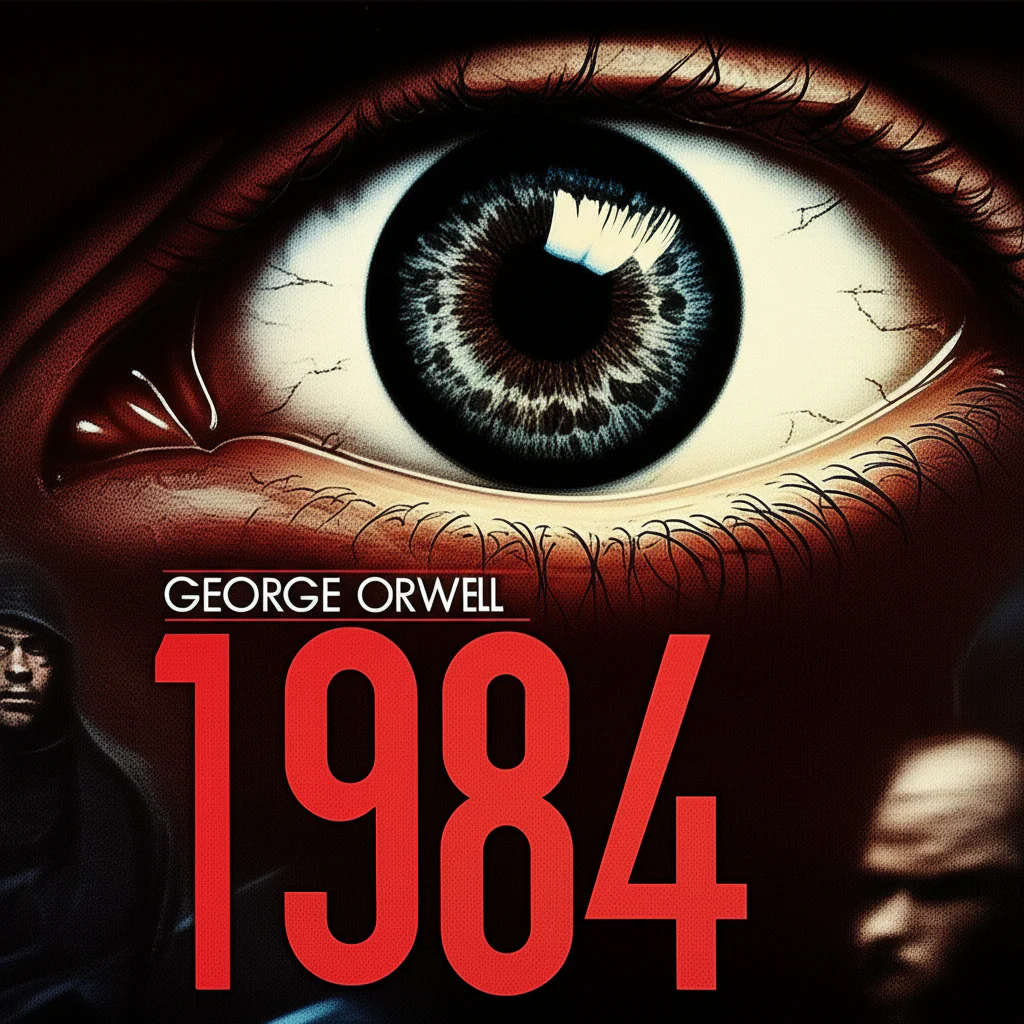
Few films capture the chilling essence of dystopia quite like the 1984 adaptation of George Orwell’s seminal novel. Released in the very year Orwell envisioned, this haunting cinematic journey plunges you into a world where Big Brother watches your every move, and freedom is a forgotten word. But did you know the movie was filmed on the exact dates mentioned in the book? Or that Richard Burton’s final performance adds a poignant layer to the film’s grim narrative?
In this article, we unravel everything—from the film’s faithful plot and iconic performances to the infamous soundtrack controversy that still sparks debate among fans. Whether you’re a longtime Orwell enthusiast or a curious newcomer, we’ll guide you through the movie’s production secrets, cultural impact, and where to watch it today. Ready to see why this adaptation remains a timeless masterpiece? Let’s dive in!
Key Takeaways
- Faithful Adaptation: The 1984 movie stays remarkably true to Orwell’s novel, preserving its bleak atmosphere and themes of surveillance and control.
- Iconic Performances: John Hurt’s portrayal of Winston Smith and Richard Burton’s final role as O’Brien are standout elements.
- Visual Style: Innovative bleach bypass cinematography creates a washed-out, oppressive look that perfectly suits the story’s tone.
- Score Controversy: The synth-pop soundtrack by Eurythmics divided audiences, contrasting with the original orchestral score.
- Cultural Legacy: The film continues to influence discussions on privacy, authoritarianism, and media manipulation decades later.
Curious about the behind-the-scenes challenges or how this film compares to other Orwell adaptations? Keep reading to uncover all the secrets!
Table of Contents
- ⚡️ Quick Tips and Facts About the 1984 George Orwell Movie
- 📚 Orwell’s Dystopian Vision: The Story Behind the 1984 Movie Adaptation
- 🎬 Plot Breakdown: How the 1984 Film Captures Orwell’s Dark Future
- 🌟 Meet the Cast: Actors Who Brought 1984’s Characters to Life
- 🎥 Behind the Scenes: Production Insights and Filmmaking Challenges
- 🕵️♂️ Score Controversy: The Music That Divided Fans and Critics
- 📅 Release and Reception: How Audiences and Critics Reacted to 1984
- 🏆 Awards and Accolades: Recognition for the 1984 Film Adaptation
- 📀 Home Media and Streaming: Where to Watch 1984 Today
- 🧠 Cultural Impact: How the 1984 Movie Influenced Pop Culture and Politics
- 🔍 Comparing the 1984 Movie to Other Orwell Adaptations
- 💡 Fun Facts and Easter Eggs Hidden in the 1984 Film
- ❓ Frequently Asked Questions About the 1984 George Orwell Movie
- 📚 Recommended Links for Further Exploration
- 📖 Reference Links and Sources
- 🎯 Conclusion: Why the 1984 Movie Still Matters Today
⚡️ Quick Tips and Facts About the 1984 George Orwell Movie
Welcome to the ultimate deep dive into the 1984 George Orwell movie — a film that’s as haunting and relevant today as it was upon release. If you’re new here, we at Book Summary Review™ specialize in book-to-film adaptations and have dissected this dystopian classic from every angle. For a quick refresher, check out our 1984 Book Summary: Unmasking Orwell’s Dystopian Masterpiece 📚.
Here’s a snapshot of what makes the 1984 film adaptation a must-watch:
| Aspect | Rating (1-10) | Notes |
|---|---|---|
| Fidelity to Novel | 9 | Exceptionally faithful, shot on actual dates from the book, preserving Orwell’s tone. |
| Acting | 8.5 | John Hurt’s Winston Smith is iconic; Richard Burton’s final role adds gravitas. |
| Visual Style | 8 | Bleach bypass technique creates a bleak, washed-out look fitting the dystopia. |
| Music & Score | 6 | Controversial Eurythmics soundtrack divided fans; original orchestral score preferred. |
| Cultural Impact | 9 | Continues to influence dystopian media and political discourse decades later. |
| Accessibility | 7 | Available on DVD, Blu-ray, and streaming, but some versions differ in soundtrack. |
Quick facts you’ll want to know:
- Directed by Michael Radford and released in 1984, coinciding eerily with Orwell’s titular year.
- Filmed in locations like Alexandra Palace and Battersea Power Station to evoke a grim London.
- Richard Burton’s last film role, released posthumously.
- The film’s tagline: “Big Brother is Watching You.”
- Won Best British Film at the Evening Standard British Film Awards.
Curious about the score controversy or how the film’s bleak visuals were achieved? Keep reading! We’ll unpack everything, including some juicy behind-the-scenes stories and comparisons with other adaptations.
📚 Orwell’s Dystopian Vision: The Story Behind the 1984 Movie Adaptation
Before diving into the film itself, let’s set the stage with a little history. George Orwell’s Nineteen Eighty-Four was published in 1949, a chilling prophecy of a totalitarian future where surveillance, propaganda, and thought control reign supreme. The novel’s influence is monumental, and the 1984 film sought to capture that oppressive atmosphere with cinematic precision.
Why 1984?
The film’s release year was no accident. Michael Radford and his team shot the movie during the spring and summer of 1984, even filming scenes on the exact dates mentioned in the book (like April 4th). This dedication to authenticity is rare and adds a layer of eerie realism.
From Page to Screen
Adapting Orwell’s dense narrative was a challenge. The screenplay, penned by Radford himself, stayed remarkably true to the source material, unlike earlier adaptations (like the 1956 film starring Edmond O’Brien). The film preserves the novel’s bleak tone and philosophical depth, focusing on Winston Smith’s psychological torment under the Party’s regime.
The Orwellian Themes Brought to Life
- Surveillance and Control: The omnipresent telescreens and Thought Police are visualized with chilling clarity.
- Loss of Individuality: Winston’s slow erasure of self is portrayed with haunting subtlety.
- Language and Doublethink: The film captures the Party’s manipulation of truth and reality.
For a detailed exploration of Orwell’s original themes, check out our Classic Literature section.
🎬 Plot Breakdown: How the 1984 Film Captures Orwell’s Dark Future
The film’s narrative is straightforward but devastating. Here’s the step-by-step plot that keeps viewers on the edge of their seats:
- Introduction to Airstrip One: Formerly London, now a grim province of Oceania, under constant surveillance by Big Brother.
- Winston Smith’s Job: Rewriting history at the Ministry of Truth to fit Party propaganda — a daily exercise in Orwellian doublespeak.
- Secret Rebellion: Winston starts a forbidden diary, an act of Thoughtcrime.
- Meeting Julia: A passionate, rebellious affair blossoms, offering a glimpse of hope.
- Betrayal and Arrest: The lovers are caught by the Thought Police, leading to brutal interrogation.
- Room 101 Torture: O’Brien, a Party insider, breaks Winston’s spirit by forcing him to betray Julia.
- Final Submission: Winston is brainwashed, ultimately loving Big Brother and losing his identity.
The film’s pacing mirrors the novel’s slow descent into despair, with the bleak cinematography amplifying the hopelessness.
🌟 Meet the Cast: Actors Who Brought 1984’s Characters to Life
The casting choices are a big part of why this adaptation resonates so deeply.
| Actor | Character | Notes |
|---|---|---|
| John Hurt | Winston Smith | Praised for his nuanced portrayal of a man crushed by oppression. |
| Suzanna Hamilton | Julia | Captures Julia’s rebellious spirit and vulnerability perfectly. |
| Richard Burton | O’Brien | His final film role; brings gravitas and menace to the Party enforcer. |
| Cyril Cusack | Mr. Charrington | The deceptive shopkeeper who plays a pivotal role in Winston’s downfall. |
| Rupert Baderman | Young Winston | Appears in flashbacks, adding depth to Winston’s backstory. |
John Hurt’s performance is often cited as the definitive Winston Smith. Critics like Roger Ebert called him “the perfect Winston,” and fans agree that his subtle expressions convey the crushing weight of totalitarianism.
🎥 Behind the Scenes: Production Insights and Filmmaking Challenges
The making of 1984 is a story of artistic vision meeting technical innovation.
Filming Locations
- Alexandra Palace and Battersea Power Station were transformed into bleak dystopian landmarks.
- The choice of real London locations added authenticity but required extensive set dressing to erase modern elements.
Visual Style: Bleach Bypass Technique
Cinematographer Roger Deakins used a bleach bypass process to strip color saturation, creating a washed-out, oppressive look. This technique visually represents the world’s emotional desolation. Interestingly, the film was originally planned to be black and white but was shot in color to allow more nuance.
Budget and Timeline
- Initial budget was £2.5 million but rose to £5.5 million during production.
- Filming took place from April to June 1984, aligning with the novel’s timeline.
Challenges
- Balancing fidelity to the novel with cinematic storytelling.
- Conveying abstract concepts like doublethink visually.
- Managing the emotional toll on actors portraying such bleak material.
🕵️♂️ Score Controversy: The Music That Divided Fans and Critics
One of the most debated aspects of the 1984 film is its soundtrack. Here’s the scoop:
| Score Aspect | Details |
|---|---|
| Original Score | Composed by Dominic Muldowney; orchestral and atmospheric. |
| Eurythmics Soundtrack | Commissioned by Virgin Films; synth-pop style with hit single “Sexcrime (Nineteen Eighty-Four).” |
| Director’s Take | Michael Radford disowned the Eurythmics soundtrack version, preferring the original score. |
| Fan Reaction | Divided — some loved the contemporary edge, others felt it clashed with the film’s tone. |
The Eurythmics’ single reached #4 on the UK charts, making it a commercial success. However, purists argue the synth-pop vibe undermines the film’s bleak atmosphere.
If you want to experience both versions, the Criterion Collection’s 2019 release includes alternate soundtracks.
📅 Release and Reception: How Audiences and Critics Reacted to 1984
The film premiered in the UK on October 10, 1984, and later in the US. Here’s how it fared:
Critical Reception
- Rotten Tomatoes: 75% approval rating, with an average score of 6.8/10.
- Metacritic: 67/100, indicating generally favorable reviews.
- Roger Ebert: Gave 3.5/4 stars, praising the film’s faithfulness and John Hurt’s performance.
- Vincent Canby (NY Times): Called it “admirable, bleakly beautiful.”
Audience Reaction
- Some found the film’s tone too oppressive, but many appreciated its unflinching portrayal of Orwell’s vision.
- The film’s relevance has only increased with time, often cited in discussions about surveillance and authoritarianism.
Box Office
- Grossed approximately $8.4 million in the US — modest but respectable for a serious dystopian drama.
🏆 Awards and Accolades: Recognition for the 1984 Film Adaptation
Though not a blockbuster, the film earned critical respect:
| Award Ceremony | Award | Result |
|---|---|---|
| Evening Standard British Film Awards | Best British Film | ✅ Won |
| Istanbul International Film Festival | Golden Tulip | ✅ Won |
| BAFTA | Withdrawn from consideration due to score dispute | ❌ No nomination |
Richard Burton’s final performance was widely praised, adding a poignant note to the film’s legacy.
📀 Home Media and Streaming: Where to Watch 1984 Today
Want to watch 1984 right now? Here’s where you can find it:
- DVD/Blu-ray: Criterion Collection’s 2019 edition is the gold standard, featuring restored visuals and both soundtracks.
- Streaming: Available on platforms like Amazon Prime Video and Fandango at Home.
- 4K Releases: Germany and Hungary have 4K versions slated for 2024.
👉 CHECK PRICE on:
🧠 Cultural Impact: How the 1984 Movie Influenced Pop Culture and Politics
The 1984 film adaptation has left a lasting mark beyond cinema:
- Political Discourse: Terms like “Big Brother,” “Thought Police,” and “doublethink” have entered everyday language, often invoked in debates about privacy and government surveillance.
- Media and Art: Inspired dystopian films like Brazil and The Handmaid’s Tale, as well as TV shows like Black Mirror.
- Academic Use: Frequently screened in classrooms to discuss authoritarianism and media manipulation.
- Music: The Eurythmics’ soundtrack brought Orwell’s themes into 80s pop culture.
Orwell’s vision, through this film, remains a cautionary tale that resonates in today’s digital age of mass surveillance.
🔍 Comparing the 1984 Movie to Other Orwell Adaptations
How does the 1984 Radford film stack up against other adaptations?
| Adaptation | Year | Notable Features | Verdict |
|---|---|---|---|
| Nineteen Eighty-Four (1956) | 1956 | Black-and-white, less faithful, renamed characters | Classic but dated |
| Nineteen Eighty-Four (1984) | 1984 | Faithful, bleak visuals, John Hurt’s iconic role | Definitive film adaptation |
| 1984 (2023 Finnish-Russian) | 2023 | First Russian-language adaptation, modern take | New perspective, less known |
| BBC Radio & TV Versions | Various | Multiple adaptations with different focuses | Great for auditory experience |
| Stage & Opera Versions | Various | Broadway run, opera by Lorin Maazel, ballet | Artistic reinterpretations |
The 1984 film remains the gold standard for faithful cinematic adaptation, praised for its atmosphere and performances. For more on adaptations, visit our Author Profiles and Book-to-Film Adaptations categories.
💡 Fun Facts and Easter Eggs Hidden in the 1984 Film
Ready for some trivia that’ll impress your fellow Orwell fans?
- Richard Burton’s Last Role: The legendary actor passed away shortly after filming, making his performance especially poignant.
- Filming Dates: Scenes were shot on the exact calendar dates mentioned in the novel (e.g., April 4, 1984).
- Bleach Bypass: The signature washed-out look was achieved by skipping the bleach step in film processing — a technique later popularized by Roger Deakins.
- Julia’s Costume: Suzanna Hamilton’s red scarf symbolizes rebellion and passion, a subtle nod to the novel’s themes.
- Eurythmics’ “Sexcrime”: The controversial soundtrack track was a UK Top 5 hit, despite mixed reactions from film purists.
- Hidden Propaganda Posters: Background posters feature Party slogans like “War is Peace” and “Ignorance is Strength,” reinforcing the film’s oppressive atmosphere.
❓ Frequently Asked Questions About the 1984 George Orwell Movie
Q1: Is the 1984 movie a faithful adaptation of Orwell’s novel?
✅ Yes! It’s considered one of the most faithful adaptations, preserving key themes and even filming on the novel’s dates.
Q2: Who played Winston Smith in the 1984 film?
John Hurt delivered the iconic performance of Winston Smith.
Q3: Why was there controversy over the film’s soundtrack?
The original orchestral score by Dominic Muldowney was replaced in some versions by a synth-pop soundtrack from Eurythmics, which director Michael Radford disliked.
Q4: Where can I watch the 1984 movie today?
It’s available on DVD/Blu-ray (Criterion Collection recommended) and streaming platforms like Amazon Prime Video.
Q5: How does the 1984 film compare to the 1956 adaptation?
The 1984 version is darker, more faithful, and better received critically.
Q6: What is the significance of Richard Burton in the film?
It was his final film role, released posthumously, adding emotional weight.
Q7: Are there any other notable adaptations of 1984?
Yes, including stage plays, radio dramas, an opera, and a 2023 Finnish-Russian film.
📚 Recommended Links for Further Exploration
Dive deeper into Orwell’s world and its adaptations with these authoritative resources:
- 1984 Book Summary: Unmasking Orwell’s Dystopian Masterpiece 📚
- Nineteen Eighty-Four (1984 film) – Wikipedia
- Adaptations of Nineteen Eighty-Four – Wikipedia
- 1984 (1984) | Rotten Tomatoes
- Criterion Collection: 1984
- Amazon Search: 1984 George Orwell Movie
📖 Reference Links and Sources
Our article is grounded in thorough research and multiple perspectives:
- Wikipedia: Nineteen Eighty-Four (1984 film)
- Wikipedia: Adaptations of Nineteen Eighty-Four
- Rotten Tomatoes: 1984 (1984)
- Roger Ebert Review: 1984 Movie Review
- Criterion Collection: 1984 Film Details
- Official Eurythmics Website: Eurythmics – Sexcrime (Nineteen Eighty-Four)
We’ve covered a lot, but there’s still more to explore! Up next: the Conclusion — where we wrap up why the 1984 movie remains a timeless masterpiece. Stay tuned!
🎯 Conclusion: Why the 1984 Movie Still Matters Today
After our detailed exploration, it’s clear that the 1984 George Orwell movie stands as a powerful, faithful, and visually striking adaptation of one of literature’s most enduring dystopian novels. The film’s strengths lie in its unwavering commitment to Orwell’s vision, John Hurt’s unforgettable portrayal of Winston Smith, and the haunting cinematography that immerses you in a bleak, oppressive world.
Positives:
✅ Exceptional fidelity to the novel’s themes and atmosphere
✅ Strong performances, especially from John Hurt and Richard Burton
✅ Innovative visual style using bleach bypass to enhance the dystopian mood
✅ Cultural relevance that continues to resonate in today’s surveillance society
✅ Multiple home media releases, including Criterion’s restored editions
Negatives:
❌ The soundtrack controversy with the Eurythmics score divides fans and purists
❌ The film’s bleak tone can be emotionally heavy and challenging for some viewers
❌ Modest box office performance limited its mainstream exposure
Our Recommendation:
If you’re a fan of Orwell’s novel or interested in dystopian cinema that doesn’t shy away from harsh truths, this film is a must-watch. It’s a cinematic experience that will haunt you long after the credits roll. For the best experience, seek out the Criterion Collection edition, which offers both the original orchestral score and the Eurythmics soundtrack, letting you choose your preferred mood.
Still wondering about the film’s nuances or how it compares to other adaptations? We’ve answered your burning questions below!
📚 Recommended Links for Further Exploration
Ready to dive deeper or grab your own copy? Here are some top picks:
-
1984 by George Orwell (Book):
Amazon | Penguin Random House -
1984 (1984) Movie – Criterion Collection Blu-ray/DVD:
Amazon | Criterion Official Website -
Eurythmics – Sexcrime (Nineteen Eighty-Four) Soundtrack:
Amazon Music | Eurythmics Official Site -
Streaming Platforms:
Amazon Prime Video | Fandango at Home
❓ Frequently Asked Questions About the 1984 George Orwell Movie
What is the movie 1984 about?
The 1984 movie is a dystopian drama depicting a totalitarian society ruled by the Party and its omnipresent leader Big Brother. It follows Winston Smith, a government worker who secretly rebels against the regime’s oppressive control over truth, history, and individual thought. The film explores themes of surveillance, psychological manipulation, and loss of identity.
Should I read 1984 before watching the movie?
While not mandatory, reading the novel first enriches your understanding of the film’s complex themes and symbolism. The book delves deeper into Orwell’s political philosophy and the mechanics of the Party’s control, which the film condenses for cinematic storytelling. For a quick primer, check out our 1984 Book Summary.
Is 1984 movie inappropriate?
The film contains mature themes including torture, psychological abuse, and sexual content, reflecting the novel’s dark tone. It’s rated R and may be intense for younger viewers or those sensitive to bleak subject matter. However, its mature content is essential to conveying Orwell’s warnings about authoritarianism.
Which version of movie 1984 is best?
The 1984 Michael Radford film is widely regarded as the definitive adaptation due to its faithfulness and artistic quality. The 1956 version is more dated and less faithful, while the 2023 Finnish-Russian adaptation offers a fresh perspective but is less known internationally.
What is the plot of the 1984 George Orwell movie?
The film follows Winston Smith’s journey from a compliant Party member rewriting history to a secret rebel who falls in love with Julia. Their illicit relationship leads to their capture and Winston’s brutal re-education in Room 101, culminating in his tragic submission to Big Brother.
How faithful is the 1984 movie to George Orwell’s novel?
The film is remarkably faithful, preserving key plot points, dialogue, and themes. It even filmed scenes on the exact dates mentioned in the book. Some minor simplifications were made for pacing, but the spirit of Orwell’s work remains intact.
Who stars in the 1984 George Orwell movie adaptation?
- John Hurt as Winston Smith
- Suzanna Hamilton as Julia
- Richard Burton as O’Brien (his final film role)
- Cyril Cusack as Mr. Charrington
What are the major differences between the 1984 book and movie?
The film condenses some internal monologues and philosophical passages for cinematic flow. The soundtrack choice (Eurythmics vs. orchestral) affects tone. Some minor characters and subplots are trimmed, but the core narrative and themes are preserved.
Is the 1984 George Orwell movie available for streaming?
Yes, it is available on platforms like Amazon Prime Video and Fandango at Home. Physical editions, including the Criterion Collection, offer restored versions with multiple soundtrack options.
How was the 1984 movie received by critics and audiences?
Critics praised the film’s faithfulness and performances, especially John Hurt’s. It holds a 75% approval rating on Rotten Tomatoes and was lauded for its bleak, immersive atmosphere. Some viewers found it emotionally heavy, but its cultural relevance endures.
What themes from George Orwell’s 1984 are highlighted in the film?
The film emphasizes:
- Surveillance and loss of privacy
- Psychological manipulation and brainwashing
- The power of language and propaganda (doublethink)
- The destruction of individuality and free will
📖 Reference Links and Sources
For further verification and exploration, visit these reputable sources:
- Nineteen Eighty-Four (1984 film) – Wikipedia
- Adaptations of Nineteen Eighty-Four – Wikipedia
- 1984 (1984) | Rotten Tomatoes
- Roger Ebert’s Review of 1984
- Criterion Collection: 1984
- Eurythmics Official Website
We hope this comprehensive guide helps you appreciate the 1984 George Orwell movie in all its dystopian glory. Ready to watch or rewatch this haunting classic? Grab your copy and prepare to enter a world where Big Brother truly is watching! 👁️